Gary Saretzky Photo Books
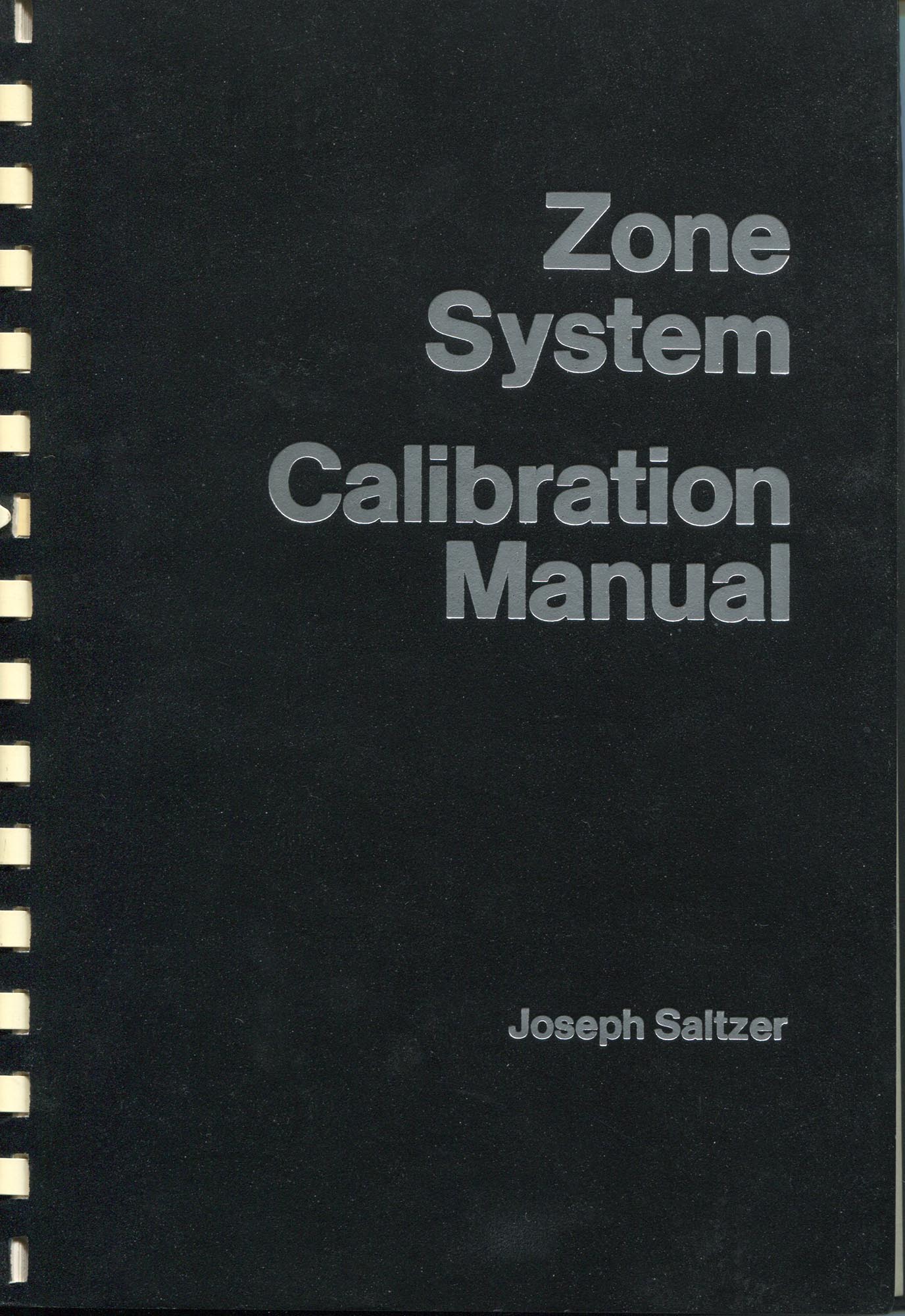
Zone System Calibration Manual by Joseph Saltzer.
Zone System Calibration Manual by Joseph Saltzer.
Couldn't load pickup availability
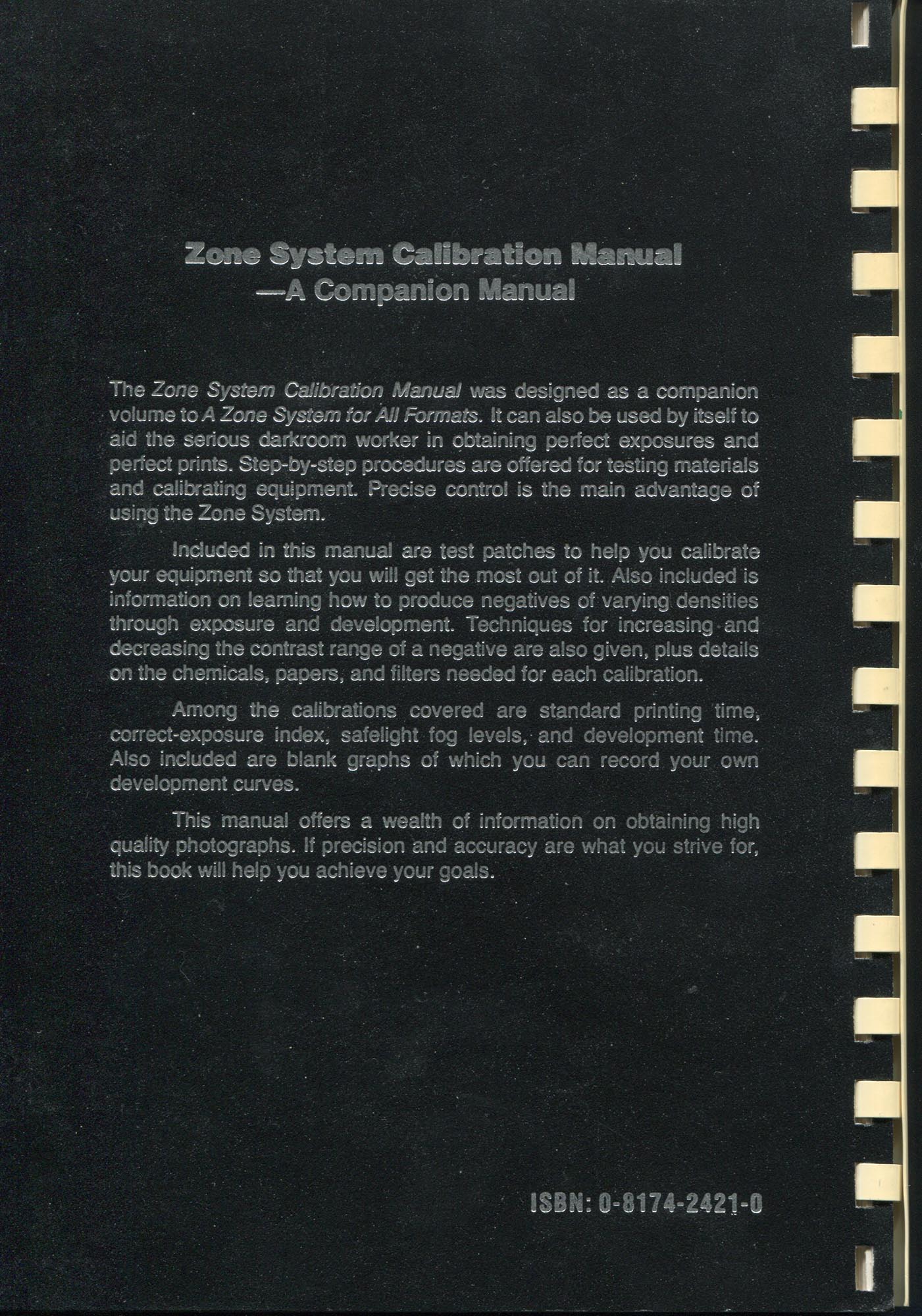
AMPHOTO, 1979. First edition, softcover with spiral plastic binding, fine except top and bottom plastic spirals on binding are broken. 64 pages. Illustrated with zone system graphs and charts designed to provide guidance on exposure, expansion and compression of negative densities, and related topics. Helpful as an adjunct to the author’s A Zone System for All Formats. In the first edition, Zone System Calibration Manual is a scarce book in any condition. Summary:
Zone System Calibration Manual by Joseph Saltzer (published in 1979) is a concise, practical handbook for photographers that focuses on the calibration aspect of the Zone System—the photographic method used to control exposure and development in black-and-white photography to achieve predictable tonal results.
Rather than serving as a general introduction to the Zone System as a whole, this 64-page manual zeroes in on how to calibrate your materials, equipment, and workflow so that the Zone System produces reliable and consistent results in practice. It includes charts, graphs, and illustrations that help explain key relationships—such as how exposure, negative density, and development adjustments interact within the Zone System framework—and offers guidance on interpreting and using these tools effectively.
The book is designed for photographers who already understand the basic principles of the Zone System and want a reference specifically for calibration—that is, tailoring film speed, exposure settings, and development techniques to match a photographer’s particular combination of camera, film, developer, and darkroom processes. By providing accessible visual aids and focused explanations, Saltzer’s manual helps photographers make Zone System practice more systematic and less dependent on guesswork.
Overall, the manual functions as a handy supplementary tool for photographers striving for greater technical precision and predictability in their black-and-white workflow.