Gary Saretzky Photo Books
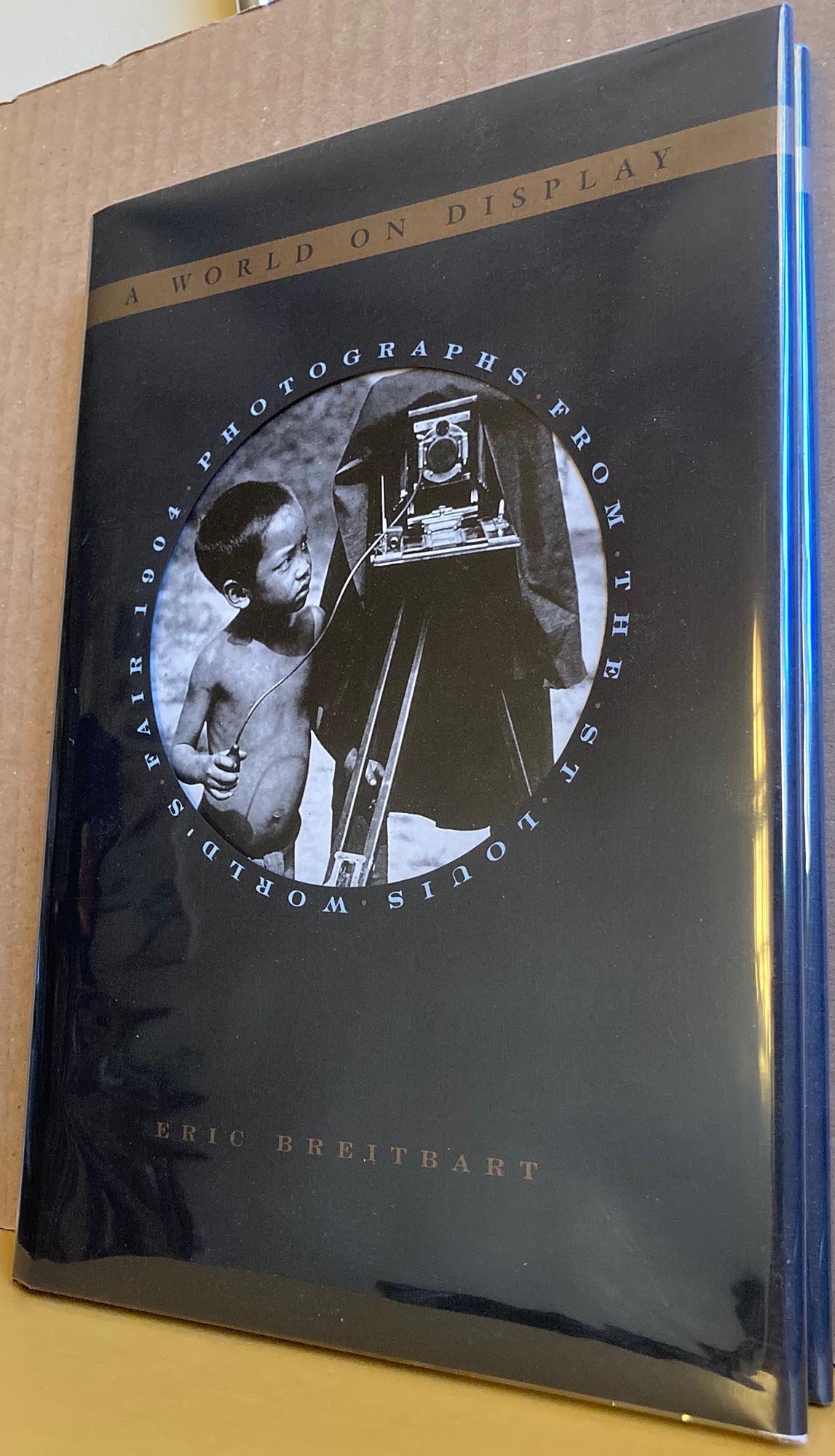
World's Fairs. A World on Display: Photographs from the St. Louis World's Fair, 1904 by Eric Breitbart.
World's Fairs. A World on Display: Photographs from the St. Louis World's Fair, 1904 by Eric Breitbart.
Couldn't load pickup availability
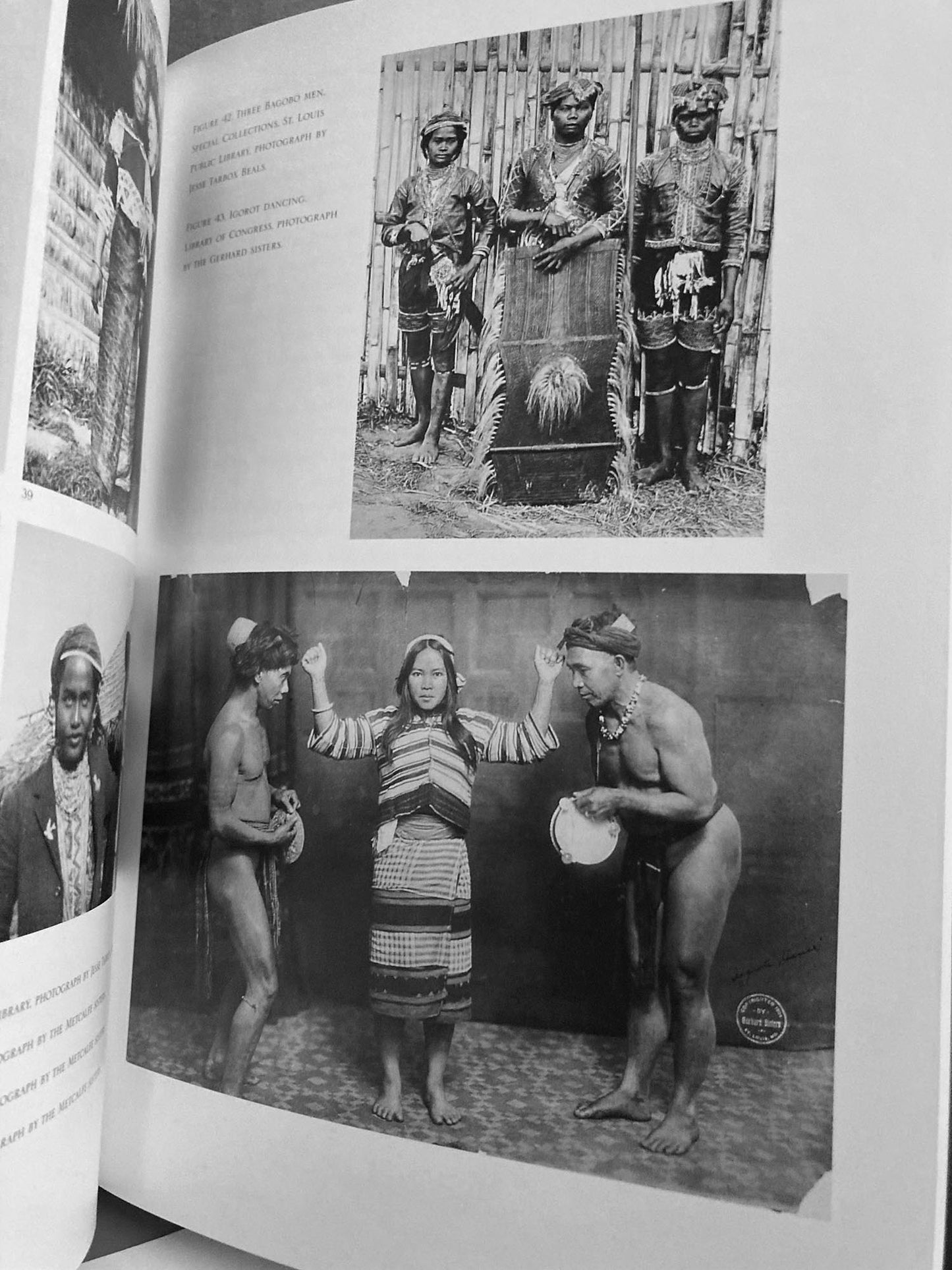
University of New Mexico Press, 1997. First edition. Hardcover, fine with fine protected dust jacket. Like new. 208 pages. At the world’s fair marking the centenary of the Louisiana Purchase, exhibits included 2,000 native people from around the world, including Native Americans, Ainu, Pygmies, Bagobos, Visayan dwarfs, Patagonians, et al. This fascinating book discusses the issues surrounding these exhibits and provides numerous photographic illustrations. The author, Eric Breitbart, also produced a documentary film with the same title. This book is usually found without the dust jacket. Uncommon in this condition. Summary:
A World on Display: Photographs from the St. Louis World’s Fair, 1904 by Eric Breitbart (University of New Mexico Press, 1997) is a photographic and interpretive exploration of one of America’s most remarkable early-20th-century expositions — the Louisiana Purchase Exposition held in St. Louis, Missouri in 1904. Rather than functioning as a simple picture book of fair scenes, the volume brings together about 75 historic photographs and situates them within a broader cultural and critical context.
The book’s core focus is on the visual documentation of the fair’s anthropological exhibitions — where organizers displayed people from a wide array of indigenous groups (such as the Igorot, Bagobo, Ainu, and Pygmy peoples, among others) as part of “living exhibits” meant to signal global diversity to American audiences. Breitbart examines not only what these images show but also how they functioned at the time and what they mean to contemporary viewers, implicitly raising questions about representation, colonialism, spectacle, and the politics of visual culture.
The photographs are interspersed with commentary that places them in the larger context of the fair’s aims to celebrate technological progress and cultural display. By foregrounding both the beauty and the constructed nature of these images, the book encourages readers to consider how world’s fairs shaped notions of authenticity, modernity, and the “exotic” in the early 1900s United States.
In sum, A World on Display is part photographic archive, part critical investigation into the meanings and legacies of visual culture at the 1904 St. Louis World’s Fair, especially focusing on how photographic representation both reflected and shaped perceptions of non-Western peoples within the spectacle of the exposition.