Gary Saretzky Photo Books
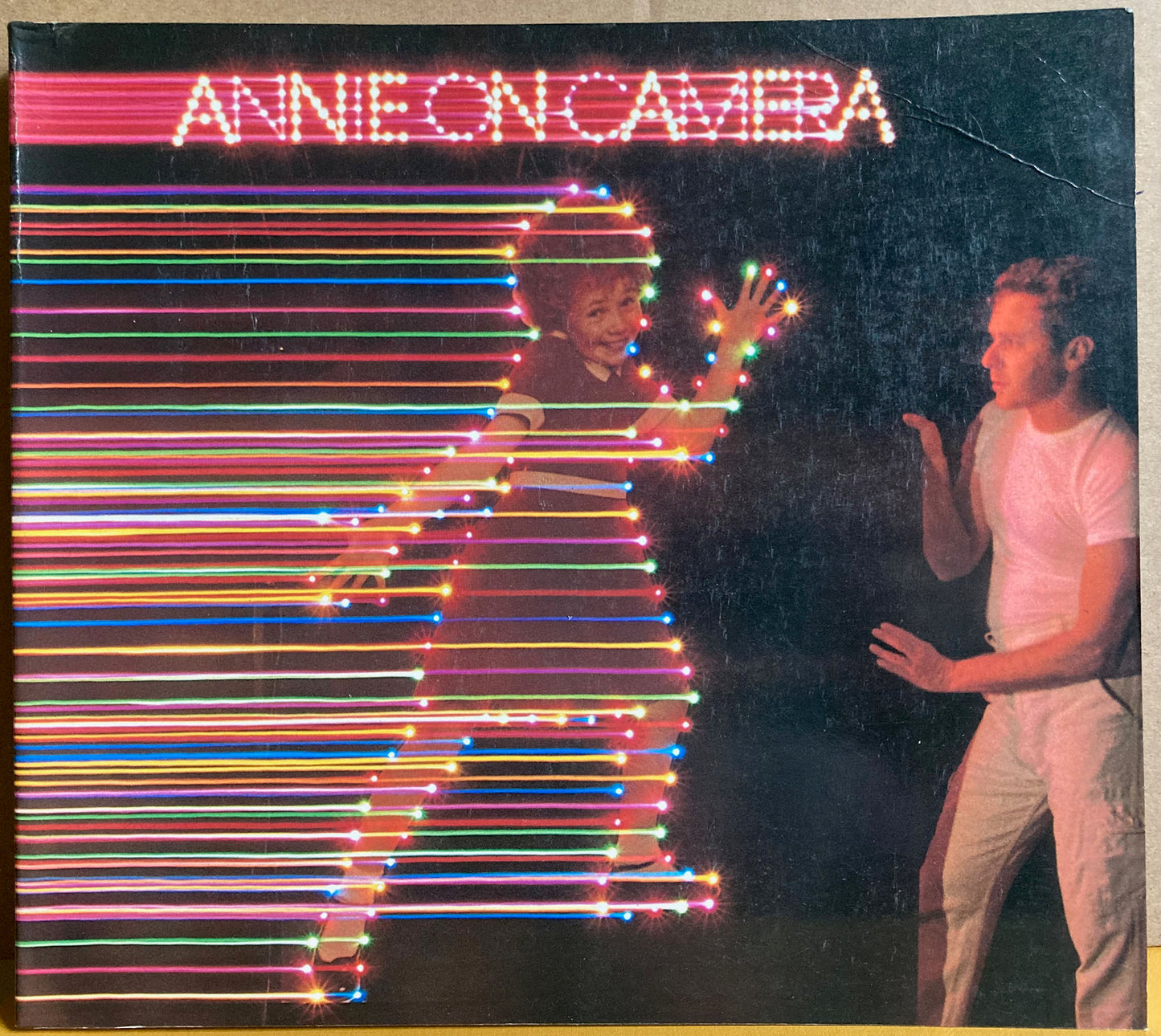
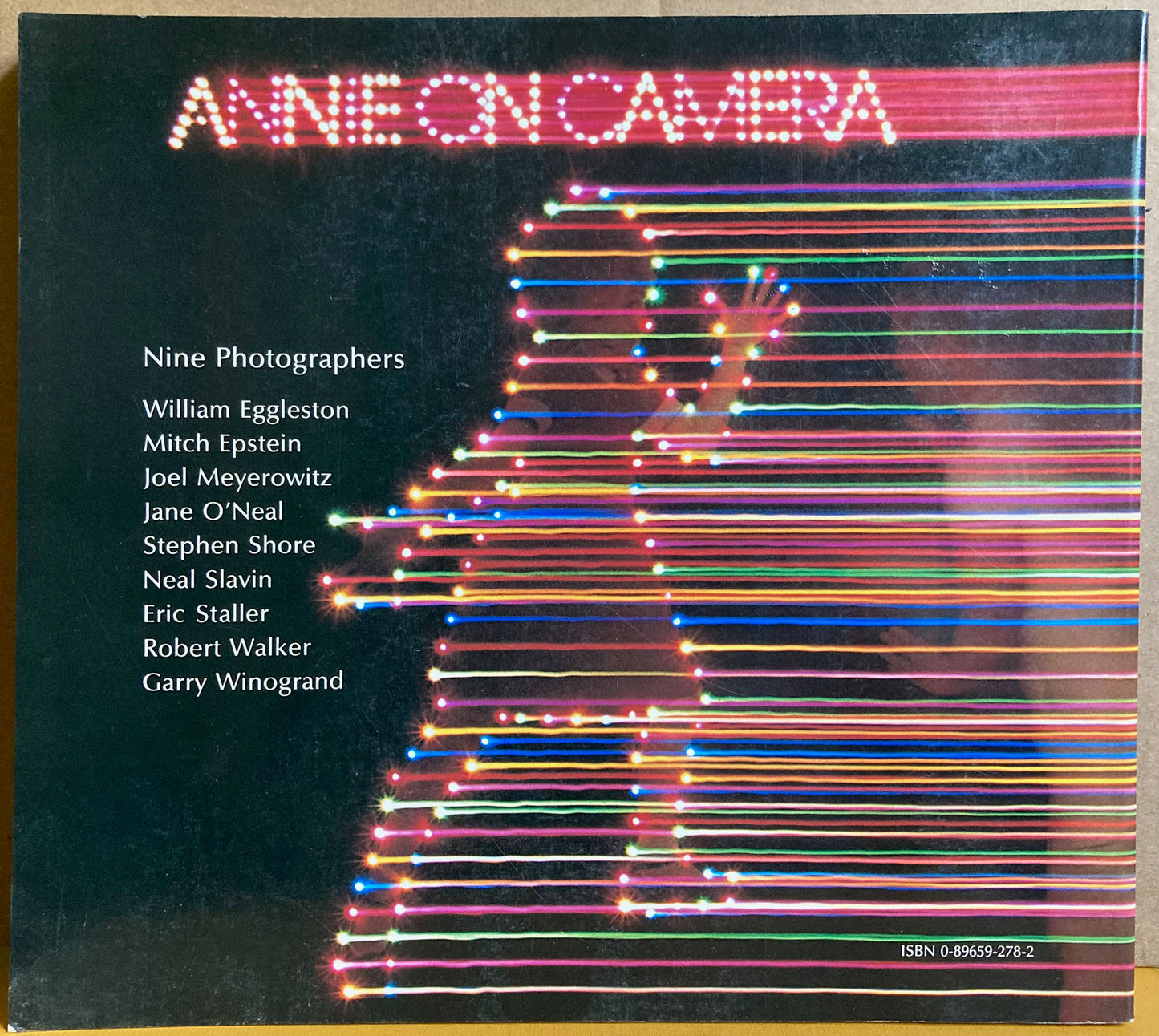
Winogrand, Garry, et al. Annie on Camera. Nine Photographers by Anne H. Hoy (text).
Winogrand, Garry, et al. Annie on Camera. Nine Photographers by Anne H. Hoy (text).
Couldn't load pickup availability
Abbeville Press, 1982. Illustrated stiff wraps, very good with crimps upper left of front cover. Nine photographers, each in a distinctive style, photographed the movie Annie, directed by John Huston, while in production. The photographers: William Eggleston; Mitch Epstein; Joel Meyerowitz; Jane O'Neal; Stephen Shore; Neal Slavin; Eric Staller; Robert Walker; and Garry Winogrand. 192 pages with informative introductions to each photographer's portfolio by Hoy. Summary:
Annie on Camera: Nine Photographers (1982) is a unique intersection of cinema and fine-art photography. Edited and with an essay by Anne H. Hoy, the book documents a creative experiment where nine world-class photographers were invited to the set of John Huston’s 1982 film Annie to interpret the production through their own distinct lenses.
Key Themes and Creative Concept
-
The "Artistic Witness" approach: Rather than traditional "unit still" photography used for marketing, the project encouraged the photographers to treat the film set—a massive, $10 million recreation of 1930s New York—as a found object or a surreal landscape.
-
The Nine Perspectives: The book features work by a "who’s who" of 20th-century photography, including:
-
William Eggleston: Known for his pioneering color work, he captured the vivid, saturated textures of the sets.
-
Stephen Shore: Focused on the quiet, architectural details of the Depression-era recreations.
-
Joel Meyerowitz: Utilized his "street photography" sensibility to find candid moments amidst the artificial chaos.
-
Robert Walker, Garry Winogrand, Mitch Epstein, Jane Cortell, Neal Slavin, and Eric Staller: Each contributed a unique stylistic layer, from Winogrand’s tilted, kinetic energy to Staller’s nocturnal light studies.
-
-
Artificial Reality: A central theme of the text is the "doubling" of reality—photographers who usually document the real world were suddenly documenting a meticulously crafted fake world, creating a meta-commentary on the nature of truth in photography.
Significance
Annie on Camera is highly regarded as a rare successful collaboration between Hollywood and the high-art photography world. It serves as both a high-end "making-of" document and a serious portfolio of New Color and Street Photography, showing how the same subject can be radically transformed by different artistic temperaments.
Garry Winogrand (1928–1984) was a seminal American street photographer whose fast-paced, intuitive documentation of post-World War II life redefined mid-century visual culture. Born and raised in New York City, Winogrand worked with a 35mm Leica camera and wide-angle lenses, pioneering a signature dynamic style characterized by tilted horizons, rapid-fire exposures, and a raw visual complexity that captured the energy, anxieties, and absurdities of American society.Championed by MoMA photography curator John Szarkowski, Winogrand gained major prominence alongside Diane Arbus and Lee Friedlander in the landmark 1967 New Documents exhibition. Supported by three Guggenheim Fellowships, he published several influential monographs during his lifetime—including The Animals (1969), Women Are Beautiful (1975), and Public Relations (1977)—that explored diverse subjects ranging from Manhattan sidewalks and political rallies to zoos and airports. Intensely prolific, Winogrand prioritized the continuous act of photographing over editing, famously leaving behind thousands of unexposed and undeveloped rolls of film at the time of his death, solidifying his legacy as one of the most defining and obsessive figures in modern photojournalism and fine art photography.