Gary Saretzky Photo Books
Visual Studies. Eyes Across the Water. The Amsterdam Conference on Visual Anthropology and Sociology
Visual Studies. Eyes Across the Water. The Amsterdam Conference on Visual Anthropology and Sociology
Couldn't load pickup availability
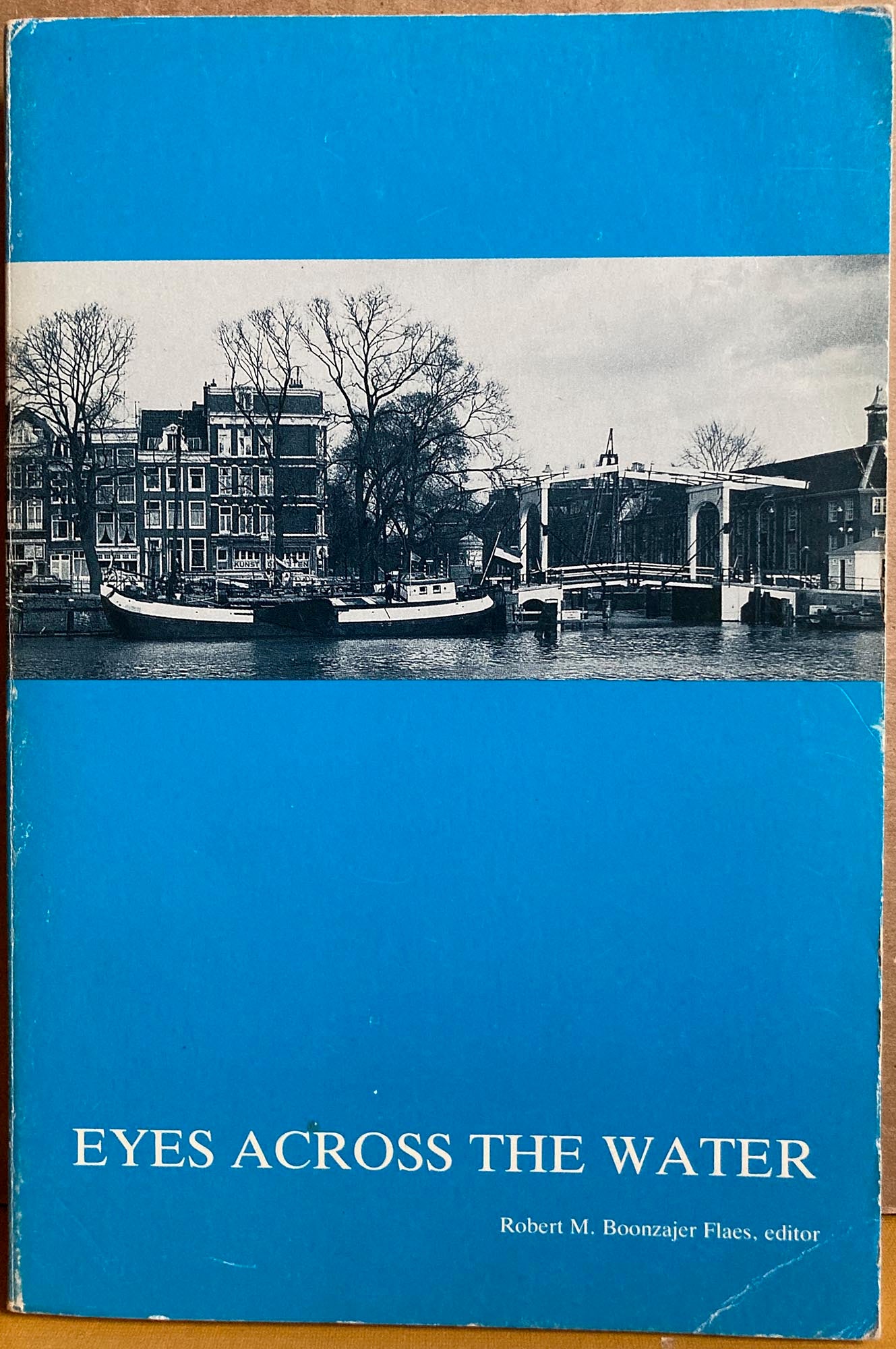
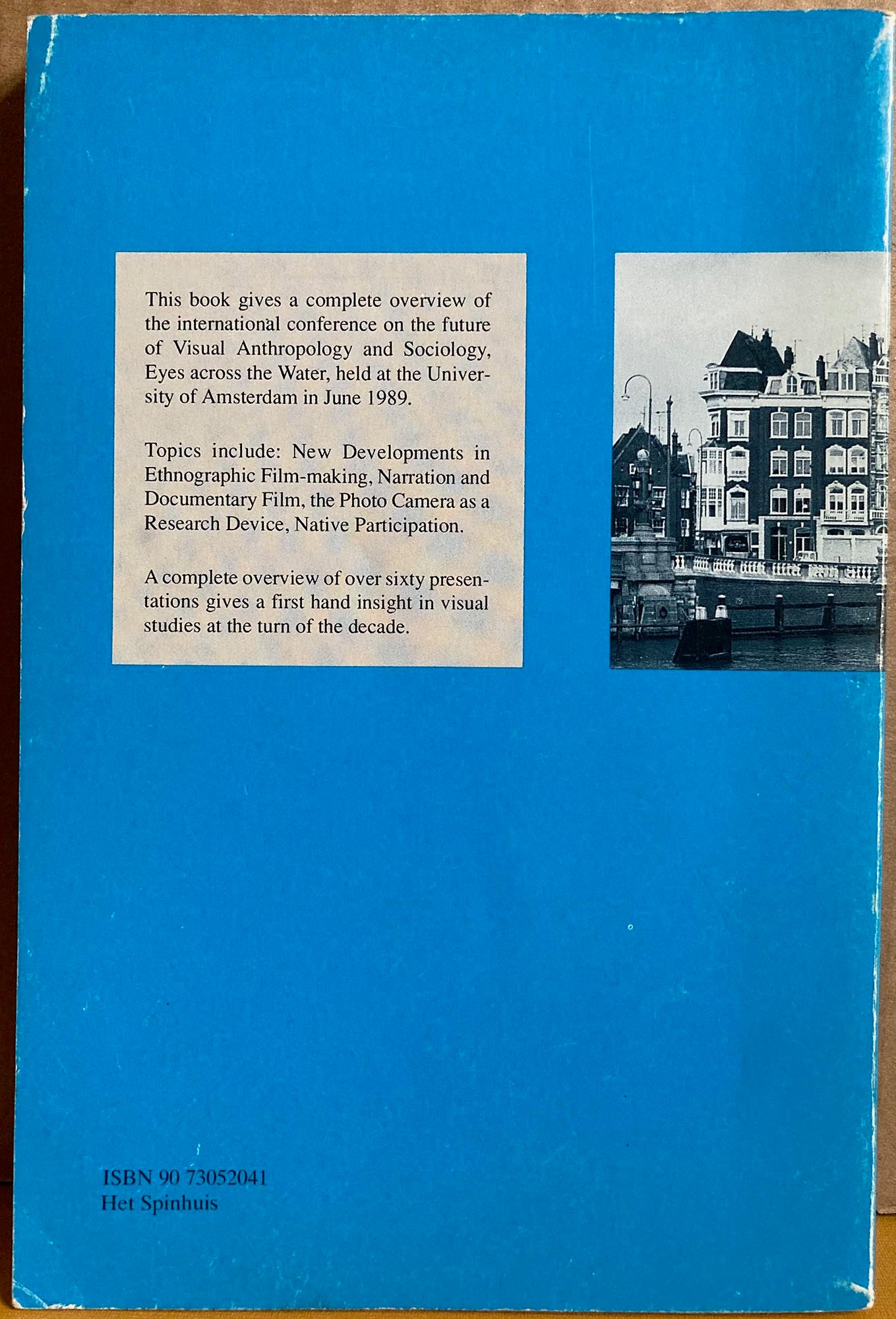
Het Spinhuis, Amsterdam, 1989. Edited by Robert M. Boonzajer Flaes. Wraps, near very good with cover crease and wear to extremities. 172 pages. Provides a complete overview of the international conference The Future of Visual Anthropology and Sociology, Eyes Across the Water, held at the University of Amsterdam in 1989. Topics include: New Developments in Ethnographic Film-making, Narration and Documentary Film, the Photo Camera as a Research Device, Native Participation, et al. The 20 papers feature several on photography, including “Photography and Anthropological Research: Three Case Studies” by Paolo Chiozzi; “The Sociological Imagination and Documentary Still Photography: The Interrogatory Stance” by Charles S. Suchar; and “Lines of Descent: Photography for Evidence or Interpretation? by Terence Wright. Back matter incudes list of films and videos screened at the conference and a list of conference participants with their affiliations. Text in English. Summary:
Eyes Across the Water: The Amsterdam Conference on Visual Anthropology and Sociology is a collection of papers and discussions emerging from an international conference focused on the role of visual media in the social sciences. The volume brings together anthropologists, sociologists, filmmakers, and visual researchers to explore how images—photography, film, and video—function as tools for research, representation, and cross-cultural dialogue.
Core Themes
1. Visual Media as Research Method
The contributors examine photography and film not merely as illustrative supplements to written scholarship, but as independent forms of inquiry. Visual methods are presented as capable of revealing social realities, embodied practices, and cultural nuances that text alone may overlook.
2. Representation and Ethics
A central concern is the ethics of depicting others. The book addresses power dynamics between observer and subject, especially in cross-cultural contexts, and reflects on issues such as consent, authorship, and the potential for misrepresentation.
3. Cross-Cultural Communication
The title’s metaphor—“eyes across the water”—emphasizes dialogue between researchers and communities, as well as between different academic traditions and national contexts. Visual anthropology is framed as a bridge that allows mutual observation and understanding across social and geographic boundaries.
4. Reflexivity and Collaboration
Several contributions highlight participatory and reflexive approaches, where subjects become collaborators in the production of images. This shift challenges earlier documentary traditions that positioned researchers as detached observers.
5. Theoretical and Methodological Debates
The volume also engages with broader theoretical questions: What distinguishes visual anthropology from documentary filmmaking? How do images produce knowledge? What standards of rigor apply to visual research?
Overall Significance
Eyes Across the Water captures a formative moment in the development of visual anthropology and visual sociology. It reflects a field in transition—moving from viewing images as supplementary documentation toward recognizing them as central, theoretically grounded methods of social research. The book remains relevant for scholars interested in visual methodology, ethnographic film, and the politics of representation.