Gary Saretzky Photo Books
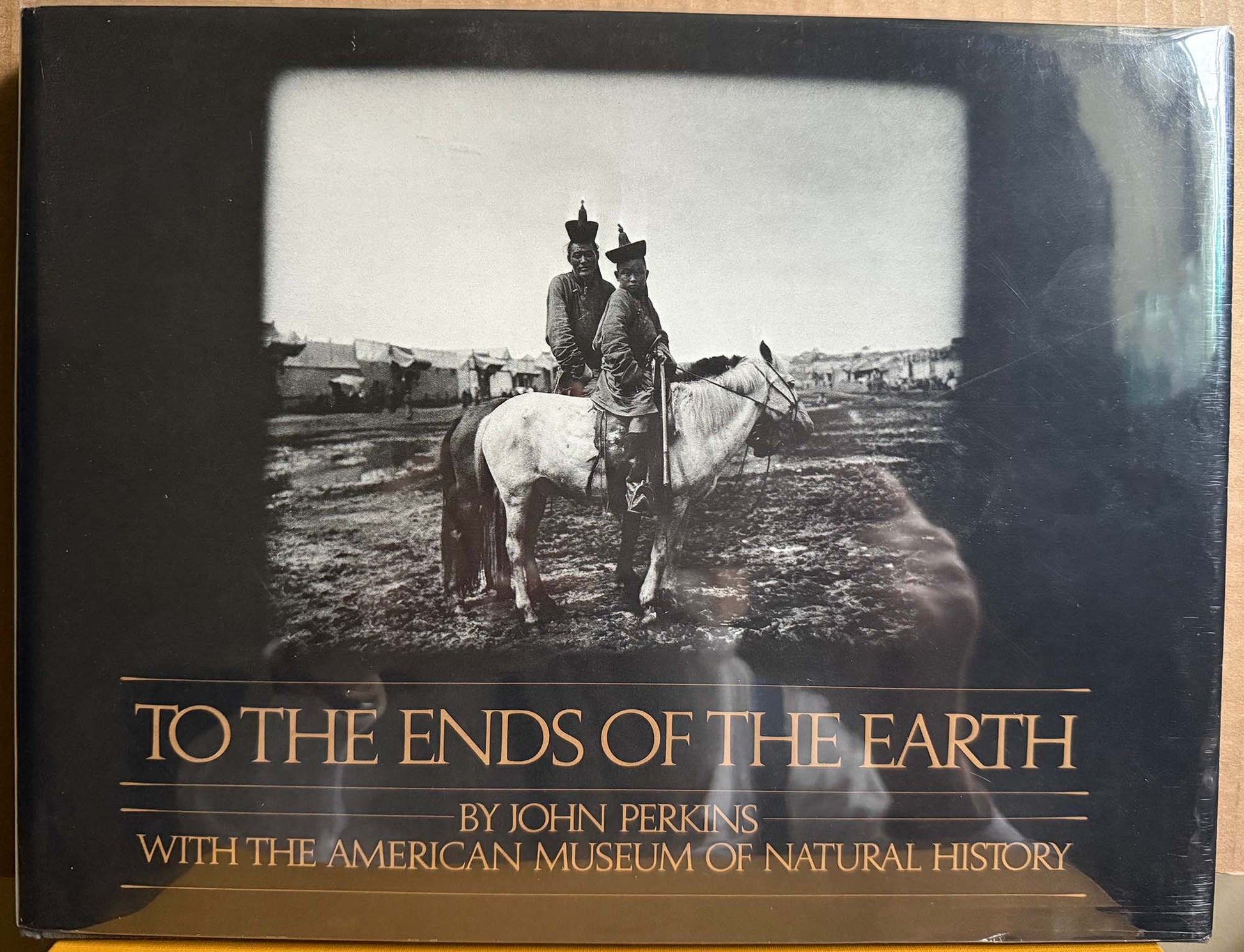
To the Ends of the Earth: Four Expeditions to the Arctic, the Congo, the Gobi, and Siberia by John Perkins.
To the Ends of the Earth: Four Expeditions to the Arctic, the Congo, the Gobi, and Siberia by John Perkins.
Couldn't load pickup availability
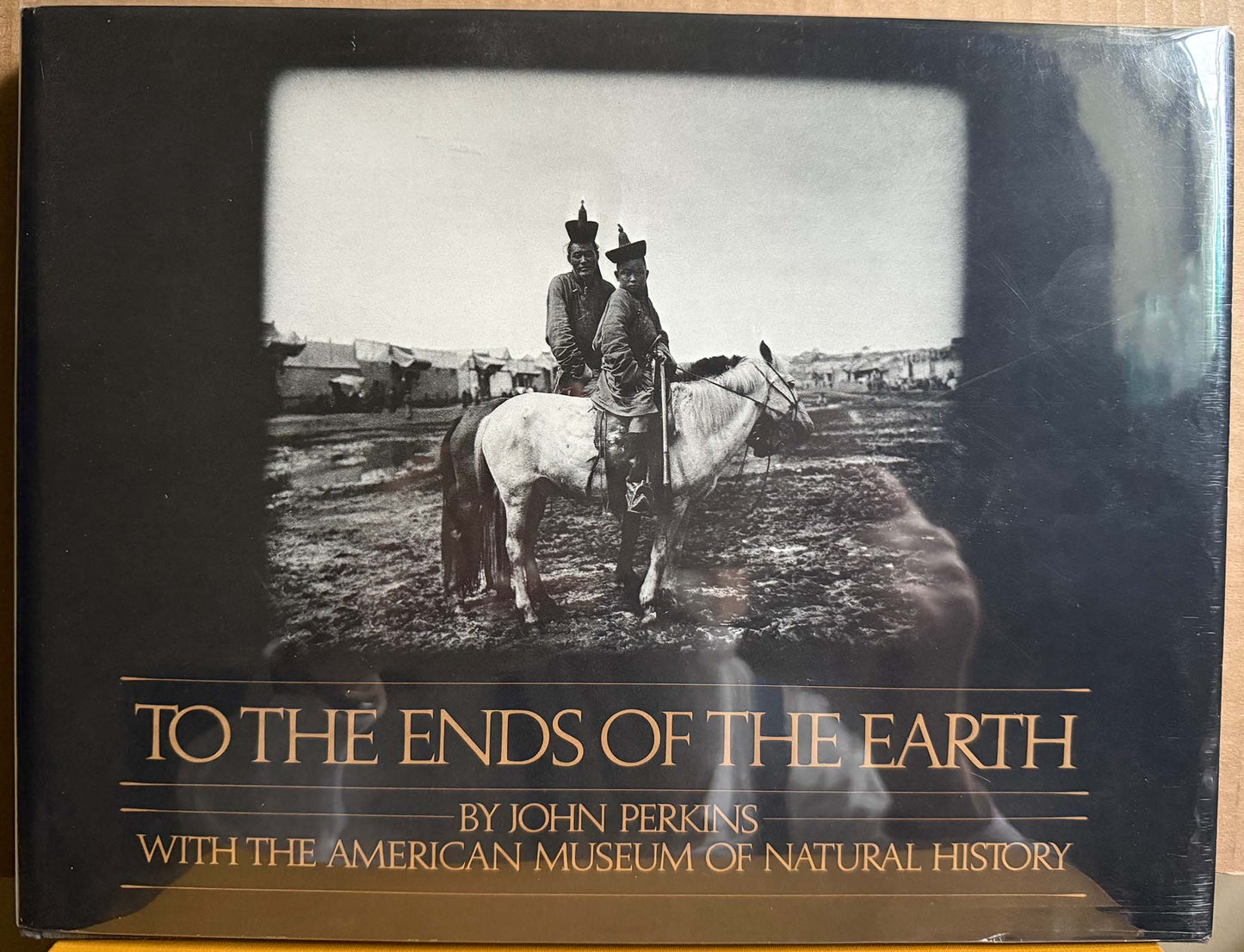
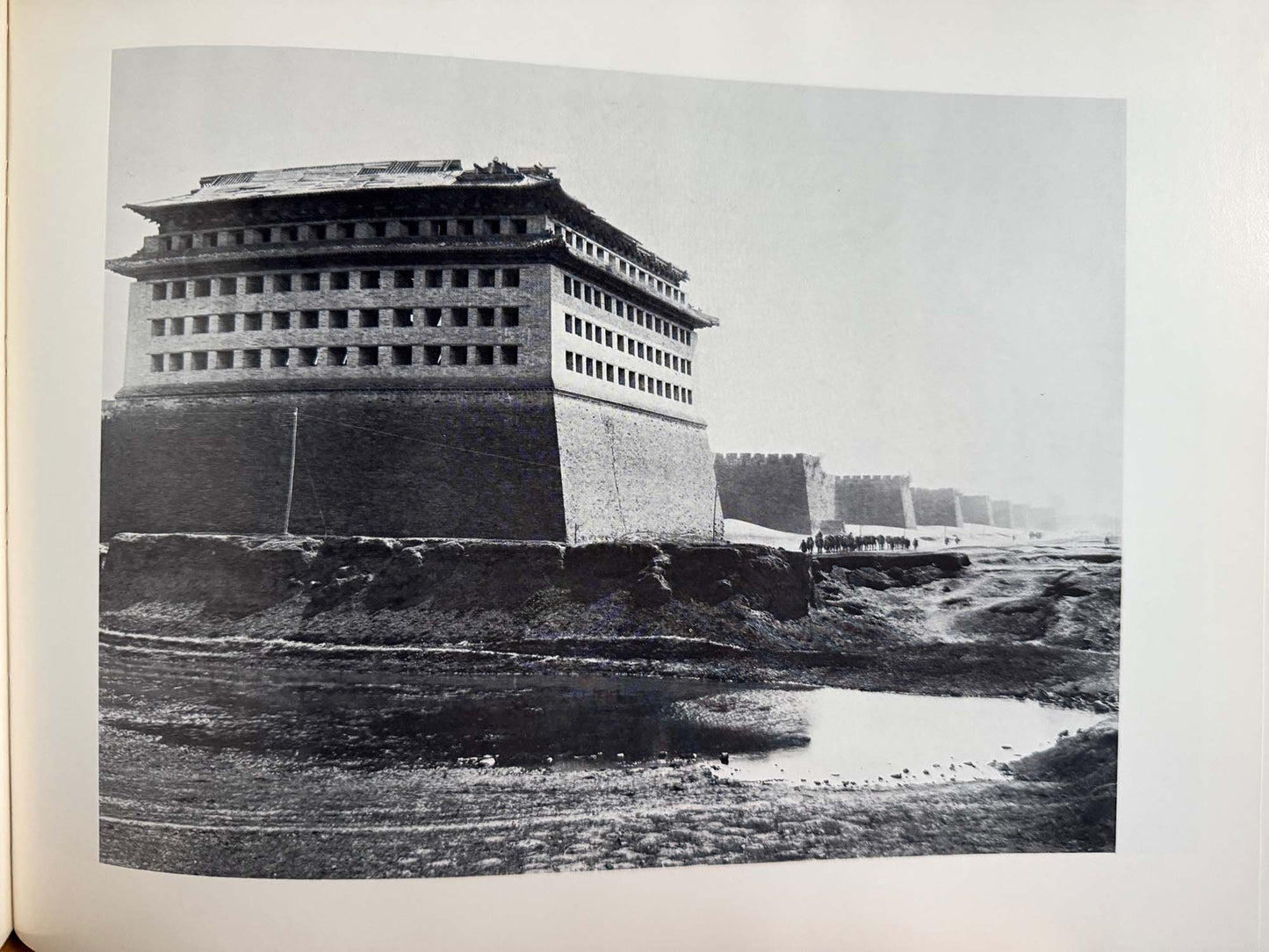
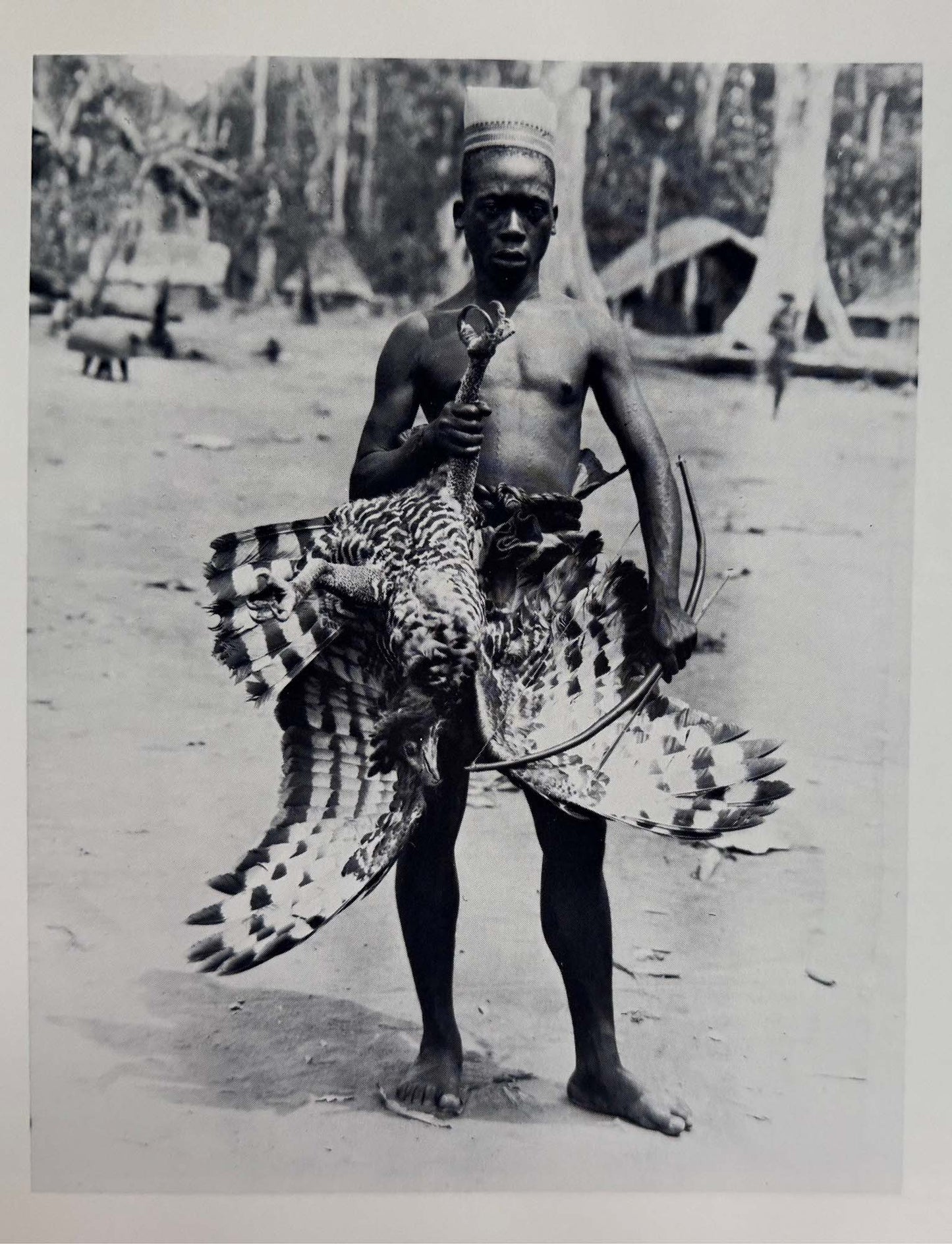
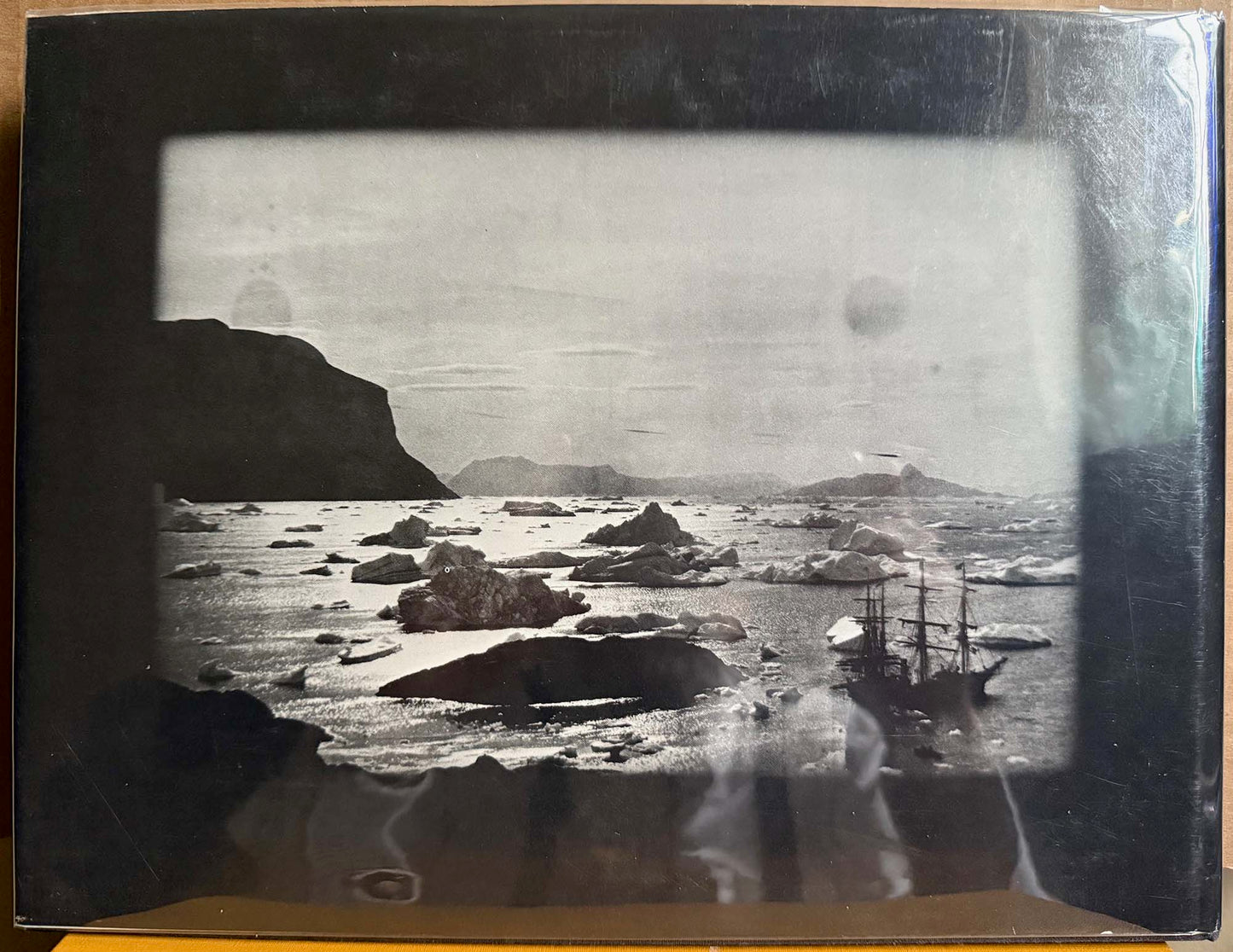
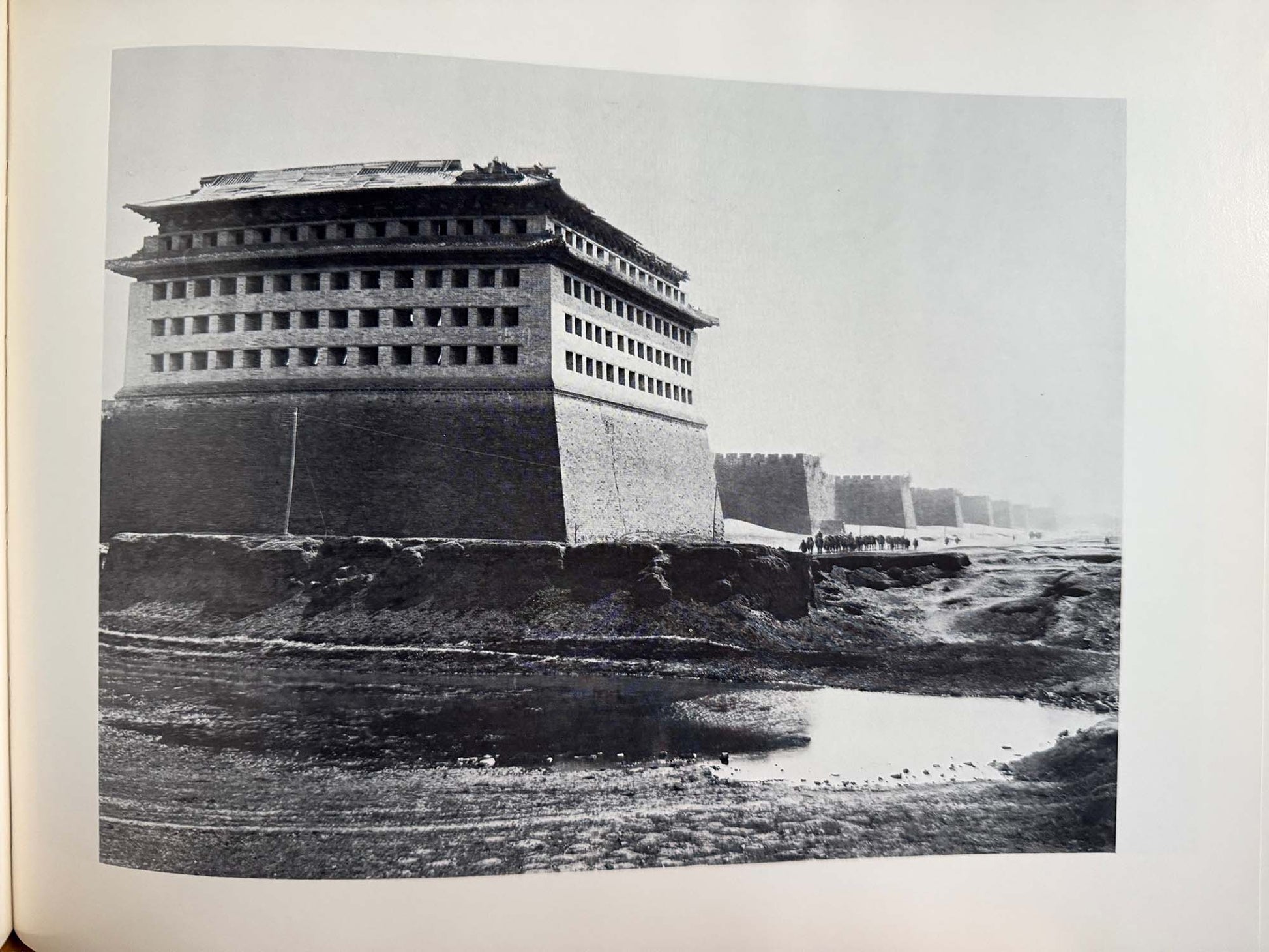
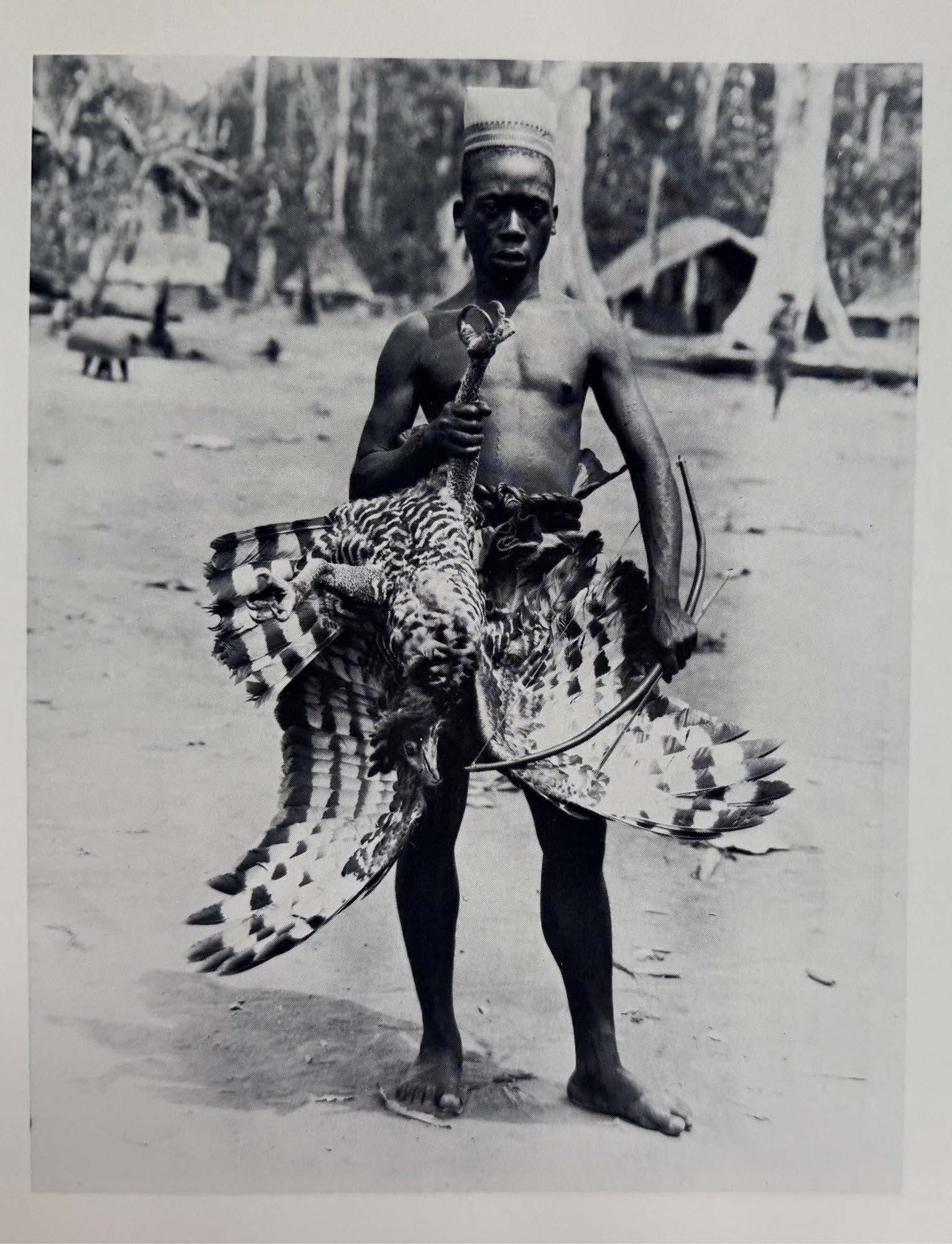
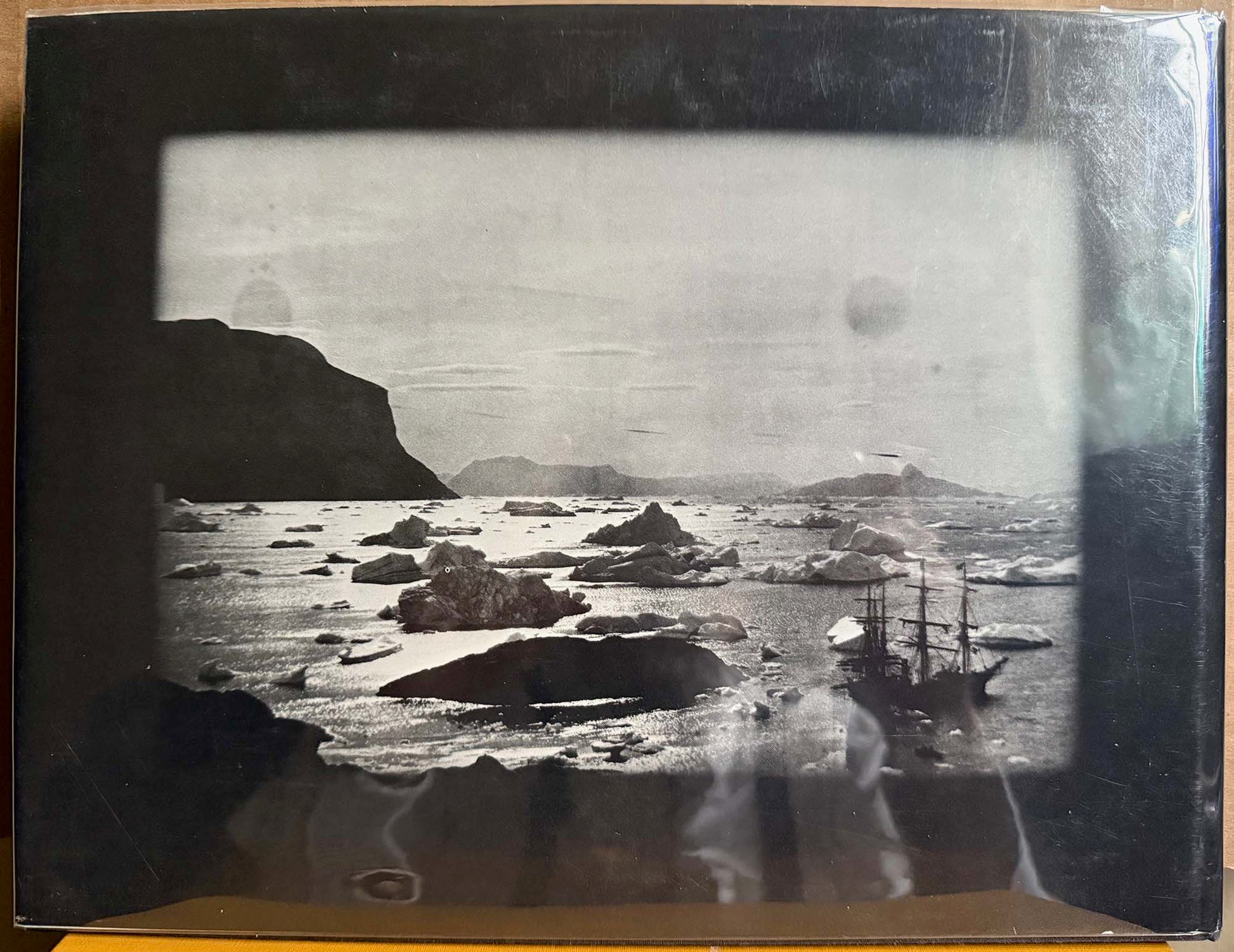
Pantheon, 1981. First edition. Hardcover with protected dust jacket. Like new. 184 pages. In the early 1900s, the American Museum of Natural History sponsored four expeditions of exploration. With 80 photographs from the museum’s archives, author John Perkins traces the journeys of Admiral Peary to the North Pole, Roy Chapman Andrews to the Gobi Desert in search of the dinosaur, naturalists Herbert Lang and James Chapin into the Congo, and Waldemar Jochelson and Waldemar Bogoras by skin boat and dog sledge to the tribes of Siberia. Note: Photos below of covers were taken with dust jacket protector on. Imperfections showing are on protector, not the jacket. Summary:
Overview:
To the Ends of the Earth is a nonfiction travel and exploration book in which John Perkins recounts four major journeys he made to some of the world’s most extreme and remote regions: the Arctic, the Congo, the Gobi Desert, and Siberia. The book combines firsthand narrative, cultural observation, and reflections on both environment and human experience in landscapes largely beyond the reach of everyday travel.
The Four Expeditions:
-
Arctic: Perkins travels into the high North — likely into Inuit and polar communities — confronting the harsh climate, ice, and isolation that define life near the top of the globe.
-
Congo: In the deep rainforests and waterways of central Africa, he describes journeys through environments shaped by dense jungle, powerful rivers, and the complex histories of colonialism and local cultures.
-
Gobi Desert: In the vast, arid expanses of Mongolia’s Gobi, Perkins experiences the stark beauty and survival challenges of one of Earth’s great deserts, observing nomadic life and the desert’s rhythms.
-
Siberia: In Russia’s massive northern interior, the author explores frozen tundra and taiga, remote settlements, and the legacies of geography that shape both nature and human society.
Style and Content:
The narrative is illustrated with black-and-white photographs that enhance the text and give visual life to the landscapes and people Perkins encounters. His writing blends travelogue, personal reflection, and cultural insight, bringing readers not just to distant places, but into the rhythms of life in regions that are remote, challenging, and often misunderstood.
Themes:
Across these journeys, the book probes questions of survival in extreme environments, cultural interaction and respect, and the meaning of exploration itself. Rather than simply visiting foreign places, Perkins seeks to understand how landscape and climate shape human existence, and how individuals and communities adapt to some of the toughest conditions on Earth.
Significance:
To the Ends of the Earth occupies a niche between classic exploration literature and late-20th-century travel writing. It appeals to readers interested in remote geographies, field narratives, and the interplay between natural environments and human cultures in some of the planet’s most inhospitable settings.