Gary Saretzky Photo Books
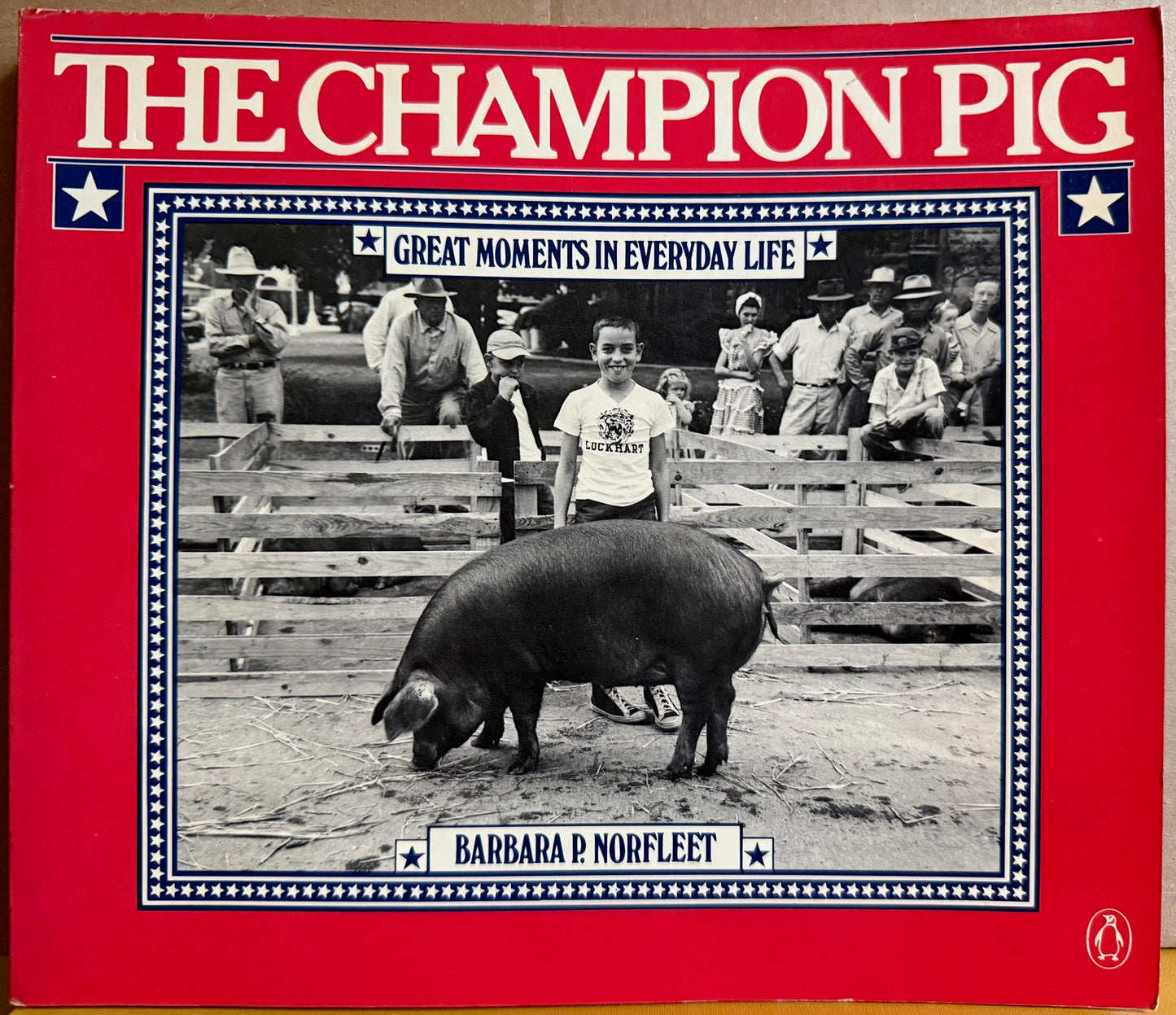
The Champion Pig. Great Moments in Everyday Life by Barbara P. Norfleet.
The Champion Pig. Great Moments in Everyday Life by Barbara P. Norfleet.
Couldn't load pickup availability
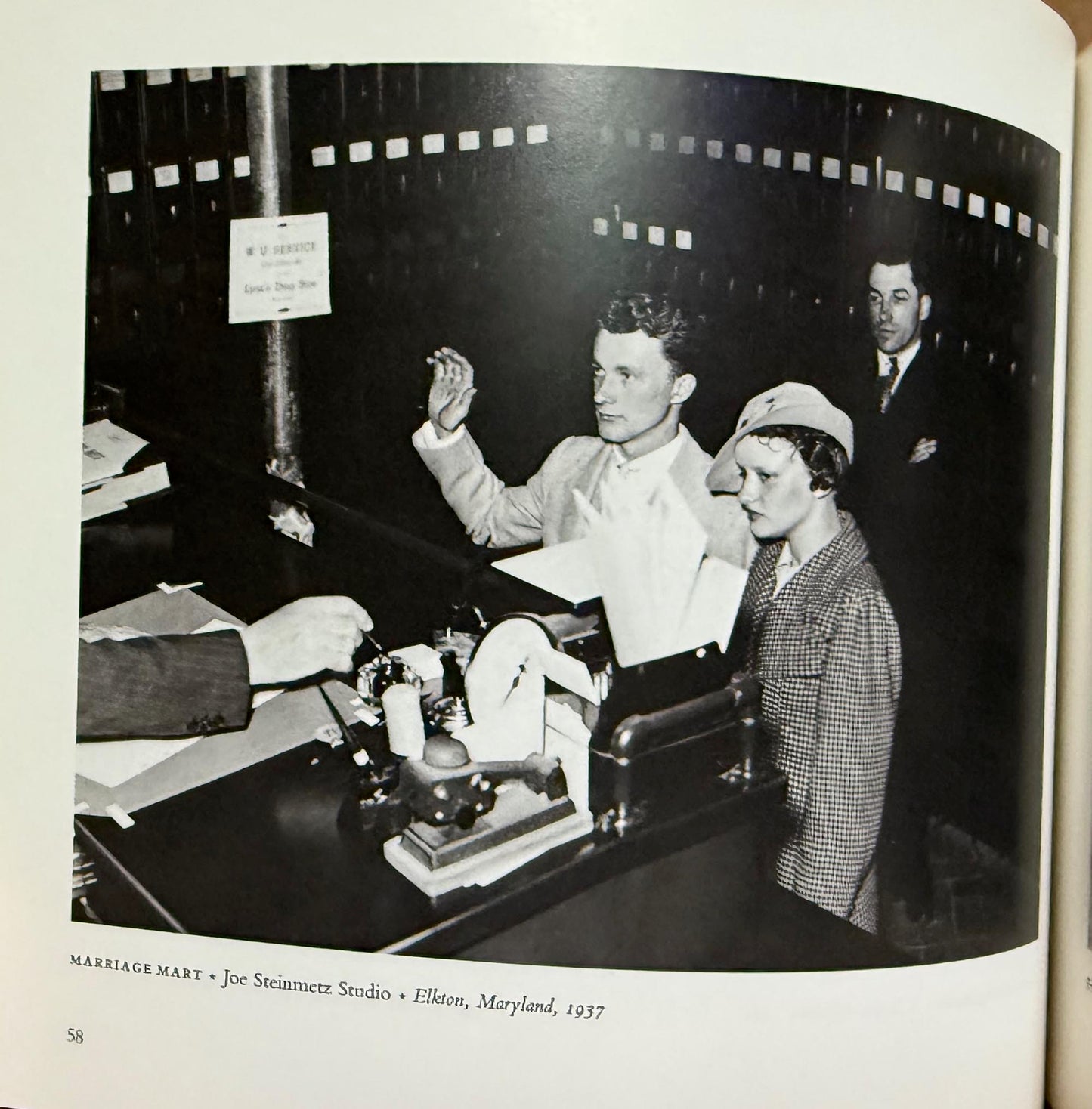
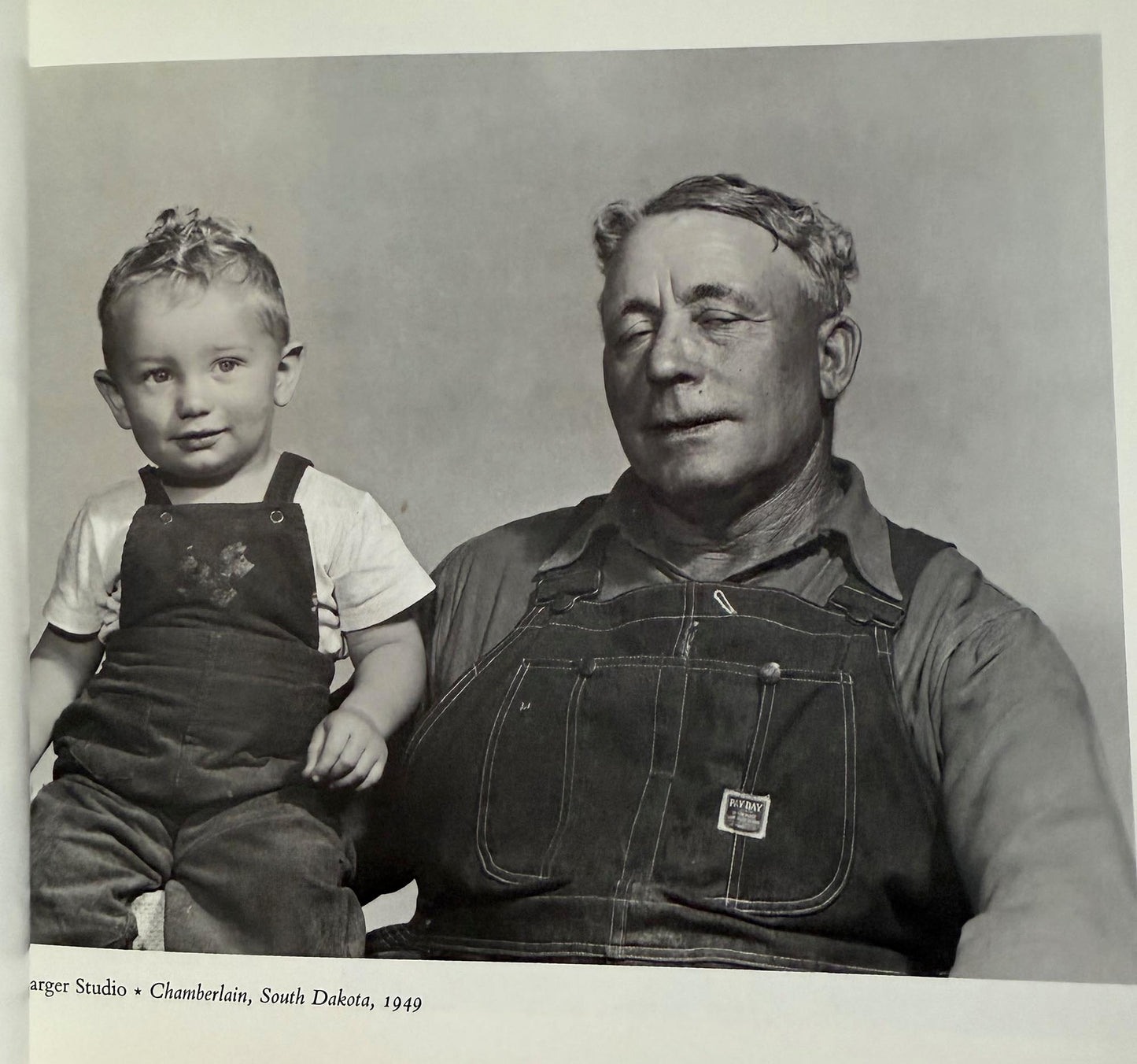
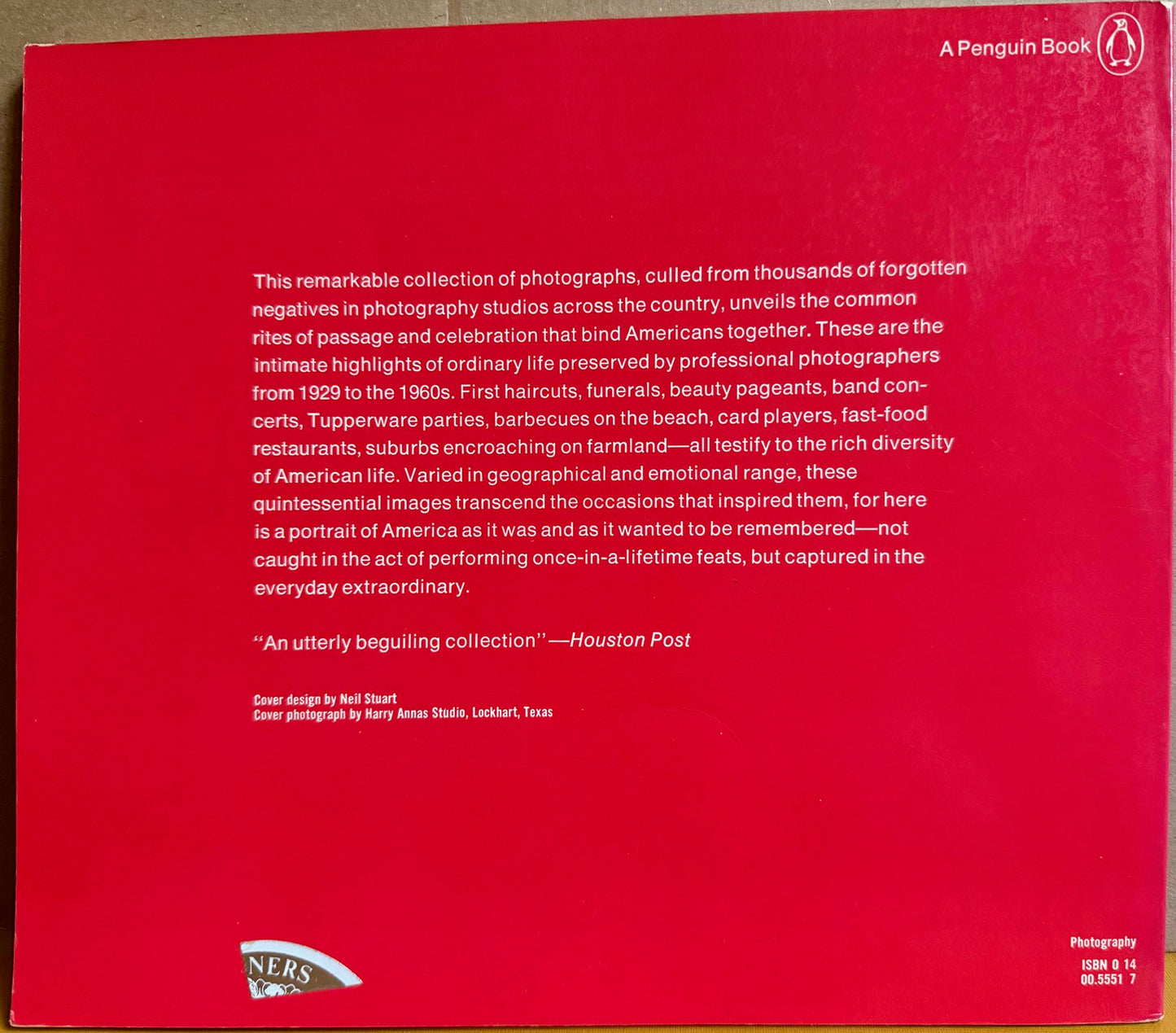
Penguin, 1980. Wraps, very good with minor cover wear and sticker remnant on back cover. A collection of black and white photographs made by studio photographers throughout the United States provides a record of America's rites of passage, daily rituals, prize possessions, and everyday activities from the mid-nineteenth century to the 1930s, featuring the photographs of Joe Steinmetz, George Durrette, Paul Gittings, Harry Annas, Francis J. Sullivan, Jack Rodden, and others. At time of publication, Norfleet was curator of photographs at The Carpenter Center for Visual Arts and lecturer on visual and environmental studies at Harvard University. Summary:
The Champion Pig: Great Moments in Everyday Life by Barbara P. Norfleet (first published 1979) is a striking visual anthology of vernacular photography that celebrates ordinary life in mid-20th-century America through compelling and often humorous black-and-white images. The book brings together photographs sourced from small-town professional studio archives, newspaper offices, and regional photographers’ collections—many of which had previously been overlooked by mainstream art institutions.
Rather than presenting formal studio portraits in the traditional fine-art context, Norfleet highlights moments that might otherwise be dismissed as mundane—snapshots of county fairs, family celebrations, school events, holiday gatherings, community parades, pets, everyday work, and other slices of life that reveal the rhythms of American social experience from roughly the 1920s through the 1950s.
Through its subtitle, Great Moments in Everyday Life, the book underscores Norfleet’s curatorial intent: to encourage viewers to look beyond aesthetic form and consider how photographs reflect social contexts, cultural values, and lived experience. This perspective builds on a broader shift in photographic curation that values vernacular images not merely as curiosities, but as documents of cultural history and collective identity.
The cover image—a boy beaming beside his “champion pig”—captures the tone of the volume: scenes that are at once ordinary, amusing, poignant, and revealing of human character. The Champion Pig helped broaden the appreciation of everyday photography, influencing later interest in vernacular images and their place in art and cultural studies.
Barbara Pugh Norfleet (born 1926) is an American documentary photographer, curator, author, and social scientist known for applying a sociological lens to photography. Raised in New Jersey, she earned a degree from Swarthmore College and a PhD in social psychology from Harvard University. In 1970, she transitioned into photography and curation, founding and directing a landmark photographic archive on American social history at Harvard's Fogg Art Museum while serving as a senior lecturer in Visual and Environmental Studies. Her own work—celebrated for its incisive, witty examinations of class, social rituals, leisure, and the environmental landscape—and her curatorial projects focusing on vernacular studio archives resulted in influential publications like The Champion Pig (1979), Manscape with Beasts (1990), and All the Right People (1986). A recipient of Guggenheim and National Endowment for the Arts fellowships, Norfleet built a reputation as a pioneer who broadened the scope of documentary photography by uncovering the cultural meaning embedded in everyday American imagery.