
Gary Saretzky Photo Books
The Art of Retouching Photographic Negatives and Practical Directions How to Finish and Color Photographic Enlargements, Etc. 12th Edition, Revised and Enlarged.
The Art of Retouching Photographic Negatives and Practical Directions How to Finish and Color Photographic Enlargements, Etc. 12th Edition, Revised and Enlarged.
Couldn't load pickup availability
By Robert Johnson, et al. American Photographic Publishing Co., 1930. 16 plates plus other illustrations. 154 pages. Very good without dust jacket in red cloth. Wear at spine tips and corners. In two parts, Negative Retouching and Finishing and Coloring Photographs. Includes use of airbrush, etching away background, the Russian method of coloring photos with oil, tools, and many other topics. A comprehensive manual. Summary:
The Art of Retouching Photographic Negatives and Practical Directions How to Finish and Color Photographic Enlargements, Etc. (12th Edition) by Robert Johnson is a foundational technical manual from the "Golden Age" of photographic artifice. This edition represents the era when photography transitioned from a purely chemical record to a hybrid of mechanical capture and manual artistry, providing the definitive standards for Late Pictorialism.
Core Themes and Narrative
-
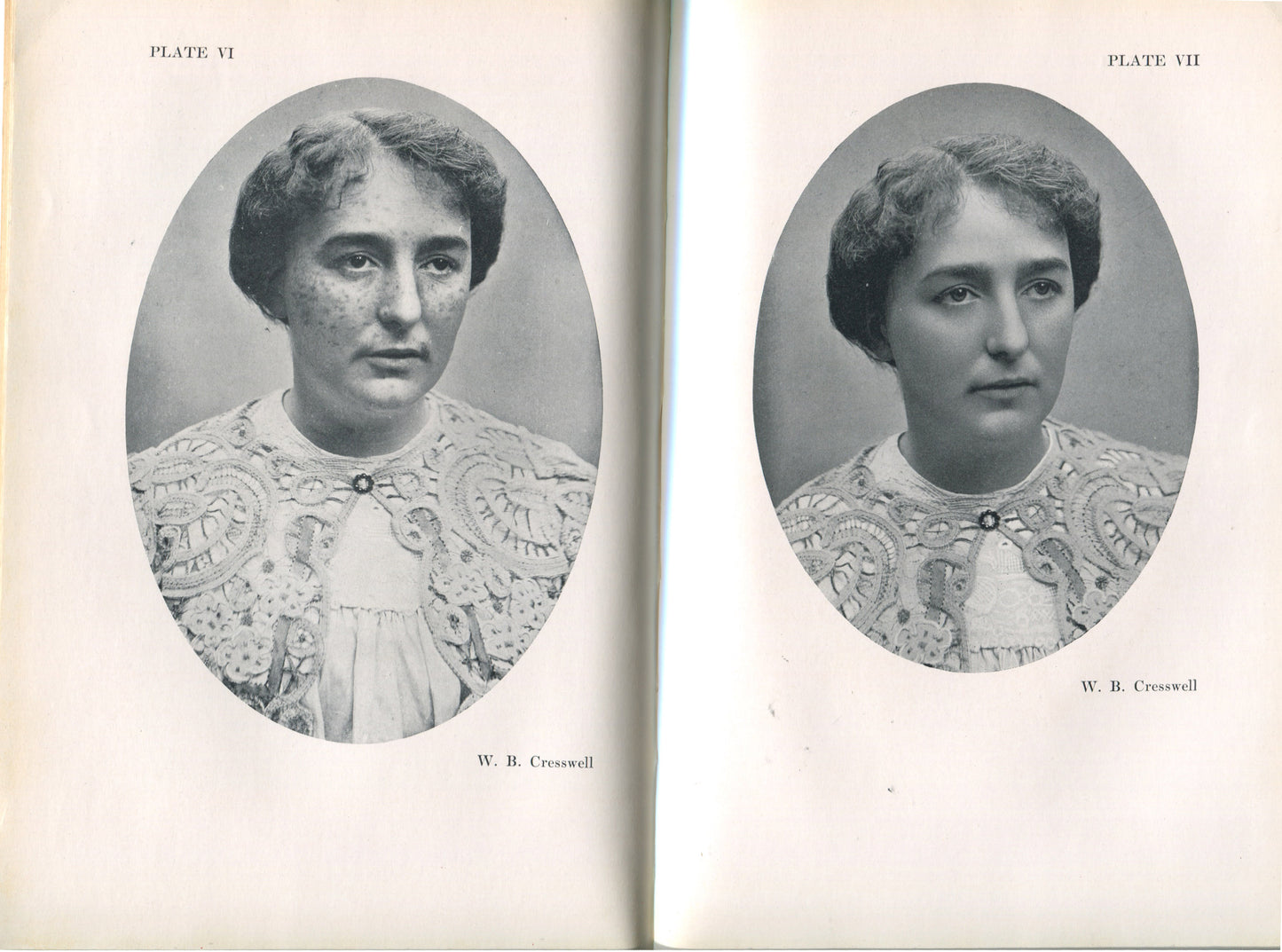
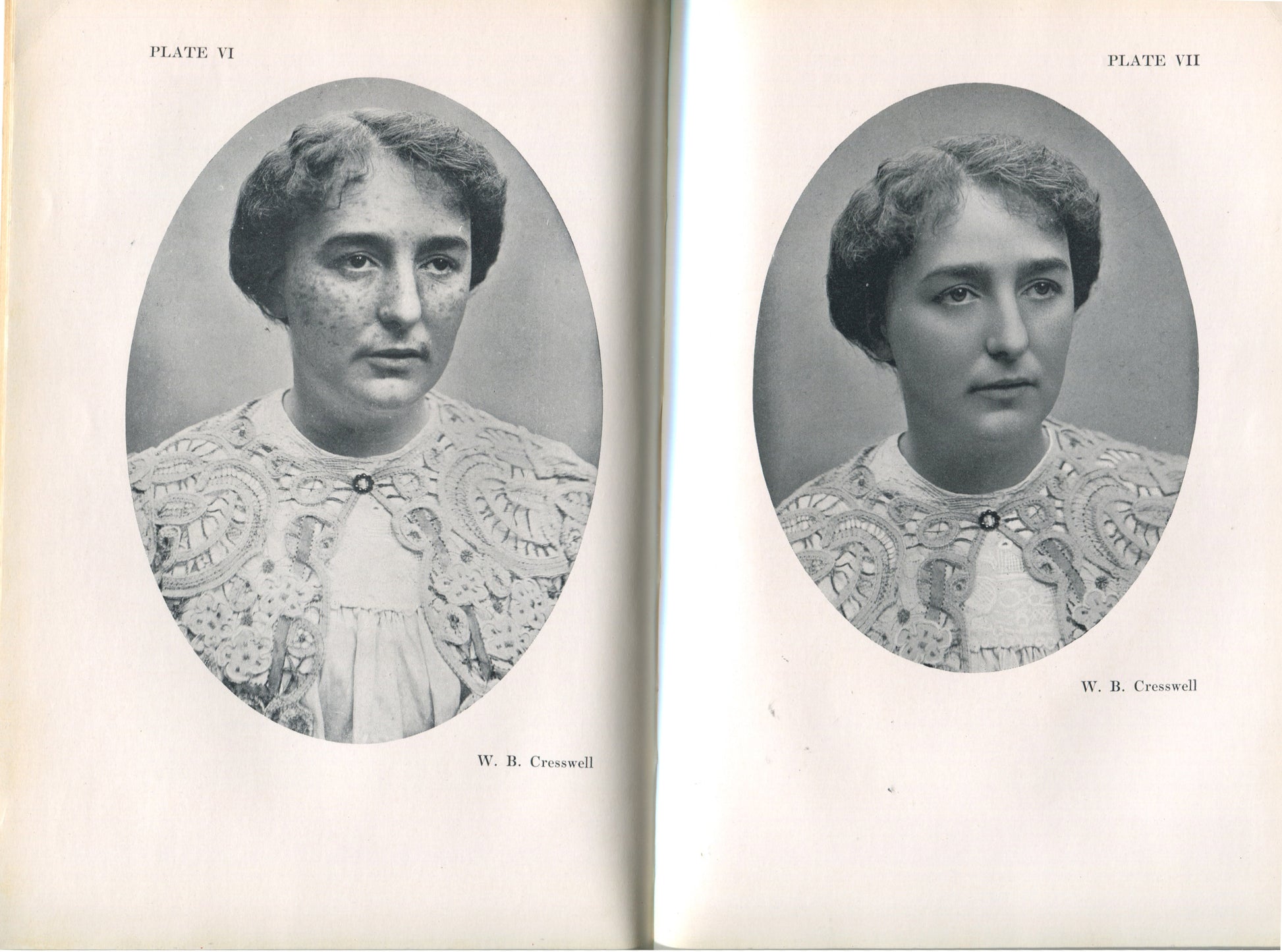
The "Improvement" of Nature: Johnson proceeds from the Victorian premise that the camera is a literal, often "cruel" observer. The book’s primary goal is to provide the photographer with the tools to "soften" reality—removing facial blemishes, adjusting bone structure, and harmonizing lighting that the primitive emulsions of the day could not handle.
-
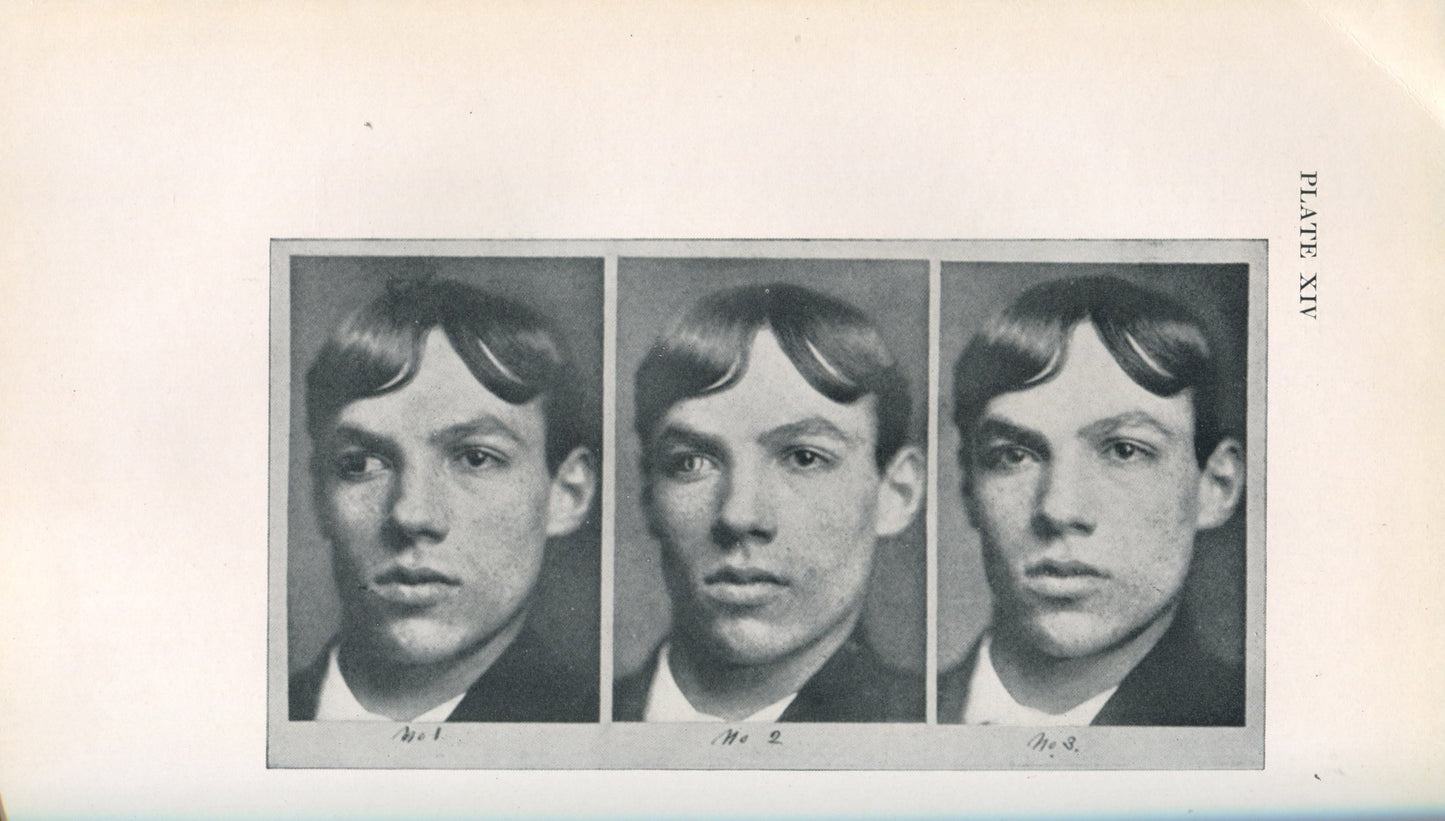
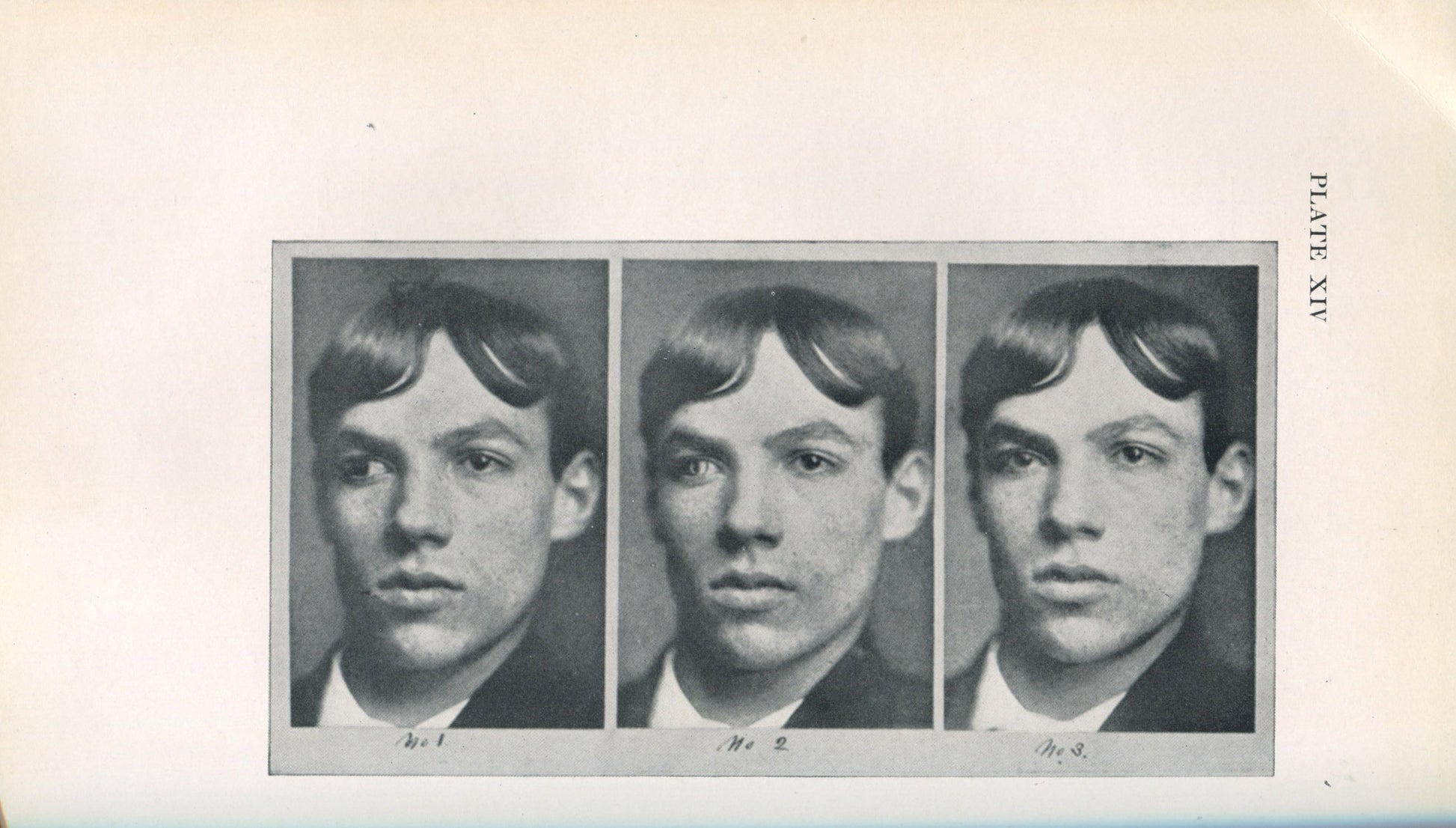
The Artist-Photographer: The manual positions the retoucher not as a mere technician, but as an artist. It emphasizes a deep knowledge of human anatomy, arguing that one must understand the "underlying bone and muscle" to properly retouch a portrait without destroying the subject's likeness.
-
The Multi-Medium Image: A significant portion of the book is dedicated to "Finishing" in the literal sense—using oils, watercolours, and Indian ink to colorize and complete black-and-white enlargements, effectively turning a photograph into a painting.
Visual and Technical "Finish"
-
The "Lead" and "Knife" Work: The text provides intricate directions on modifying the negative using graphite leads of varying hardness and the "etching knife" to scrape away over-exposed densities.
-
The "Stipple" and "Hatch": Johnson details the delicate brush and pencil strokes (stippling) required to blend textures on the print, creating the "smooth-as-porcelain" skin tones that defined 19th-century high-society portraiture.
-
The "Medium" of the Negative: It covers the application ofretouching medium" (a varnish) to give the film a "tooth" or texture that would accept the artist's pencil—a critical precursor to the high-gloss standards of the later 20th century.