Gary Saretzky Photo Books
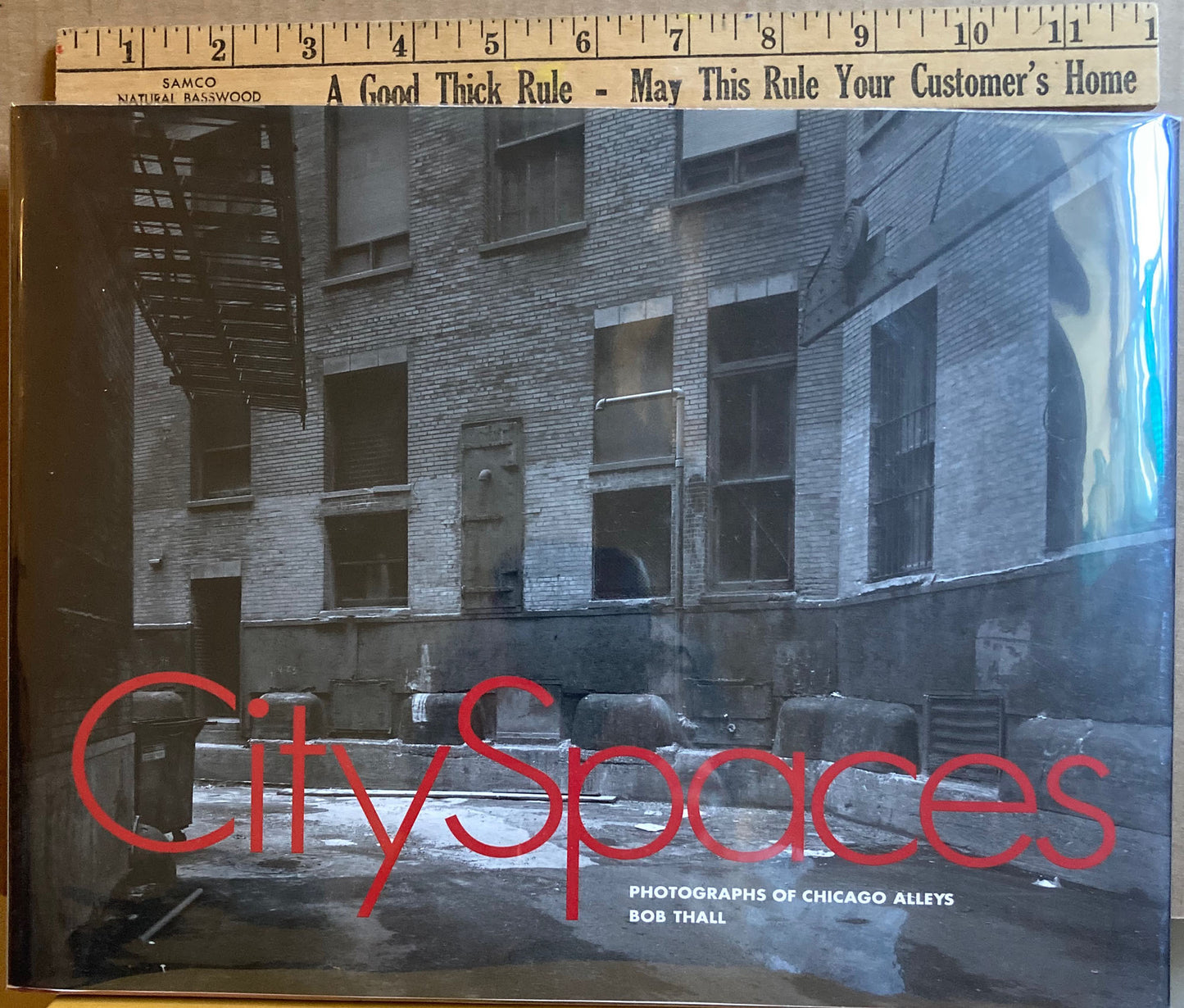
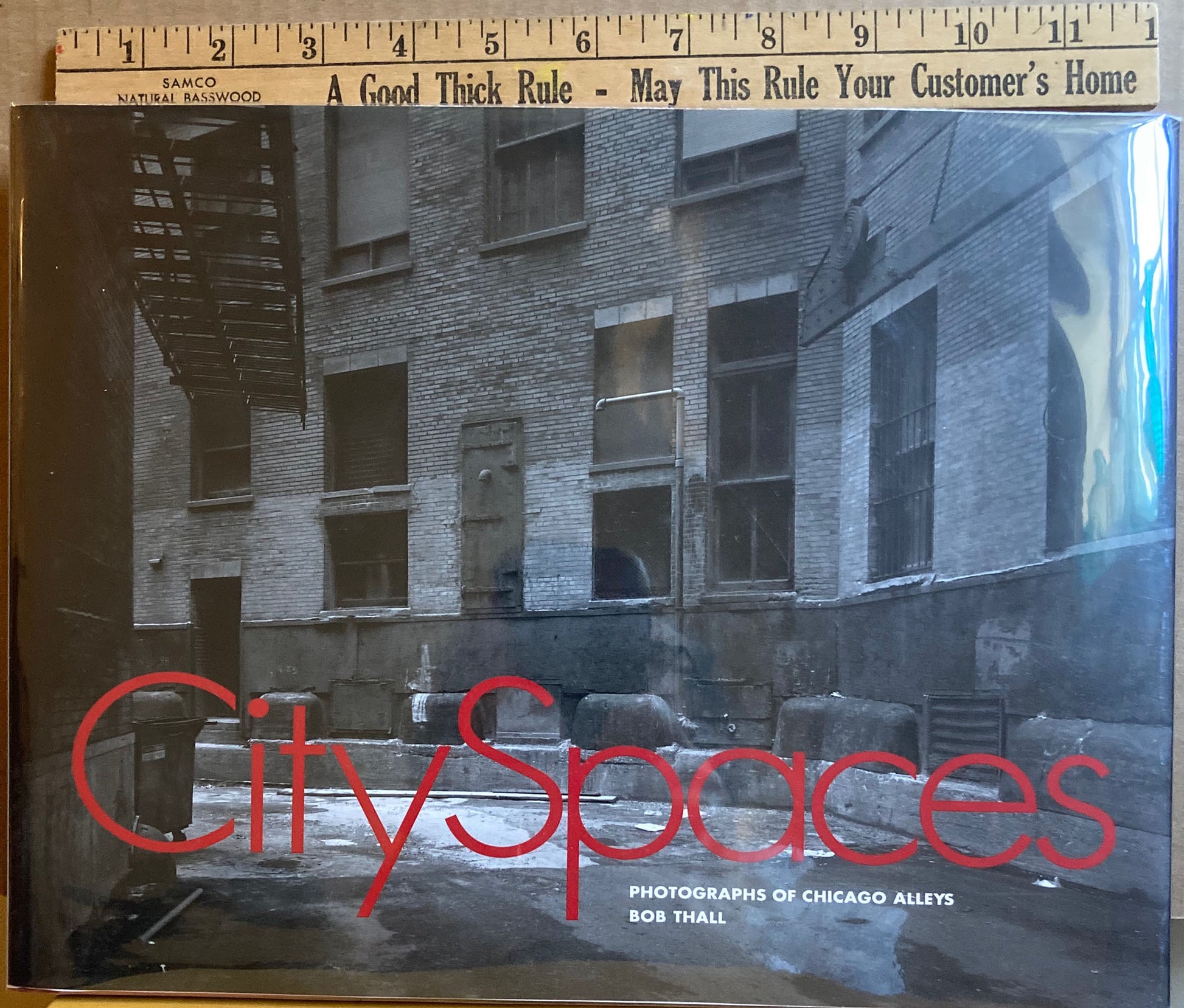
Thall, Bob. City Spaces: Photographs of Chicago Alleys. Photographs by Bob Thall.
Thall, Bob. City Spaces: Photographs of Chicago Alleys. Photographs by Bob Thall.
Couldn't load pickup availability
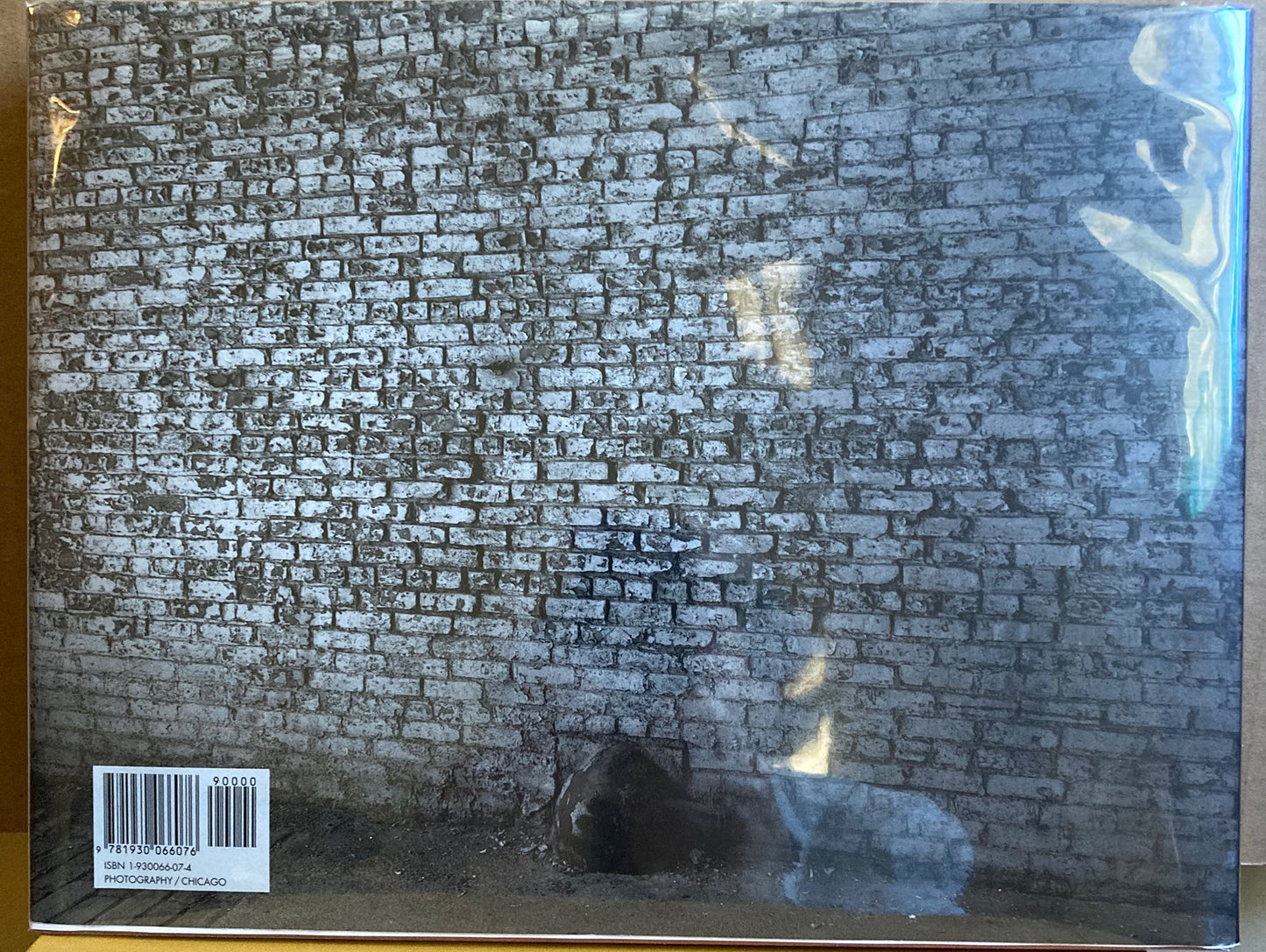
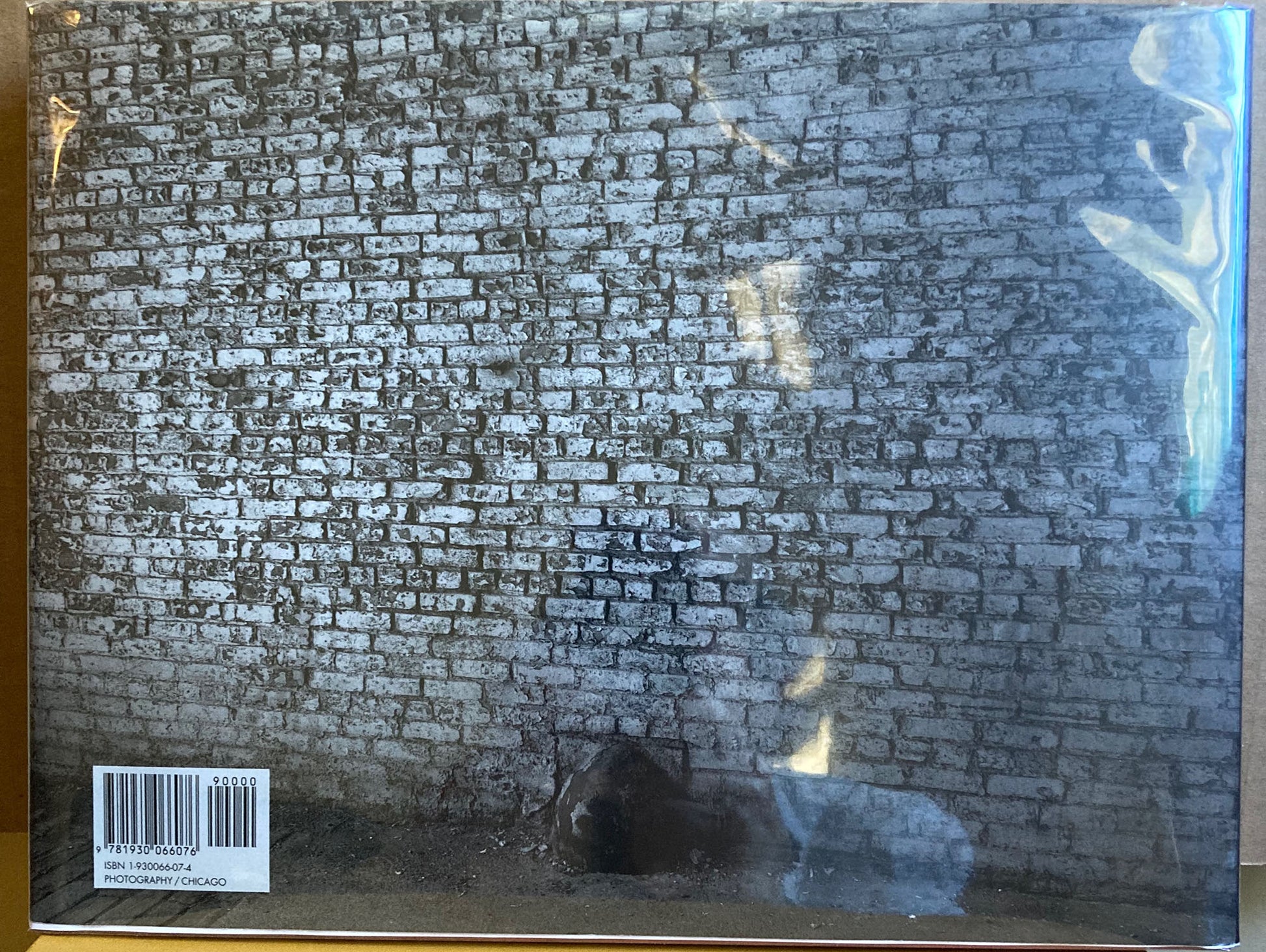
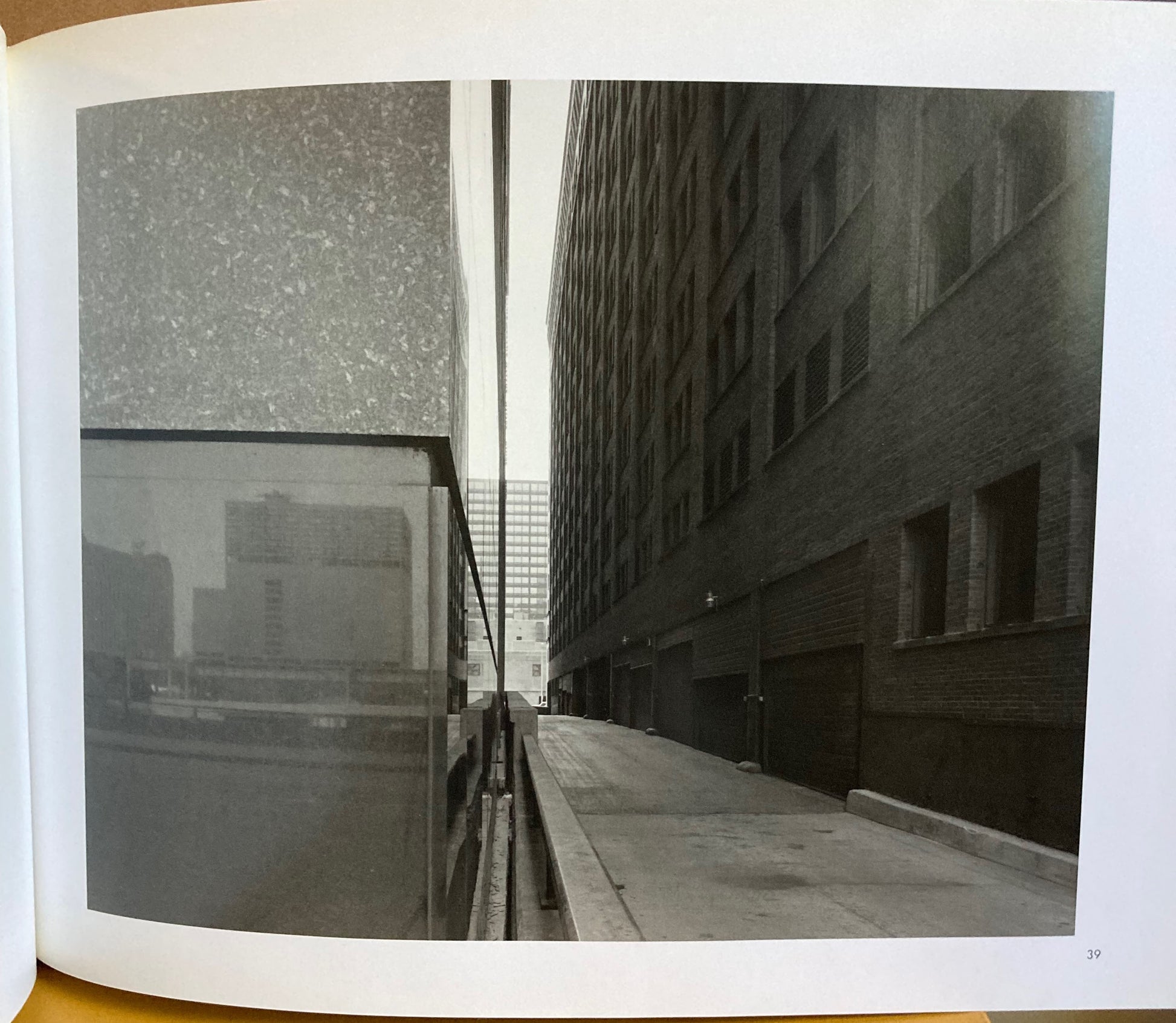
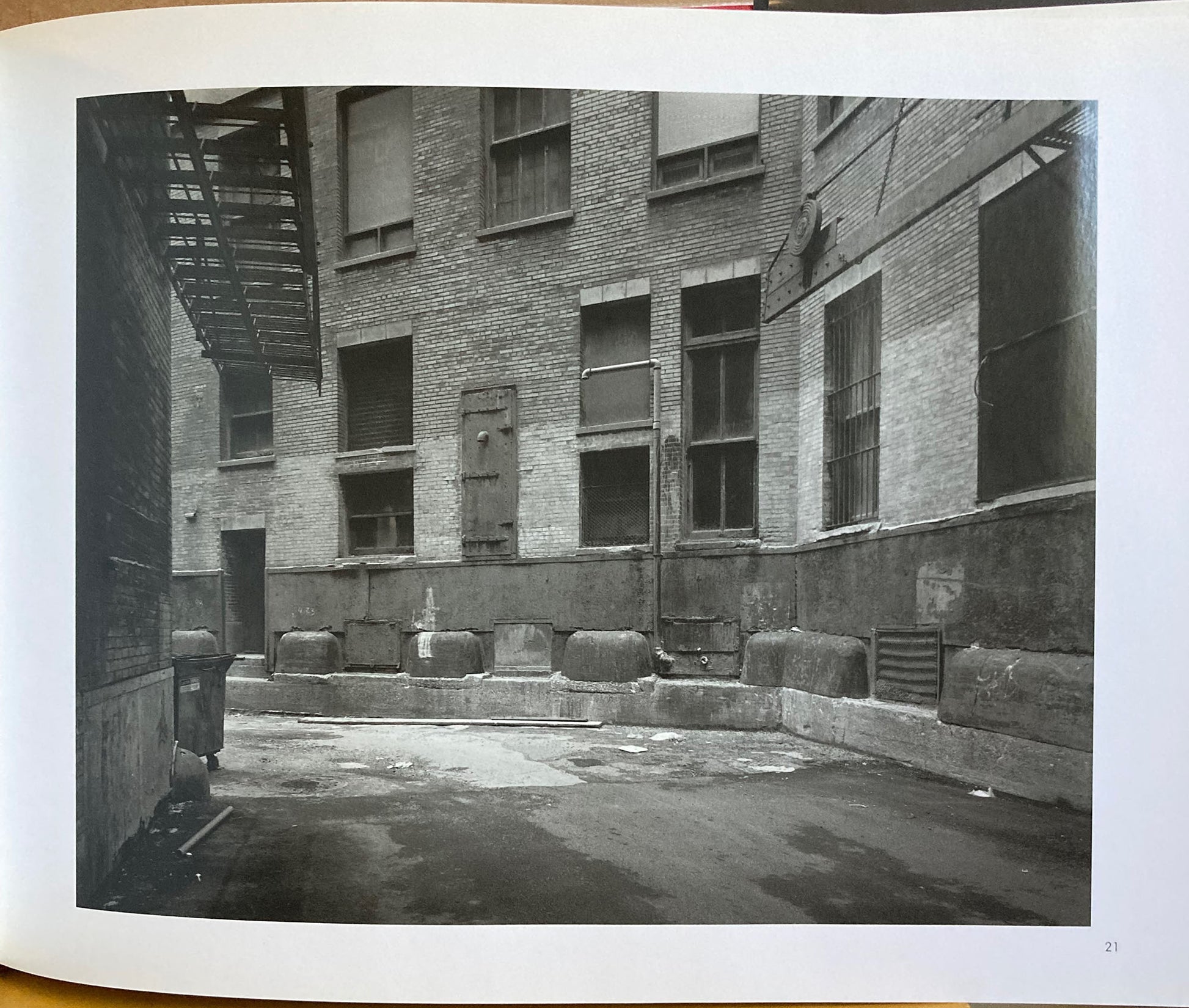
Center for American Places, 2002. First edition, first printing, Fine hardcover in red cloth with near fine protected dust jacket with a couple of tiny nicks at corners. 86 pages with black and white photographs by Thall, who began photographing Chicago in 1971. At time of publication, Thall was a professor and photography department chair at Columbia College in Chicago, from which he stepped down in 2011. A graduate of the University of Illinois Chicago, he is a past Guggenheim fellow and his work has been exhibited frequently and is in many prestigious museum collections such as the Museum of Modern Art, the Metropolitan Museum of Art, and the Art Institute of Chicago. This is his third book of photographs of Chicago. Finely printed photographs of urban architecture and spaces made with tritone separations on 150 gsm Silk Mediaprint paper. Afterword by Ross Miller. Summary:
City Spaces: Photographs of Chicago Alleys (2002) is a rigorous architectural and urban study by Bob Thall, a photographer renowned for his decades-long documentation of the Chicago landscape. Commissioned by the Commission on Chicago Landmarks, the book focuses exclusively on the "secondary" infrastructure of the city: its vast network of service alleys.
Core Themes and Visual Strategy
-
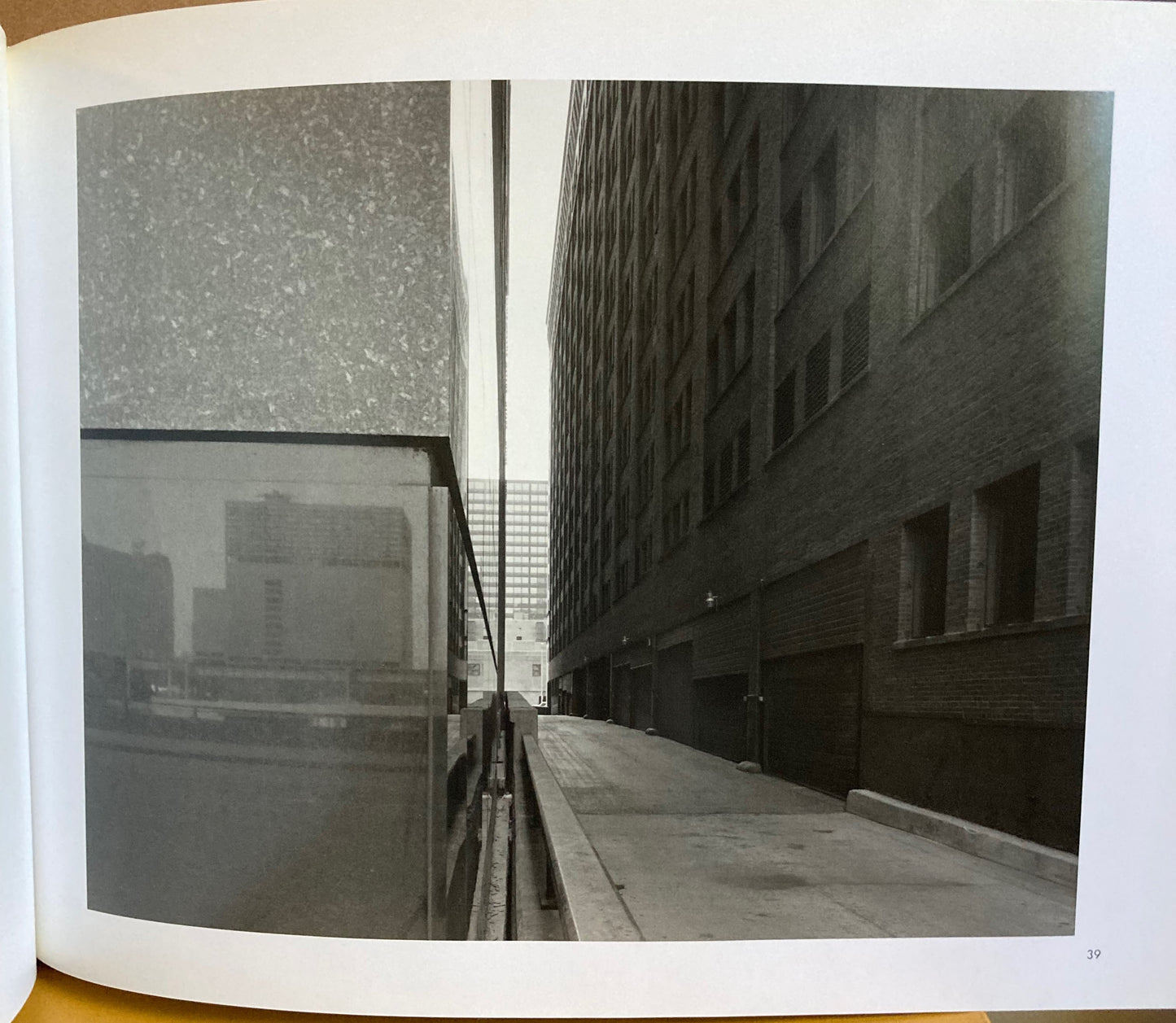
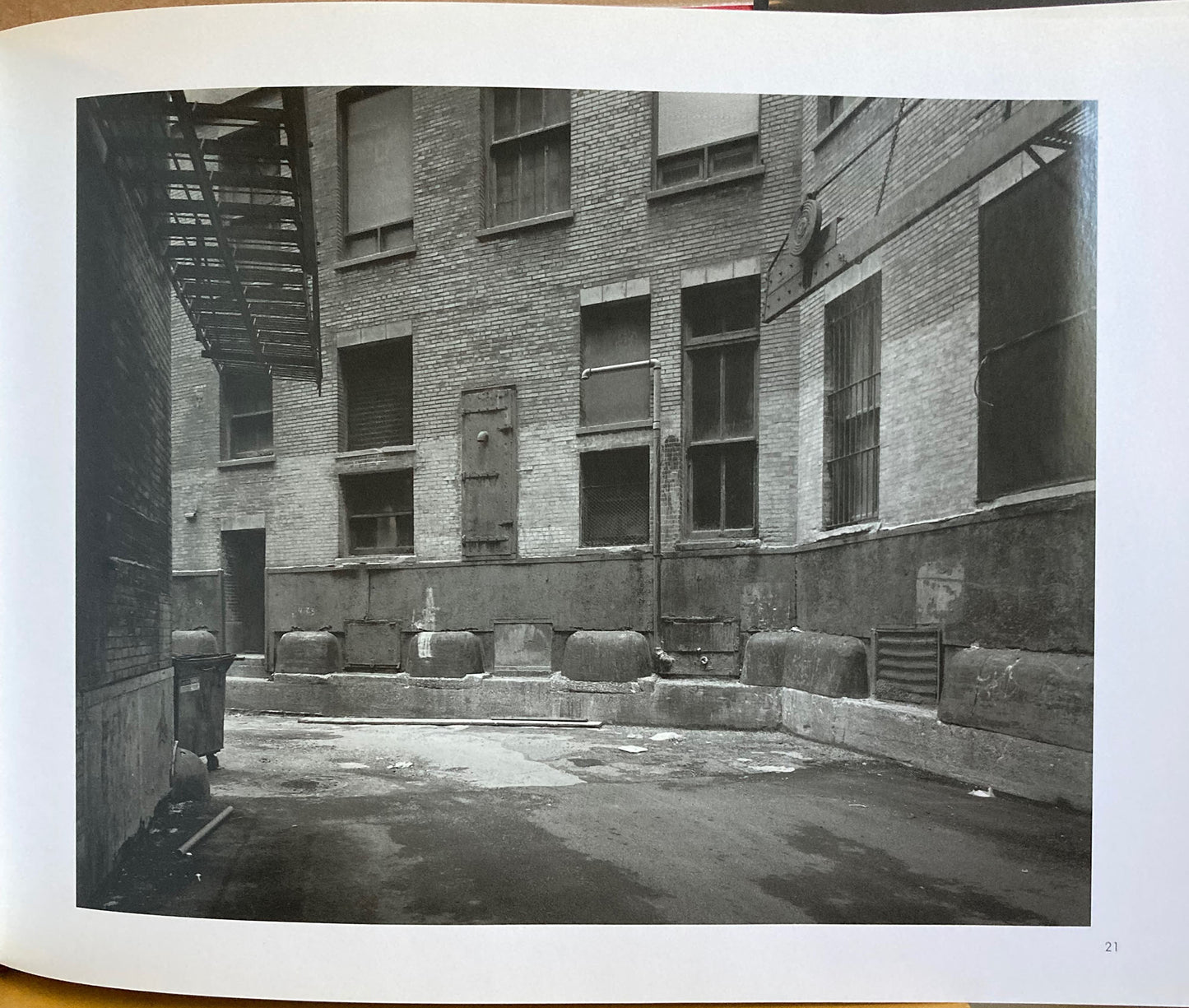
The "Backside" of the City: Thall ignores the famous Chicago skyline and lakefront. Instead, he explores the utilitarian "canyons" behind the grand buildings. These spaces—filled with fire escapes, dumpsters, power lines, and loading docks—reveal the functional "digestive system" of urban life.
-
Large-Format Formalism: Using a large-format camera, Thall achieves incredible detail and a flattened perspective. The images are not "gritty" in a snapshot sense; they are formal, clean, and highly structured, finding accidental beauty in the geometry of brick and iron.
-
Absence of People: Like Mimmo Jodice’s Paris, Thall’s Chicago is eerily empty. By removing the distraction of human activity, he forces the viewer to look at the evolution of urban layers—from 19th-century masonry to modern concrete additions.
Critical Significance
The book iis an example of New Topographics, a style of photography that looks at the man-made landscape with a detached, almost scientific eye. Thall treats an alleyway with the same reverence a traditional landscape photographer might treat a mountain range, highlighting how these "discarded" spaces define the character of a city just as much as its monuments.