Gary Saretzky Photo Books
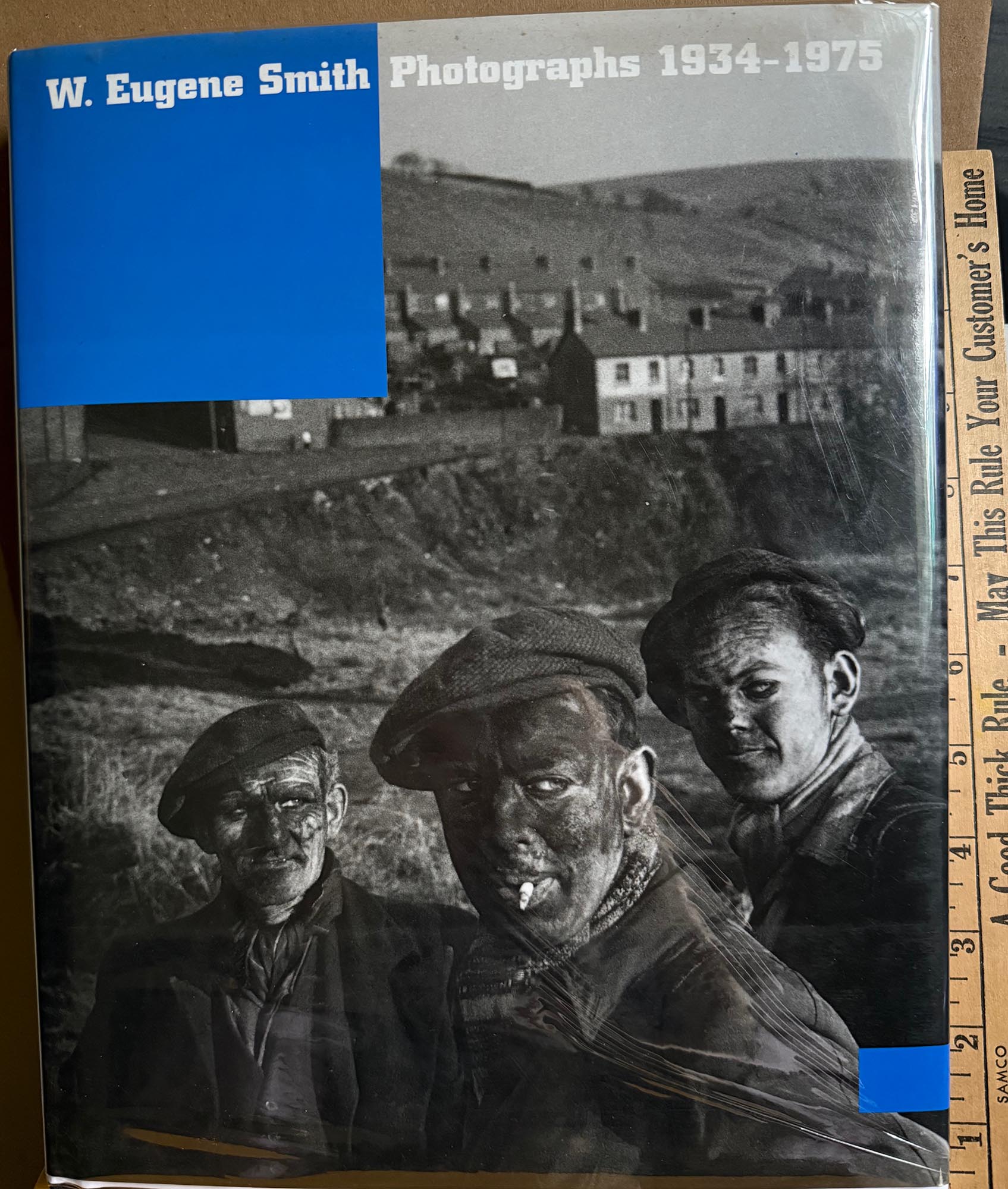
Smith, W. Eugene. W. Eugene Smith: Photographs 1934-1975. Major monograph.
Smith, W. Eugene. W. Eugene Smith: Photographs 1934-1975. Major monograph.
Couldn't load pickup availability
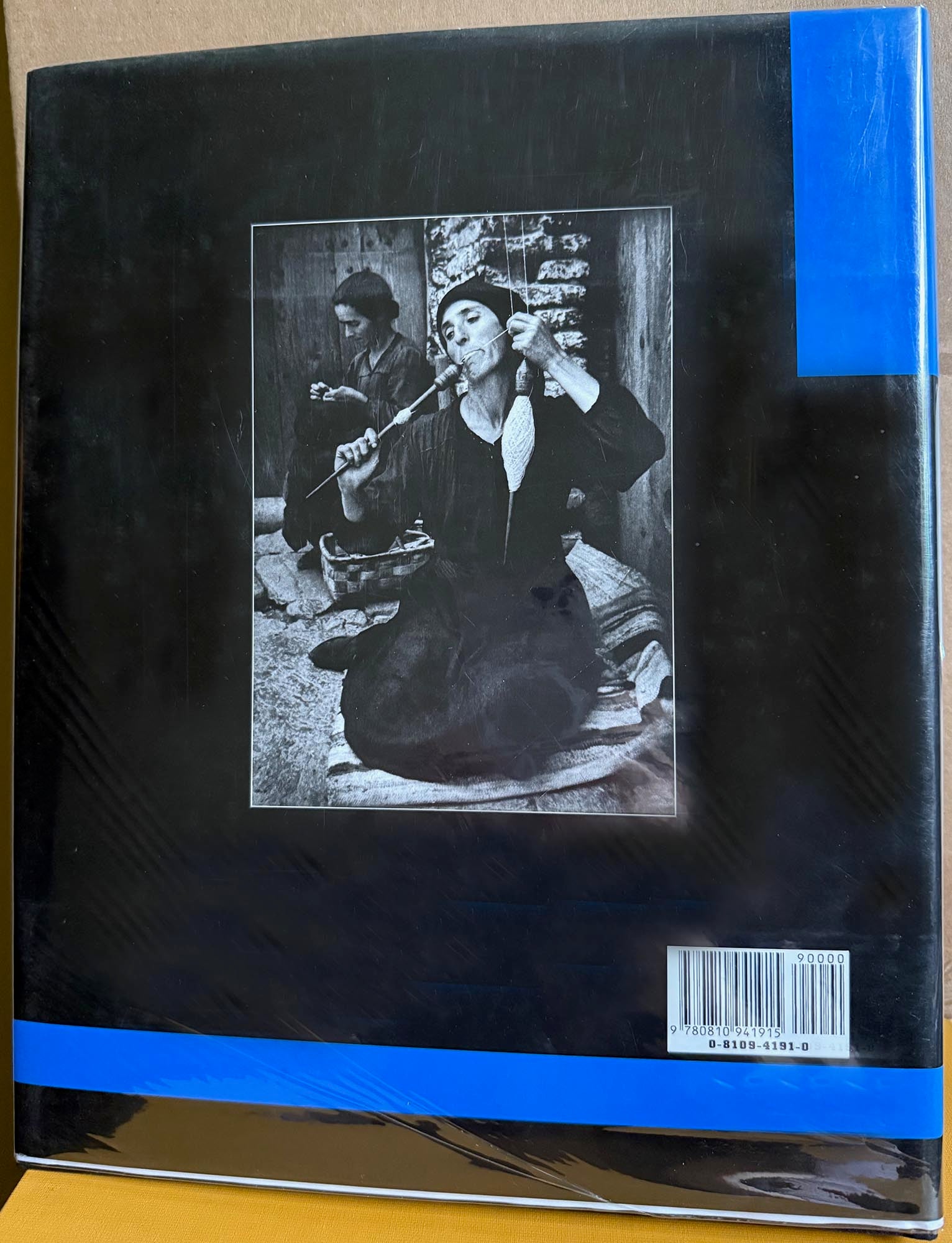
Abrams, 1998. First edition in U.S., simultaneously published in Great Britain under title W. Eugene Smith: The Camera as Conscience. Fine with fine protected dust jacket. Essays by Gilles Mora, Serge Tisseron; Alan Trachtenberg; Gabriel Bauret; and John T. Hill. 351 duotone photographs. 352 pages. Covers the entire career of W. Eugene Smith, best known for his photographs in the Pacific Theater during World War II, his photo essays for LIFE magazine such as Country Doctor, Nurse Midwife, and Spanish Village, his enormous Pittsburgh project, the Jazz Loft, and the Japanese mercury-polluted village, Minamata. Includes chronology and bibliography. Heavy book, requires more postage than most. Summary:
W. Eugene Smith: Photographs 1934–1975 (edited by Gilles Mora and John T. Hill) is a comprehensive retrospective of Smith’s career as one of the most influential figures in 20th-century photography. Published in 1998 by Harry N. Abrams, the book spans over four decades of Smith’s work (1934–1975) and brings together more than 350 duotone images, many of them his most iconic photographs alongside previously uncollected or lesser-seen work.
Rather than a conventional narrative, the book functions as a visual biography of Smith’s artistic evolution. It begins with his early assignments in the 1930s — when he was already publishing work for outlets like Newsweek — and tracks his development into a master of the photo-essay, a form in which he is widely regarded as a pioneer.
The volume includes many of the photo essays for which Smith is best known — from his war photography in the South Pacific during World War II to his humanistic depictions of everyday life in the United States and abroad. It showcases signature projects such as his deeply empathetic portraits of rural America (including the “Country Doctor” story), his work on industrial and urban life, and his extended documentation of the Minamata mercury poisoning crisis in Japan— a project that produced some of the most haunting and political photographs of his career.
In addition to the photographs themselves, the book includes essays and commentary by several writers and scholars that provide context on Smith’s methods, his relentless commitment to immersing himself in his subjects, and his lasting influence on photojournalism.
Overall, W. Eugene Smith: Photographs 1934–1975 serves both as a definitive survey of Smith’s oeuvre and as an exploration of his evolving vision — one grounded in deep humanism, technical mastery, and an unflinching commitment to truth-telling through photography.

