Gary Saretzky Photo Books
Smith, Samuel. Victorian Townscape: The Work of Samuel Smith. 1850s photographs.
Smith, Samuel. Victorian Townscape: The Work of Samuel Smith. 1850s photographs.
Couldn't load pickup availability
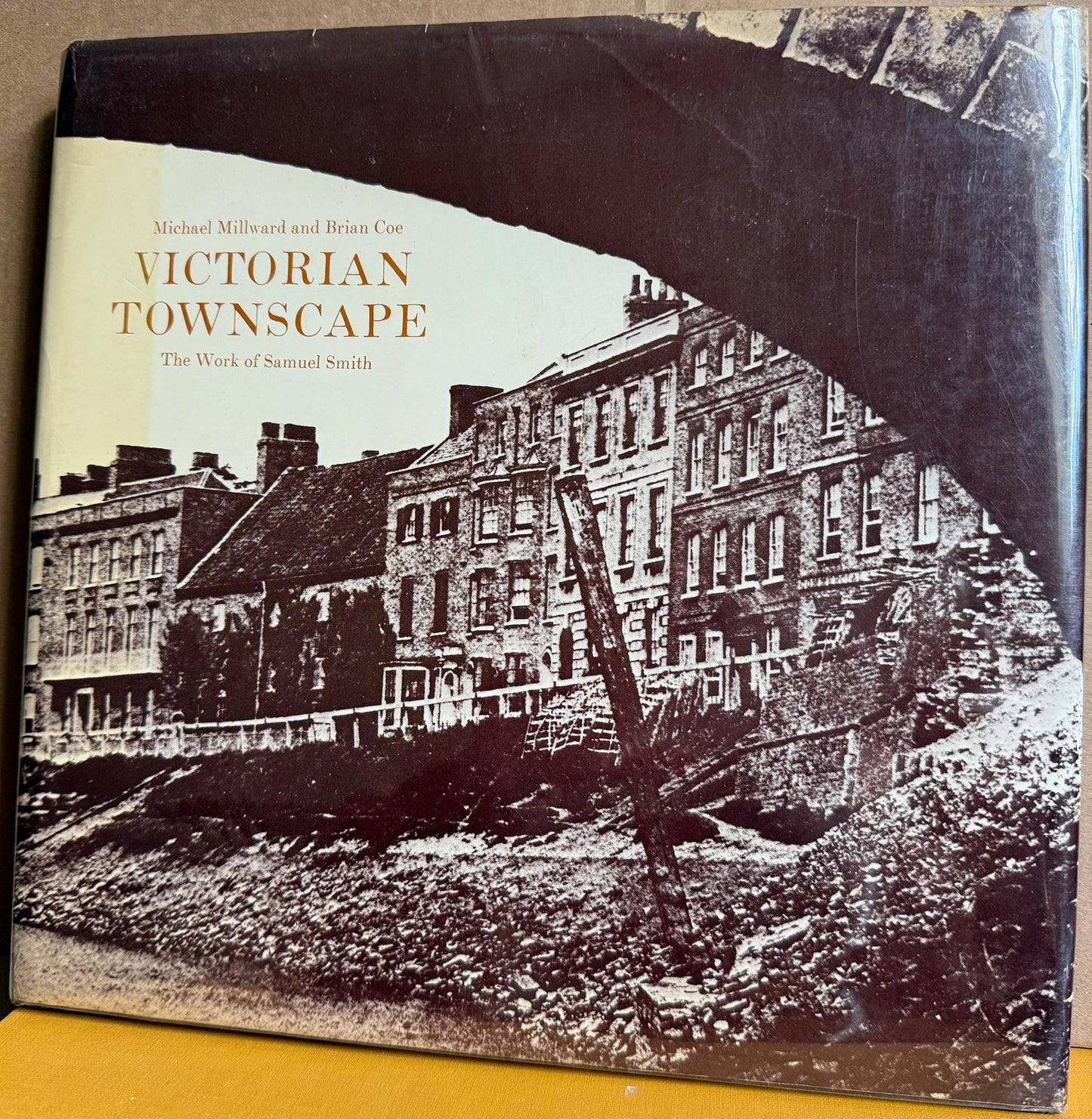
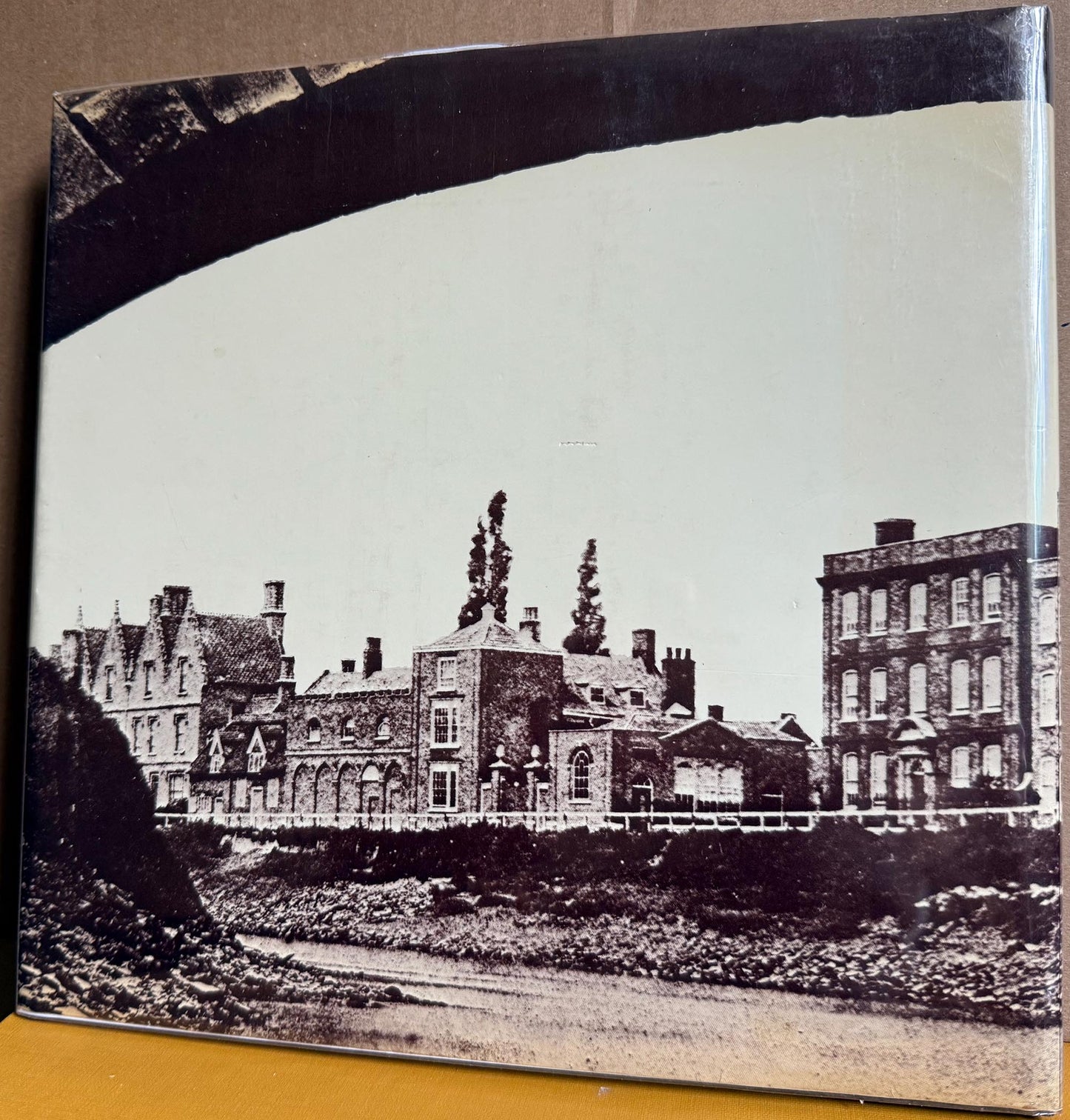
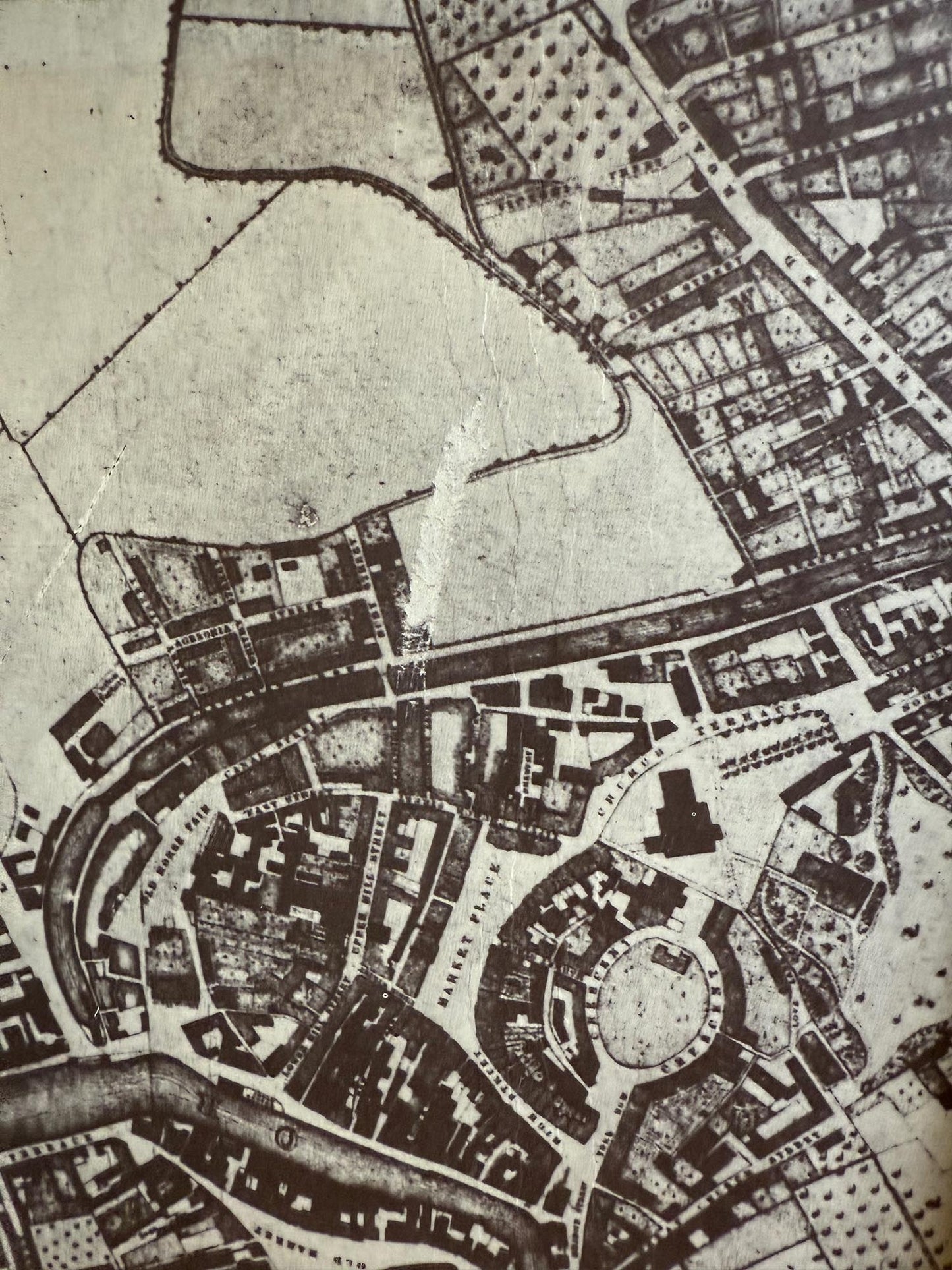
Overlook, 1977, by Michael Millward and Brian Coe. Good hardcover in black cloth with crimped front board (probably happened during binding), small scuff on map on rear pastedown. In very good plus protected dust jacket. First U.S. edition, previously published in England. 120 pages. Described as the first English documentary photographer, Samuel Smith (1802-1892) was a timber merchant who took up photography in 1852 and made these photographs in that decade, mostly of the towns of Leverington and Wisbech, and some elsewhere, including Norwich. The book includes more than 80 illustrations by Smith of street scenes, sailing ships, bridges, and other features. Also includes two portraits of Smith and biographical information about him. Summary:
Victorian Townscape: The Work of Samuel Smith (originally published in 1974 and later editions in the 1970s) is a photographic and historical study of the mid-19th-century English town of Wisbech and its surroundings as documented through the lens of Samuel Smith, an amateur photographer who was active between 1852 and 1864. The book was researched and edited by Michael Millward and Brian Coe, bringing together Smith’s remarkable body of work and contextual commentary to present both a visual and documentary account of Victorian urban life and change.
Samuel Smith (1802–1892) was a retired timber merchant living in Cambridgeshire who took up photography in the early 1850s, producing systematic photographic records of buildings, streets, industrial sites, and everyday scenes around Wisbech and nearby counties. Though self-taught, he became notable for his use of early processes such as waxed-paper and calotype negatives, and his work is considered an important early example of documentary townscape photographyin England.
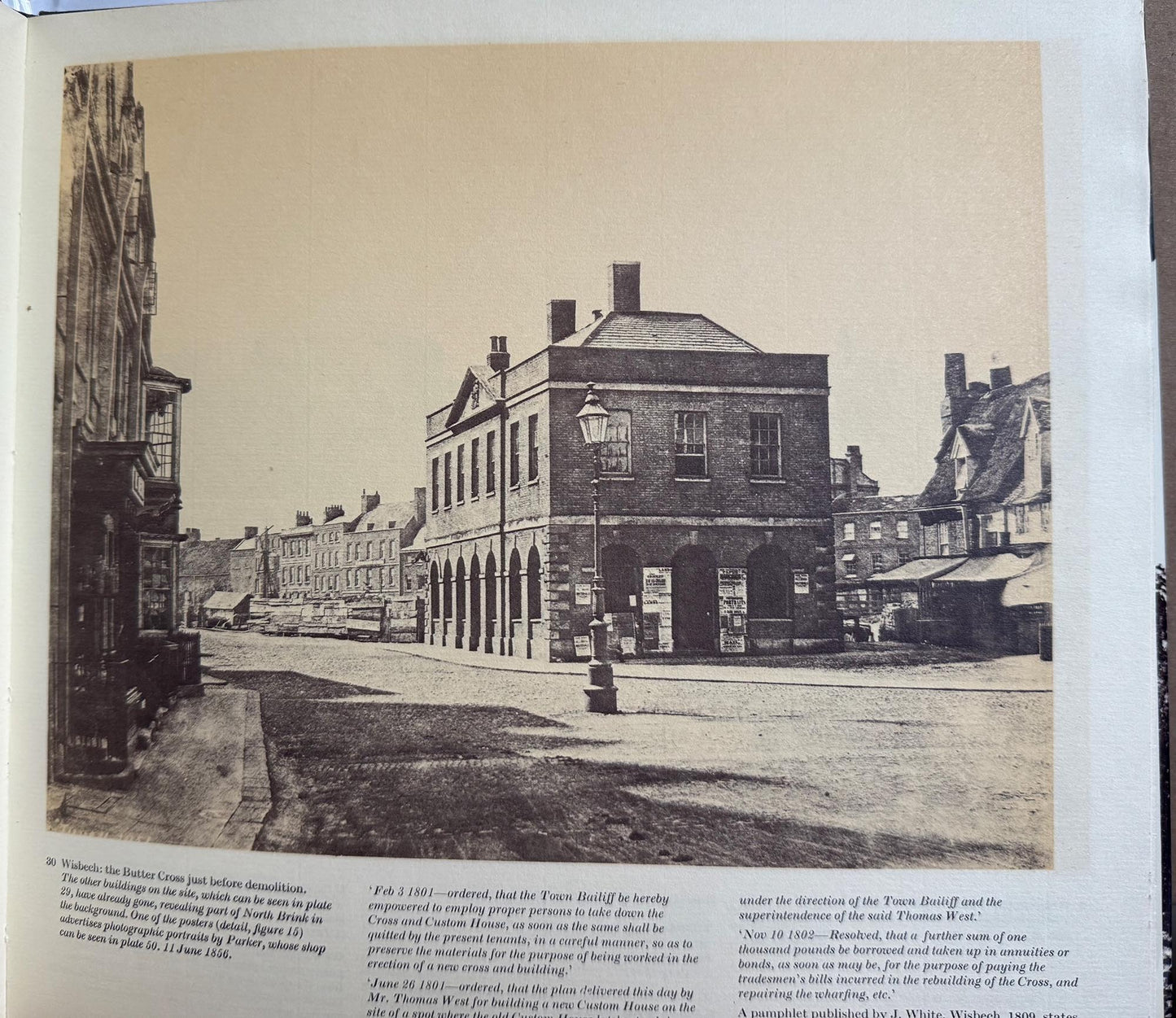
The book itself contains approximately 120 pages with dozens of photographic plates, reproducing Smith’s views of architectural landmarks, civic buildings, riverside scenes, industrial structures, and other features of Victorian town life. Many of these images show structures or streets that were in transition or that no longer survive, making the volume a valuable visual record of a specific place and time.
By pairing Smith’s photographs with historical notes and commentary, Victorian Townscape not only showcases his pioneering work but also illustrates how photography could be used to document urban development and local history in the Victorian era. The result is both a historical resource and a celebration of Smith’s methodical photographic eye, preserving a vanished world for later generations.