
Gary Saretzky Photo Books
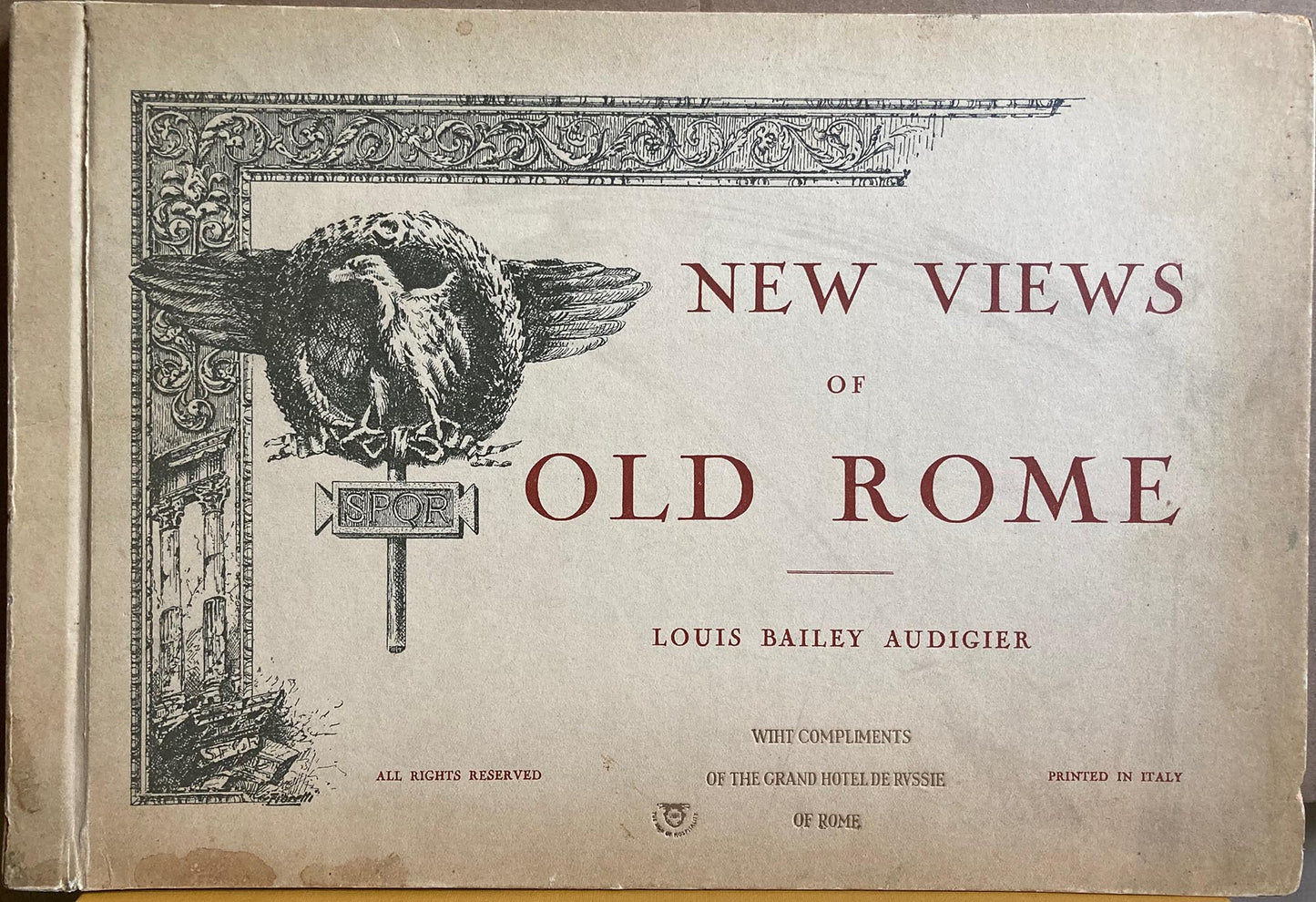
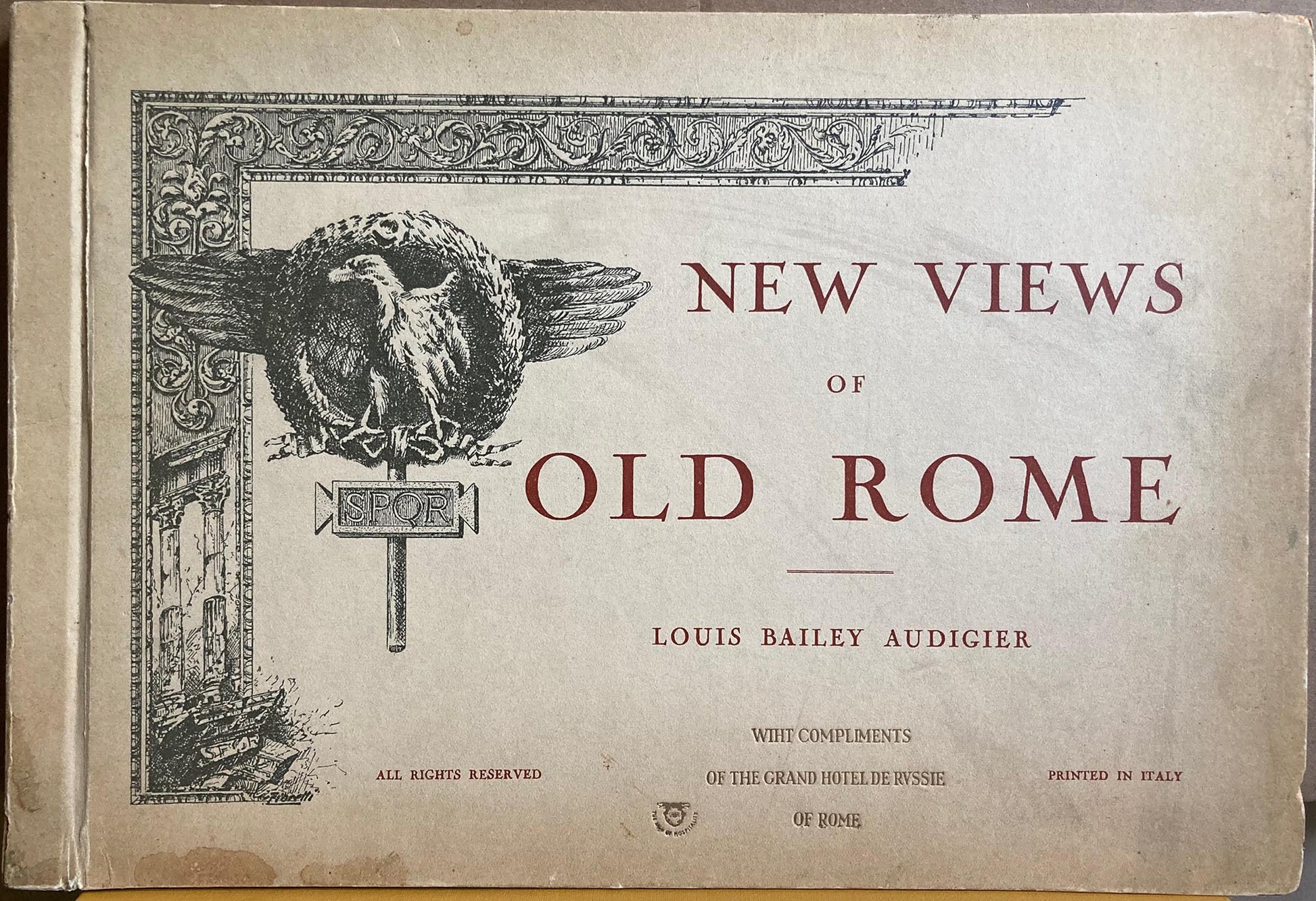
Rome, Italy. New Views of Old Rome by Louis Bailey Audigier, Bestetti & Tumminelli, Milano-Roma, 1925.
Rome, Italy. New Views of Old Rome by Louis Bailey Audigier, Bestetti & Tumminelli, Milano-Roma, 1925.
Couldn't load pickup availability
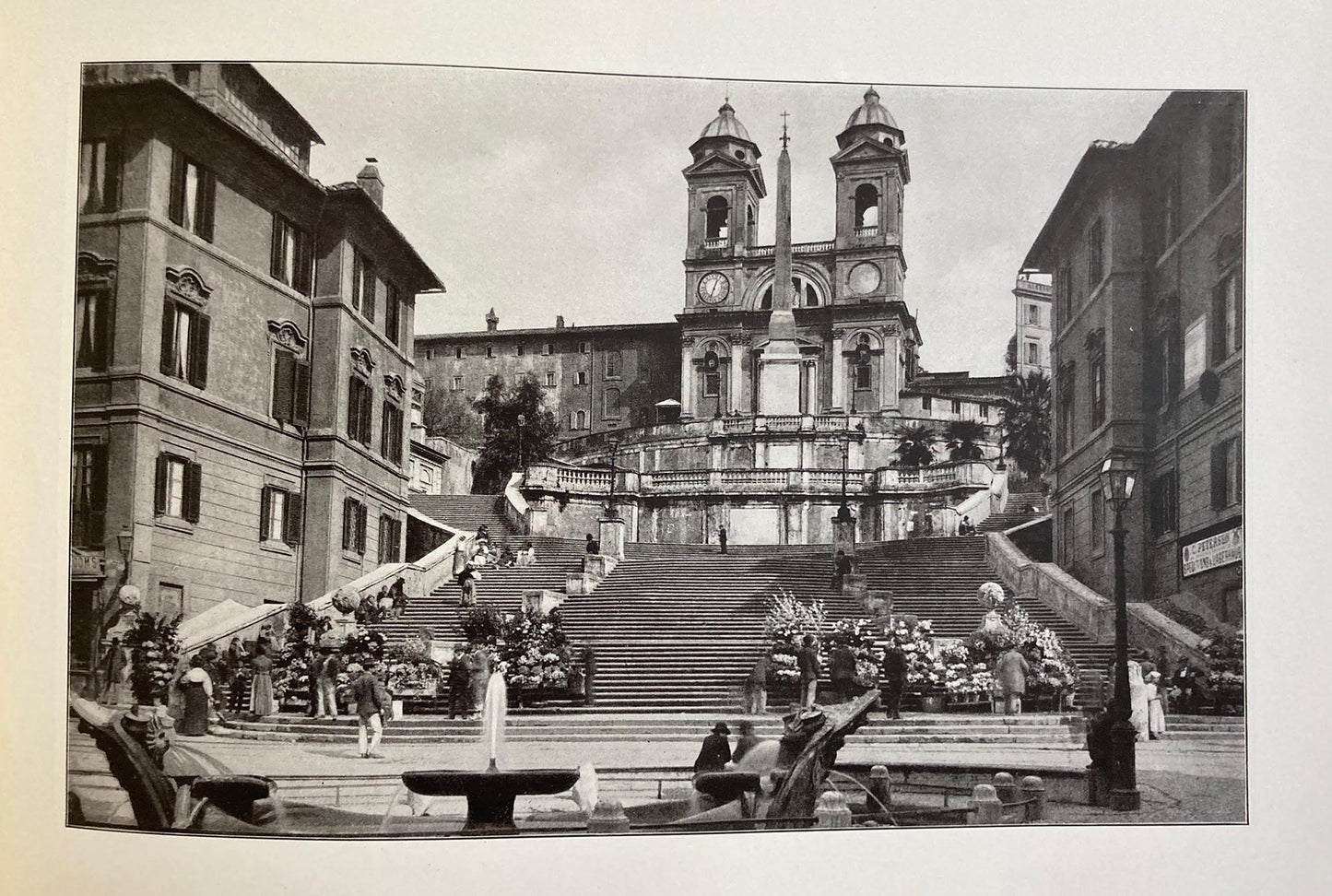
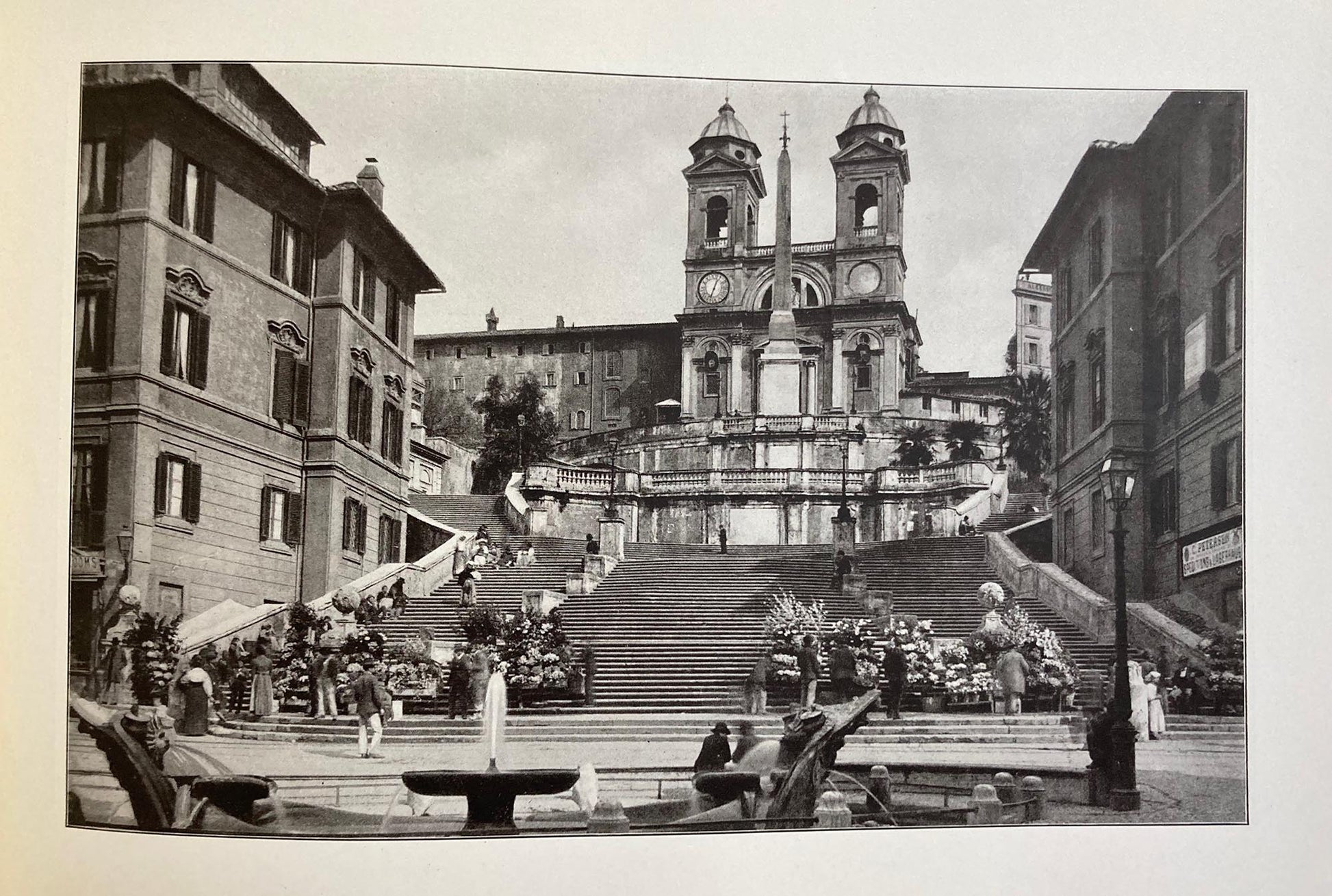
Flexible boards, good plus with front hinge discretely reinforced and with evidence of use commensurate with a century-old book. 70 pages with numerous black and white illustrations, including three-page foldout comprising a panorama of the Colosseum. Introduction by Aristide D. Tani. Photos include many of the best known architectural wonders of Rome. Texts in Italian, French, English, and German. Uncommon. Summary:
New Views of Old Rome (1925), published by the prestigious Italian house Bestetti & Tumminelli, is a luxurious photographic tribute to the Eternal City, featuring text by Louis Bailey Audigier. Published during a period of intense archaeological interest and urban transformation in Italy, the book serves as both an artistic portfolio and a historical record.
Key Features and Themes
-
Artistic Photography: The book is renowned for its high-quality plates, which utilize dramatic lighting and atmospheric compositions (often in sepia or deep gravure tones) to capture Rome's ruins. It moves away from dry, clinical architectural documentation in favor of a Romantic, evocative aesthetic.
-
The "New Views" Perspective: Audigier seeks to present familiar landmarks—such as the Colosseum, the Forum, and the Appian Way—from fresh, often elevated or unconventional angles. This was intended to help the viewer appreciate the monumental scale and "timeless" nature of the city.
-
A City in Transition: Published in 1925, the work captures Rome just before the massive Fascist-era "Grosz" excavations and demolitions of the 1930s. It provides a visual record of the ruins as they sat nestled within the medieval and Renaissance fabric of the city, before many sites were "isolated" for political and archaeological display.
-
The Narrative Tone: Audigier’s prose is celebratory and deeply reverent. He treats the stones of Rome as living witnesses to Western civilization, guiding the reader through the city’s layers of history with a blend of poetic observation and historical anecdote.
Significance
The book is a prime example of the high-end "art book" publishing that flourished in Milan and Rome in the 1920s. For collectors, it is valued for its exquisite printing quality and its ability to capture the "Grand Tour" spirit through a 20th-century lens.