Gary Saretzky Photo Books
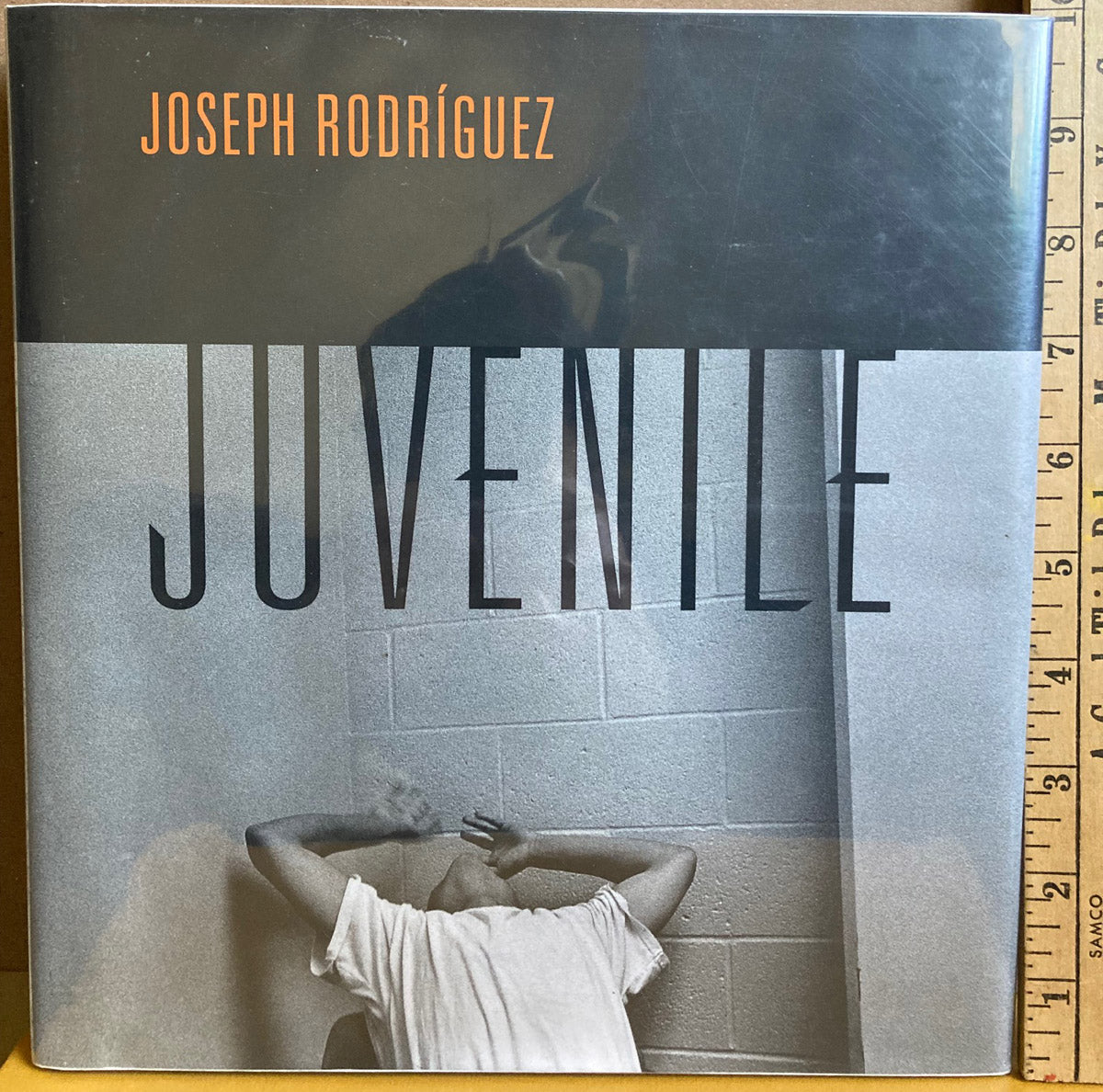
Rodriguez, Joseph. Juvenile. Photographs of incarcerated teenagers by Joseph Rodriguez. Introduction by Nell Bernstein.
Rodriguez, Joseph. Juvenile. Photographs of incarcerated teenagers by Joseph Rodriguez. Introduction by Nell Bernstein.
Couldn't load pickup availability
powerHouse, 2004. 1st edition, 1st printing, hardcover in illustrated boards with dust jacket, ex-library, otherwise fine/fine. Author and photographer Joseph Rodriguez, a former heroin addict who spent time in prison, shares his personal insights into the issues facing juvenile prisoners in California. Unpaginated. Summary:
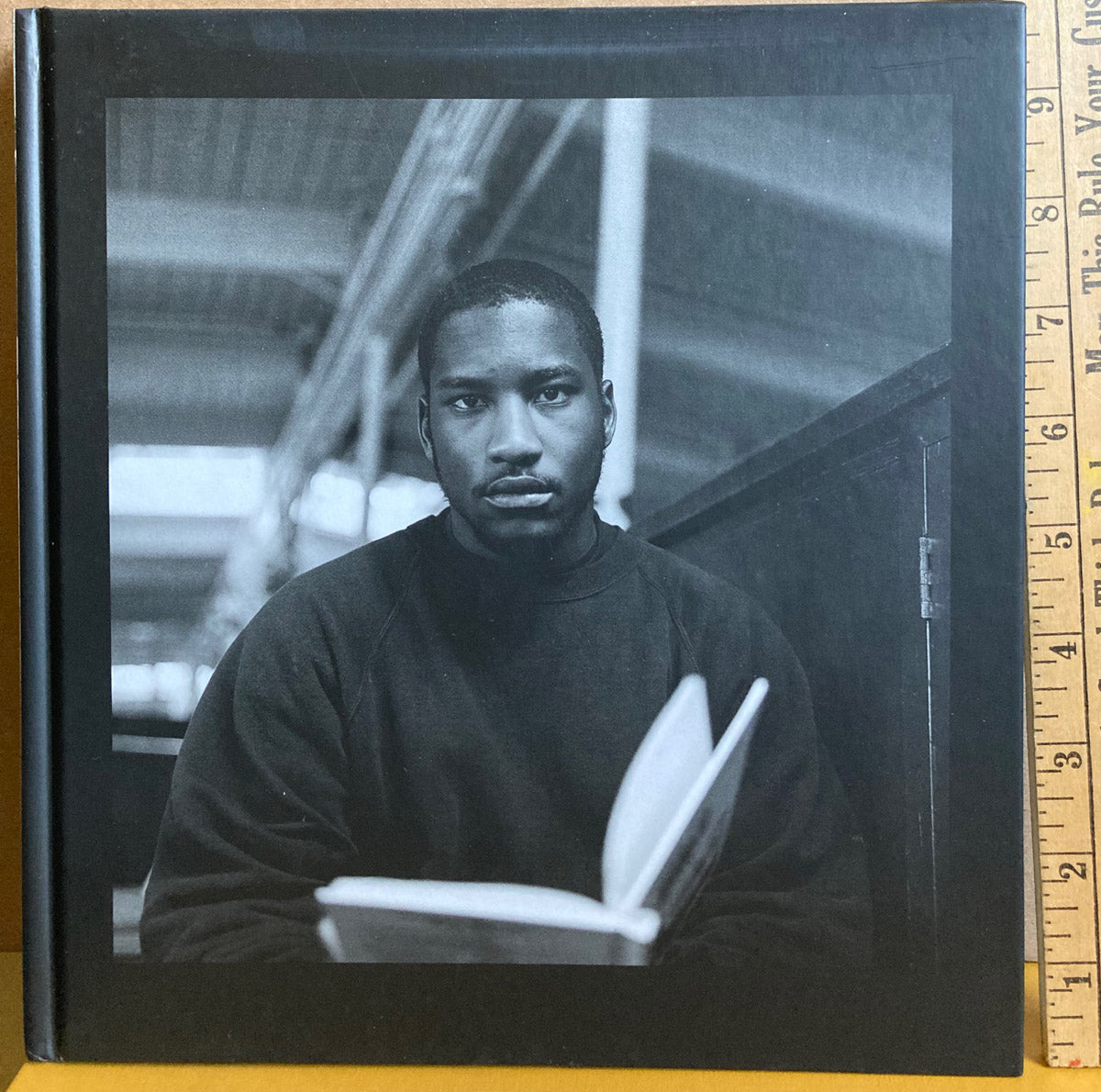
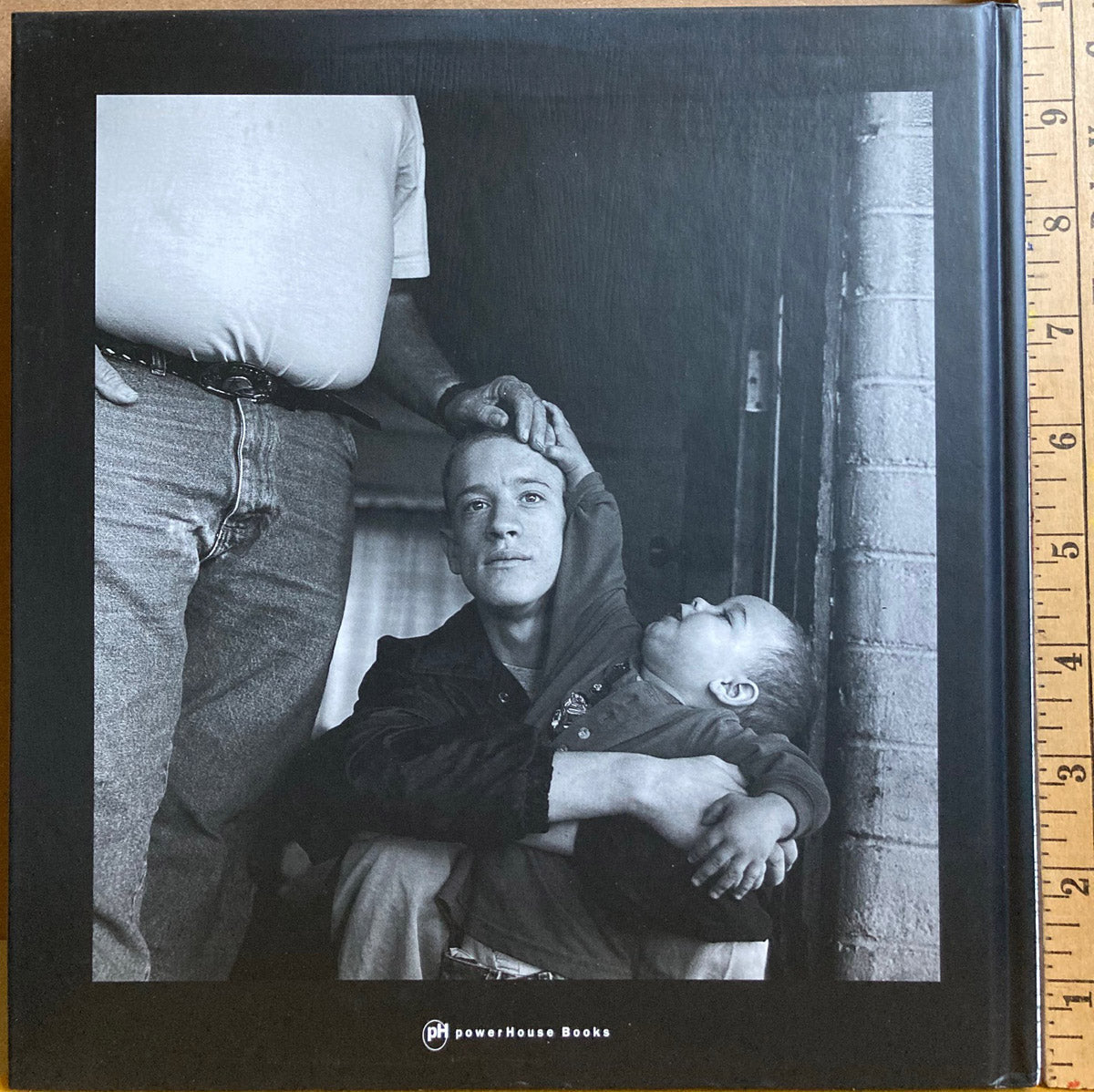
Juvenile is a haunting and intimate photographic monograph by Joseph Rodriguez that documents the lives of young people caught within the California juvenile justice system. Through raw, black-and-white imagery and first-person testimonies, the book strips away the "super-predator" stereotypes of the 1990s to reveal the humanity and trauma of incarcerated youth.
Core Components
1. The Visual Narrative
Rodriguez spent weeks embedded in detention centers, courtrooms, and group homes. His photographs move beyond the bars to capture:
-
The Mundane and the Harsh: Scenes of teenagers playing handball or sleeping, contrasted with the clinical coldness of intake processing and handcuffs.
-
Emotional Vulnerability: Close-ups that reveal fear, boredom, and a lingering childhood innocence that contradicts their legal status.
-
The Aftermath: Documentation of the "revolving door," following youth as they transition back into the environments that often contributed to their initial arrest.
2. Contextual Insight (Nell Bernstein)
The introduction by Nell Bernstein—a noted journalist and advocate—provides the socio-political backdrop. She critiques the "tough on crime" policies of the era, arguing that the system often functions as a warehouse for those suffering from poverty, abuse, and mental health issues rather than a place of rehabilitation.
3. Personal Testimonies
A defining feature of the book is that the subjects are given a voice. Alongside the images are transcriptions of interviews where the teenagers discuss:
-
Their mistakes and regrets.
-
The breakdown of family structures.
-
Their hopes for a future that feels increasingly out of reach.
Key Themes
-
The Loss of Childhood: The jarring visual of adult-sized shackles on small frames highlights the accelerated "adultification" of marginalized youth.
-
Systemic Failure: The book illustrates how the justice system frequently punishes trauma rather than treating its root causes.
-
Visibility: Rodriguez aims to make these "invisible" children seen, forcing the reader to confront the reality of who is being locked away.
Critical Takeaway
Juvenile is less a work of traditional photojournalism and more a sociological document. It challenges the viewer to look past the "criminal" label to see the teenager beneath, making a powerful visual argument for reform and empathy in the treatment of young offenders.
Biographical Summary
Joseph Rodríguez (born 1951) is a celebrated American documentary photographer and photojournalist renowned for his intimate, empathetic portrayals of marginalized communities, youth culture, and urban life. Born and raised in Brooklyn, New York, Rodríguez overcame early struggles with drug dependency and the criminal justice system before discovering photography, eventually formalizing his training at the School of Visual Arts and the International Center of Photography.Channeling his personal redemption and deep-seated empathy into his visual projects, he produced groundbreaking documentary monographs including Spanish Harlem (1990), East Side Stories (1998), and Juvenile (2003)—a visceral multi-year study exposing the human cost of the juvenile justice system by following incarcerated and court-involved youth from arrest through probation. His long-form photojournalism has been featured in major global publications such as The New York Times Magazine, National Geographic, and Life, while his work as an educator at New York University and the International Center of Photography continues to influence generations of visual storytellers.