Gary Saretzky Photo Books
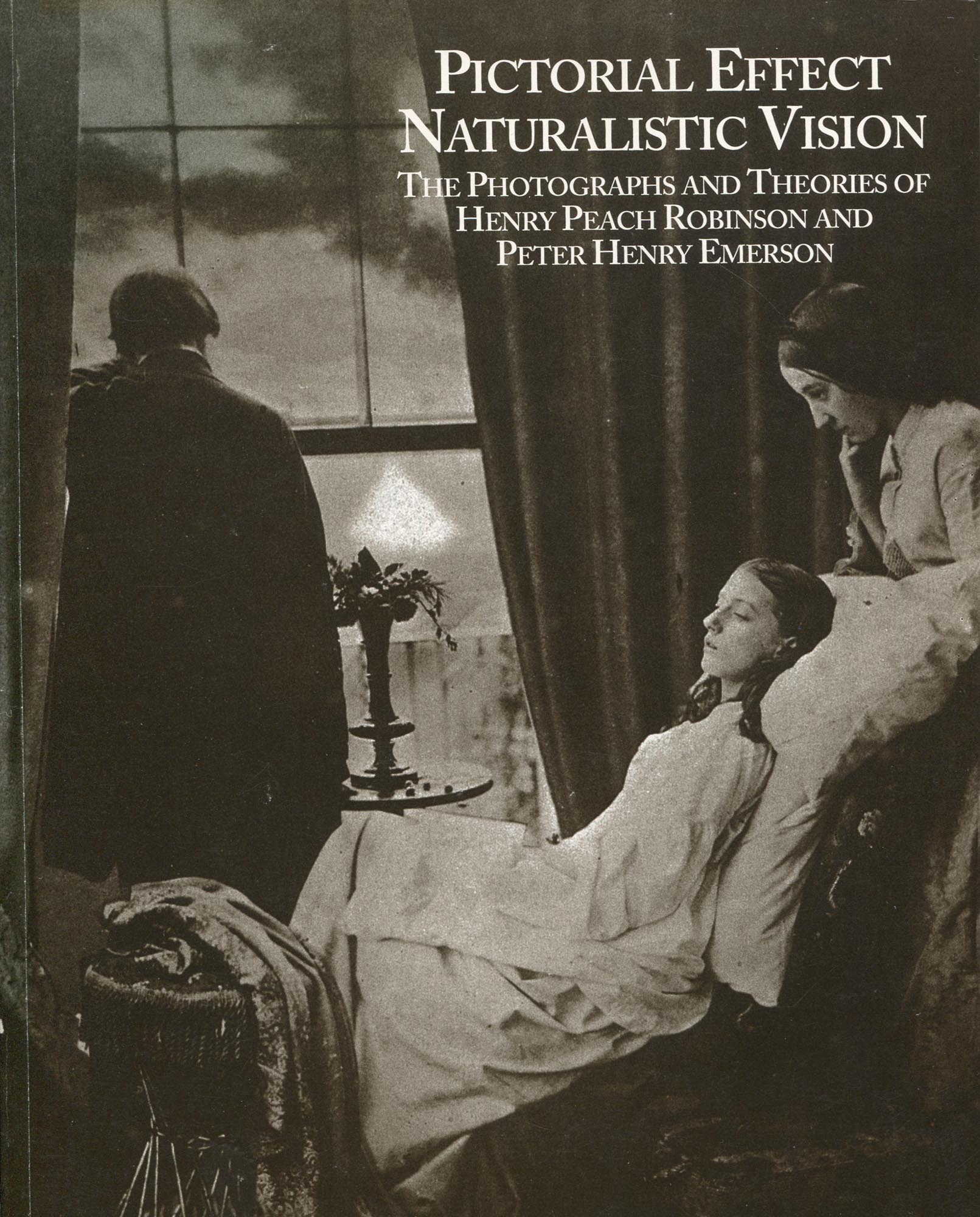
Robinson, Henry Peach. Pictorial Effect, Naturalistic Vision: The Photographs and Theories of Henry Peach Robinson and Peter Henry Emerson.
Robinson, Henry Peach. Pictorial Effect, Naturalistic Vision: The Photographs and Theories of Henry Peach Robinson and Peter Henry Emerson.
Couldn't load pickup availability
Chrysler Museum, 1994. Wraps, as issued. By Ellen Handy with essays by Brian Lukacher and Shelley Rice. Catalog for exhibit at Chrysler Museum and Art Museum, Princeton University. Near fine with minor evidence of use. Numerous illustrations. Includes checklist and bibliography. 87 pages. Summary:
Pictorial Effect, Naturalistic Vision: The Photographs and Theories of Henry Peach Robinson and Peter Henry Emerson by Ellen Handy (published 1994) is a compact but scholarly exhibition catalogue and commentary that juxtaposes two of the most influential early photographers of the late 19th century—Henry Peach Robinson and Peter Henry Emerson—to explore competing aesthetic philosophies in the early development of photographic art.
The book accompanies an exhibition held in 1994 at the Chrysler Museum and focused on how Robinson and Emerson shaped early debates about the nature and purpose of photography as an artistic medium.
At the heart of the work is a contrast between two very different visions:
-
Henry Peach Robinson championed a pictorialist approach in which photography could be shaped and manipulated to resemble painting and narrative art. Robinson is best known for his combination printing technique—where separate negatives are merged into a single composite image—and for advocating that photographers use composition, lighting, and artistic intervention to achieve subjective, expressive imagery. His influential writings on pictorial aesthetics helped establish photography’s claim to artistic status.
-
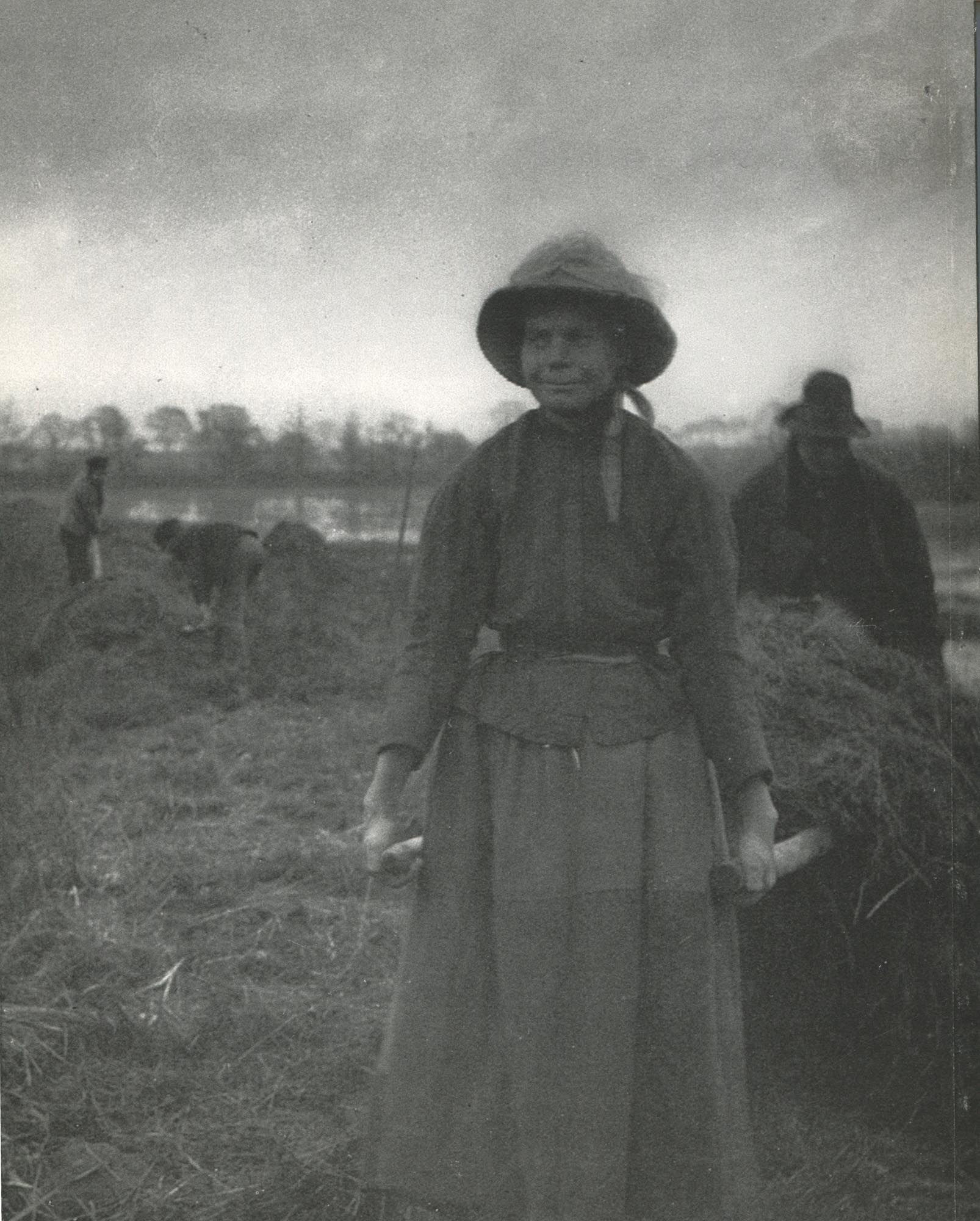
Peter Henry Emerson, by contrast, argued for a naturalistic photographic vision rooted in direct observation. He believed that photographs should depict real scenes and subjects without artificial staging or manipulation, reflecting the tonal subtleties and perceptual experience of natural vision. Emerson’s theory of naturalistic photography emphasized simplicity, truth to nature, and minimal post-capture alteration.
Handy structures the text to reflect these parallel universes of photographic practice and theory. Through essays and reproductions drawn from the exhibition, she examines not just iconic works by each photographer but the theoretical writings that underpinned their differing approaches—showing how their ideas influenced the broader evolution of photographic aesthetics.
Overall, the book offers readers both visual documentation and critical interpretation of a pivotal moment in photography’s history: the emergence of photography as an art form and the lively debates about how the medium should relate to painting, nature, and visual truth.

