Gary Saretzky Photo Books
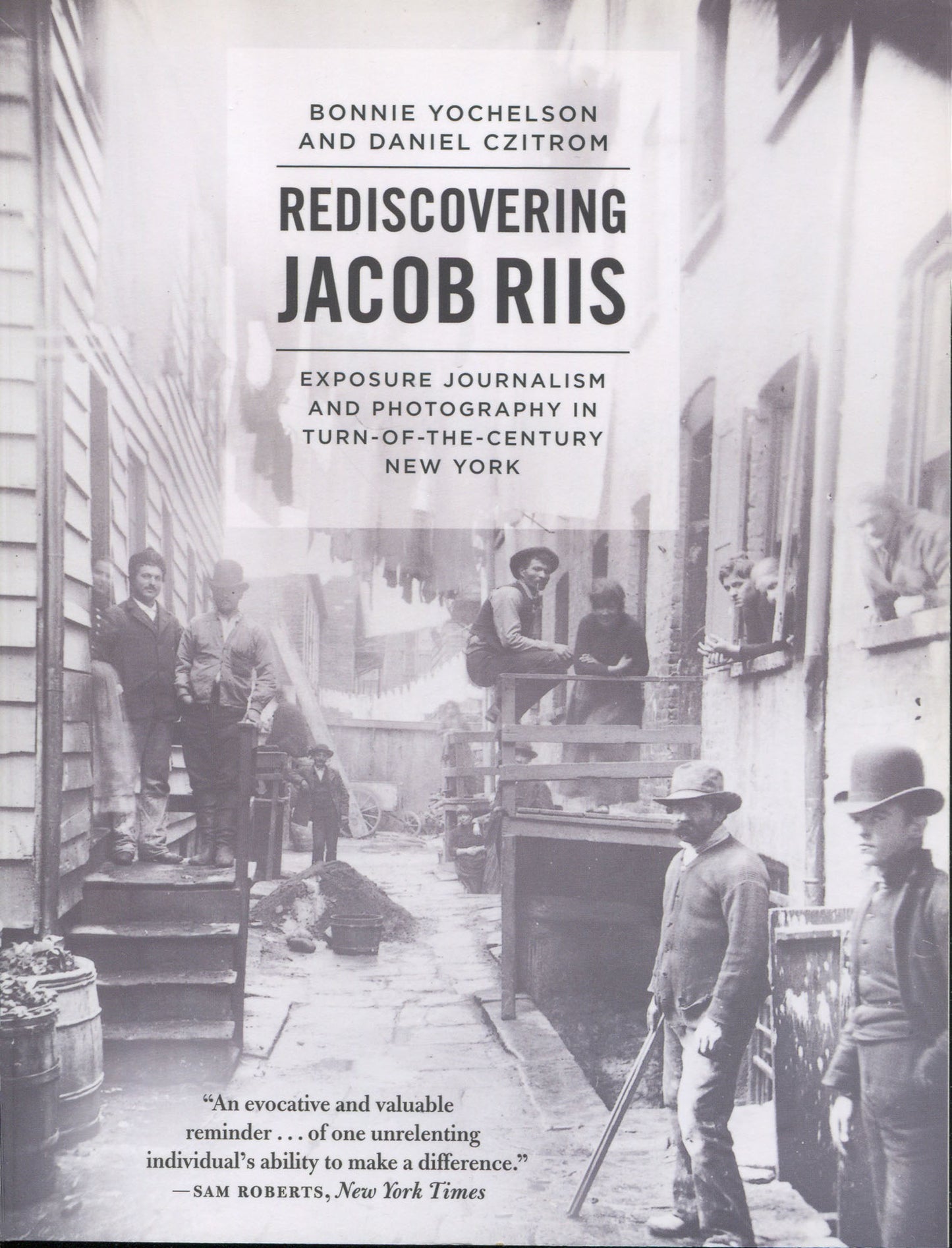
Riis, Jacob. Rediscovering Jacob Riis: Exposure Journalism in Turn-of-the-Century New York by Bonnie Yochelson and Daniel Czitrom.
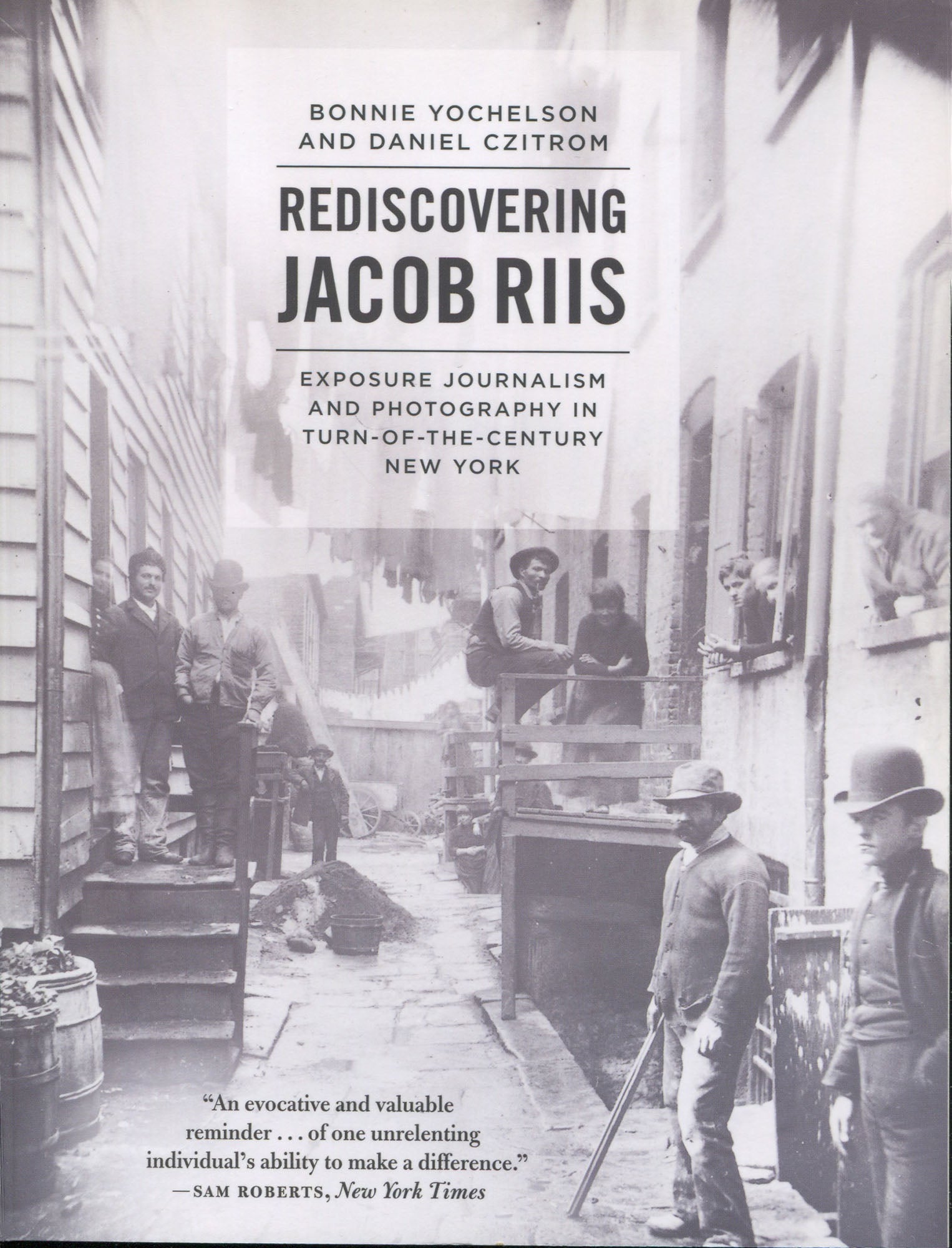
Riis, Jacob. Rediscovering Jacob Riis: Exposure Journalism in Turn-of-the-Century New York by Bonnie Yochelson and Daniel Czitrom.
Couldn't load pickup availability
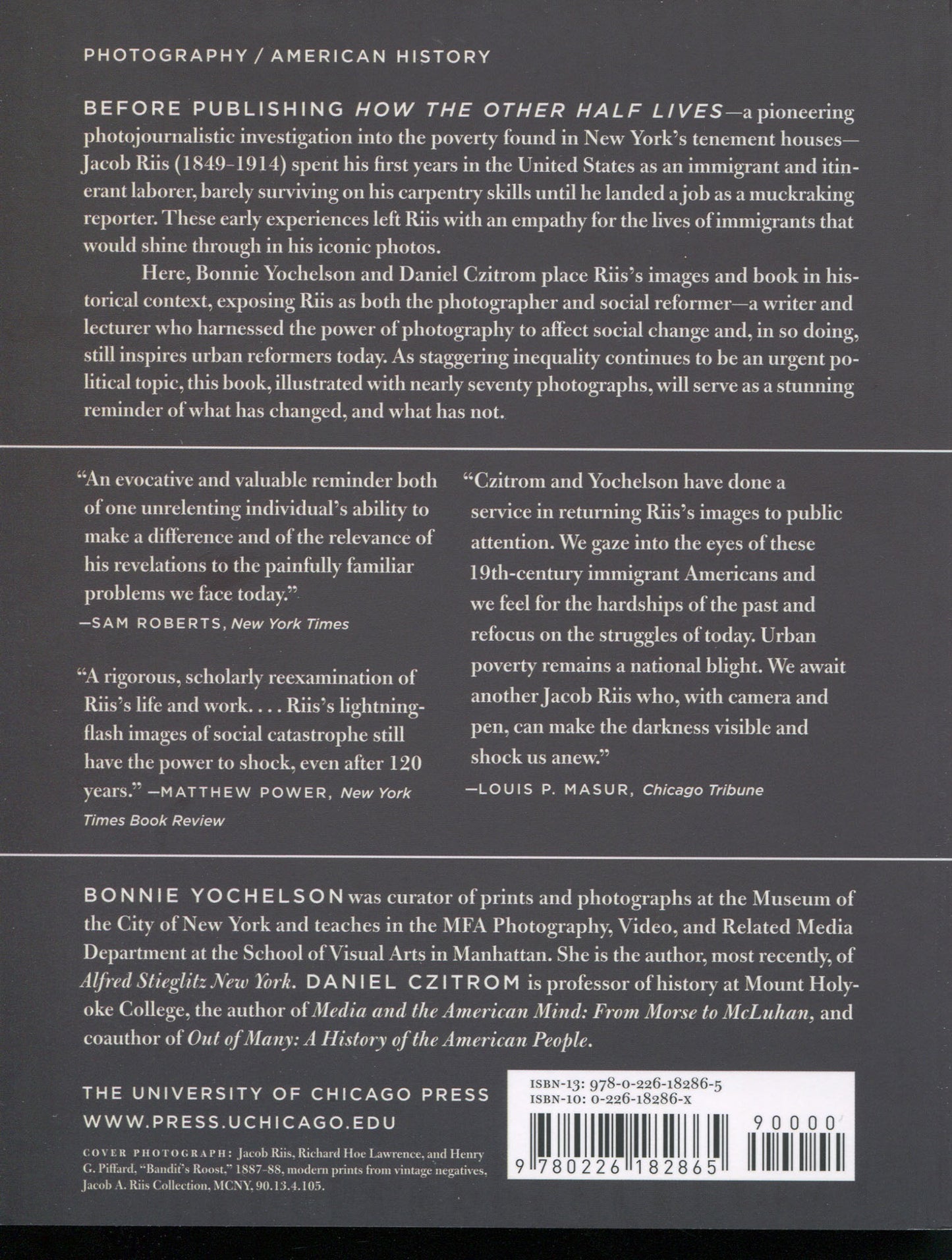
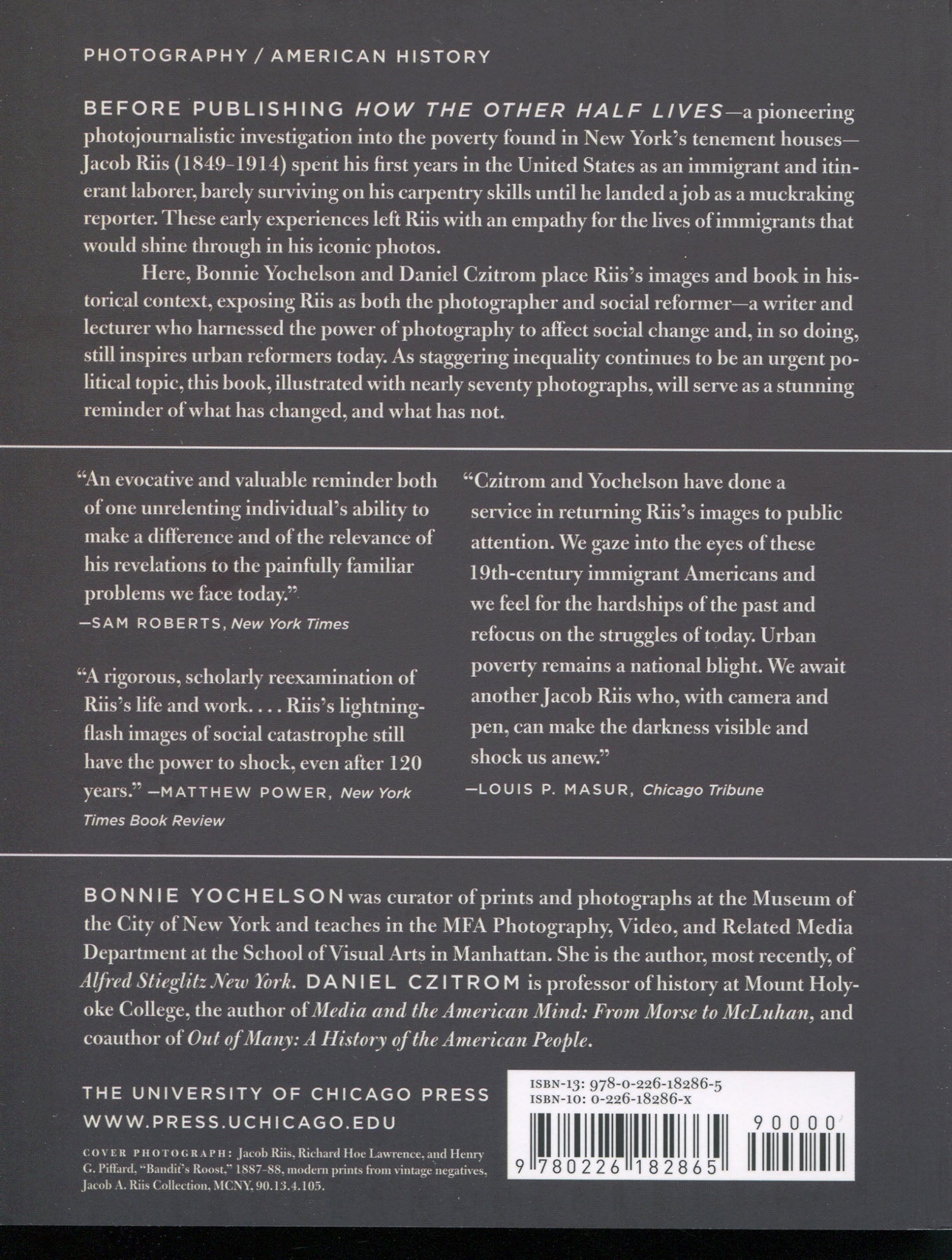
University of Chicago Press, 2014. Wraps, fine, as new. Previously published in 2007. 296 pages. Illustrated. “Before publishing his pioneering book How the Other Half Lives--a photojournalistic investigation into the poverty of New York’s tenement houses, home to three quarters of the city’s population--Jacob Riis (1849-1914) spent his first years in the United States as an immigrant and itinerant laborer, barely surviving on his carpentry skills until he landed a job as a muckraking reporter. These early experiences left Riis with an empathy for the lives of immigrants that would show through in his iconic photos.” (From back cover) Summary:
Rediscovering Jacob Riis is a comprehensive biographical and historical re-examination of the life, work, and legacy of Jacob Riis, the influential 19th-century journalist, social reformer, and photographer whose work helped expose the harsh living conditions of New York City’s poorest residents.
The book is structured in two complementary parts:
-
Historian Daniel Czitrom places Riis’s life and journalism in the broader context of Gilded Age New York — exploring the city’s rapid immigration, political machines, competitive newspaper culture, rising evangelical reform movements, and labor politics. Czitrom traces Riis’s journey from an impoverished Danish immigrant and itinerant laborer to a reporter with deep first-hand experience of urban poverty. He examines how Riis’s work as a muckraking journalist culminated in his landmark investigations of tenement housing and other social issues, arguing that Riis’s empathy and reform impulse continue to influence how we think about urban inequality.
-
Art historian Bonnie Yochelson focuses on Riis’s use of photography. She challenges the simplistic myth of Riis as a great photographic artist, showing instead how he initially relied on amateur collaborators, later learned to use photography himself, and eventually curated images from professional photographers. Yochelson argues that Riis’s real innovation was not artistic excellence but his ability to harness photography as a tool for social advocacy and public persuasion.
The book is illustrated with nearly seventy of Riis’s photographs and situates his work within both his own time and ours, highlighting the enduring relevance of his questions about poverty, housing, immigration, and the role of media in reform.
Overall, Rediscovering Jacob Riis offers both critical scholarship and vivid historical narrative, giving readers a fuller, more nuanced understanding of Riis as journalist, reformer, and figure in American social history.
Jacob August Riis (1849–1914) was a Danish-American social reformer, pioneering photojournalist, and writer whose stark exposures of squalid living conditions in New York City's tenements catalyzed sweeping urban housing and welfare reforms during the Progressive Era. Immigrating to the United States in 1870, Riis endured years of poverty and odd jobs before becoming a police reporter for the New York Tribune and the Evening Sun, covering the crime-ridden Lower East Side. Recognizing the persuasive power of visual evidence, he became an early adopter of flash photography in the late 1880s, using the newly invented flash powder to venture into dark alleys, crowded lodging houses, and sweatshops to capture candid, raw images of impoverished immigrants, working children, and destitute families. His groundbreaking 1890 book, How the Other Half Lives: Studies among the Tenements of New York, combined evocative photojournalism, vivid reporting, and statistical data to shock middle- and upper-class readers, directly inspiring police commissioner Theodore Roosevelt to shutter unsafe lodging houses and press for housing regulations. Celebrated by Roosevelt as "New York's most useful citizen," Riis spent the remainder of his life lecturing, writing, and advocating for public parks, playgrounds, and improved school conditions, leaving a transformative legacy as one of the founding fathers of American investigative journalism and social documentary photography.