Gary Saretzky Photo Books
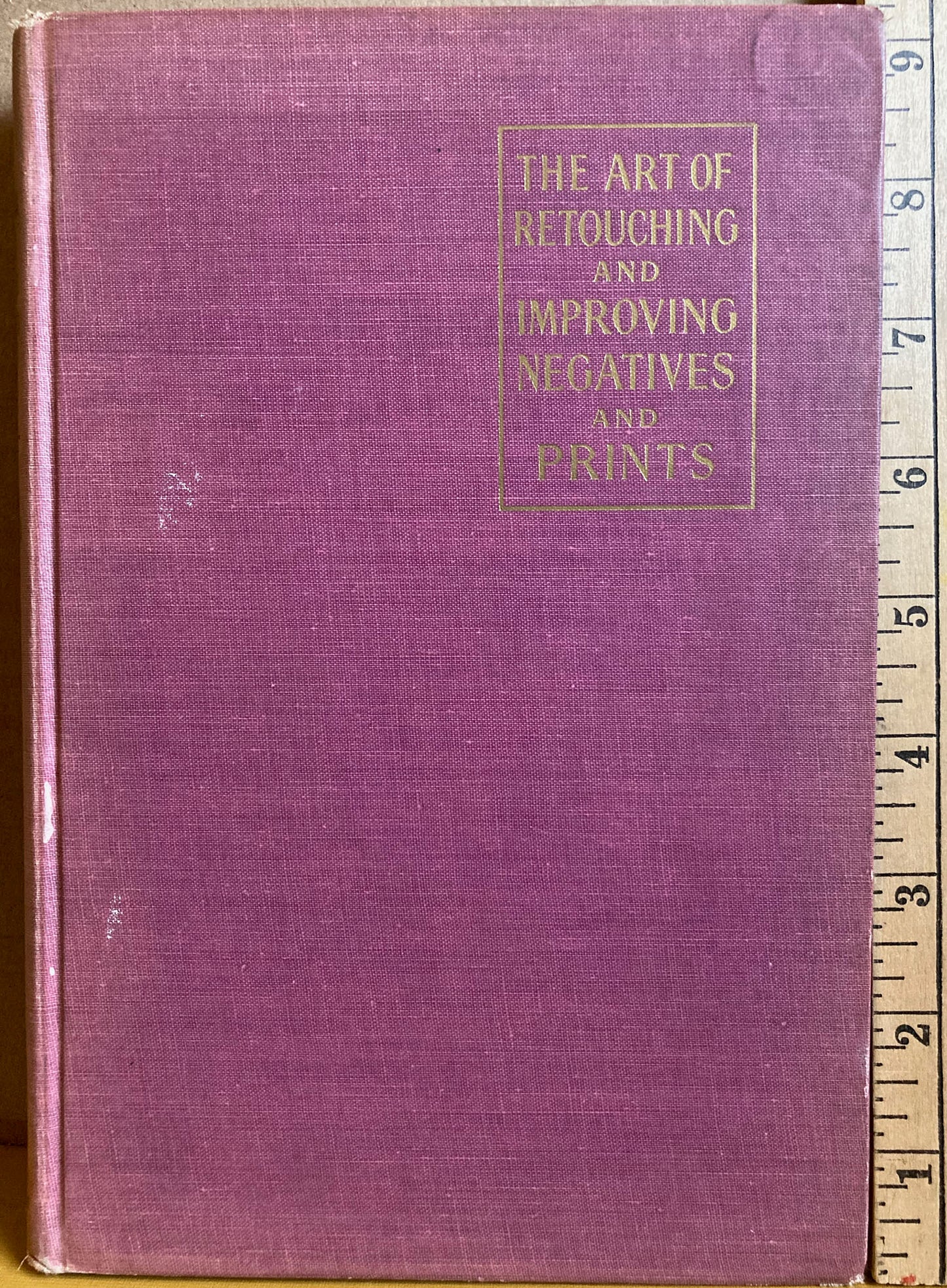
Retouching. The Art of Retouching and Improving Negatives and Prints by Arthur Hammond. 14th edition.
Retouching. The Art of Retouching and Improving Negatives and Prints by Arthur Hammond. 14th edition.
Couldn't load pickup availability
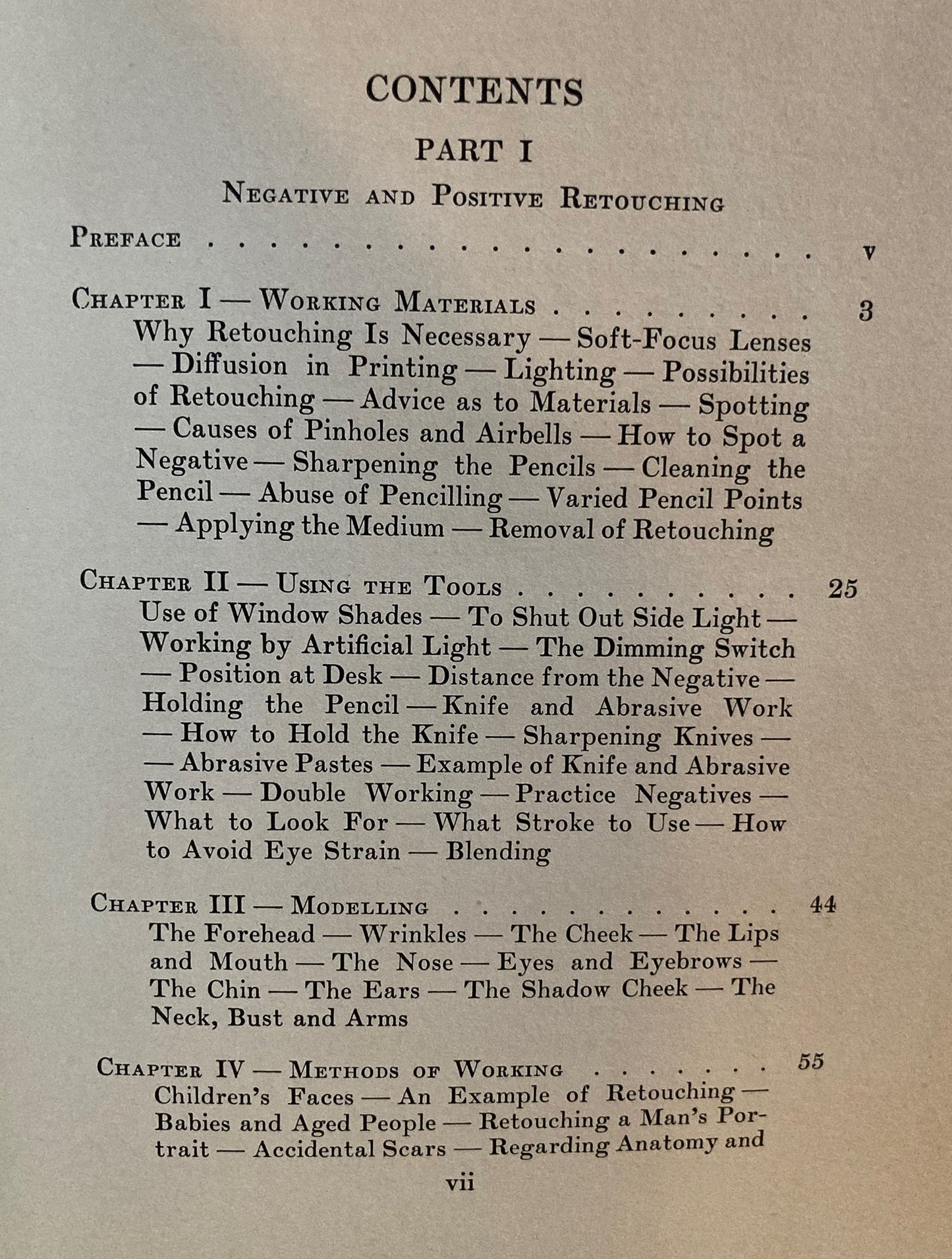
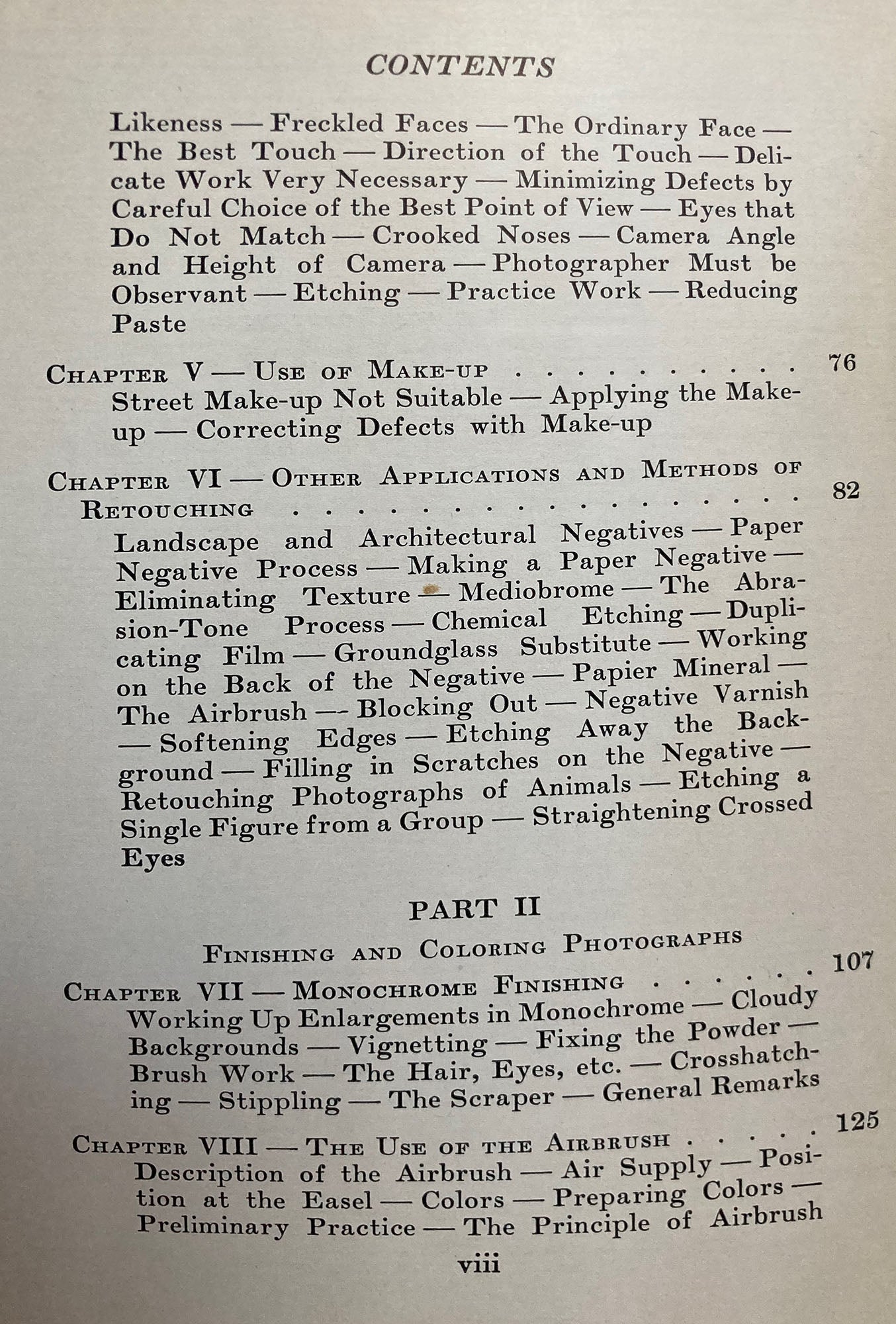
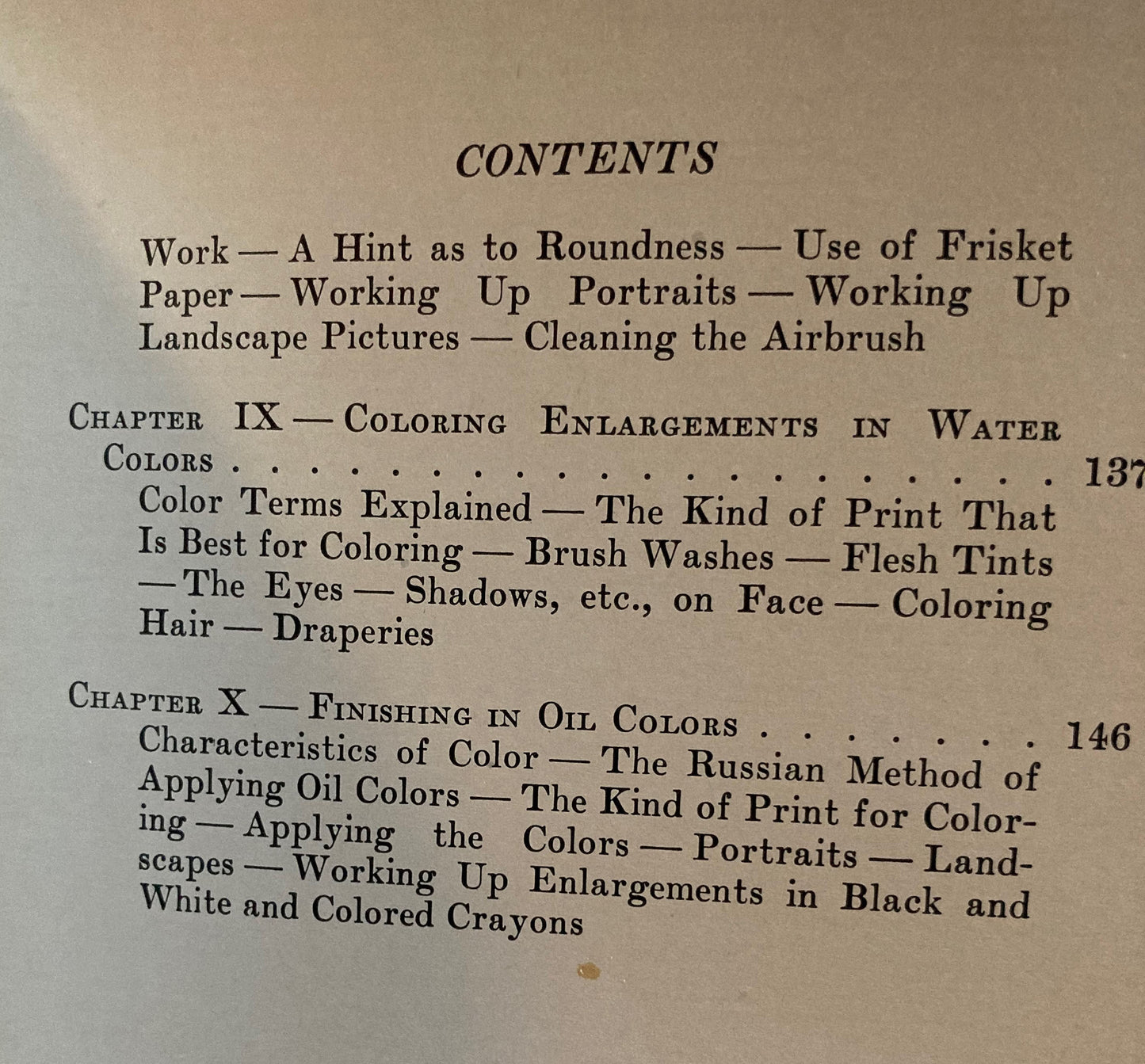
American Photographic Publishing Co., 1948. Very good without dust jacket in red cloth. Wear at spine tips and corners. Originally written by Robert Johnson in the 1920s, this 14th edition takes into account the evolution of photographic technology from large glass plate negatives to smaller film formats and the widespread practice of airbrushing. Includes illustrations not in the 1930 edition. Enhancing black-and-white prints with the use of hand-applied color is covered, as in the earlier editions. Thorough treatment of the subject. See images of table of contents provided with this listing. 158 pages. Summary:
The Art of Retouching and Improving Negatives and Prints (14th Edition, 1941) by Arthur Hammond is the definitive "Technical Bible" for the pre-digital era of photographic manipulation. Originally based on the methods of Robert Johnson, this expanded edition serves as a masterclass in the manual "finishing" of images, teaching photographers how to surgically alter the physical emulsion of a negative to achieve an idealized aesthetic.
Core Themes and Narrative
-
The "Idealized" Truth: Hammond argues that the camera often captures "too much" reality. The book's mission is to teach the artist how to remove "mechanical defects" (freckles, wrinkles, or distracting background elements) to reveal a more "truthful" or flattering likeness of the subject.
-
The Manual Interface: The book focuses on the intimate, tactile relationship between the photographer and the film. It treats retouching as a fine-art discipline, requiring the steady hand of a surgeon and the eye of a classical painter.
-
Corrective vs. Creative: While much of the text is dedicated to correcting technical errors (like underexposure or lens flare), a significant portion explores "creative" retouching—using pencils and etching knives to reshape a jawline or add "sparkle" to the eyes.
Visual and Technical "Finish"
-
The "Etched" Finish: Hammond provides exhaustive instructions on using knives and scrapers to physically shave down the density of a negative to create deeper shadows or sharper contours.
-
The Pencil and Abrasive Method: The book details the use of specialized retouching leads and abrasive pastes to "build up" highlights or smooth out skin textures. The goal was a "flawless surface" that appeared natural even under the scrutiny of a magnifying glass.
-
Airbrushing and Spotting: Later chapters introduce the "Airbrush Finish," a precursor to modern digital smoothing, used for creating perfectly graded backgrounds and soft-focus "dreamlike" effects.