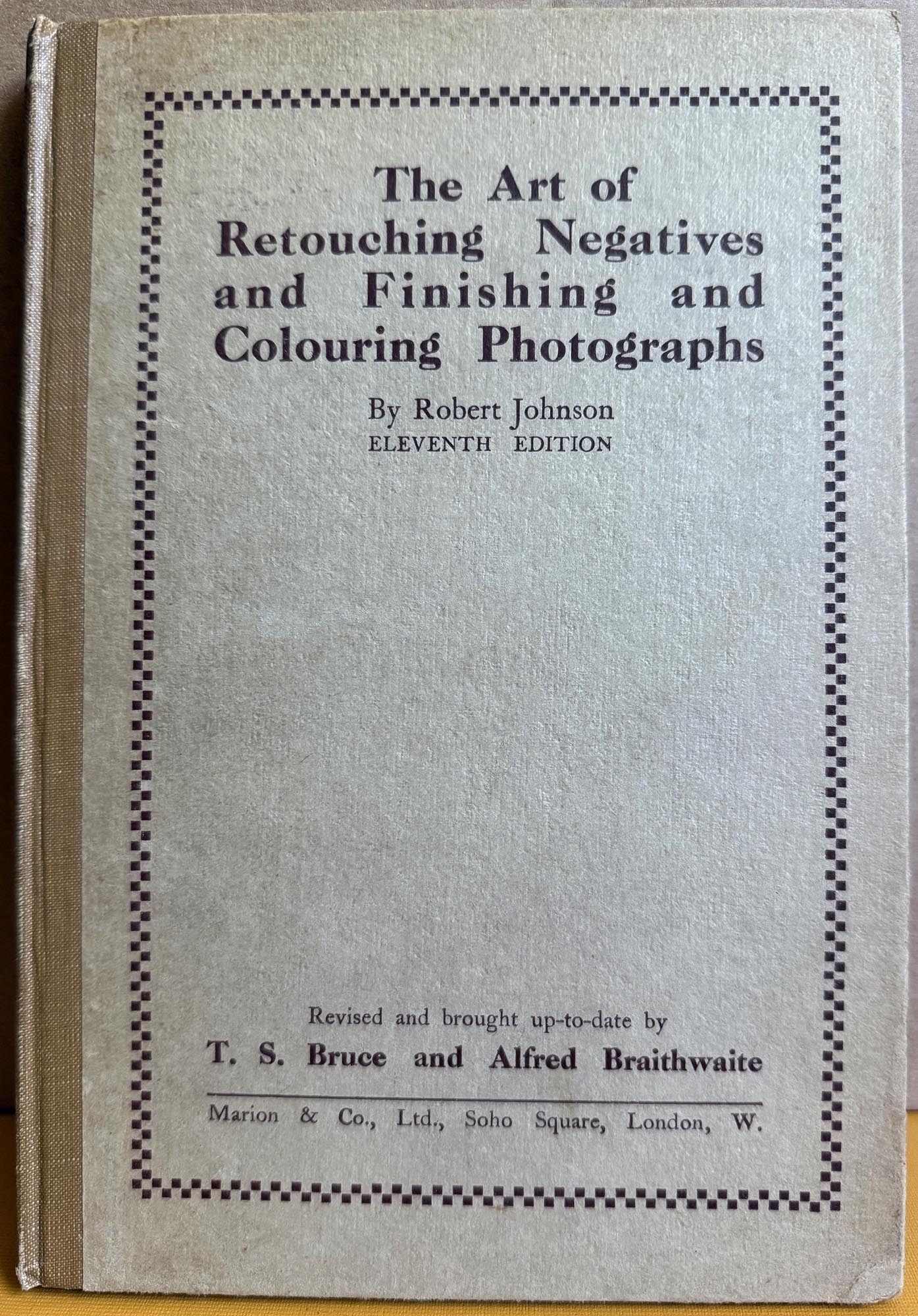
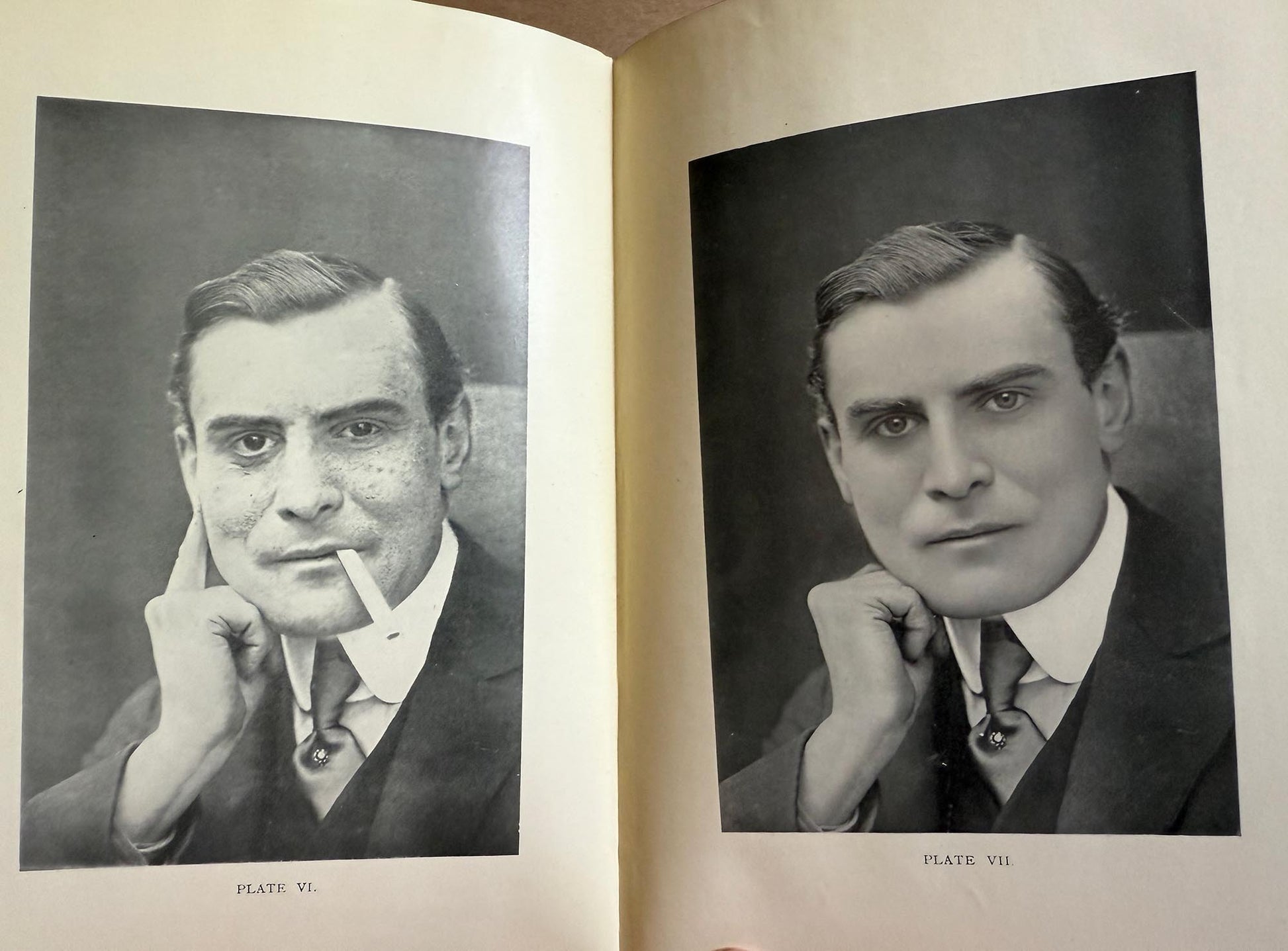
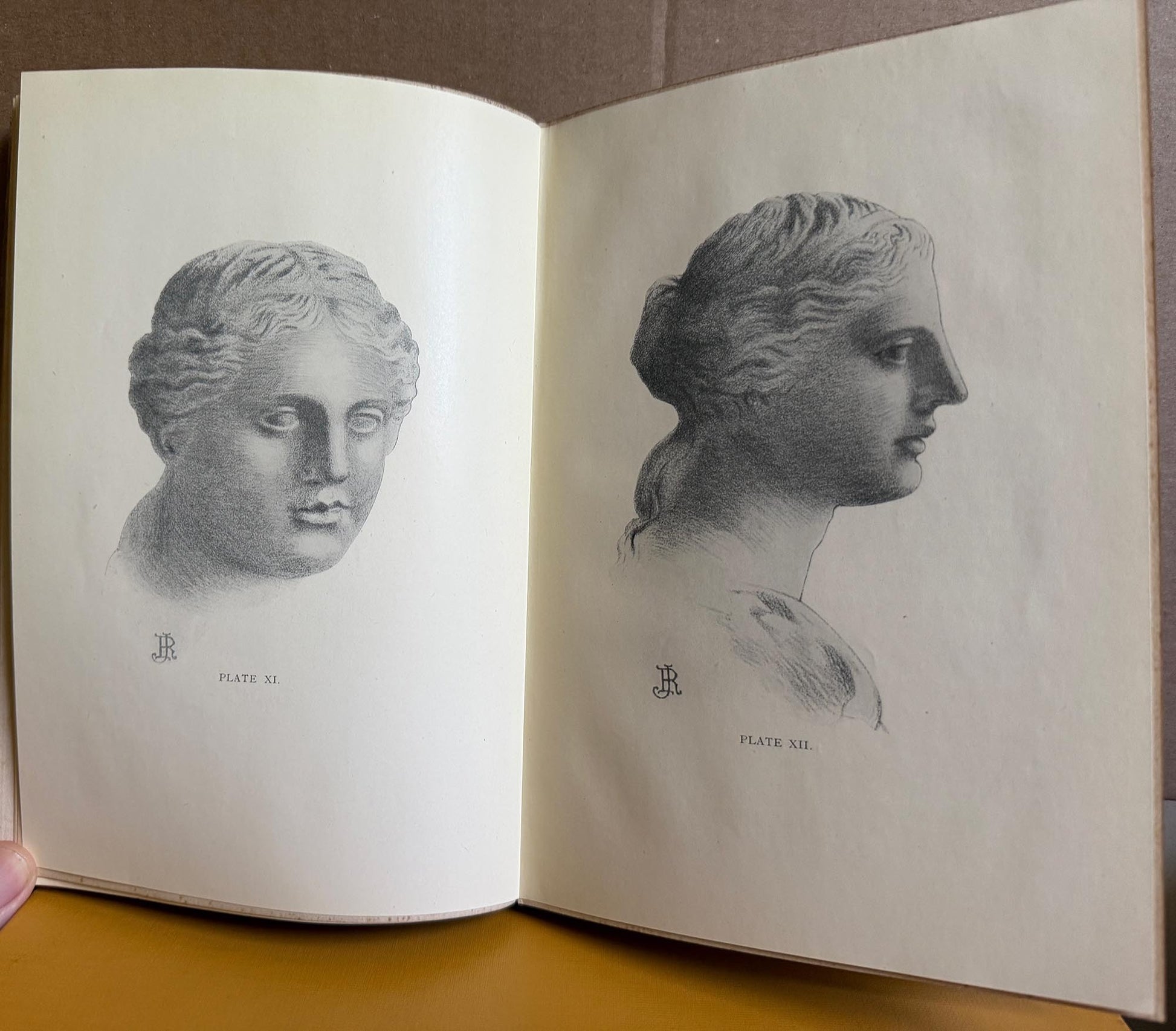
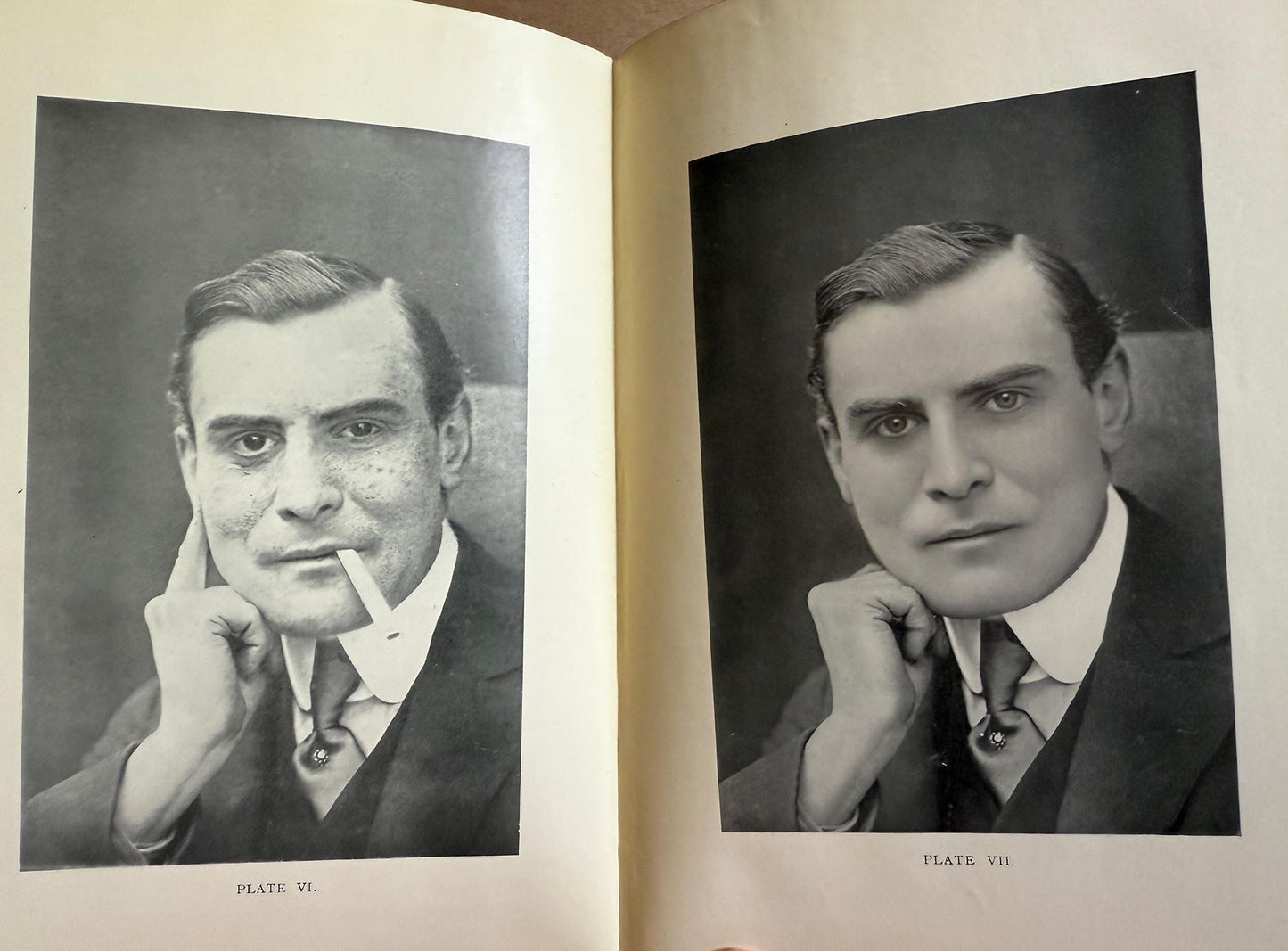
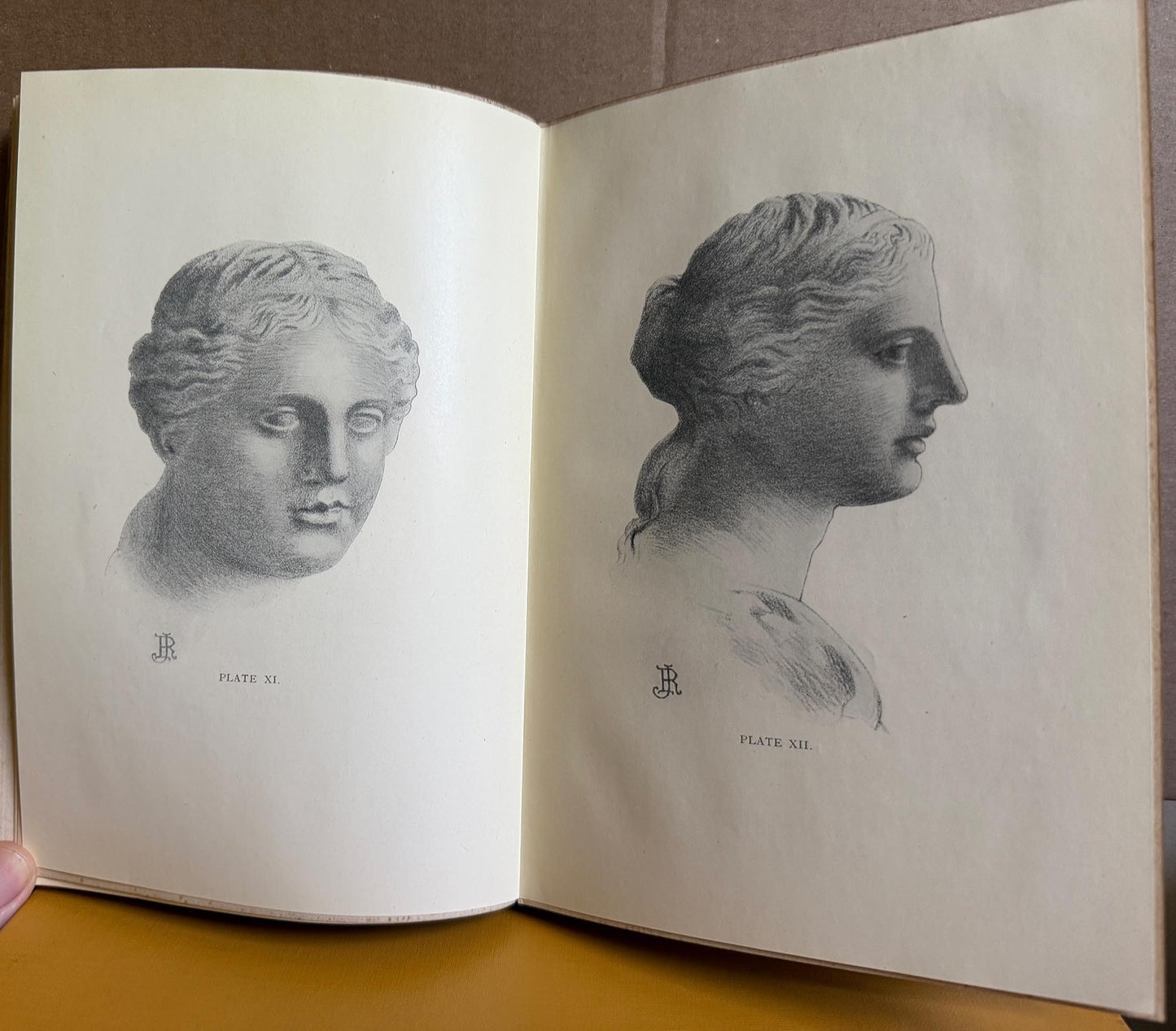
Marion, London, UK, 1922. Revised and re-written by T. S. Bruce and Alfred Braithwaite. 90 pages plus seven pages of ads. Illustrated with 9 plates, 8 in monochrome and one in color. Lacks dust jacket. Titled in pencil on spine. Binding sound, pages unmarked, generally very good. Summary:
The Art of Retouching Negatives and Finishing and Colouring Photographs (Eleventh Edition) by Robert Johnson is a classic, practical handbook from the early 20th century that teaches photographers and photographic retouchers the technical skills and artistic techniques for enhancing photographic work—focusing specifically on retouching negatives and finishing prints, including hand-colouring methods.
📘 Overview
This book serves as a how-to manual for photographers who want to refine and elevate their photographic prints beyond straight prints from a negative. It was widely used in its time by both professional and amateur photographers who needed authoritative guidance on the craft of photographic finishing. The Eleventh Edition reflects updates and practical revisions of techniques current for its era.
🎯 Core Content
Retouching Negatives
Johnson provides detailed instruction on how to retouch photographic negatives to improve or correct details before printing. This includes manipulating shadows, highlights, and specific image blemishes directly on the negative, helping achieve better tonal balance and visual impact in the final print.
Finishing Techniques
The book also offers step-by-step guidance on finishing photographic enlargements, covering tools and materials used to refine the look of prints after development. This includes techniques to smooth, sharpen, or correct surface details to create a more polished finished image.
Colouring Photographs
A significant portion of the book is devoted to hand-colouring processes. Johnson discusses how to apply color to black-and-white photographic prints using pigments, dyes, watercolors, airbrush work, and other materials. He explains which colors and tools work best for different print types and desired effects, giving practical tips for achieving stable and aesthetically pleasing results.
🧰 Practical Approach
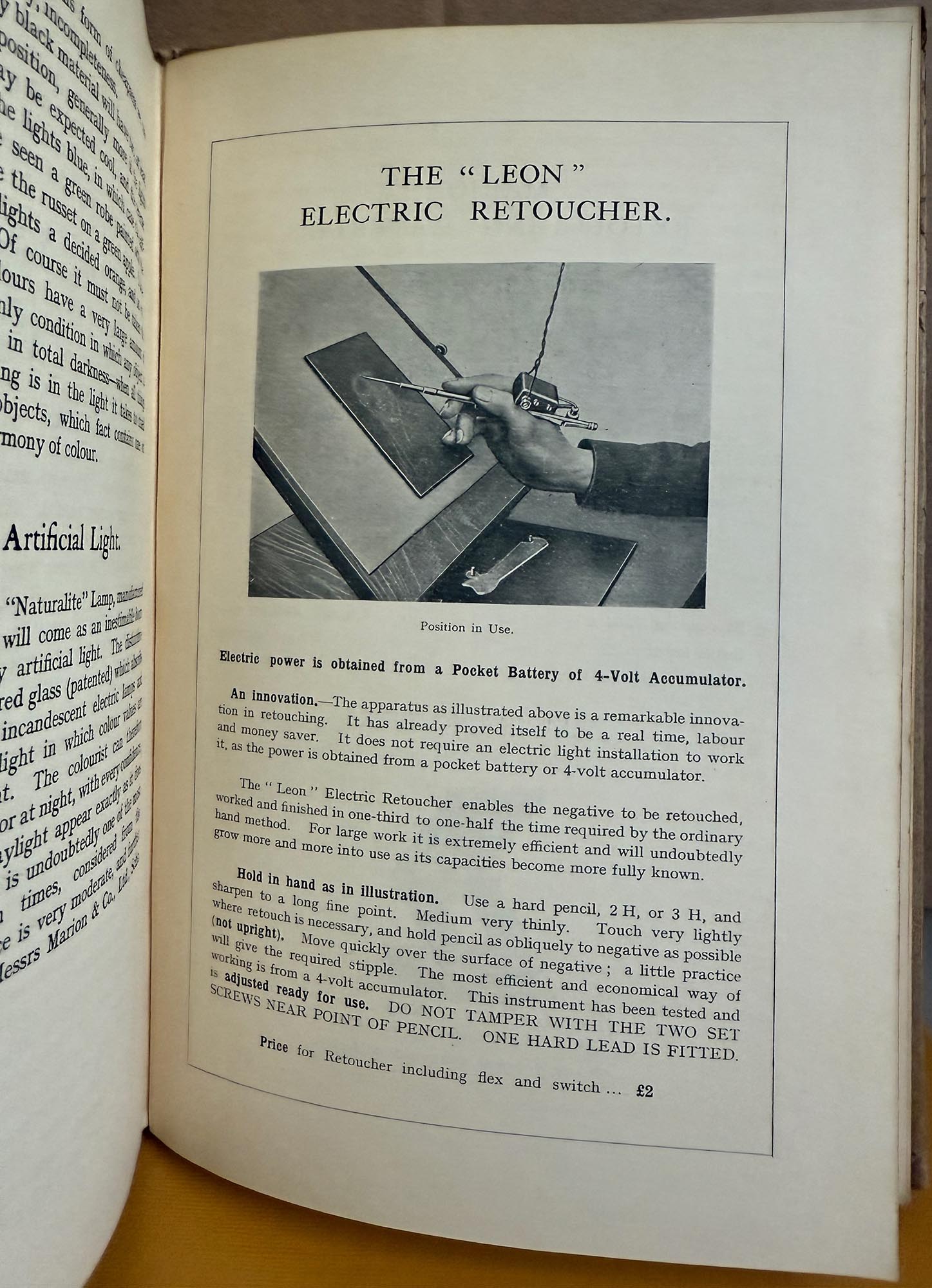
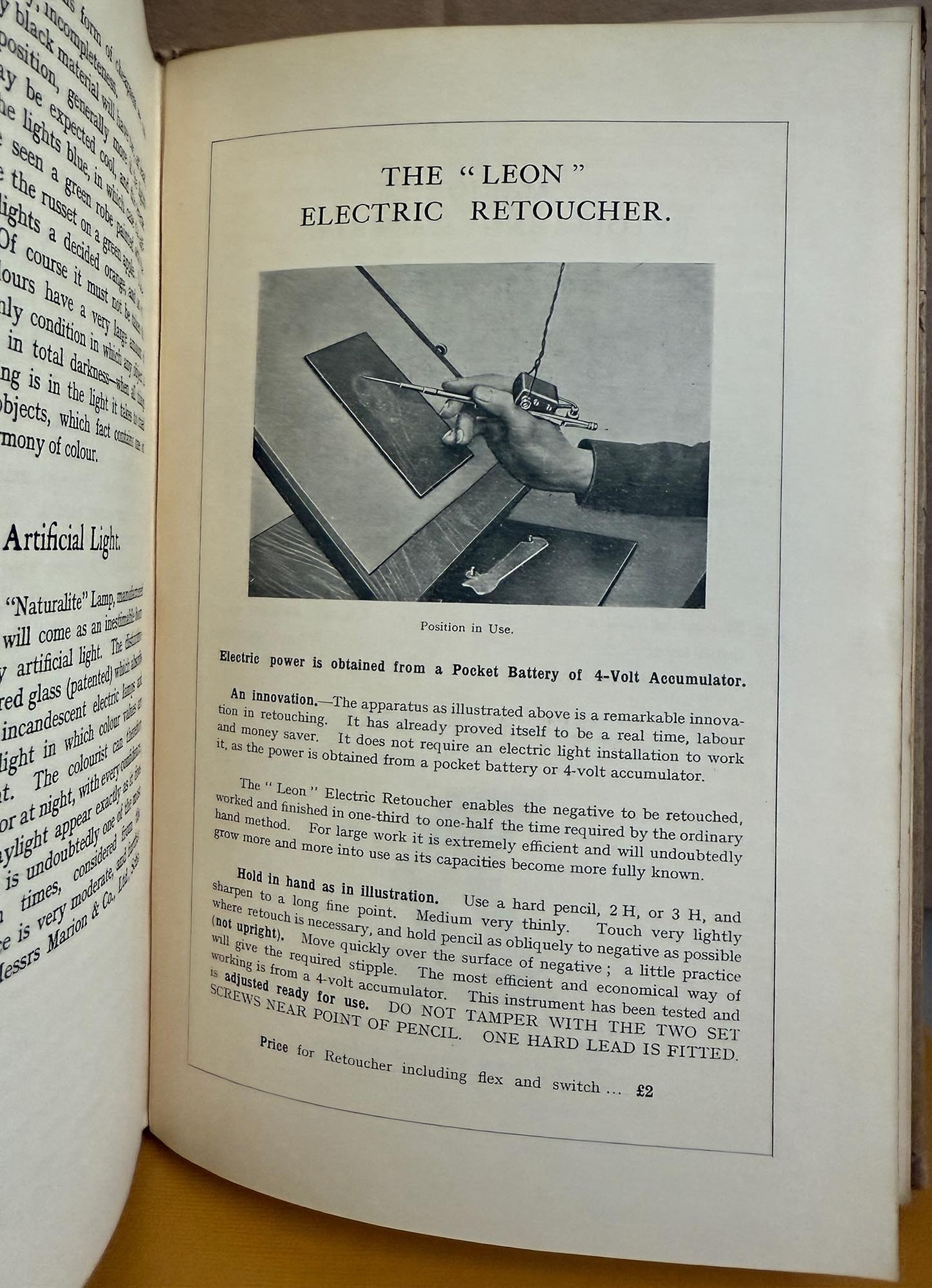
Rather than being theoretical, the book is very hands-on: it describes necessary tools (such as pencils, brushes, scrapers, and airbrushes), materials (including non-fugitive colors and dyes), and specific methods for manipulating both negatives and prints. It emphasizes manual skill and practice-oriented learning, encouraging readers to develop the tactile and artistic competencies needed for high-quality retouching and coloring.
📌 Legacy and Use
While photographic technology and printing have changed dramatically since the book’s publication, The Art of Retouching Negatives and Finishing and Colouring Photographs remains a historical snapshot of photographic craft techniques before the digital era and a reference for analog photographers and historians interested in traditional printmaking and image enhancement.