Gary Saretzky Photo Books
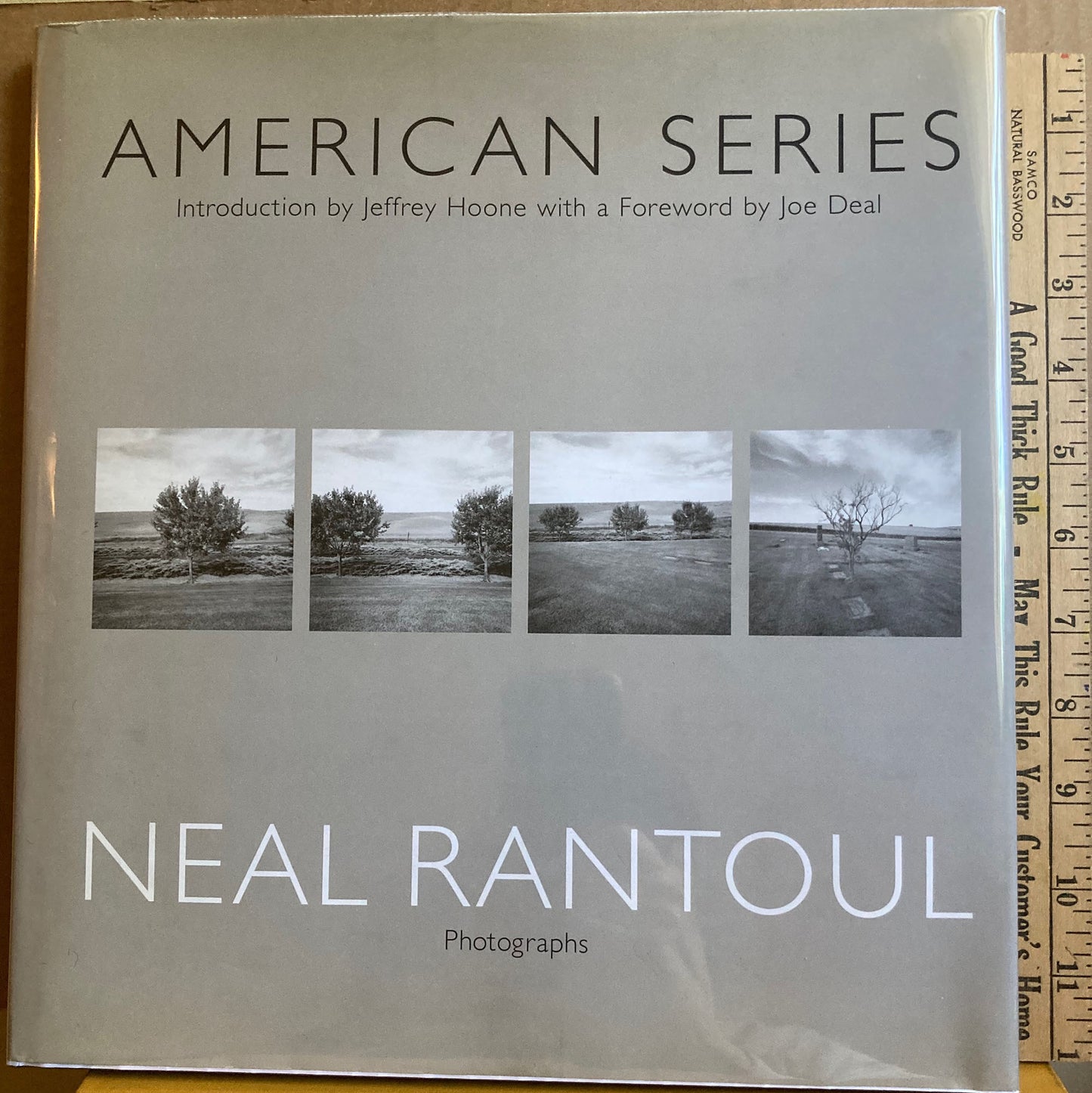
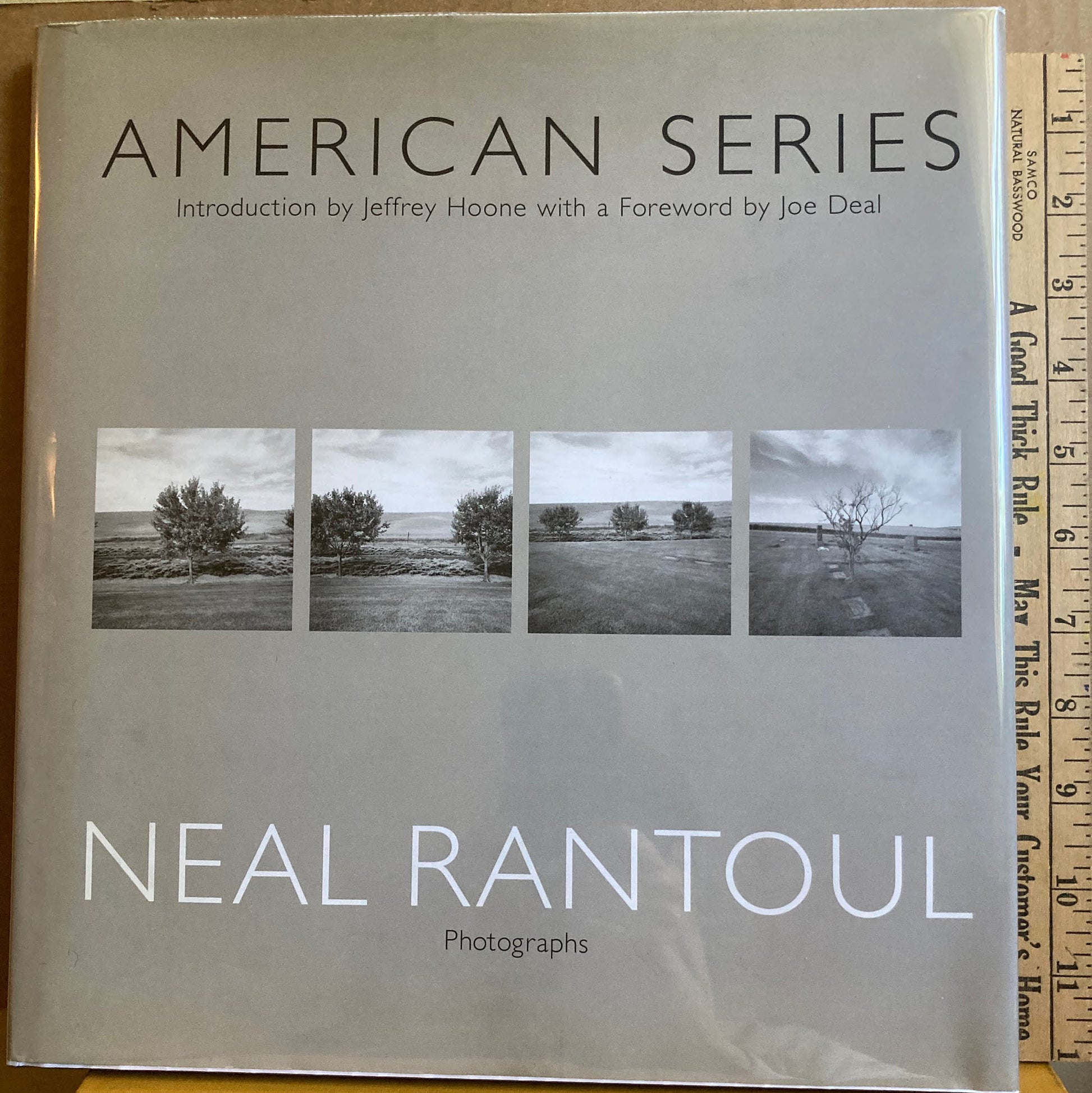
Rantoul, Neal. American Series by Neal Rantoul.
Rantoul, Neal. American Series by Neal Rantoul.
Couldn't load pickup availability
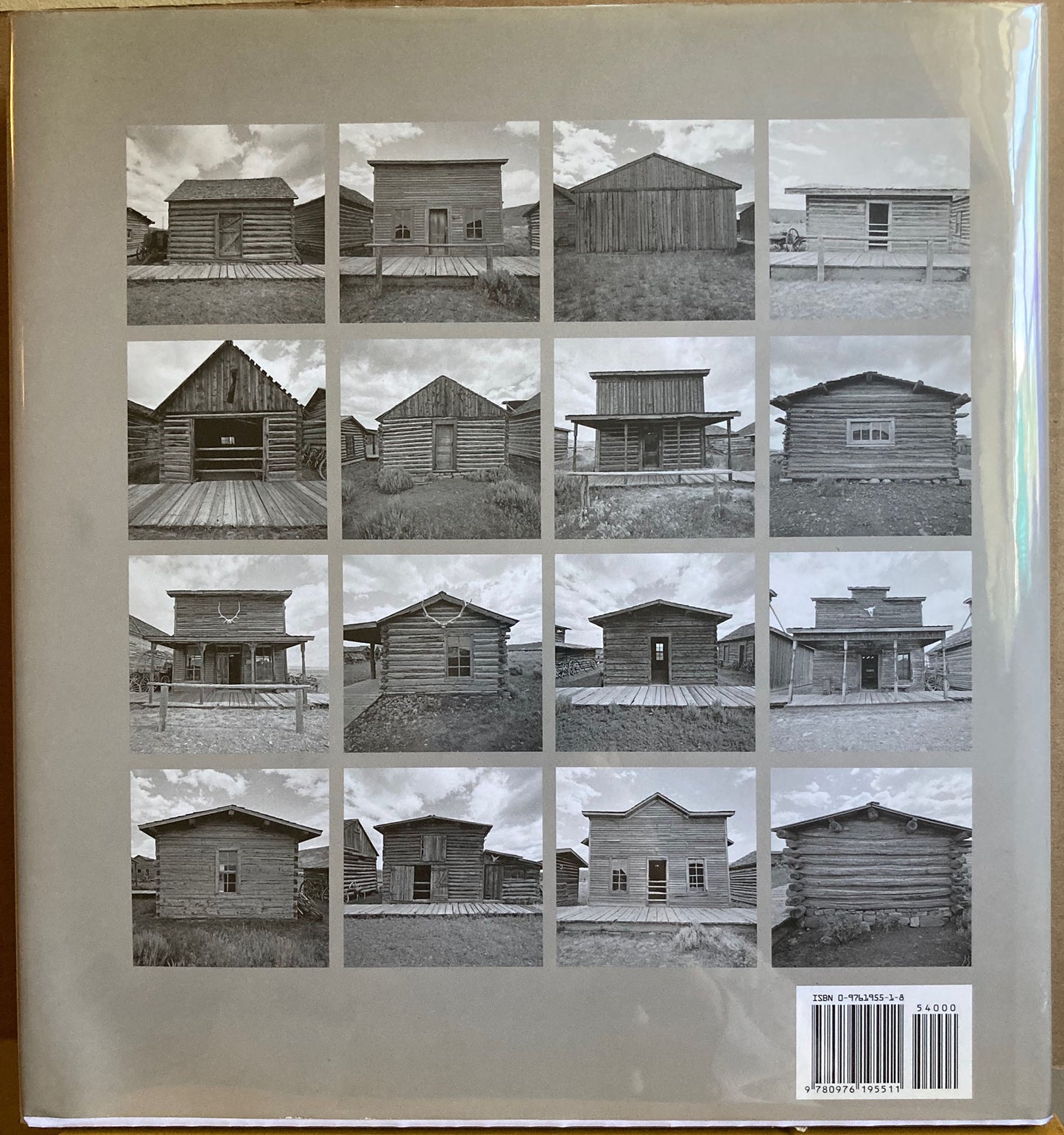
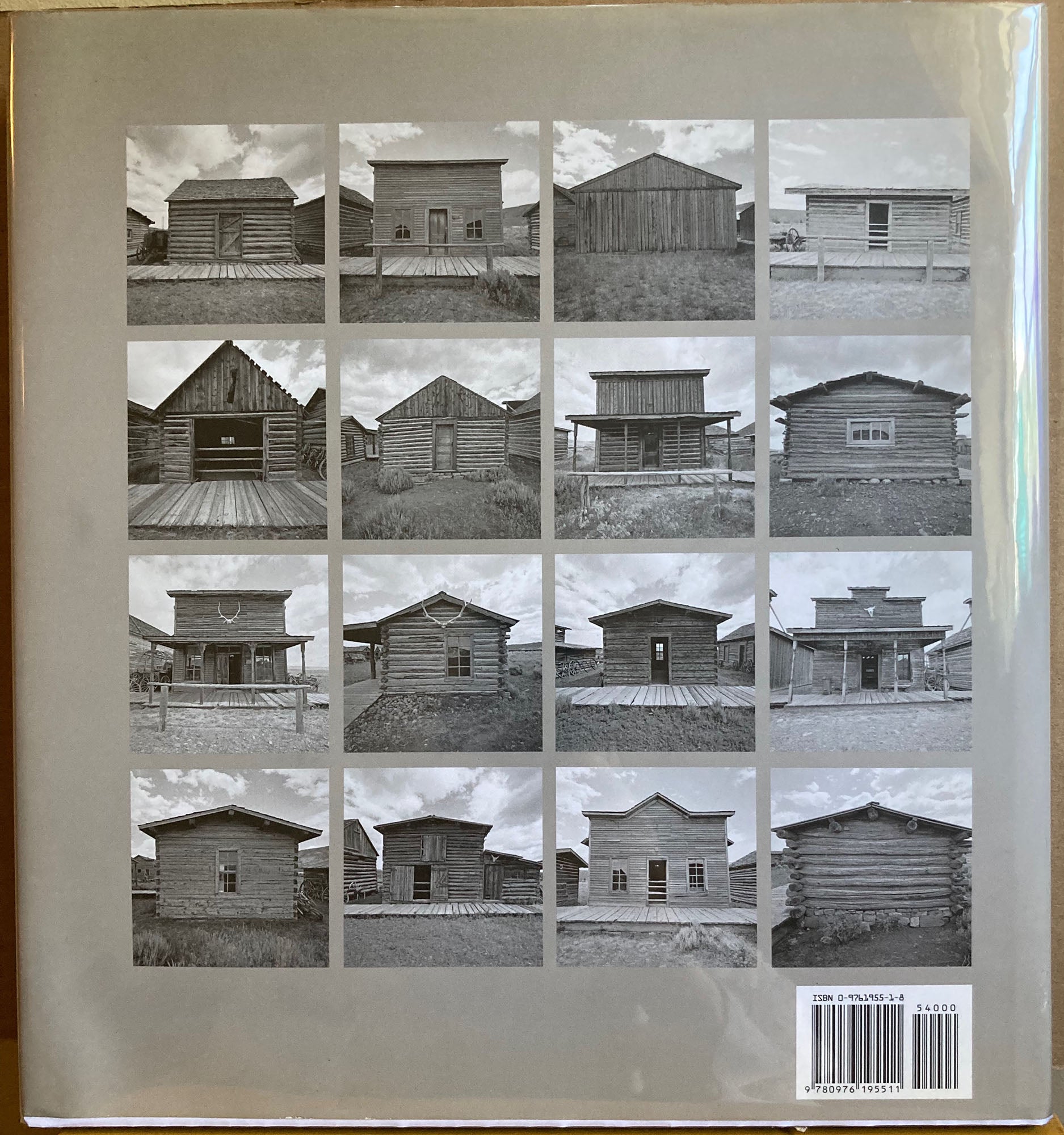
Pond Press, 2006. Texts by Joe Deal and Jeffrey Horne. First edition, first printing. Very good with crease at margin of a foldout, just a touch of yellowing at margins of pages, and one page with a couple of small defects. Protected dust jacket is near fine. No remainder mark; many copies available for sale have remainder marks. First monograph by Rantoul, who shows the influence of the Becher School. 72 pages with excellently printed large format black and white photographs, landscapes and vernacular architecture by Rantoul, who taught at Harvard University and Northeastern University in Boston for decades. Summary:
American Series (2006) is a significant monograph by the influential educator and photographer Neal Rantoul, formerly the head of the photography program at Northeastern University. The book acts as a visual distillation of Rantoul's career-long obsession with the "cultural landscape"—the points where human intervention meets the natural world across the United States.
Core Themes and Artistic Vision
-
The "New Topographics" Influence: Rantoul’s work sits firmly in the tradition of "New Topographics," a style that eschews romanticized, Ansel Adams-style vistas in favor of a neutral, almost clinical observation of man-made environments.
-
The Rural and the Industrial: The "Series" within the book cover diverse American locales, from the wheat fields of the Palouse to the stark, functional architecture of rural Pennsylvania and the Midwest. Rantoul explores how fences, roads, and silos impose a geometric order on the chaos of nature.
-
The Absence of Man: Rantoul’s frames are largely devoid of people. Instead, he allows the structures themselves—barns, weathered houses, and industrial sites—to speak as silent portraits of American labor and residency.
Visual and Technical Style
-
Large-Format Precision: Rantoul is a master of the 8x10 view camera. The book is noted for the extreme depth of field and staggering detail that only large-format film can provide. Every blade of grass and every crack in a concrete wall is rendered with forensic clarity.
-
Sequencing as Narrative: The book is structured into distinct "sets" or series. This highlights Rantoul's methodology: he does not look for a single "decisive moment" but rather for the cumulative truth found in photographing a subject from multiple angles and in varying lights.
- Neal Rantoul is an acclaimed American photographer and educator whose career spans over four decades of landscape, architectural, and documentary photography. Known for his exacting precision, luminous clarity, and mastery of large-format and aerial photography, Rantoul spent thirty years directing the photography program at Northeastern University before retiring as a full professor in 2012, alongside thirteen years of teaching at Harvard University. His expansive body of work ranges from sweeping black-and-white landscapes of the Palouse wheatfields to intimate, complex investigations of human intervention, environmental devastation—such as his aerial series documenting the aftermath of the California Camp Fire—and medical artifacts. With over 60 solo exhibitions throughout his career, Rantoul is the recipient of prestigious awards and grants, and his photographs are held in the permanent collections of major institutions worldwide, including the Museum of Fine Arts, Boston, the Houston Museum of Fine Arts, the Kunsthaus Zürich, and the Bibliothèque Nationale in Paris.