Gary Saretzky Photo Books
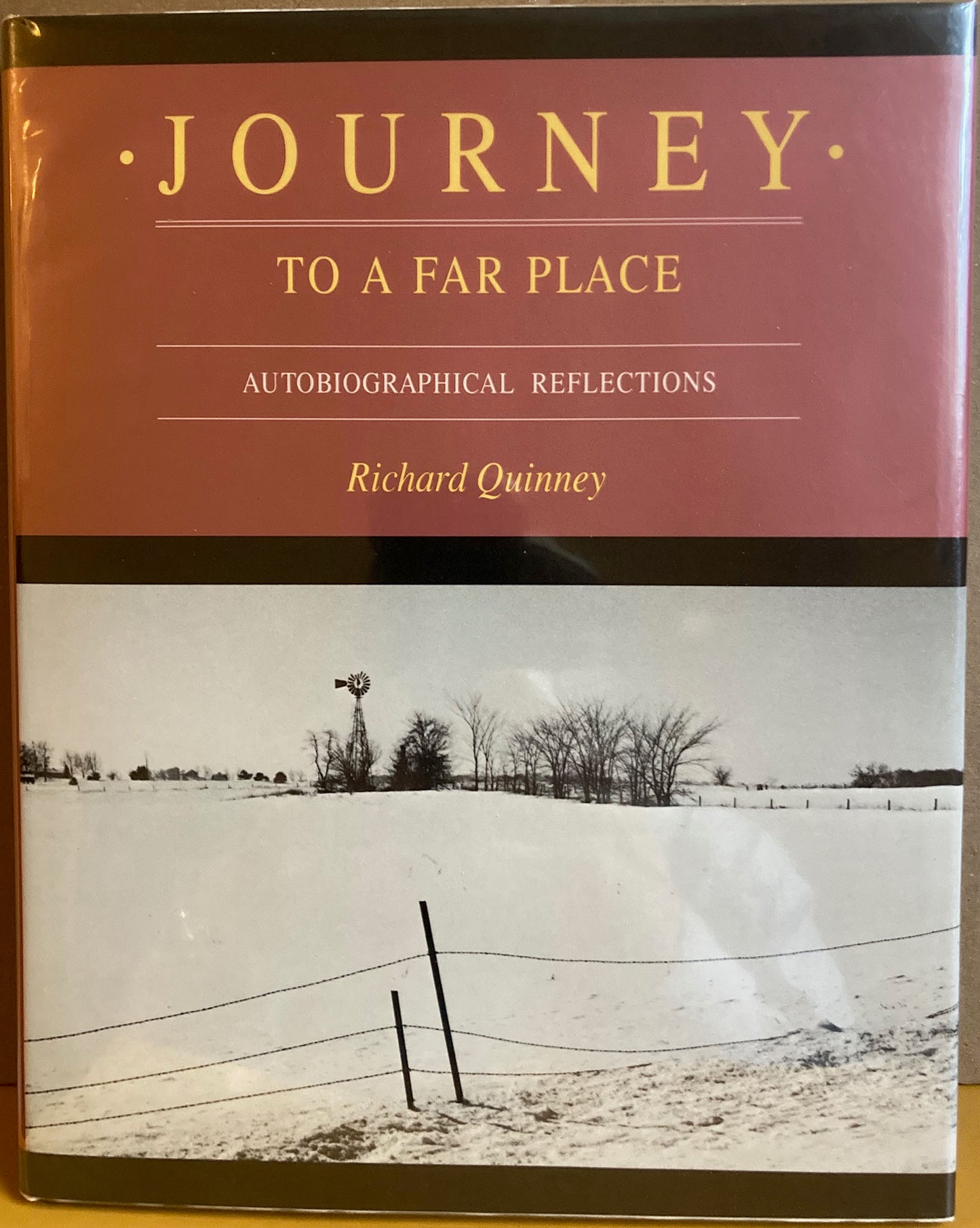
Quinney, Richard. Journey to a Far Place: Autobiographical Reflections by Richard Quinney.
Quinney, Richard. Journey to a Far Place: Autobiographical Reflections by Richard Quinney.
Couldn't load pickup availability
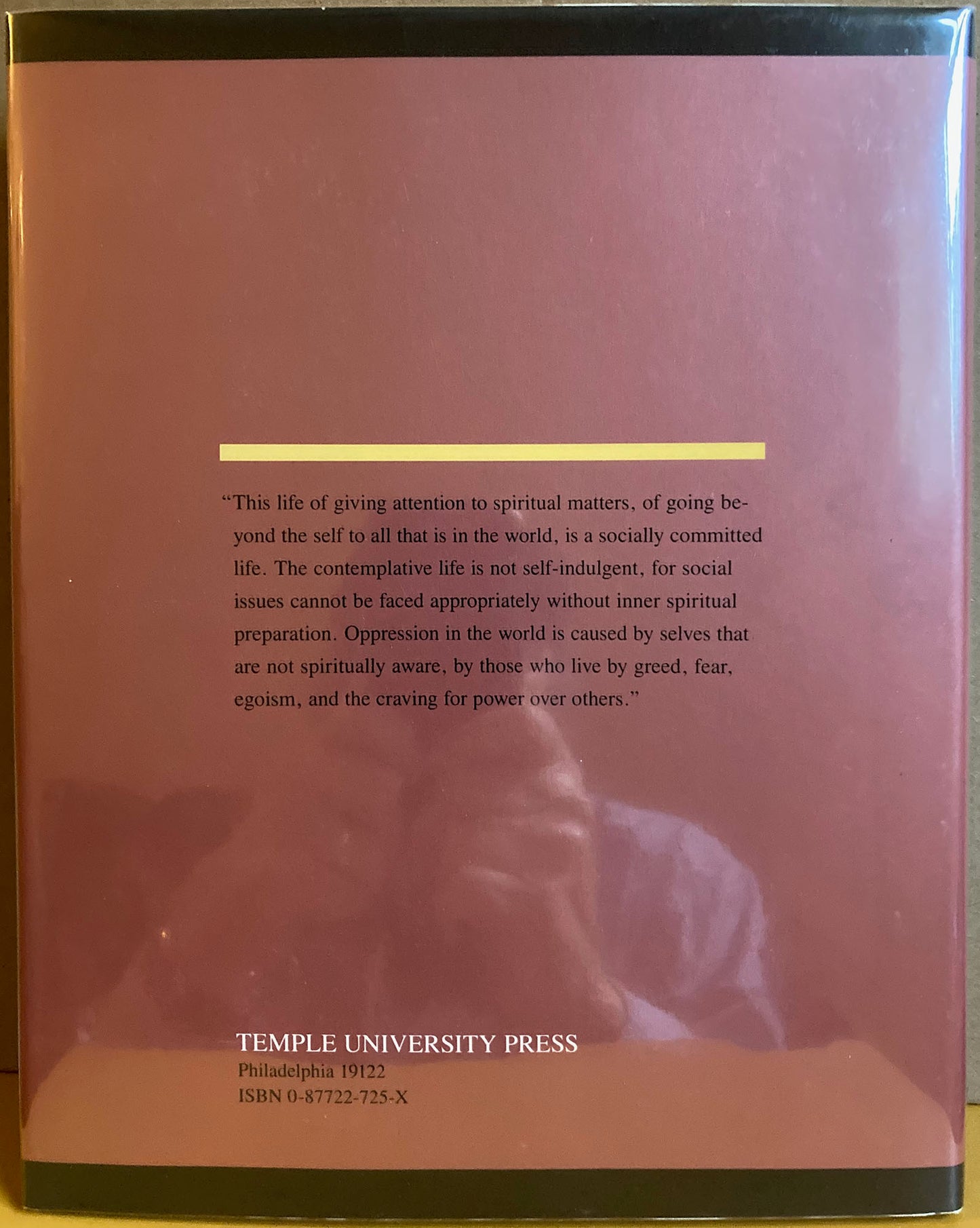
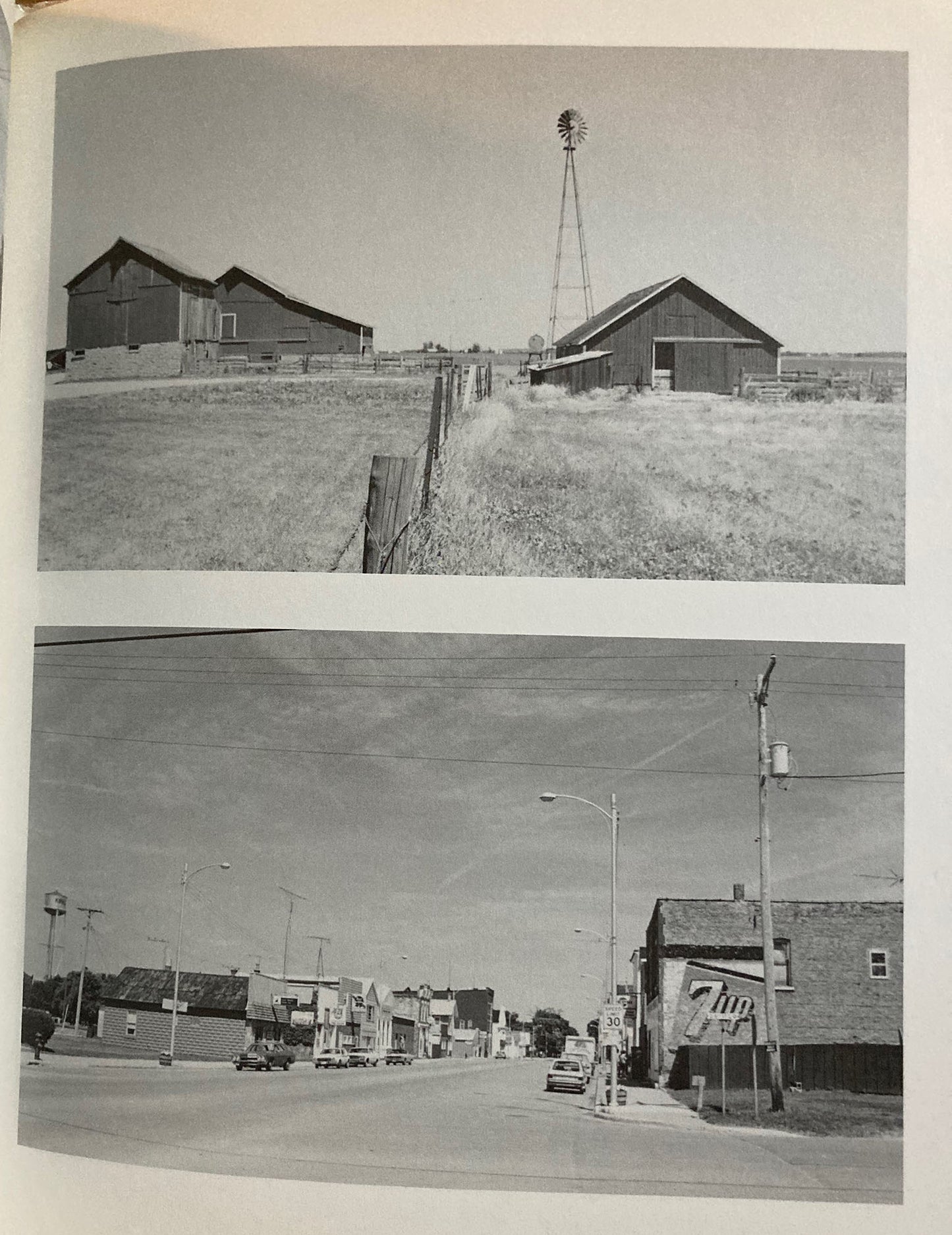
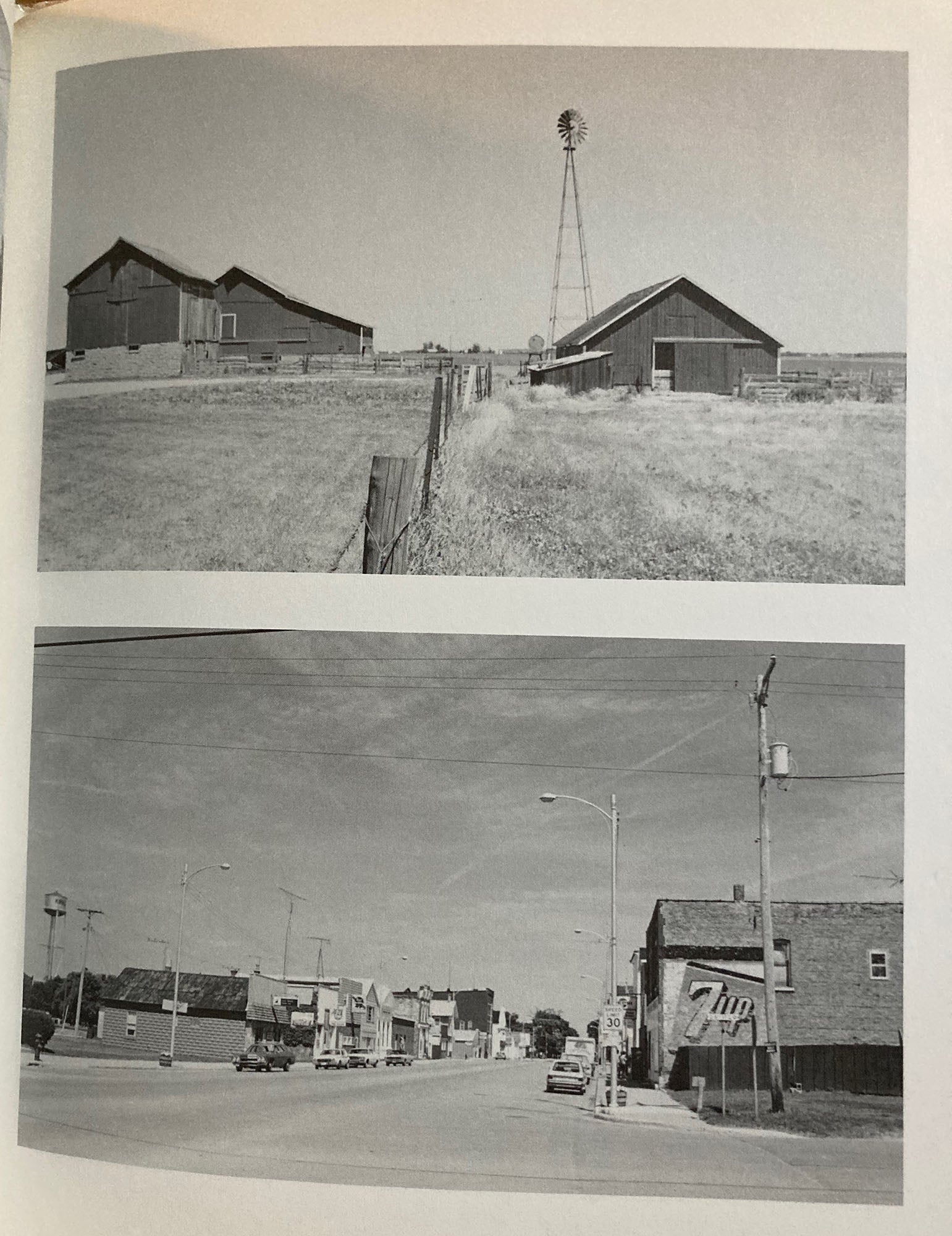
Temple University Press, 1991. Hardcover with protected dust jacket, like new. 169 pages. Presumed first edition, no later printings indicated. Accompanied by his black and white photographs of the rural Midwest, Quinney’s “meditative narration explores the meaning of worldly existence by experiencing ‘the holy other in everyday life’” (dust jacket). At time of publication, Quinney, born in 1934, was Professor Sociology at Northern Illinois University. He is well known as both a philosopher and criminologist. Summary:
ourney to a Far Place: Autobiographical Reflections (1991) is a deeply meditative memoir by Richard Quinney, a prominent American sociologist and philosopher known for his work in critical criminology and Buddhist thought. The book marks a significant shift in his career from academic theory to personal, poetic narrative.
Key Themes and Insights
-
The Concept of "Place": Quinney explores the tension between his roots on a family farm in Wisconsin and his life as a cosmopolitan academic. He suggests that our "far place"—the destination of our life’s journey—is often a return to the spiritual and physical landscape of our beginnings.
-
Spiritual Geography: The narrative is heavily influenced by Zen Buddhism and Christian mysticism. Quinney views the act of living and aging as a sacred pilgrimage, seeking a sense of "oneness" with the natural world and the passage of time.
-
Photography as Witness: An amateur photographer himself, Quinney uses the book to discuss how the camera helps us "see" the sacred in the mundane. The text is often accompanied by his own minimalist photographs of rural landscapes and quiet interiors.
-
The Return Home: A central pillar of the book is Quinney’s physical and emotional return to his ancestral farm. He reflects on his parents’ lives, the labor of the land, and the "quiet grace" found in a life connected to the cycles of the seasons.
Significance
The book is a cornerstone of "reflexive sociology," where the author’s personal life is used as a lens to understand broader human conditions like alienation, belonging, and the search for meaning. It is praised for its sparse, elegant prose and its rejection of traditional academic jargon in favor of emotional honesty.
Richard Quinney (born 1934) is an American photographer, acclaimed criminologist, and philosopher whose visual work merges existential reflection with a deep sense of place. After establishing a distinguished career as a professor of sociology and authoring foundational texts in critical criminology, Quinney increasingly turned to photographic essays and visual memoirs in his later years. Grounded in his childhood roots on a Wisconsin family farm, his black-and-white imagery explores themes of time, aging, everyday spiritual grace, and the quiet mysteries of rural and domestic landscapes. Integrating photography with lyrical personal essays, his notable photographic volumes—including Journey Home, Borderland, Where the Long Grass Bends, and A Sense Sublime—examine the intersection of memory and geography, cementing his reputation as a profound practitioner of documentary ethnography and meditative visual storytelling.