Gary Saretzky Photo Books
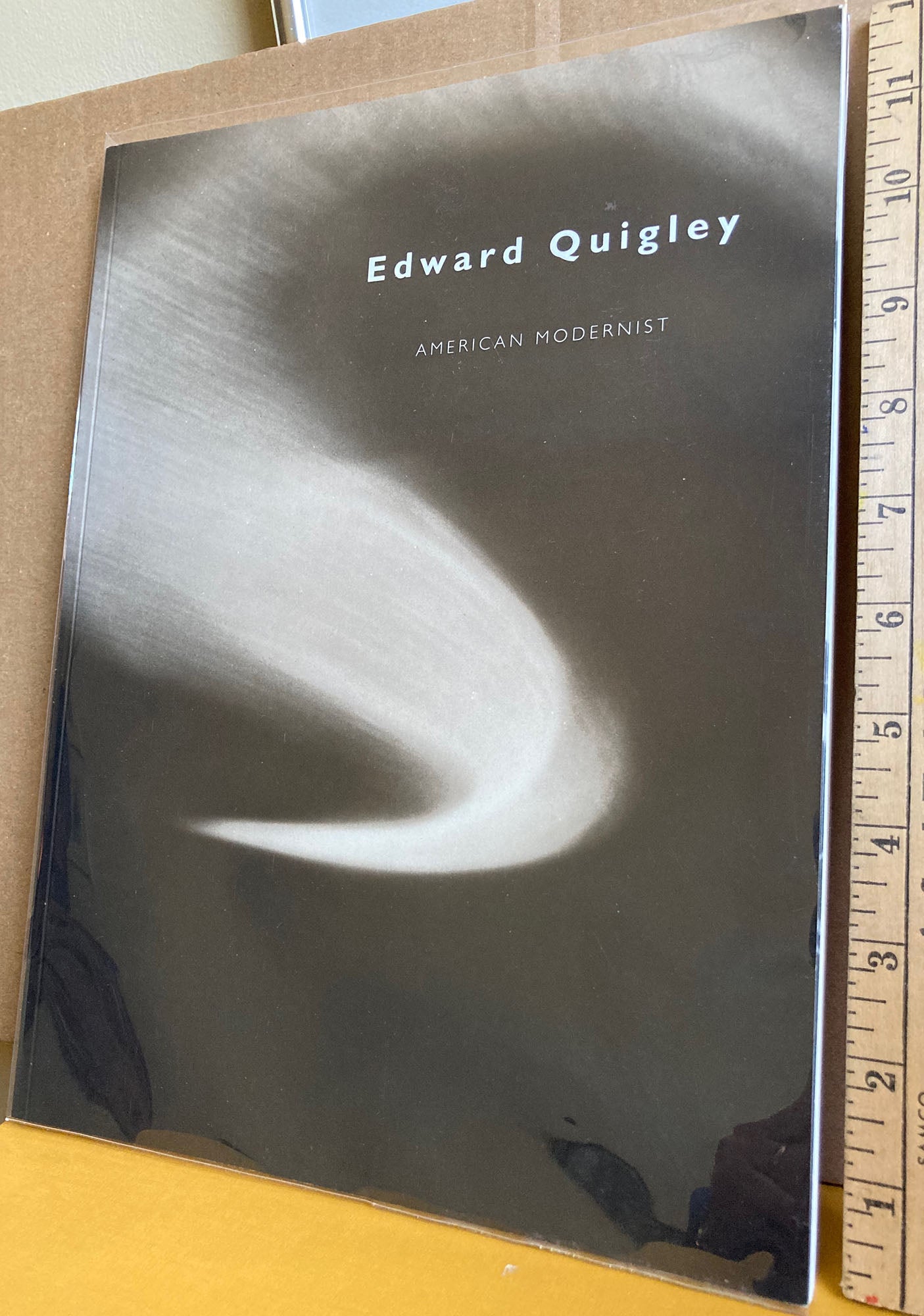
Quigley, Edward. Edward Quigley: American Modernist.
Quigley, Edward. Edward Quigley: American Modernist.
Couldn't load pickup availability
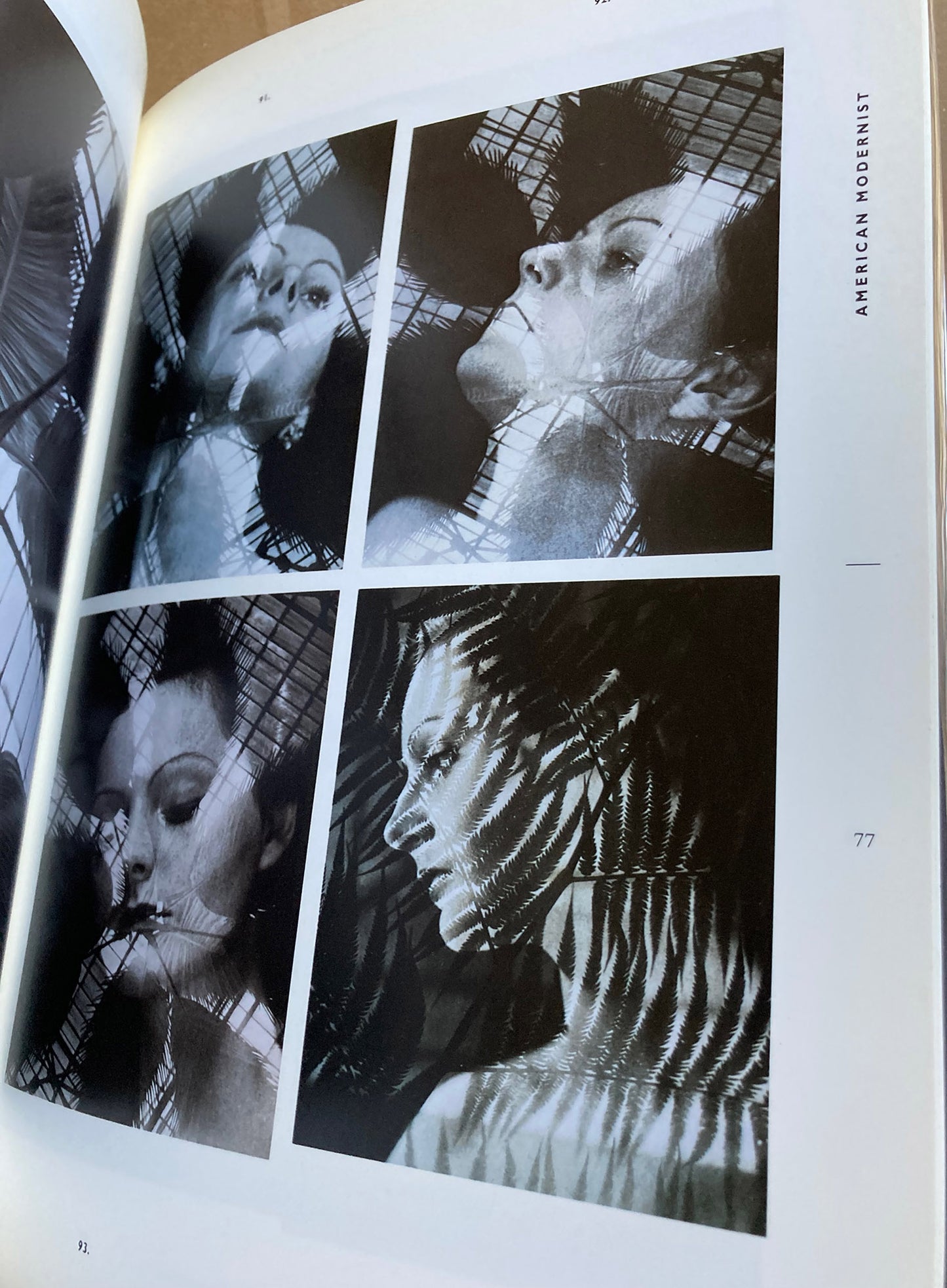
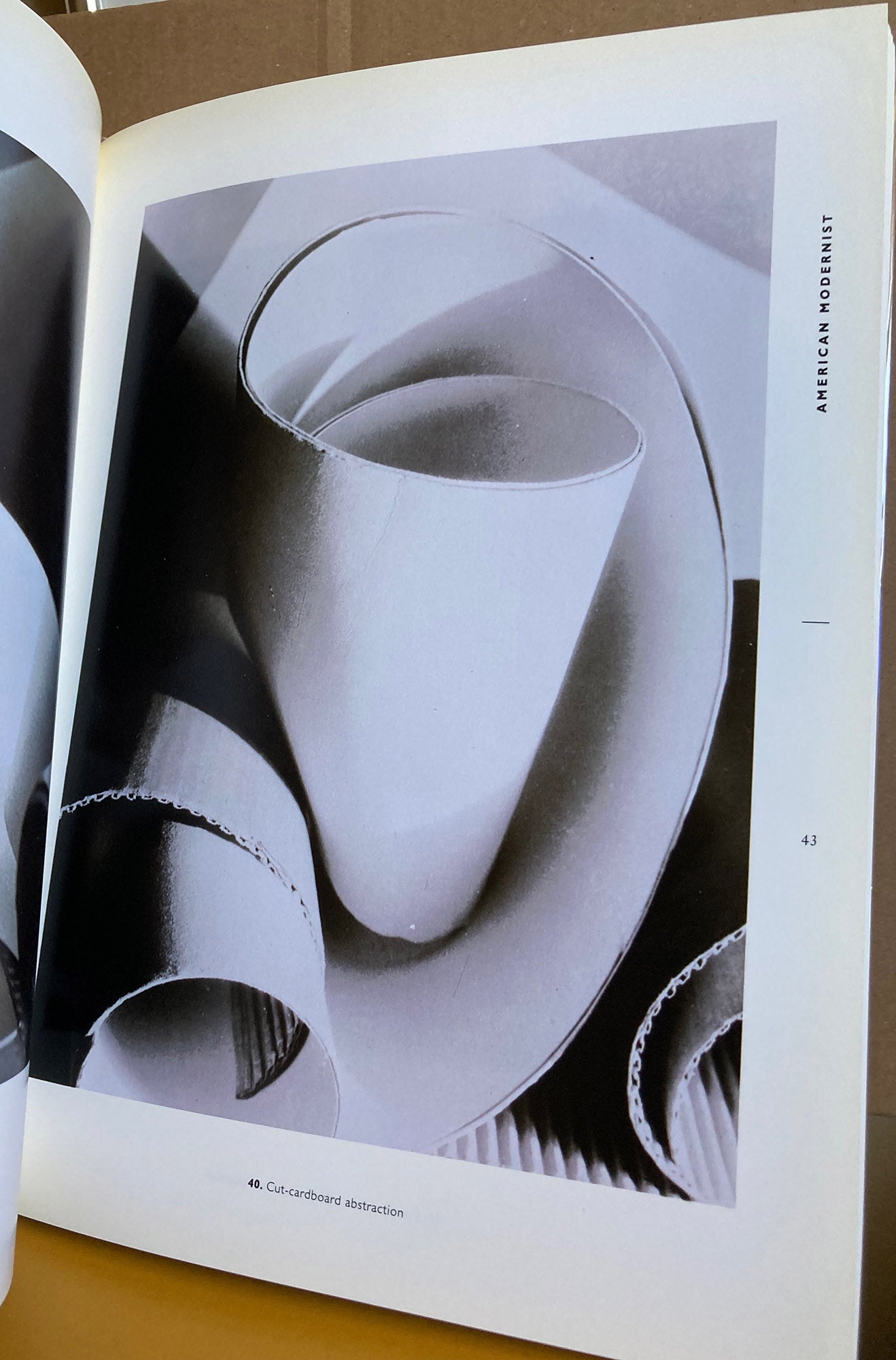
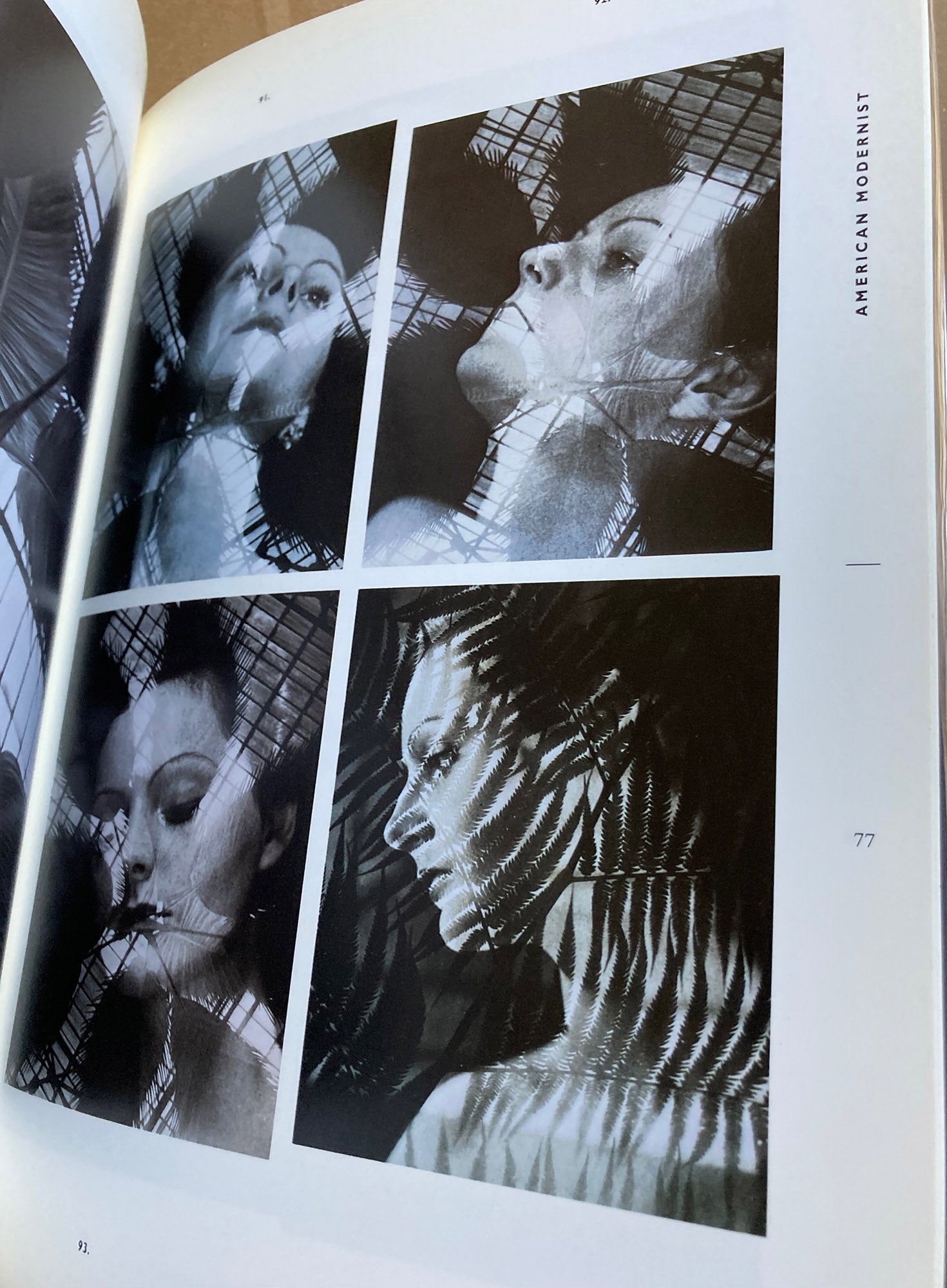
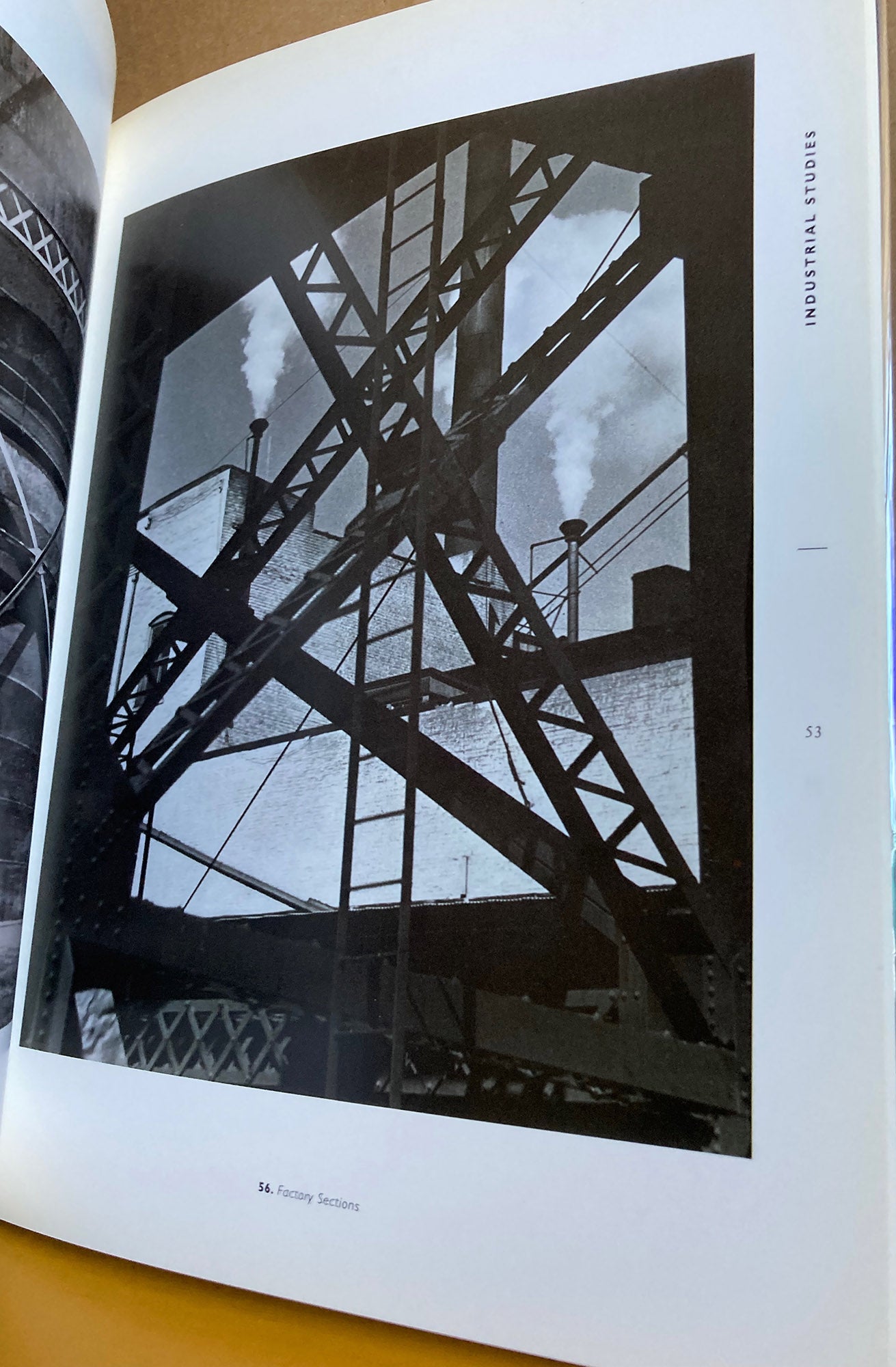
Houk Friedman, 1991. First and only edition. Exhibition catalog for a show that ran April 17 through June 1, 1991. Wraps, like new with custom-made 4-mil polyester jacket. 96 pages. 116 black and white illustrations, many full page. Texts by Barry Friedman and Robert A. Sobieszek. Edward W. Quigley (1898-1977) became a professional photographer in 1918 and opened his own studio in Philadelphia in 1930. He produced a large volume of editorial and advertising photographs in the 1930s. This excellent retrospective provides high quality reproductions of a range of his work, including portraits, light abstractions, cut cardboard abstractions, architecture, and more. As explained by Sobieszek, “A modernist artist, his work encompassed as many techniques, genres, and experimental directions as he could explore, eschewing the romantic and aspiring to create pure formal beauty.” Quigley’s work has been sold at auctions at Christie’s, Phillips du Pury, and Swann Galleries. His work was published in the 1942 U.S. Camera Annual and Poet’s Camera (1946). More recently he was included in Images from the Machine Age: Selections from the Daniel Cowin Collection (ICP, 1997), Not issued with an ISBN number. Summary:
Edward Quigley: American Modernist is a photographic monograph and exhibition catalog published in conjunction with a 1991 exhibition of the work of Edward Quigley (1898–1977), an American photographer whose experimental modernist vision was active primarily in the early to mid-20th century.
📘 What the Book Covers
-
Author/Contributor: The texts were compiled and contextualized by photography historian Robert A. Sobieszek, with contributions that frame Quigley’s work within American modernist photography.
-
Format: The book runs about 96 pages and serves as both a catalog of the exhibition held at Houk Friedman Gallery in New York (April 17 – June 1, 1991) and a retrospective of Quigley’s work. It includes approximately 116 black-and-white photographic plates, illustrating key phases of his career.
📷 Subject & Themes
-
Modernist Vision: The book documents Quigley as an innovative and experimental figure in American photography, one who worked with light, abstraction, and modern visual forms that aligned with broader trends in American modernism — a movement characterized by experimentation with form, abstraction, and the breaking of traditional artistic conventions.
-
Photographic Innovation: Through his photographs, Quigley explored abstraction and compositional invention at a time when avant-garde approaches to photography were still emerging in the United States. His work ranged from more conventional imagery to abstract compositions that emphasized light, shadow, and form.
🖼️ Historical Context
-
Quigley was active in the 1930s and exhibited alongside many of his contemporaries. Though celebrated in his era, his work became less well known over time; this 1991 catalog helped renew interest and situate him within the narrative of American modernist photography.
🧠 Purpose & Audience
The publication functions both as a document of a historical exhibition and as a visual and scholarly re-evaluation of Quigley’s contributions to American art photography. It’s aimed at readers interested in 20th-century photography, modernist art movements in the U.S., and the history of experimental photographic practice.
In essence, Edward Quigley: American Modernist presents a comprehensive look at Quigley’s work, highlighting his artistic experimentation and reaffirming his place in the history of American modernist photography.
Edward W. Quigley (1898–1977) was an American modernist photographer renowned for his pioneering experiments with light abstraction, photograms, and commercial visual design during the 1930s and 1940s. Born in Philadelphia, Quigley began photographing as a child before entering commercial studios in 1918 and establishing his own practice in 1930. Operating at the intersection of avant-garde visual art and commercial photography, he gained widespread acclaim for his innovative "designs with light"—utilizing darkroom abstractions, dramatic shadows, geometric patterns, and macrophotography for corporate clients like S.K.F. Industries. Quigley was an active participant in the American modernist movement, exhibiting alongside figures like Edward Weston, Paul Strand, and Alfred Stieglitz, including inclusion in the 1934 First Salon of Pure Photography in San Francisco and MoMA’s landmark 1948 survey In and Out of Focus. A key figure in the mid-Atlantic art community, he served as chairman of the Philadelphia Art Alliance and left behind a legacy that helped define American photographic abstraction, with his work preserved in major collections such as the Museum of Modern Art and the J. Paul Getty Museum.