Gary Saretzky Photo Books
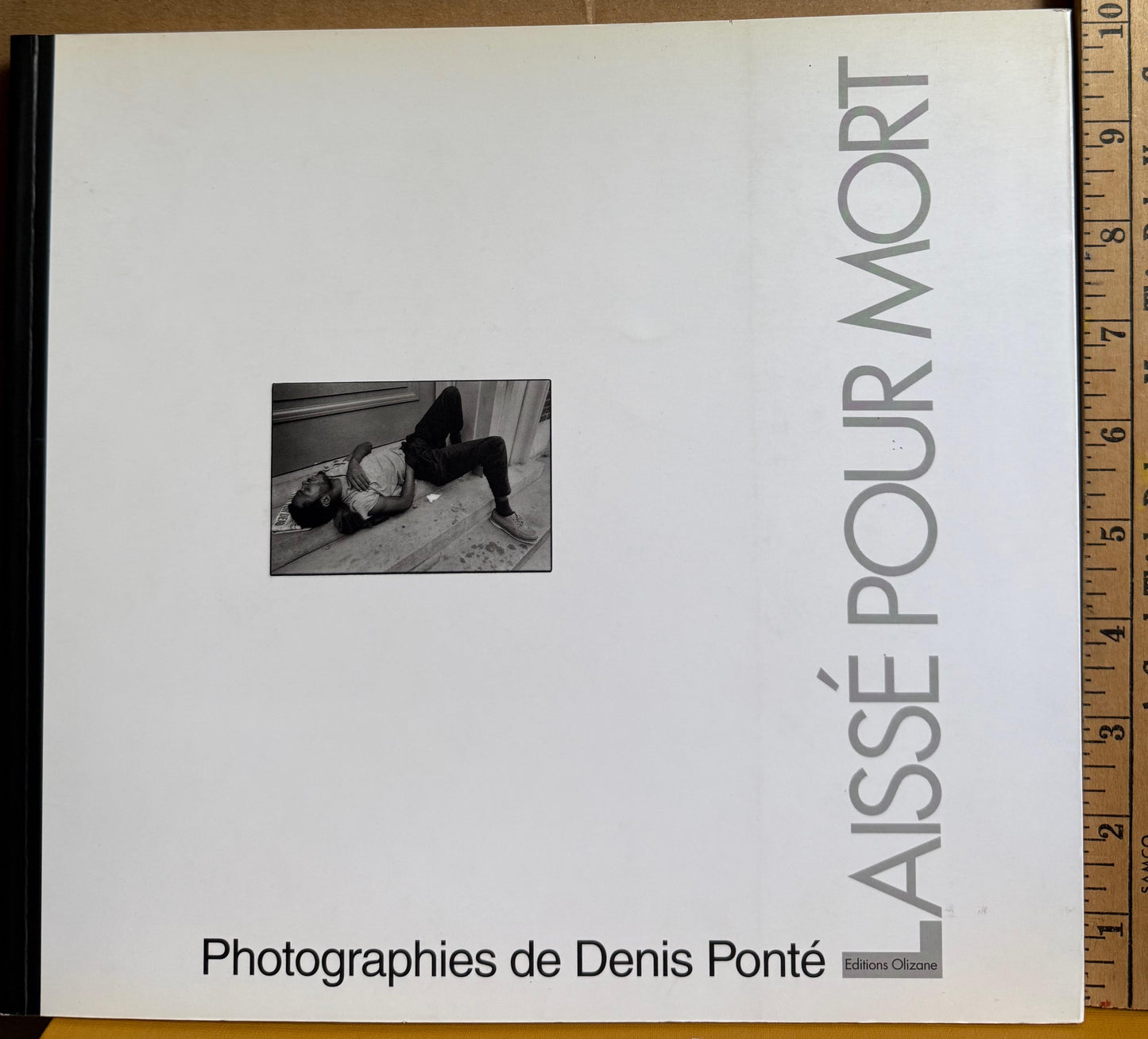
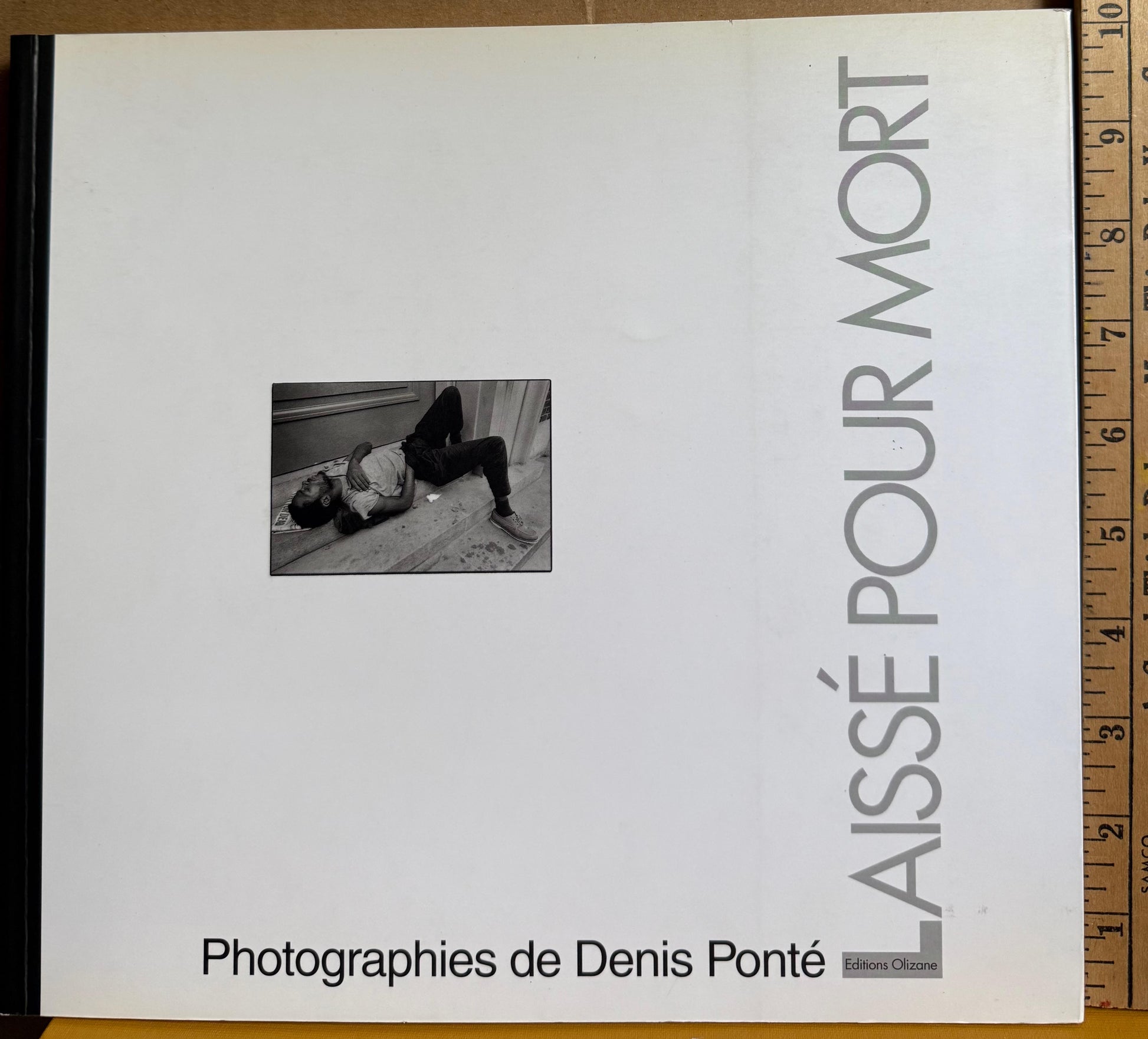
Ponté, Denis. Laissé Pour Mort. Left for Dead. Photographies de Denis Ponté.
Ponté, Denis. Laissé Pour Mort. Left for Dead. Photographies de Denis Ponté.
Couldn't load pickup availability
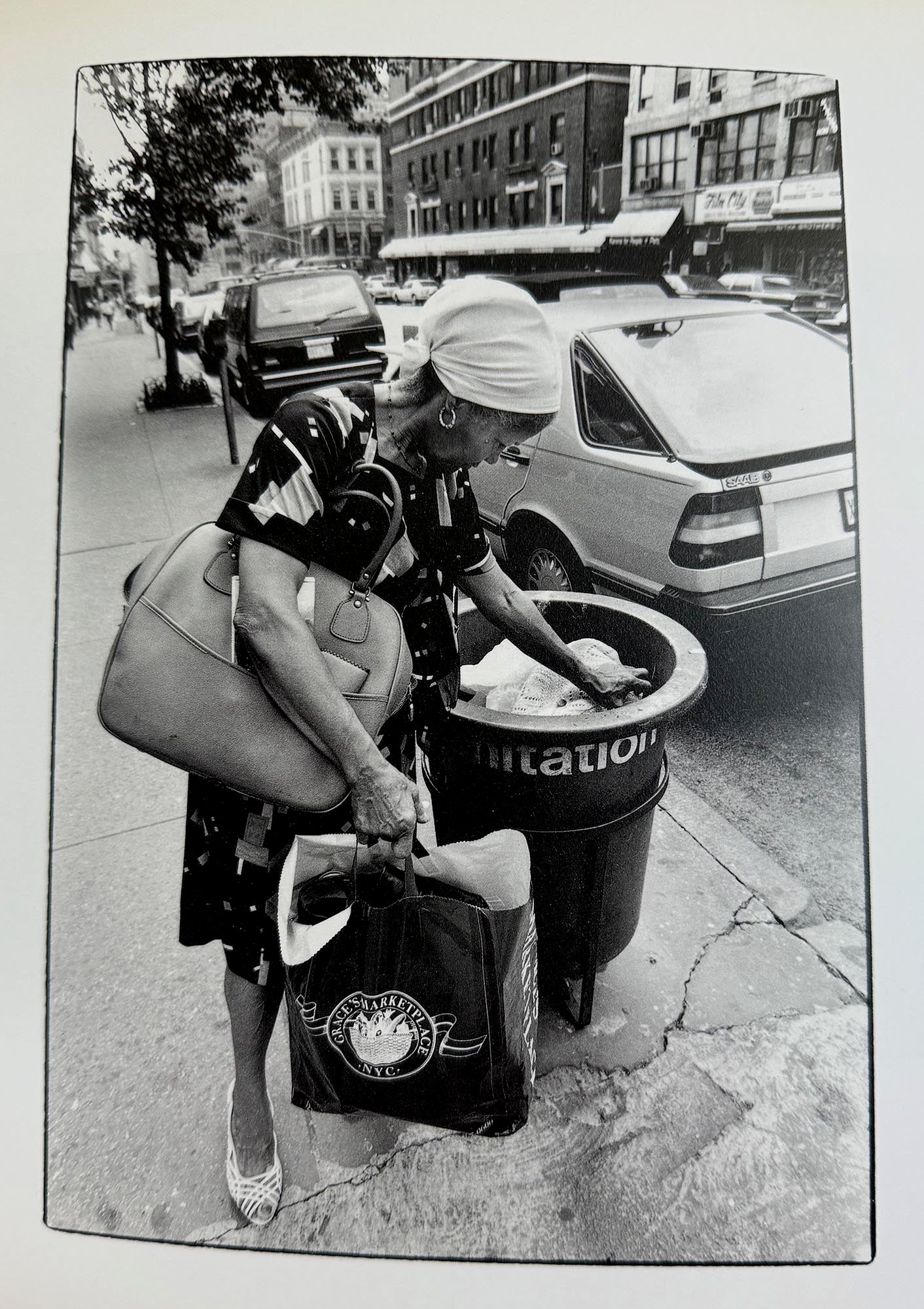
Wraps, fine. Editions Olizane, Geneva, Switzerland, 1994. 64 pages with black and white photographs by Denis Ponté. Introduction by Philippe Contantin-K. in English and French. Street photography in New York City of poor people including but not limited to homeless sleeping on sidewalks, benches, etc. Book includes biographical information such as list of exhibitions. Detailed summary:
Striking Images
-
Homeless figures on the sidewalk: Several photographs show individuals curled up on city sidewalks or in doorways, capturing their vulnerability and the harsh reality of urban survival. The framing and stark black-and-white tones emphasize isolation and exposure.
-
Portraits of resilience: Close-up portraits of men and women reveal emotion, weariness, and dignity. Despite the extreme conditions, Ponté captures the individuality of each subject, conveying strength and humanity in the face of marginalization.
-
Abandoned urban spaces: Images of empty streets, broken benches, and littered doorways serve as silent witnesses to social neglect, highlighting how the city environment itself compounds the struggles of homelessness.
-
Interactions and fleeting moments: Some photographs capture brief moments of human interaction—a person sharing a meal, gesturing to a passerby, or simply sitting—reminding viewers that even on the streets, there are connections, gestures, and small acts of resilience.
Recurring Themes
-
Visibility vs. invisibility: A central theme is how homeless people are often ignored or unseen in urban society. Ponté’s work gives them visibility, compelling the viewer to confront what is normally overlooked.
-
Dignity in adversity: Despite documenting extreme hardship, the photographs emphasize the individual dignity of the subjects, avoiding sensationalism or pity.
-
Urban decay and social neglect: The images juxtapose the vitality of the city with its neglect of marginalized populations, showing how public spaces reflect social inequalities.
-
Temporal fragility: Many images suggest impermanence—people sleeping on sidewalks, cardboard bedding, or temporary shelters—underscoring the precariousness of life on the streets.
Overall, Ponté’s Laissé Pour Mort is not just a documentary record; it’s a poetic and ethical meditation on urban life, social responsibility, and the humanity of those living on society’s margins. His photographs linger in the mind because they balance stark reality with empathy and artistry.
Denis Ponté (born 1964) is a Swiss-Spanish photographer, director, and educator based in Geneva, Switzerland. Ponté works as a freelance photographer specializing in black-and-white portraiture, reportage, and 3D anaglyph photography, often grounding his artistic practice in social and humanitarian themes. Over the course of his career, he has published photobooks including Left for Dead (1994), Au bord du monde (1995), Histoire de vivre (1998), Face à elle (2015), and Homo artifex (2021). A founding member of Éditions Place-Neuve, Ponté has led international photographic projects such as Spoken Portraits (Portraits parlés), a multi-country portraiture initiative and exhibition documenting individuals within the Deaf community and celebrating sign language culture. In addition to his creative and publishing work, he teaches photography through the cultural activities program at the University of Geneva.