Gary Saretzky Photo Books
Plowden, David. The Iron Road: A Portrait of American Railroading. Photographs by David Plowden.
Plowden, David. The Iron Road: A Portrait of American Railroading. Photographs by David Plowden.
Couldn't load pickup availability
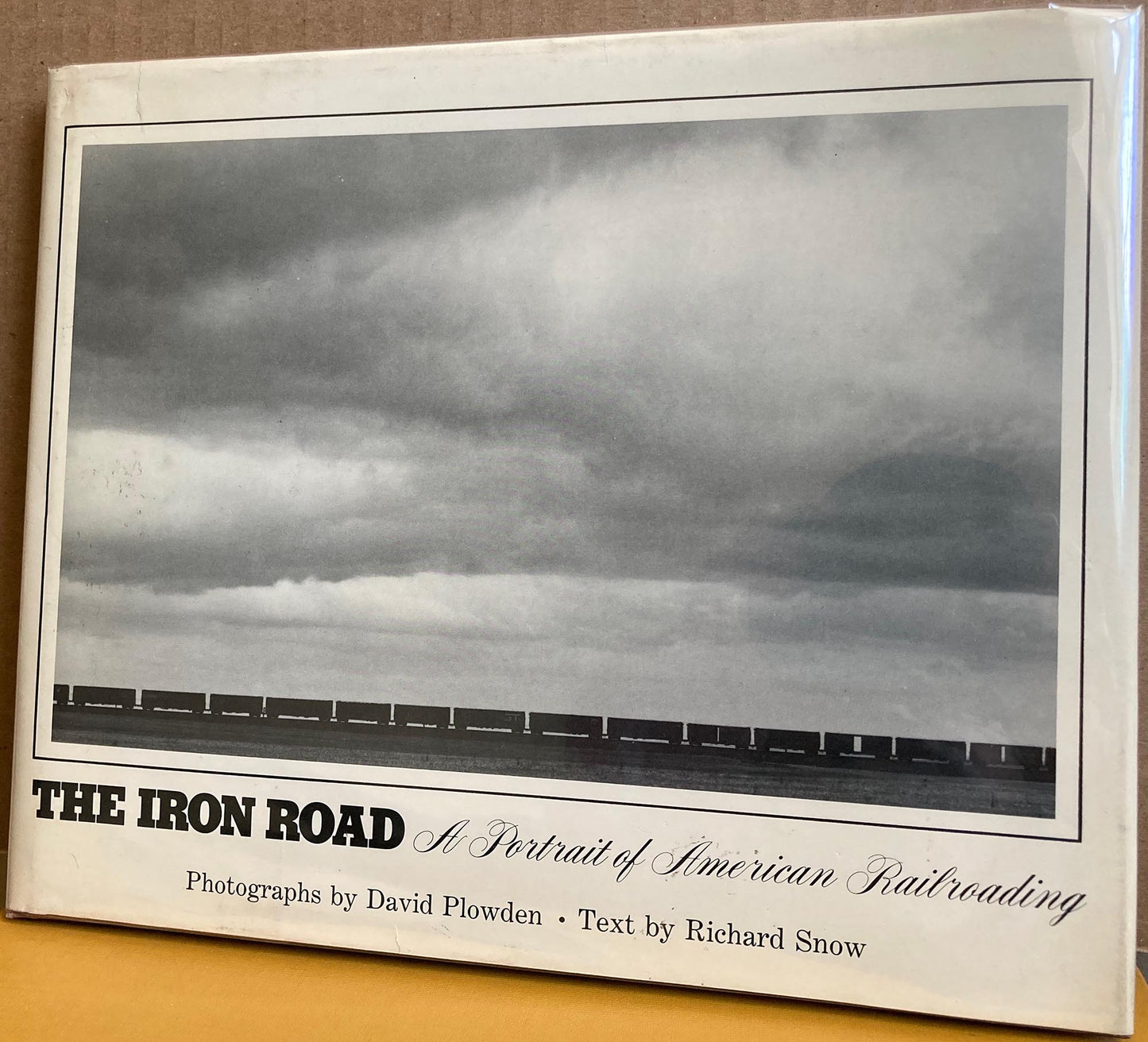
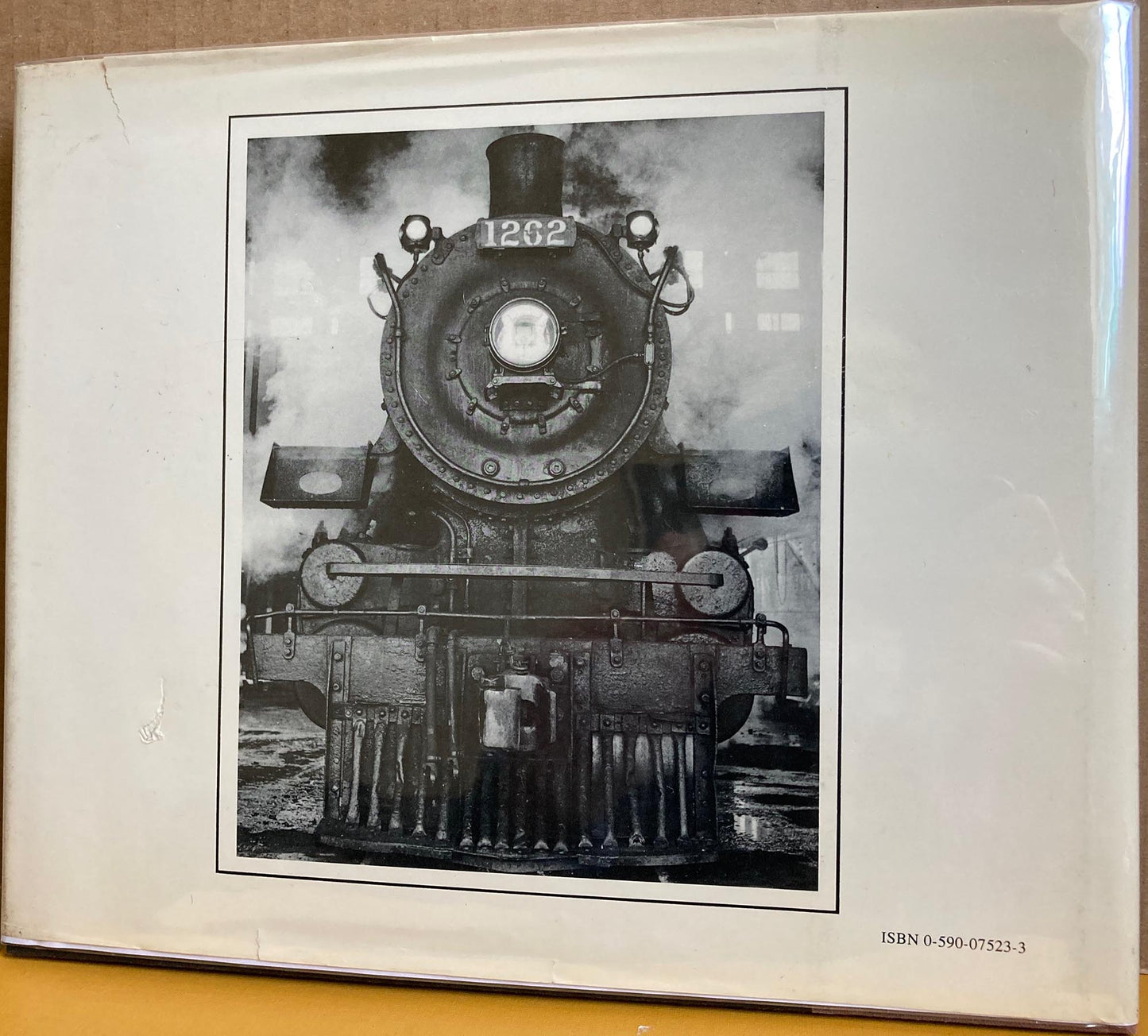
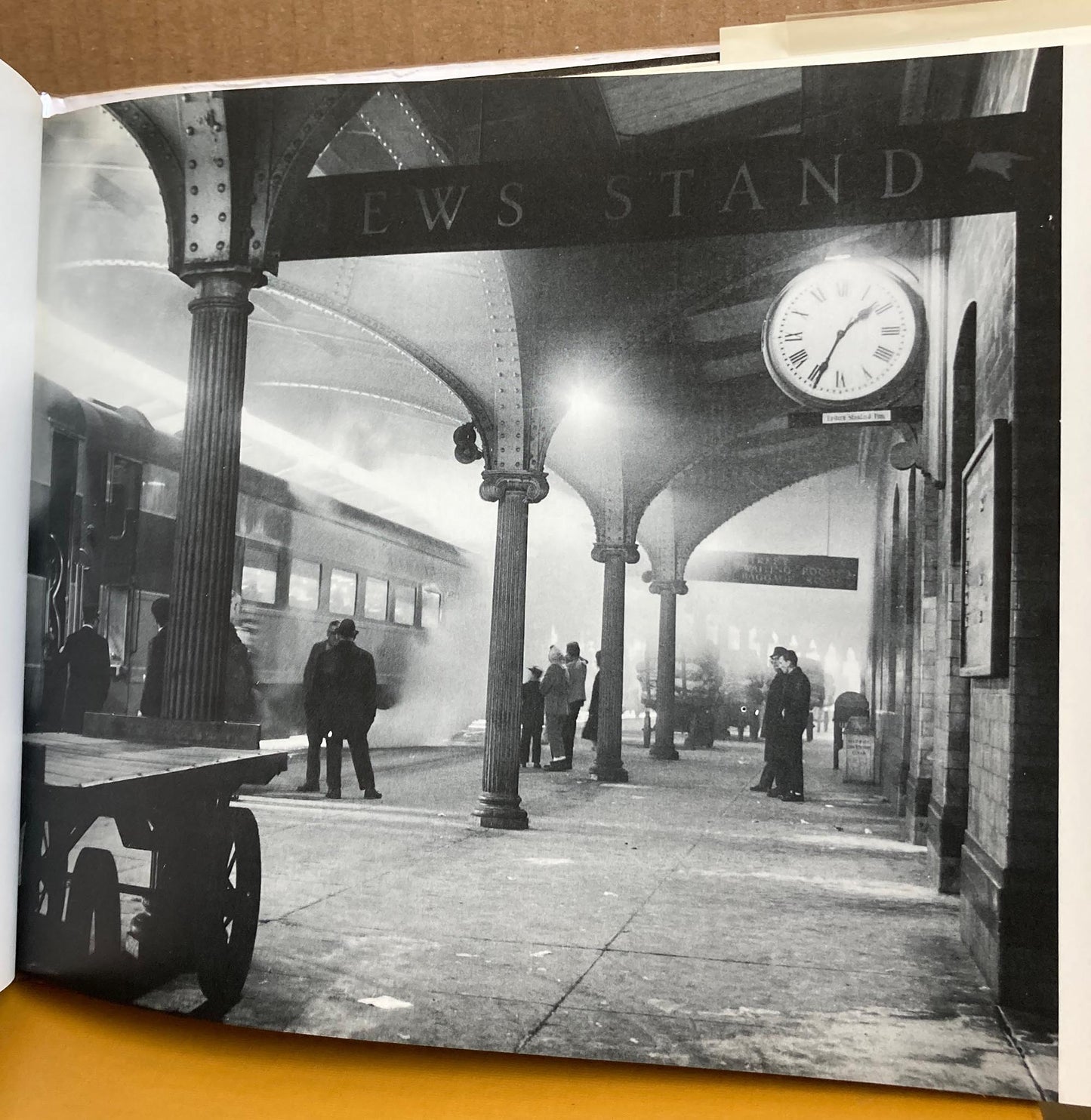
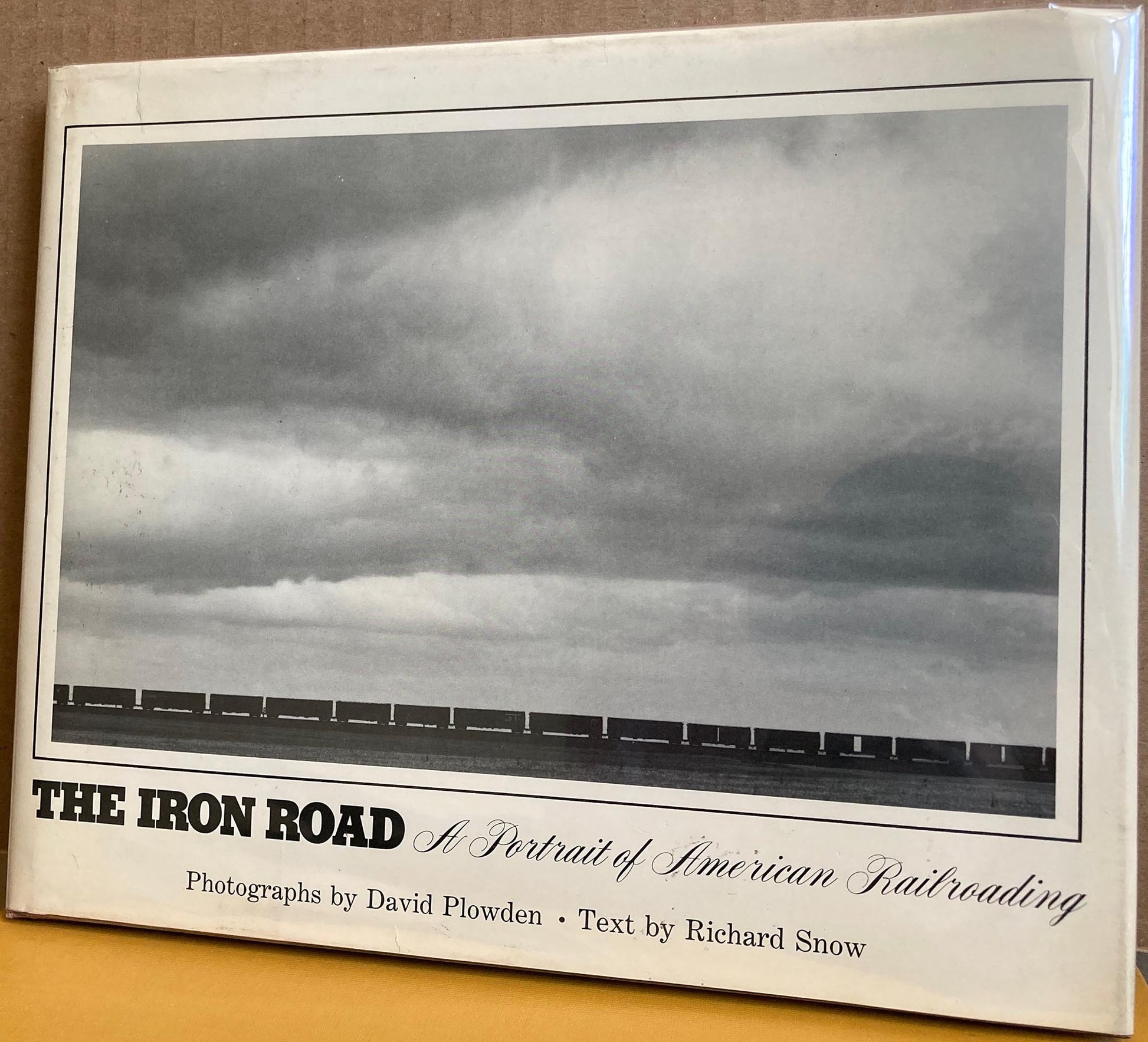
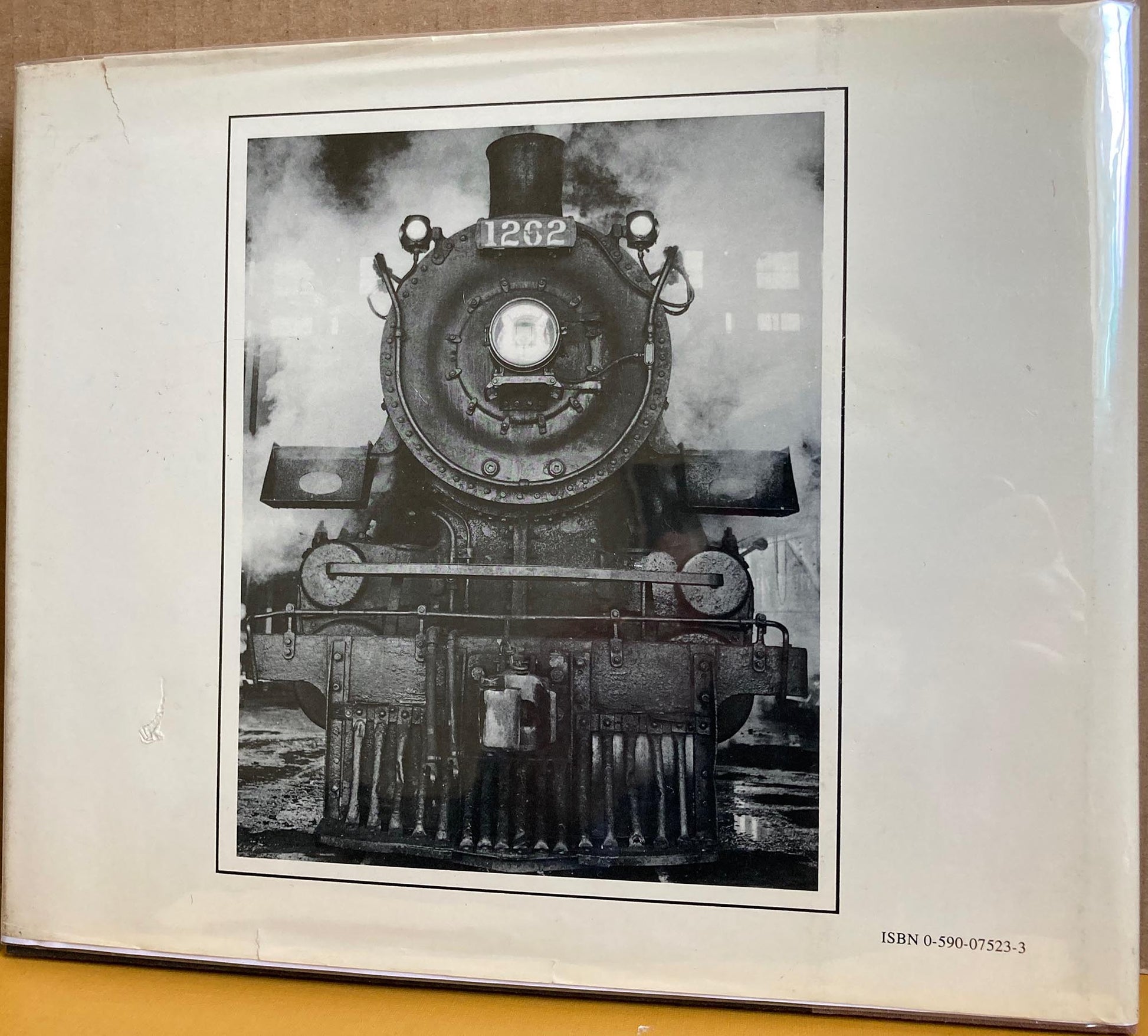
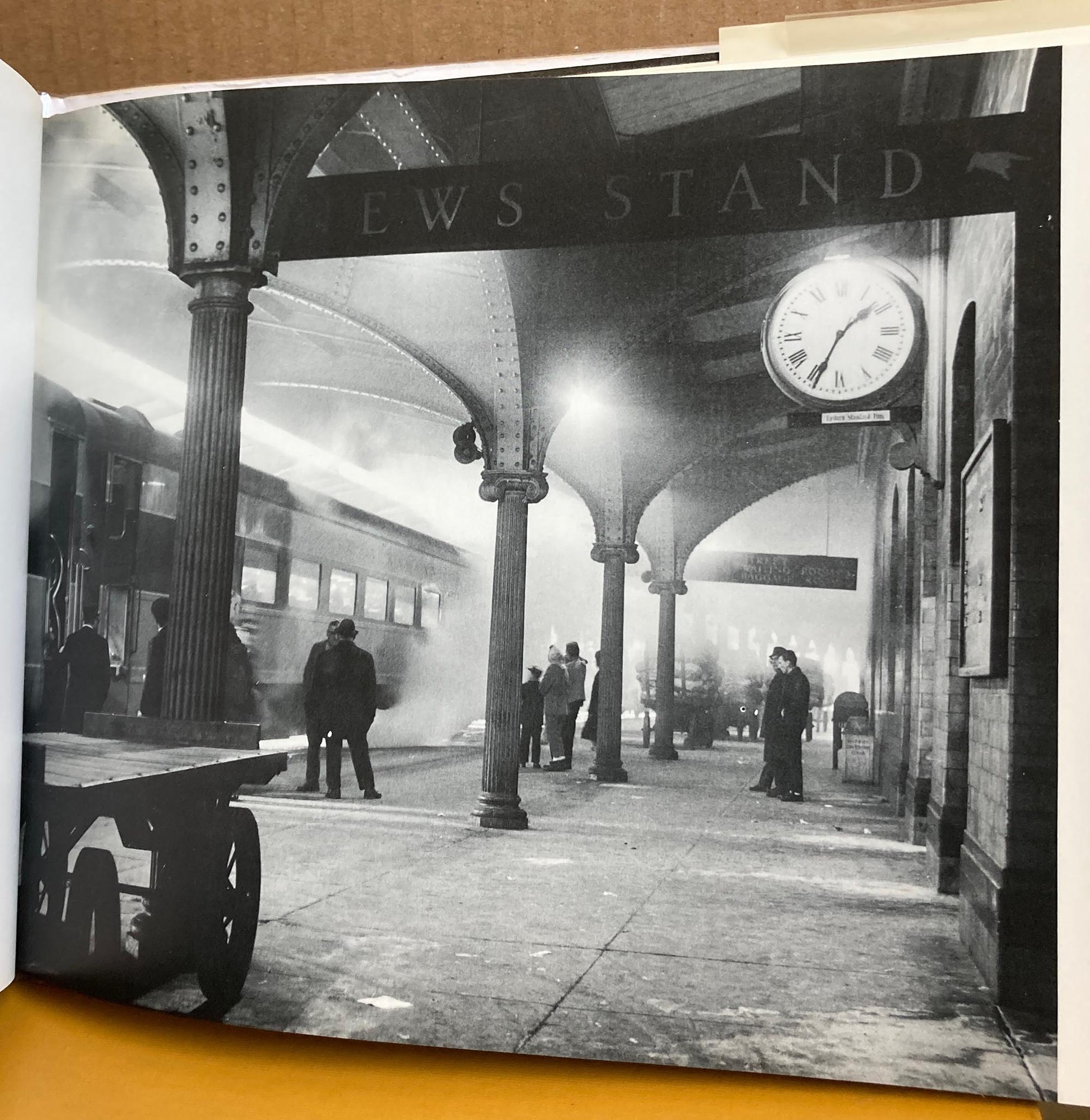
Four Winds, 1978. First edition, first printing, near fine with very good protected dust jacket that has two short edge tears and is price clipped with a price sticker on front flap. 90 pages with numerous black-and-white photos of steam trains, workers, railroad stations and related subjects. Text by Richard Snow, Senior Editor with American Heritage Publishing Company. Born in 1932, David Plowden is an American photographer who has made historical documentary photographs of urban cities, steam trains, American farmlands, and small towns. Plowden has produced 20 books and his work is held in the permanent collections of the Smithsonian Institution and the Library of Congress. Early in his career, he worked as an Assistant Trainmaster for the Great Northern Railway. His previous books of black-and-white photographs included Farewell to Steam, Floor of the Sky, Bridges: Spans of North America, The Hand of Man on America, and Commonplace. Increasingly uncommon in the first printing. Summary:
The Iron Road: A Portrait of American Railroading is a richly illustrated photographic and historical exploration of railroading in the United States, combining Richard Snow’s narrative with David Plowden’s evocative black-and-white photographs. The book offers a broad overview of the history, culture, and significance of American railroads, charting their development from early steam operations through later eras of change and modernization.
Snow’s text serves as a concise, engaging history and commentary on how railroads shaped the nation’s growth, influenced commerce and society, and produced a distinct set of characters, legends, and lore associated with life on the rails. Alongside this narrative, Plowden’s images provide striking visual documentation of locomotives, railroad infrastructure, workers, and the landscapes through which trains traveled, capturing both technical detail and an almost poetic sense of the railroad’s place in American life.
Rather than simply illustrating the text, the photographs stand as a visual complement that deepens the reader’s connection to the story of American railroading—its technological achievements, its economic and cultural impact, and the everyday realities of an industry that once dominated land travel and freight transport.
Overall, the book functions as both a historical portrait and a visual tribute to the “iron road” that helped knit together a vast nation.
David Plowden (1932–2026) was an American photographer, author, and visual historian acclaimed for his meticulous, elegiac documentation of industrial and agrarian transformation across the United States. Born in Boston and raised in New York City, Plowden graduated from Yale University in 1955 and worked for the Great Northern Railway before studying photography under Minor White and Nathan Lyons and assisting O. Winston Link. Armed with a large-format camera, he dedicated more than five decades to chronicling what he described as "a vanishing America"—capturing steam locomotives, iron bridges, grain elevators, steel mills, small-town Main Streets, and Midwestern farmlands just before their disappearance or decline. A recipient of a 1968 Guggenheim Fellowship, Plowden authored more than twenty seminal photo books—including Farewell to Steam (1966), Bridges: The Spans of North America (1974), and A Sense of Place (1988)—and taught at institutions such as the Illinois Institute of Technology's Institute of Design. His stark, highly detailed black-and-white compositions, prized for their poetic clarity and historic rigor, were donated to Yale's Beinecke Rare Book and Manuscript Library, cementing his legacy as one of the definitive visual archivists of 20th-century American infrastructure.