Gary Saretzky Photo Books
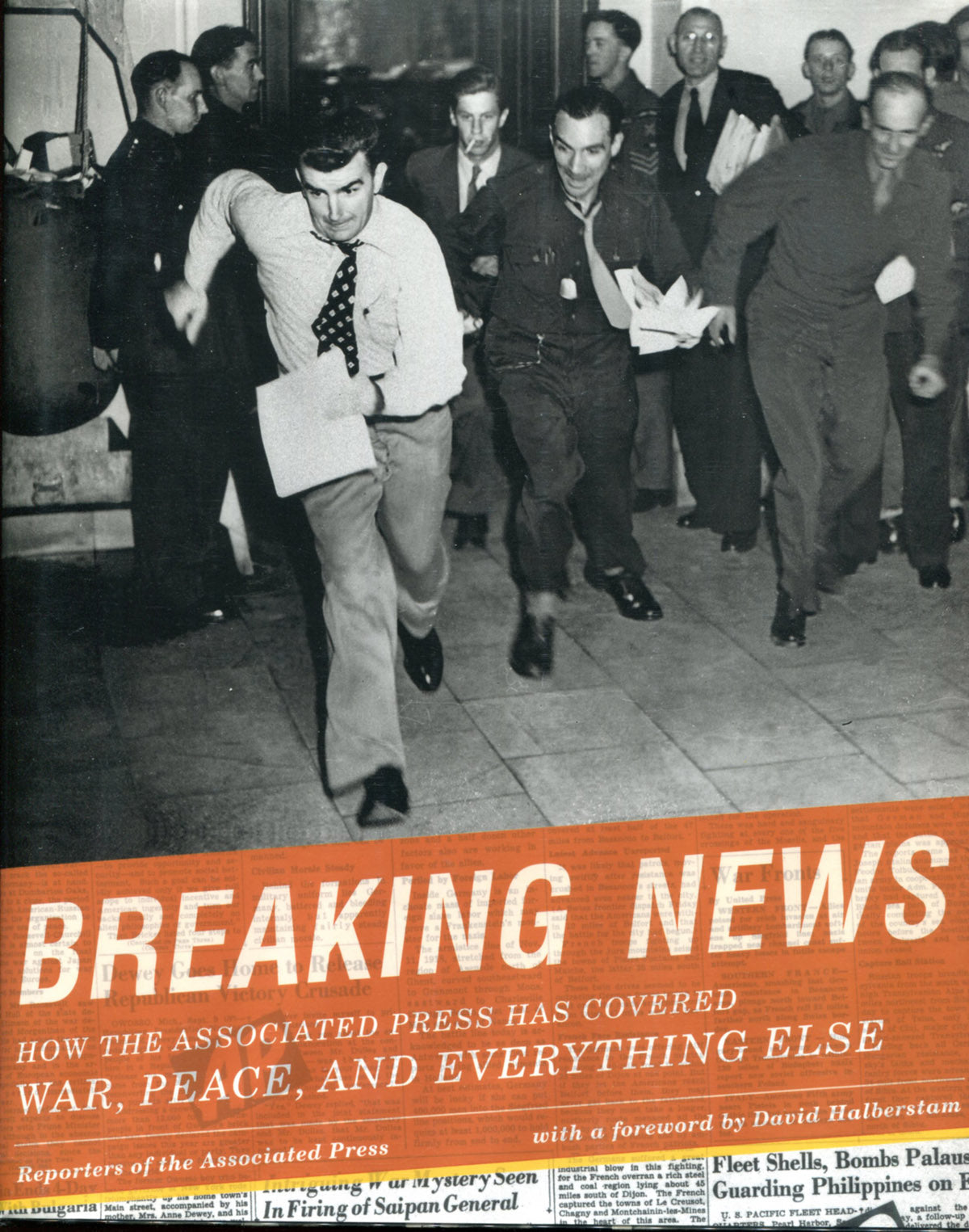
Photojournalism. Breaking News: How the Associated Press Has Covered War, Peace, and Everything Else.
Photojournalism. Breaking News: How the Associated Press Has Covered War, Peace, and Everything Else.
Couldn't load pickup availability
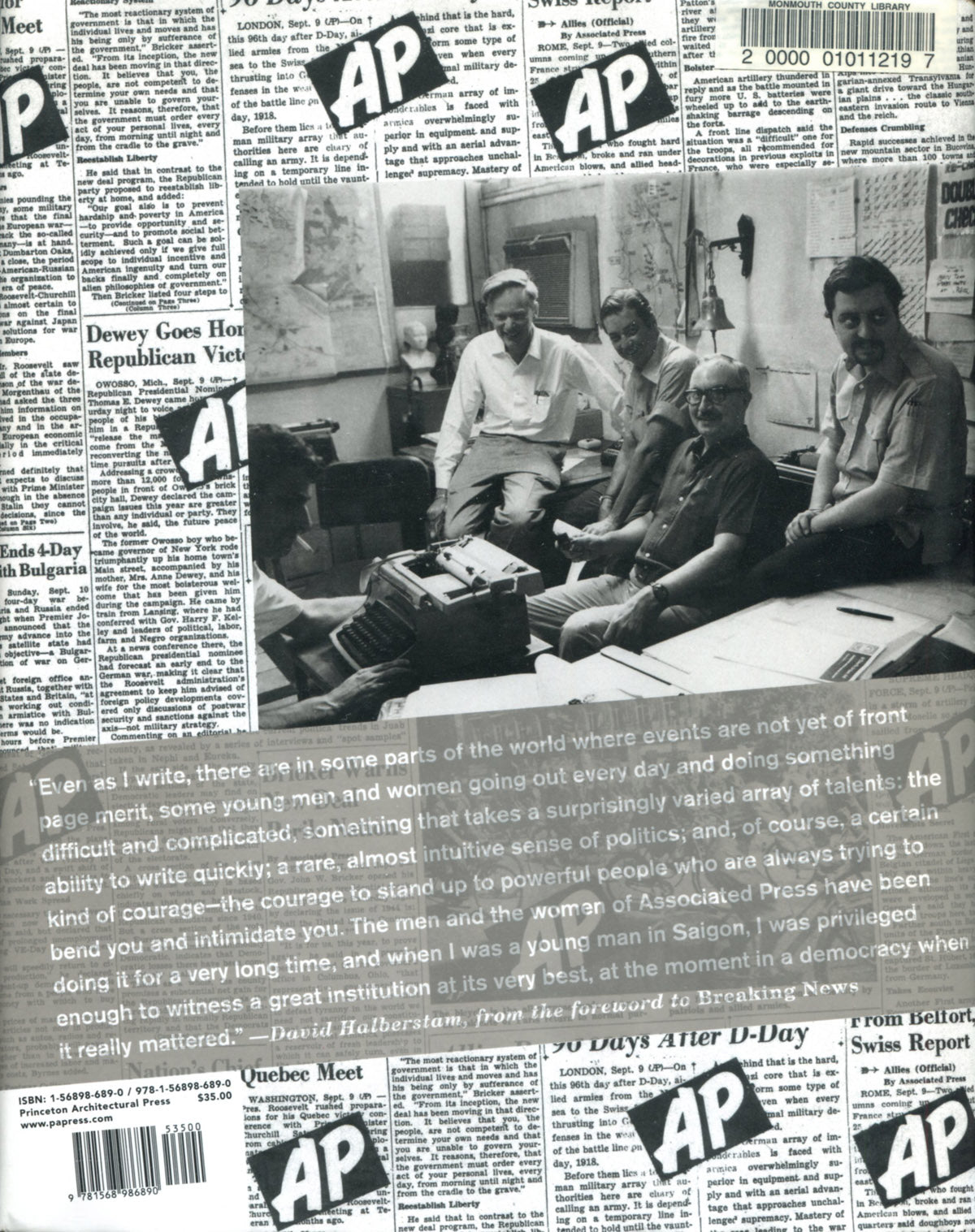
By Reporters of the Associated Press. Princeton Architectural Press, 2007. 1st edition, 1st printing. Ex-library hardcover in illustrated boards with protected dust jacket, usual library evidence. Little sign of use, fine/fine other than library evidence. Profusely illustrated. 432 pages. Foreword by David Halberstam with illuminating information about the AP bureau in Saigon during the Vietnam War, staffed by Mal Browne, Peter Arnett, and Horst Faas. Preface by Thomas Curley. Chapters on Associated Press; World War I; Trials: Crime and Punishment; Aviation and Space Program; Sports; Elections; Civil Rights; World War II; Disasters; the White House; History of Associated Press, and more. Chapter authors: Richard Pyle, Frances R. Mears, Nancy Benac, Howard Benedict, Darrell Christian, Tom Jory, Mike Feinsilber, Richard Pyle, Larry Henzerling, Hal Buell, Jerry Schwartz, Terry Hunt and Cal Woodward, and Walter R. Mears. Large, heavy book. Summary:
Breaking News: How the Associated Press Has Covered War, Peace, and Everything Else is a comprehensive history of the world’s largest news organization. Published to mark the AP's 160th anniversary, it details how a cooperative of five New York City newspapers evolved into a global news powerhouse.
Core Themes and Insights
1. The Birth of a Cooperative
The book traces the AP's origins back to 1846, when publishers joined forces to share the exorbitant costs of pony expresses and telegraphs to report on the Mexican-American War. This "cooperative" model—where members share news and costs—remains a defining feature of the organization.
2. Evolution of News Technology
A major focus is how the AP pioneered or adopted technologies that changed the speed of information:
-
The Telegraph: Shrinking the world to "real-time" reporting.
-
Wirephotos: The 1935 breakthrough that allowed images to be sent over phone lines.
-
Satellite & Digital: Transitioning from clicking teletypes to the instantaneous global web.
3. Frontline Reporting
The narrative is driven by the journalists themselves. It covers the AP's presence at era-defining events, including:
-
Major Conflicts: From the Civil War and WWI to the gritty, controversial coverage of Vietnam and the Iraq War.
-
Social Revolutions: The Civil Rights Movement and the fall of the Berlin Wall.
-
Assassinations: The harrowing accounts of the deaths of Lincoln and JFK.
4. The "AP Style" and Objectivity
The book explains the development of the inverted pyramid style of writing (putting the most important facts first) and the organization’s rigorous commitment to "objective" reporting—a necessity when your stories must serve newspapers across the entire political spectrum.
Key Takeaway
The book serves as both a corporate history and a timeline of modern journalism. It highlights the AP's role as the "marine corps" of news—usually the first in and the last out of any global crisis—while grappling with the modern challenges of a 24-hour digital news cycle and the safety of journalists in increasingly hostile environments.