Gary Saretzky Photo Books
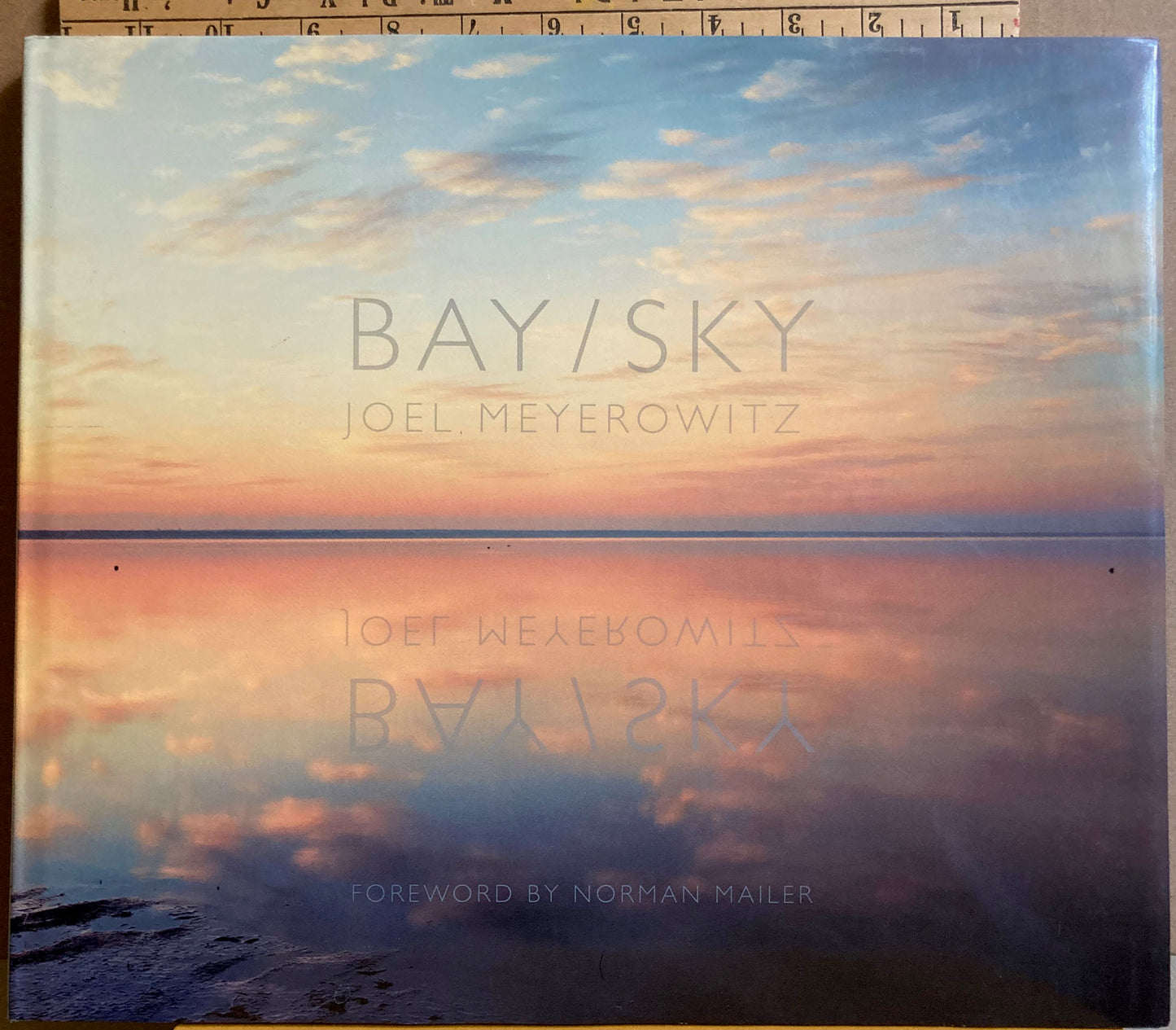
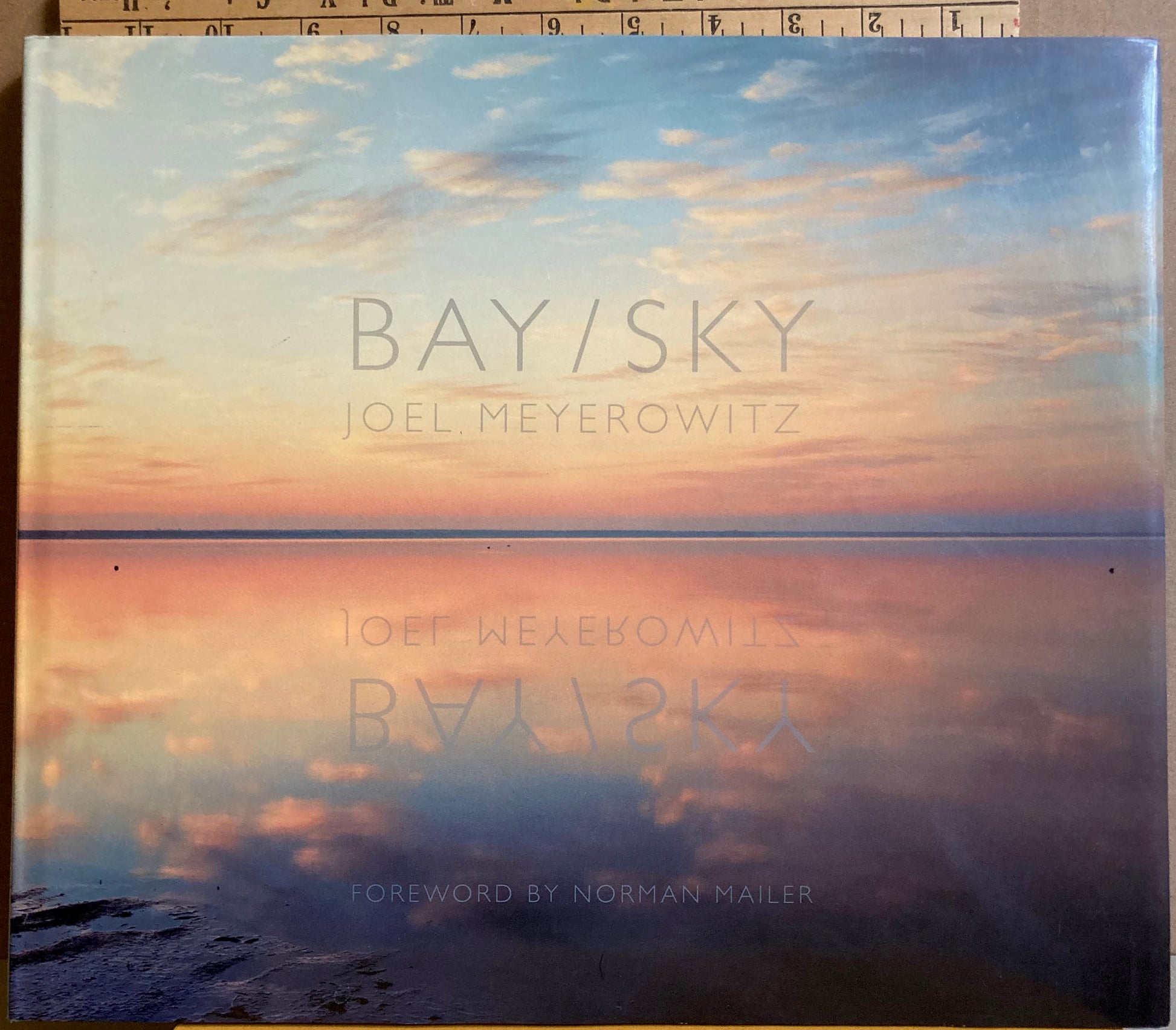
Meyerowitz, Joel. Bay/Sky by Joel Meyerowitz.
Meyerowitz, Joel. Bay/Sky by Joel Meyerowitz.
Couldn't load pickup availability
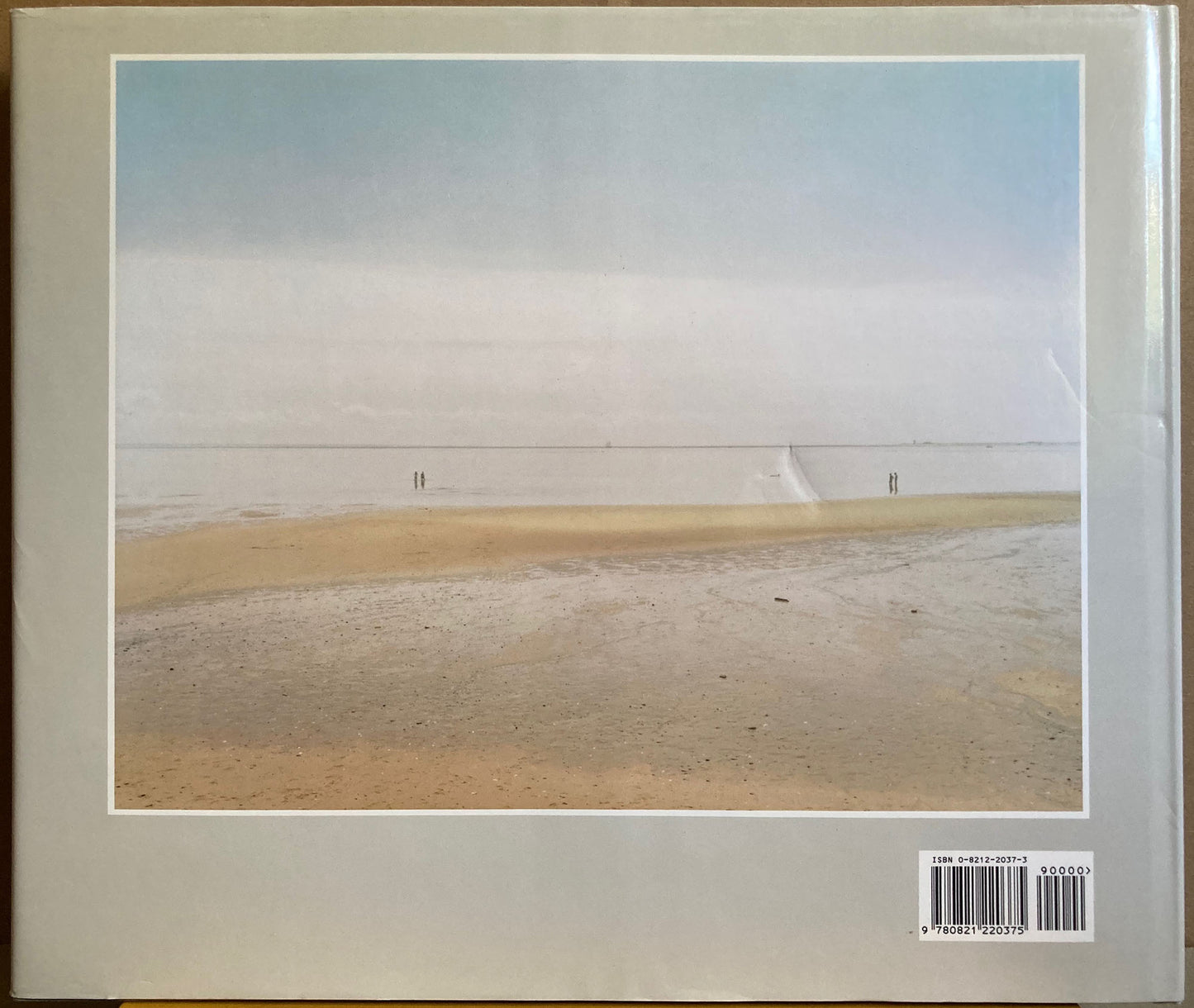
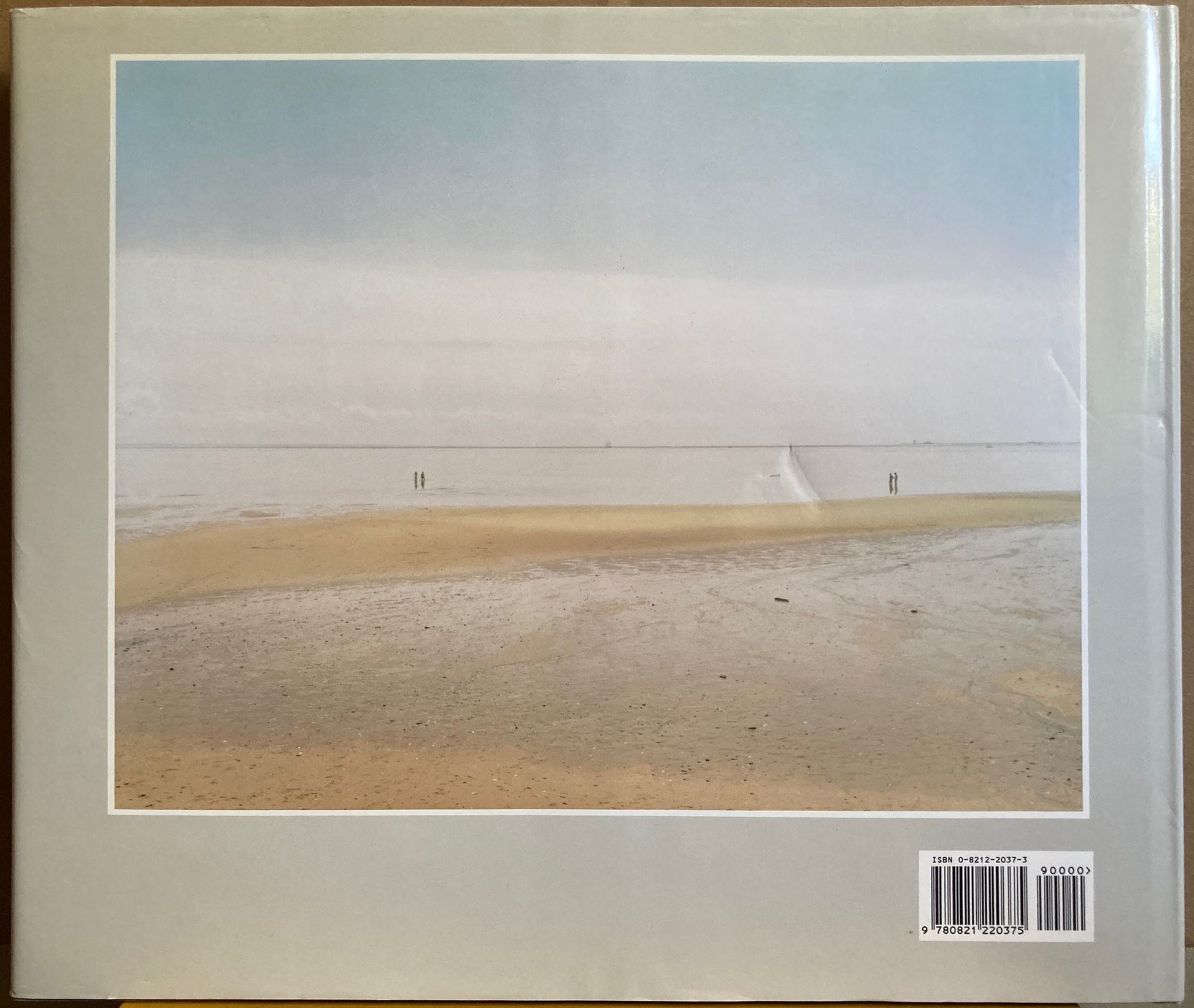
Bulfinch/Little, Brown, 1993. First edition in hardcover, cloth bound, fine with very good protected dust jacket with light shelf wear, including shallow indentation on back cover, not affecting book. Meyerowitz’s groundbreaking color photographs of Cape Cod, Massachusetts, taken with a large format camera. Text by Norman Mailer. Large book. Summary:
Published by Bulfinch Press (an imprint of Little, Brown and Company) in 1993, Bay/Sky is a meditative masterwork by Joel Meyerowitz that captures the atmospheric interplay between the water and the heavens over Cape Cod Bay.
While Meyerowitz is famously known for his energetic street photography, this book represents a radical shift toward minimalism and contemplative observation, distilled from 16 years of work at his summer home in Provincetown.
Core Themes and Visual Style
-
The Horizon as Protagonist: The book consists of approximately 47 large-format color plates. In almost every image, the horizon line serves as the sole structural element, dividing the frame into two fields of color.
-
Studies in Luminous Light: Using an 8x10 view camera, Meyerowitz captures the "phenomena of the atmosphere." The images document the bay from pre-dawn to dusk, recording the subtle shifts in tide, the movement of storm fronts, and the way light dissolves the boundary between sea and air.
-
Humanist Absence: Unlike his earlier work, Bay/Sky is largely devoid of people. It focuses on the "spirit of place," inviting the viewer into a state of quietude and melodic stillness.
Historical and Artistic Context
-
Evolution from Cape Light: The book is often seen as a conceptual evolution of his 1978 classic, Cape Light.While that earlier work explored the architecture and social life of the Cape, Bay/Sky strips away all distractions to focus purely on the elements.
-
Literary Introduction: The book features a foreword by the iconic American novelist Norman Mailer, a fellow Provincetown resident. Mailer’s text explores Meyerowitz’s "ongoing quest" for the moments where nature reveals its various moods—from the serene to the "sinister whims" of a gathering storm.
Technical Precision: The use of a massive view camera allowed for an incredible depth of color and clarity, intended to make the viewer feel as though they are standing on the edge of the sandbar themselves.
Joel Meyerowitz (born 1938) is an acclaimed American street, portrait, and landscape photographer whose work was instrumental in establishing color photography as a legitimate fine art medium. Originally trained in art and working as an advertising art director, Meyerowitz was inspired to pursue photography full-time in 1962 after observing Robert Frank at work on a photo shoot. Armed with a 35mm Leica camera and color film, he took to the streets of New York City, pioneering a dynamic style that captured the fluid rhythm and spontaneous energy of urban life during a period when color was largely rejected by the fine art establishment. Over his decades-long career, Meyerowitz transitioned to large-format view cameras to explore detailed light and landscape studies, resulting in influential monographs such as Cape Light (1978), St. Louis and the Arch (1980), and Wild Flowers (1983). A two-time Guggenheim Fellow and the author of numerous books—including Bystander: A History of Street Photography and Aftermath: World Trade Center Archive, documenting Ground Zero as the only photographer granted unrestricted access—Meyerowitz remains one of the most defining and versatile figures in modern visual culture.