Gary Saretzky Photo Books
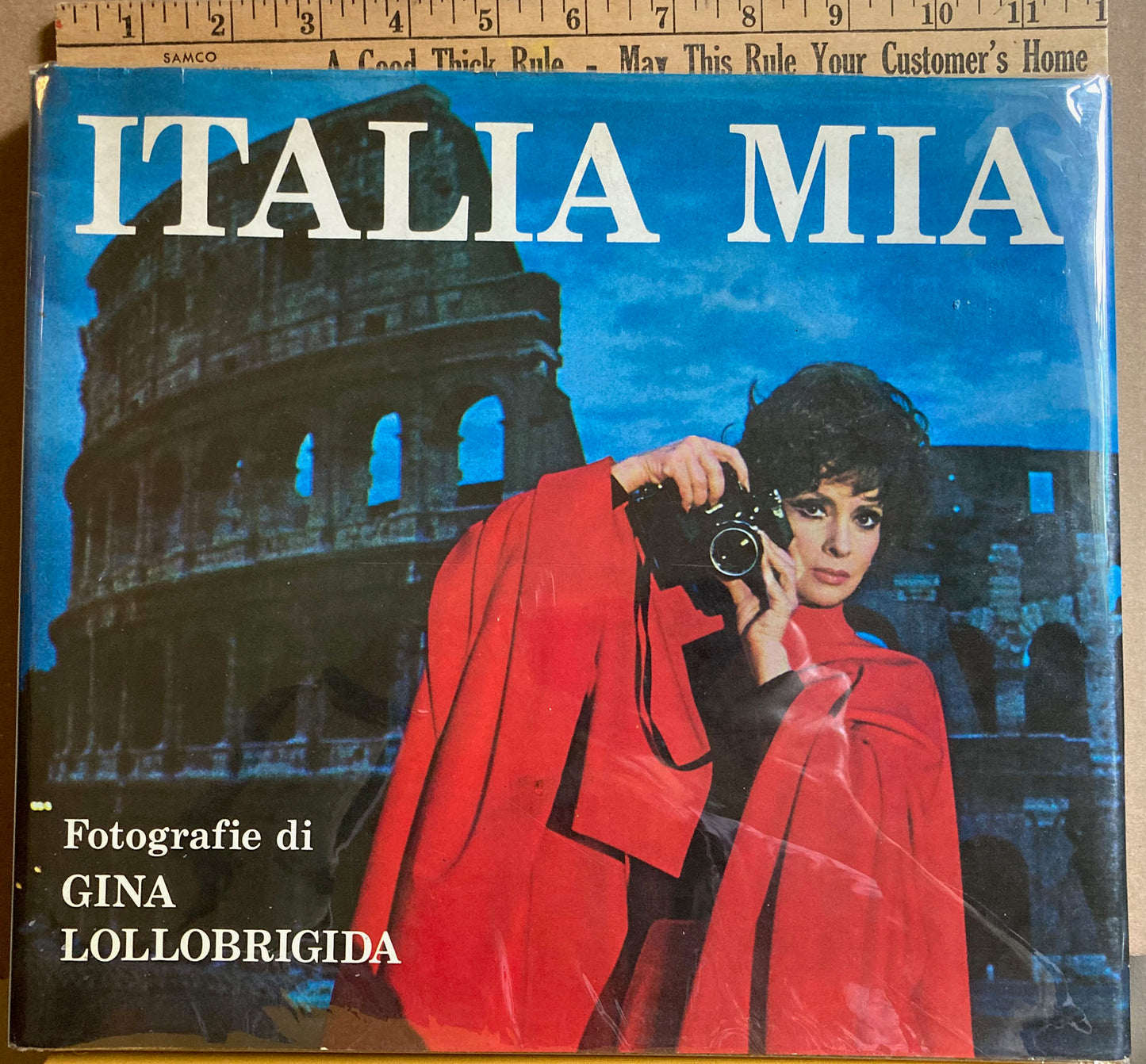
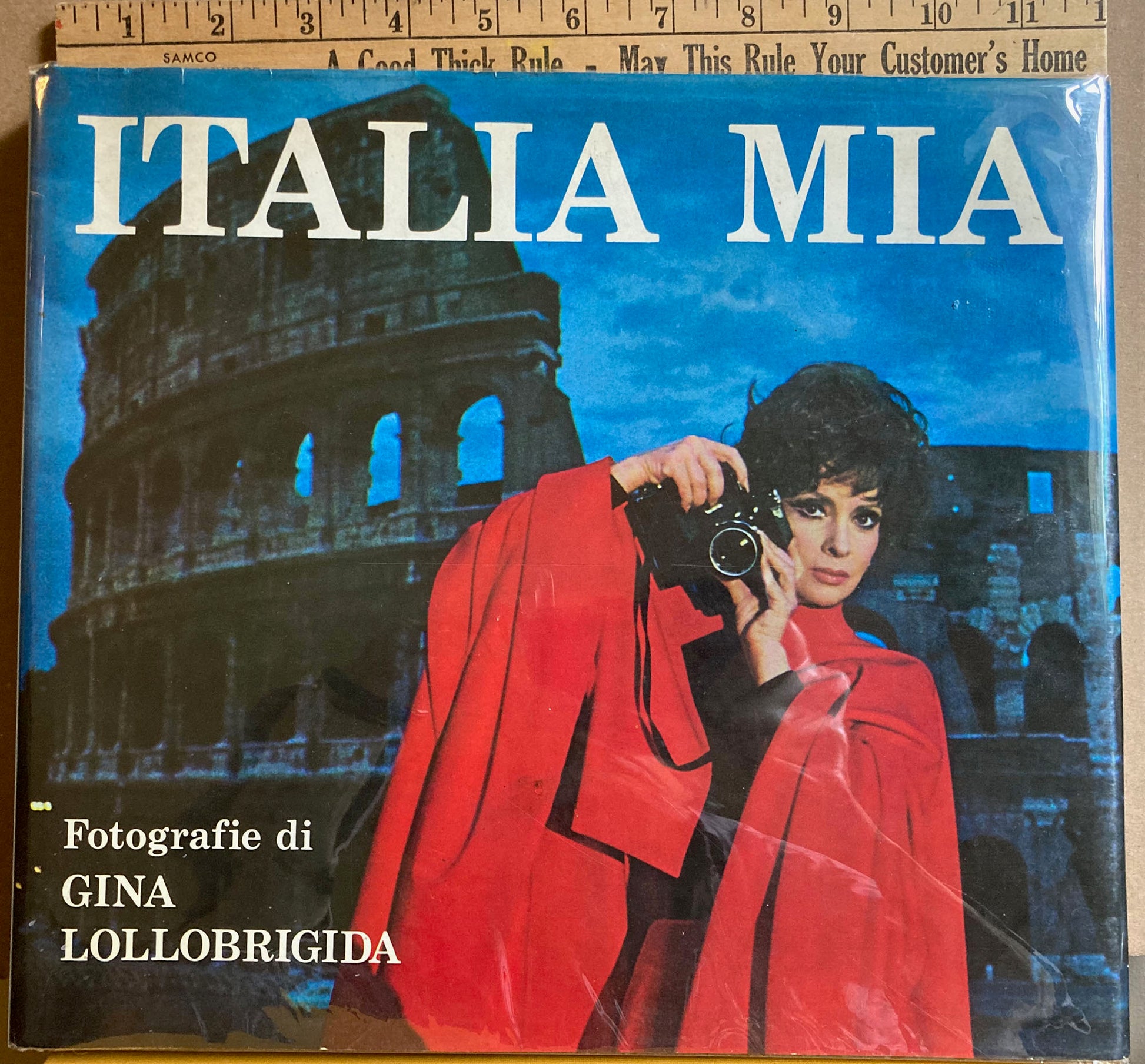
Lollobrigida, Gina. Italia Mia by Gina Lollobrigida. First? Italian ediiton.
Lollobrigida, Gina. Italia Mia by Gina Lollobrigida. First? Italian ediiton.
Couldn't load pickup availability
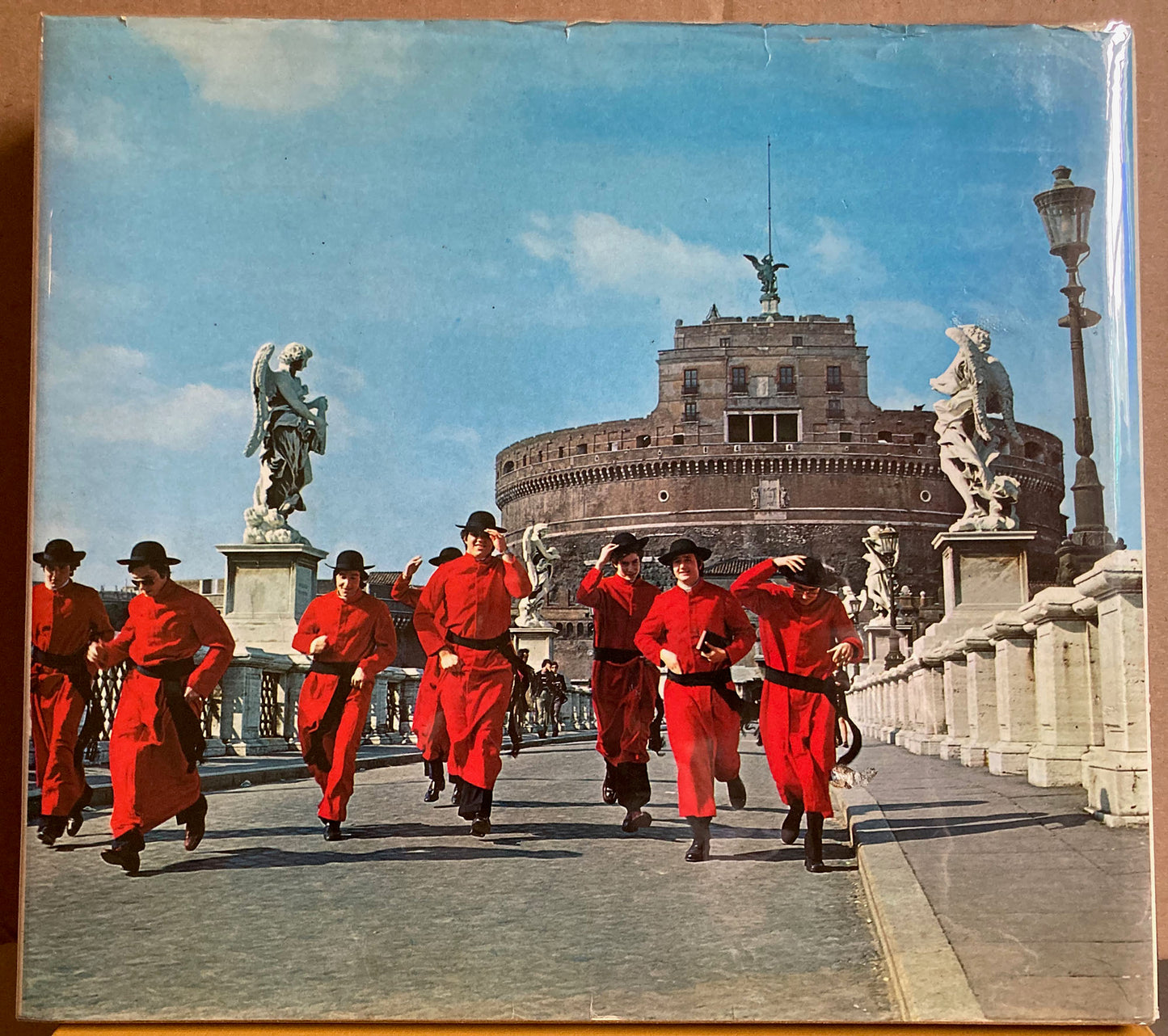
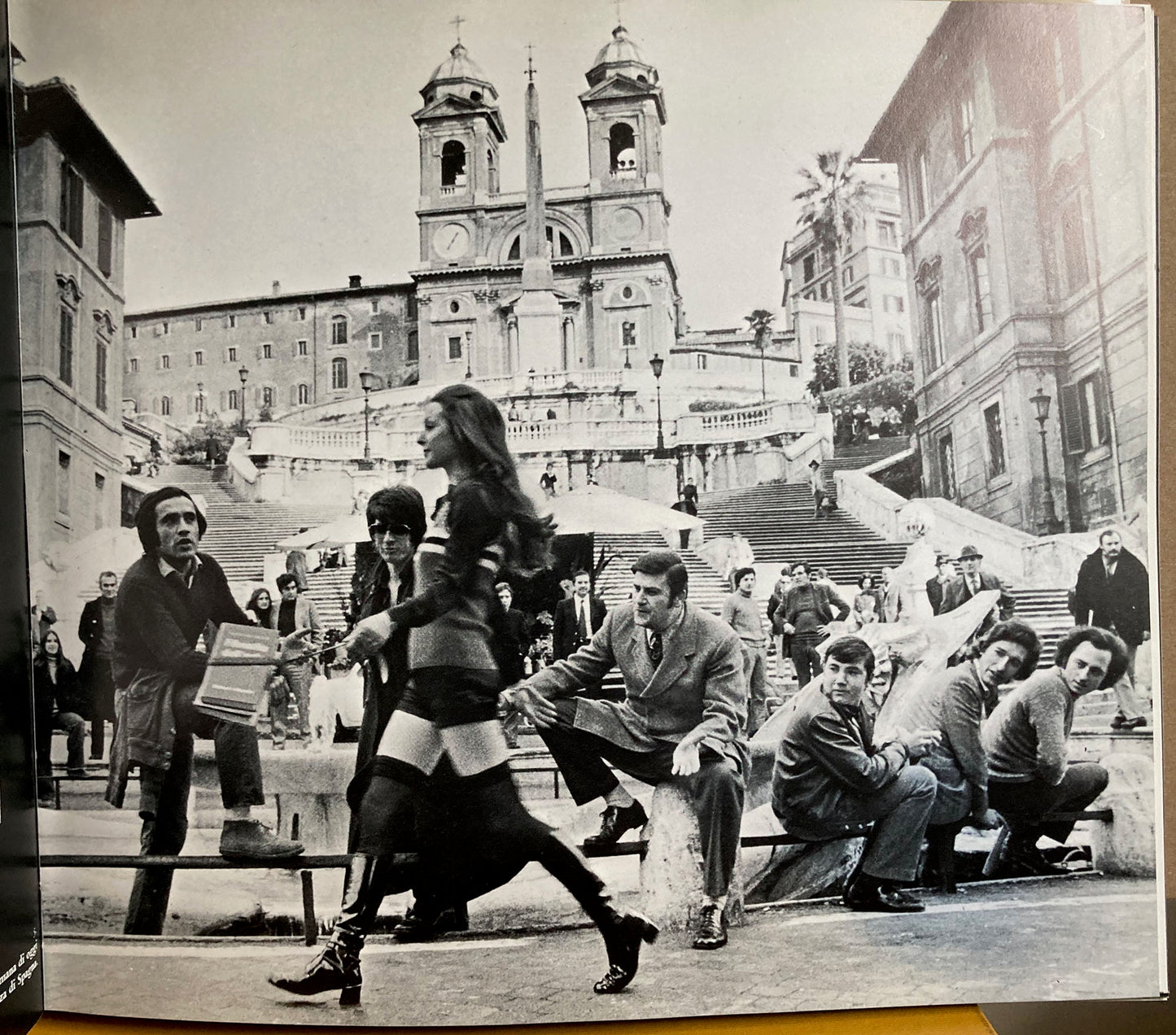
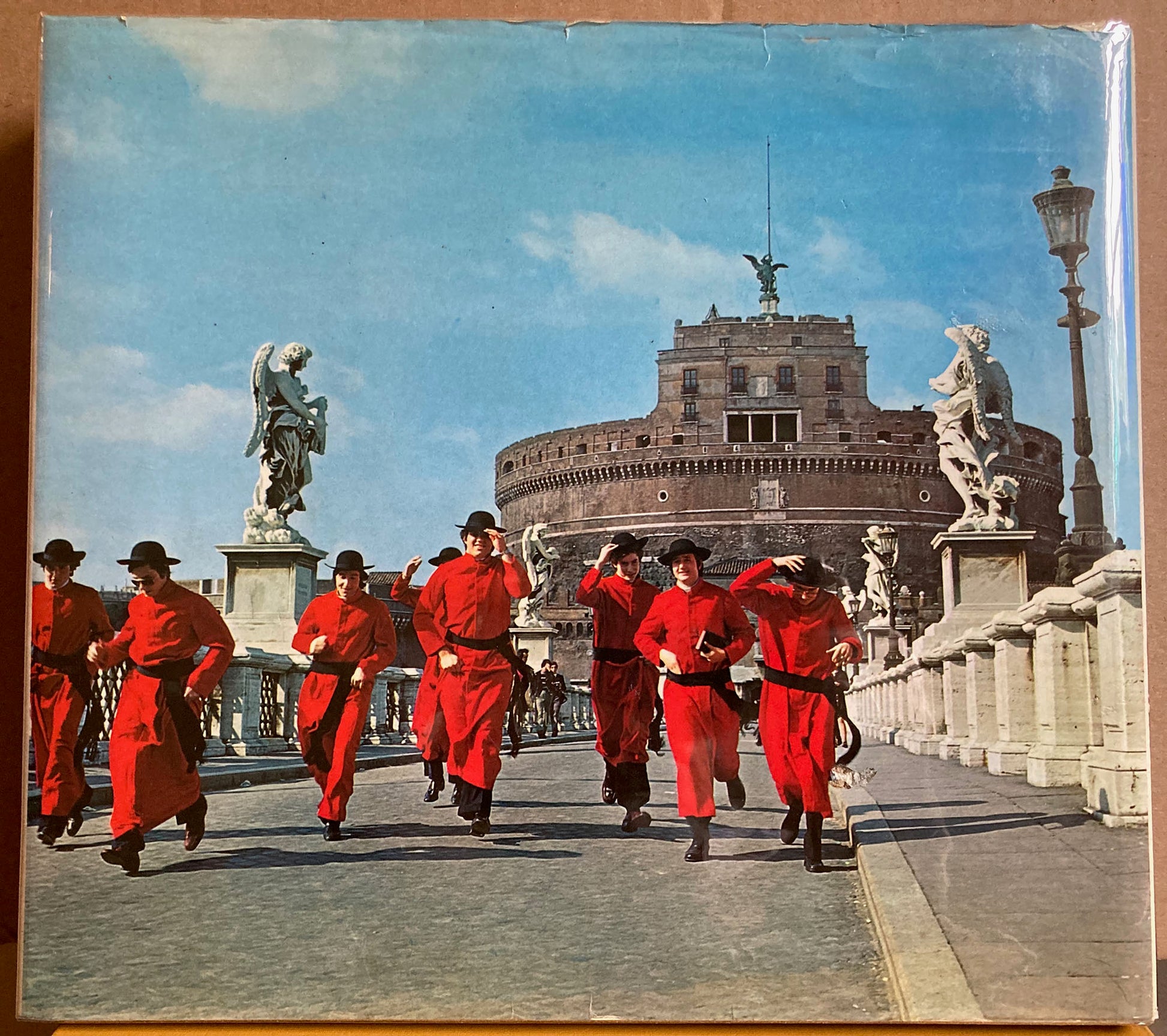
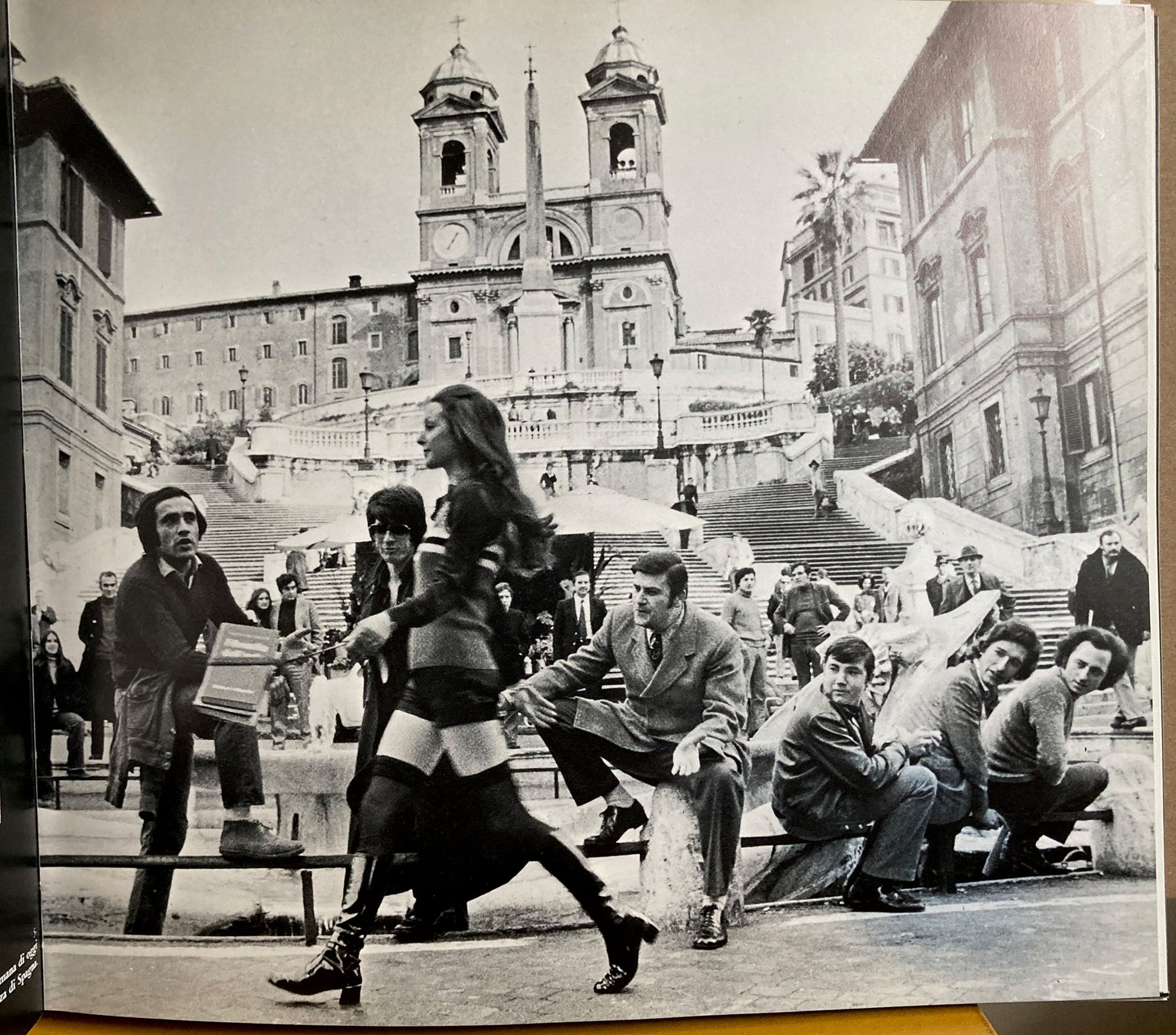
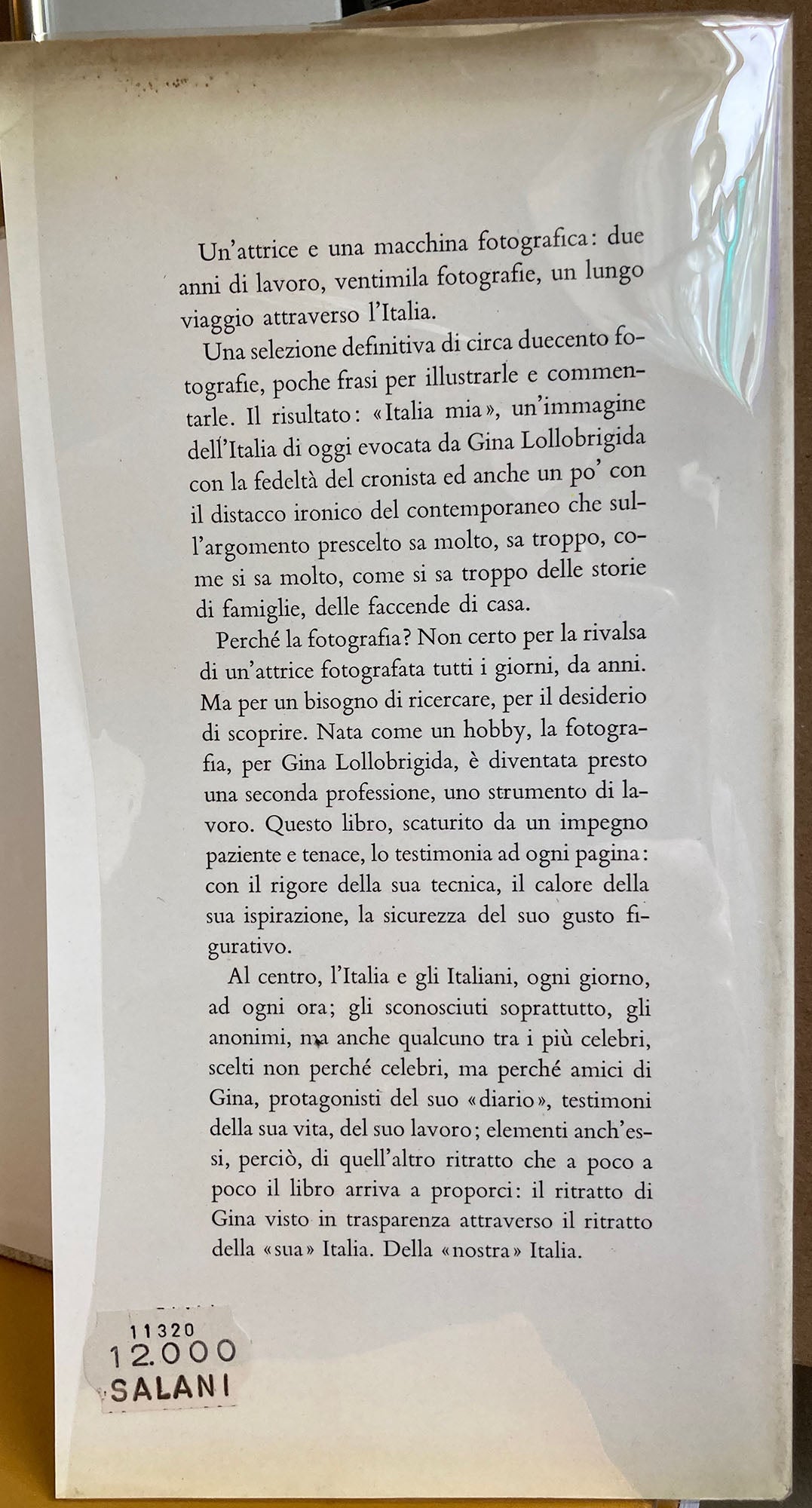
Edizioni Salani, 1972. Introduction by Alberto Moravia. Large oblong hardcover with very good protected dust jacket that has some edge wear. Original price sticker on rear inner panel of dust jacket. 191 photographs in color and black and white. This popular book was later reprinted in both English and Italian. Lollobrigida, best known for her acting in films, also was an excellent photographer. The Salani edition, which was not issued with an ISBN number, is much less common than the Sedifo edition. Summary:
Italia Mia (1973) is a celebrated photographic monograph by the legendary Italian actress Gina Lollobrigida. Transitioning from her role as a screen icon to a serious photojournalist, Lollobrigida spent two years traveling incognito throughout Italy to capture the "true face" of her country.
Key Themes and Creative Approach
-
The "Incognito" Perspective: To avoid being recognized and treated as a movie star, Lollobrigida often wore disguises—wigs, glasses, and old clothes—allowing her to capture candid, unposed moments of daily life that would have been impossible as a celebrity.
-
A People’s Portrait: The book eschews the typical "postcard" shots of monuments. Instead, it focuses on the humanity of Italy: grizzled fishermen in Sicily, bustling market vendors in Naples, children playing in Tuscan alleys, and the quiet dignity of the rural elderly.
-
National Diversity: Lollobrigida highlights the sharp contrasts between the industrial, modernizing North and the traditional, sun-drenched South, weaving together a tapestry of a nation in the midst of social change.
-
Neo-Realist Aesthetic: Her black-and-white photography is heavily influenced by Italian Neo-Realist cinema, prioritizing emotional honesty and raw textures over glamorous artifice.
Significance
Upon its release, Italia Mia was a massive critical success, winning the prestigious Nadar Prize in 1974. It successfully rebranded Lollobrigida as a formidable artist and remains a poignant visual record of 1970s Italy—a country caught between its ancient traditions and its future as a modern European power.
Gina Lollobrigida (1927–2023) was an iconic Italian actress, photojournalist, and artist who achieved international stardom during the 1950s and 1960s before transitioning to a successful second career in photography. Dubbed "the most beautiful woman in the world," she starred in acclaimed films such as Fanfan la Tulipe, Beat the Devil, and Trapeze, but as her screen roles slowed in the 1970s, she fully committed to photojournalism and portraiture. Armed with a sharp eye for humanitarian storytelling and technical precision, Lollobrigida photographed high-profile political and cultural figures—notably securing an exclusive interview and photo session with Fidel Castro in 1972—while also documenting everyday life around the world. She published several praised photographic books, including Italia Mia (1973), an intimate visual survey of her home country, The Philippines (1976), and Wonder of Innocence (1994), featuring surreal darkroom-crafted photomontages. Renowned for her artistic versatility, Lollobrigida established a lasting legacy that bridged the worlds of classic cinema, fine art sculpture, and international documentary photography.