Gary Saretzky Photo Books
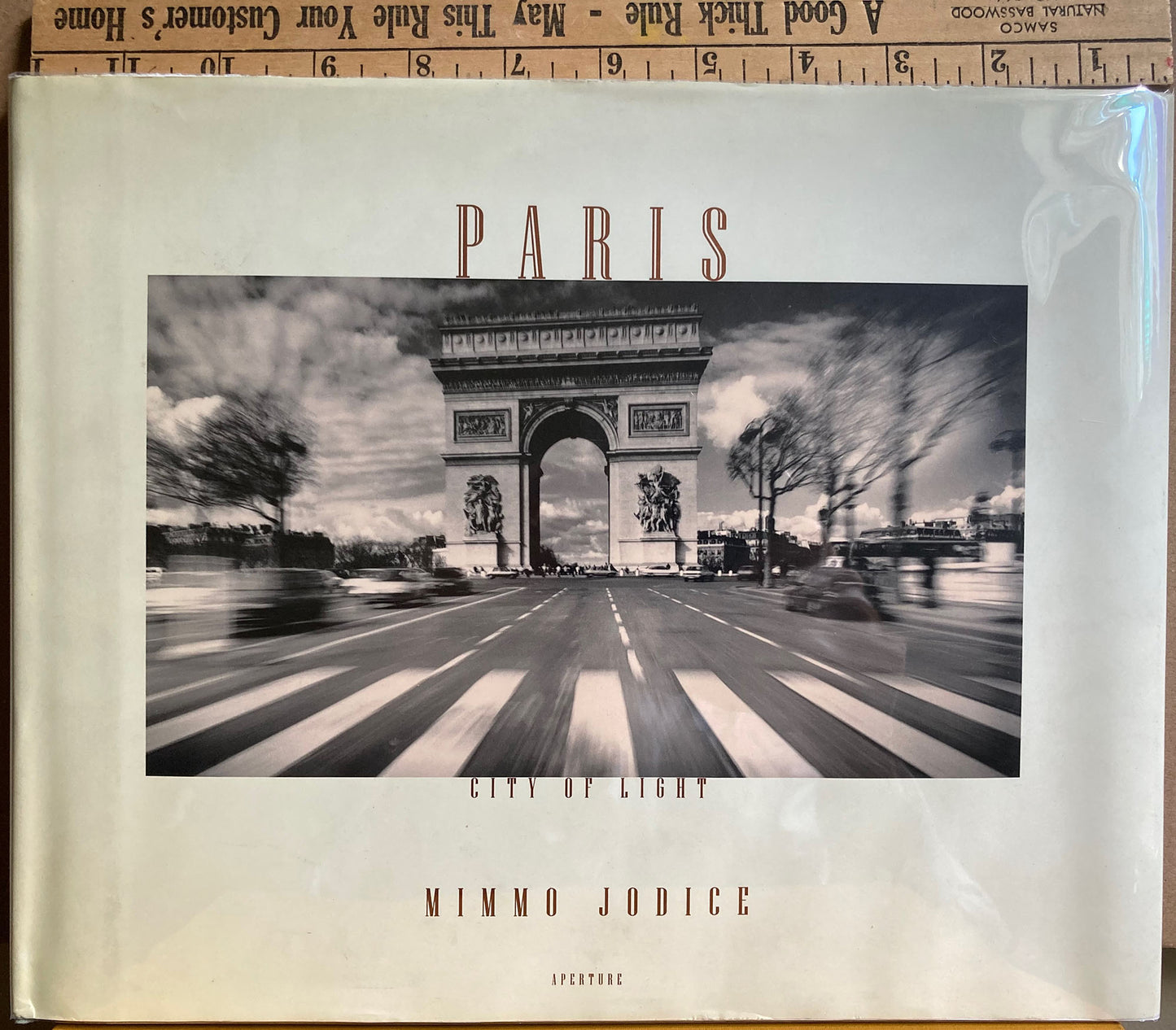
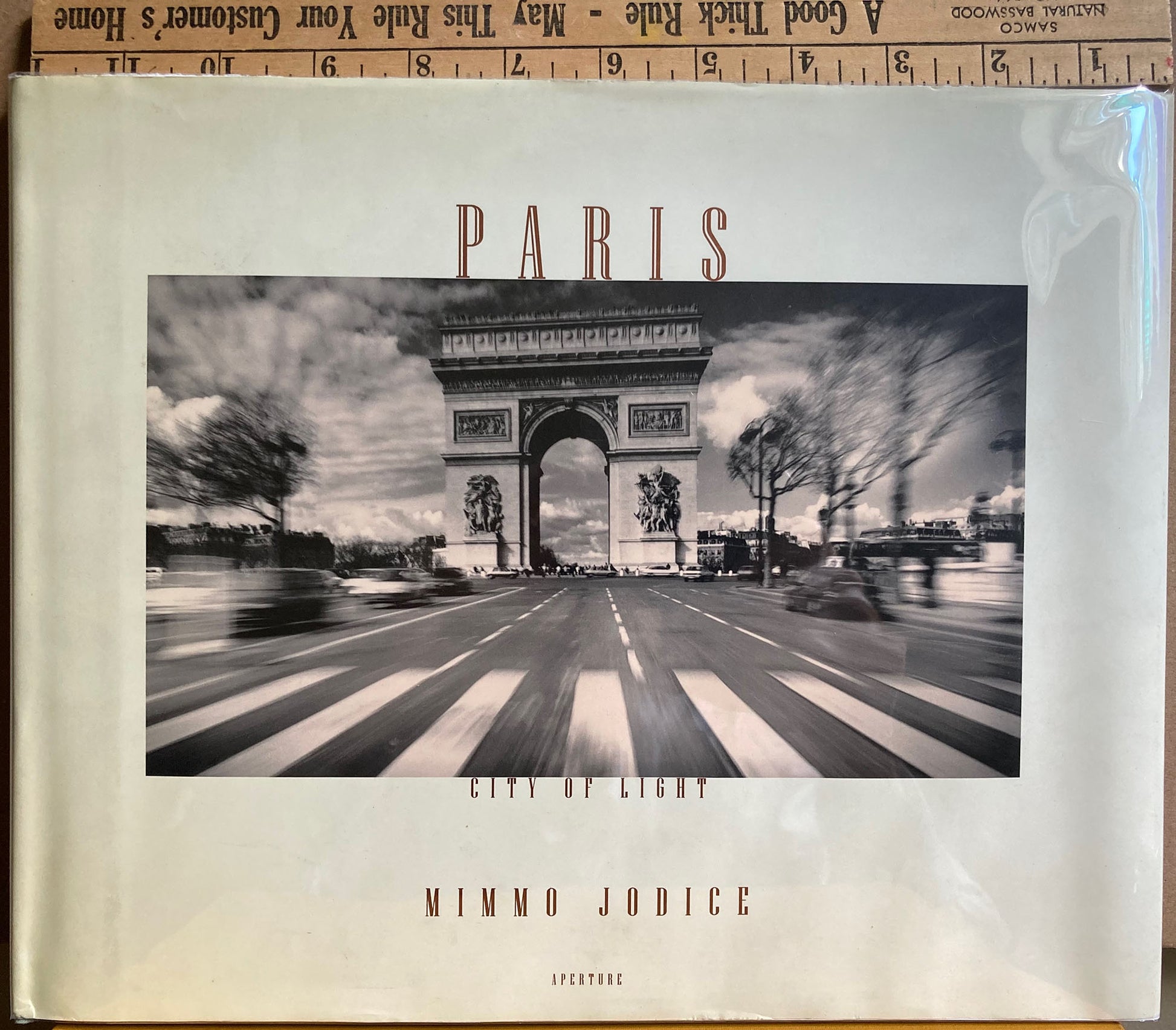
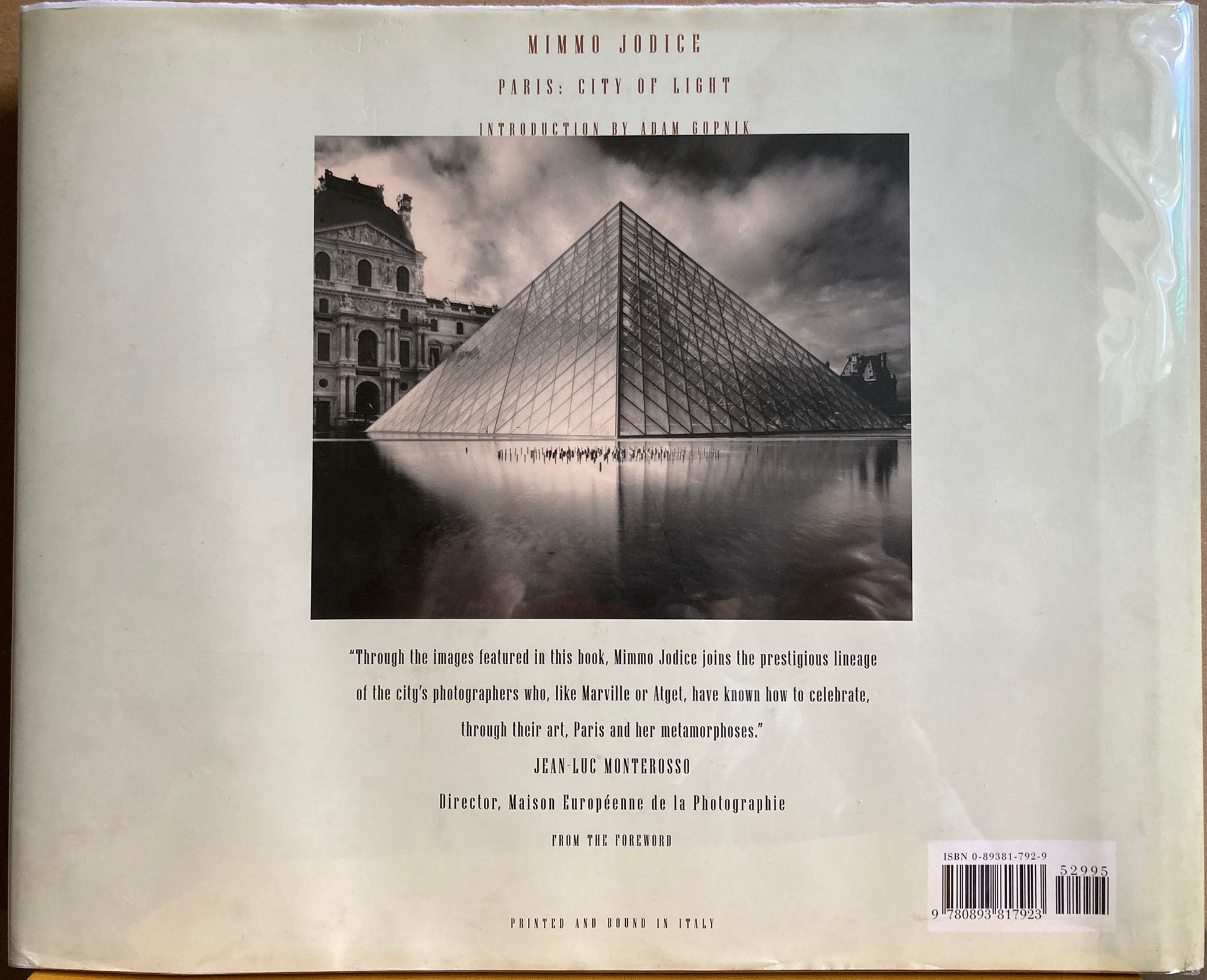
Jodice, Mimmo. Paris: City of Light by Mimmo Jodice.
Jodice, Mimmo. Paris: City of Light by Mimmo Jodice.
Couldn't load pickup availability
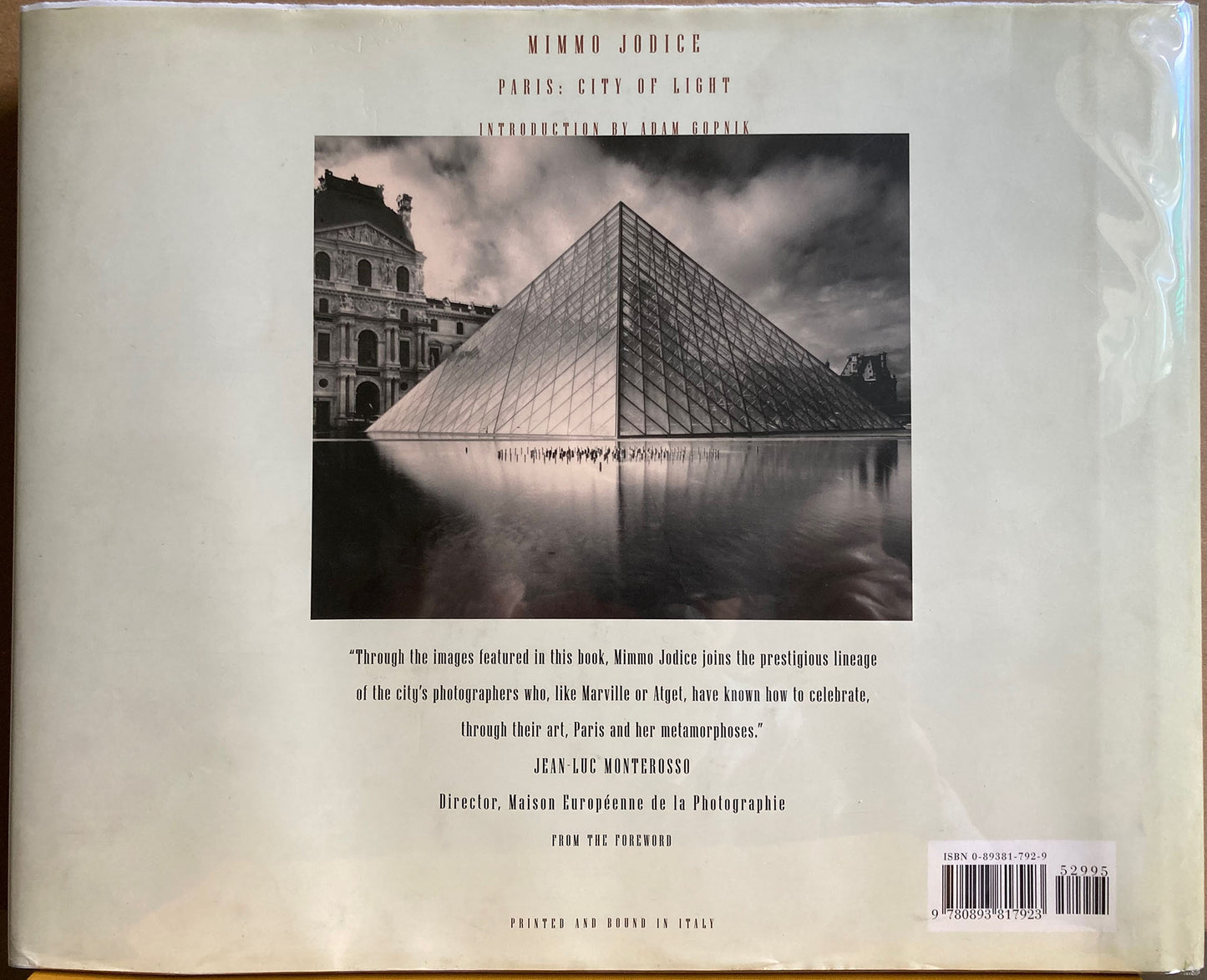
Aperture, 1998. First edition, first printing. Fine hardcover in cloth with protected fine dust jacket. 80 pages. Book issued to accompany an exhibition commissioned by the City of Paris that opened in May 1998 at the Maison Européen de la Photographie. With an introduction by Adam Gopnik, the book is interspersed with quotations about Paris by writers such as Charles Baudelaire, R.T. Marinetti, Raymond Queneau, et al. Born in 1934, Mimmo Jodice is best known as an Italian photographer specializing in black and white images. He was awarded the Feltrini Prize in 2003 and has received a number of other honors, including an honorary degree from the University of Naples. Jodice taught photography in Naples for twenty years at the Academia di Belle Arti and his influential work has been exhibited around the world. Summary:
Paris: City of Light (Parigi: Ville Lumière) is a profound photographic meditation on the French capital by the acclaimed Italian photographer Mimmo Jodice. Published in 1998, the book moves away from the typical "postcard" views of Paris, instead offering a vision that is timeless, silent, and deeply atmospheric.
Core Themes and Artistic Approach
-
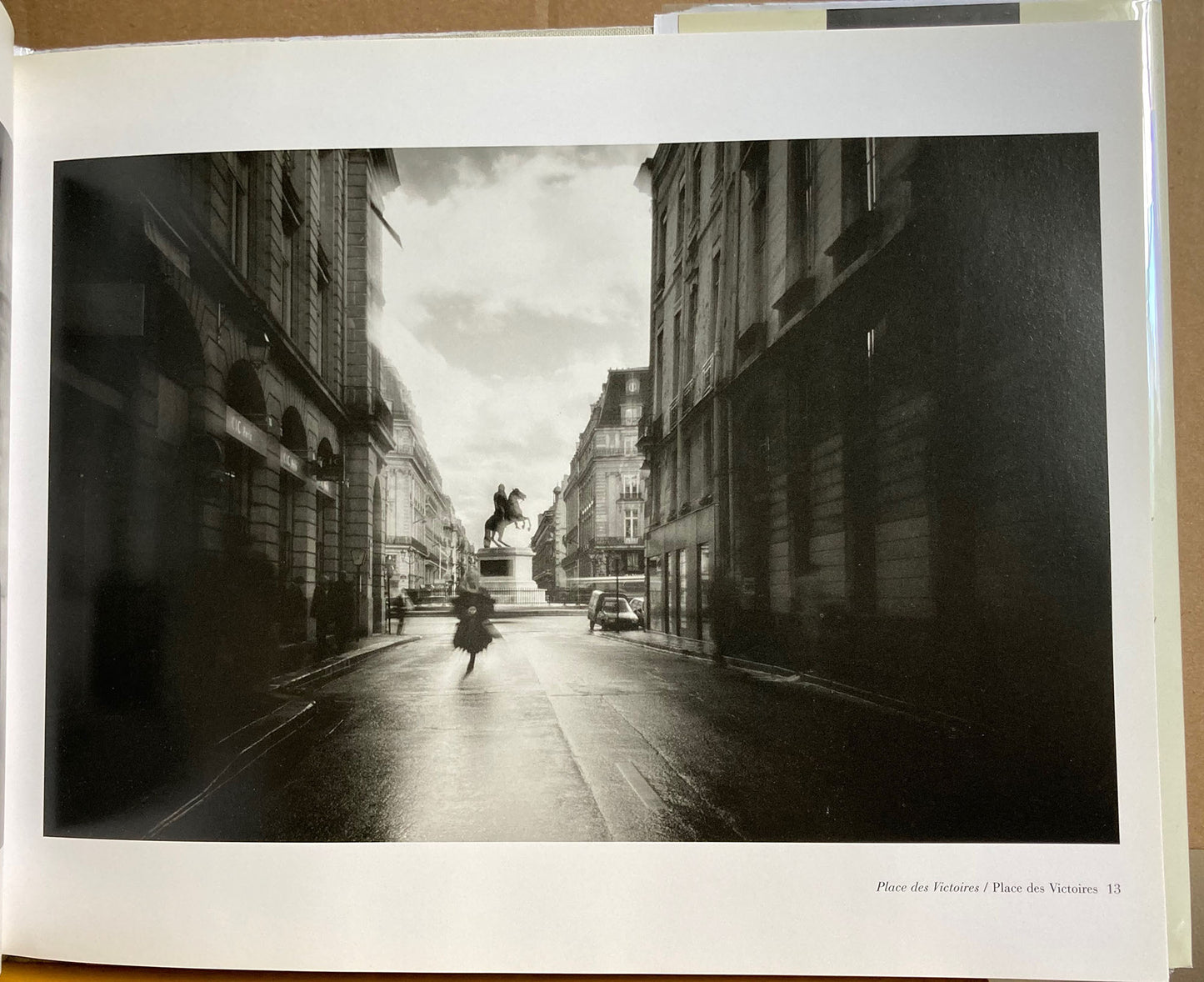
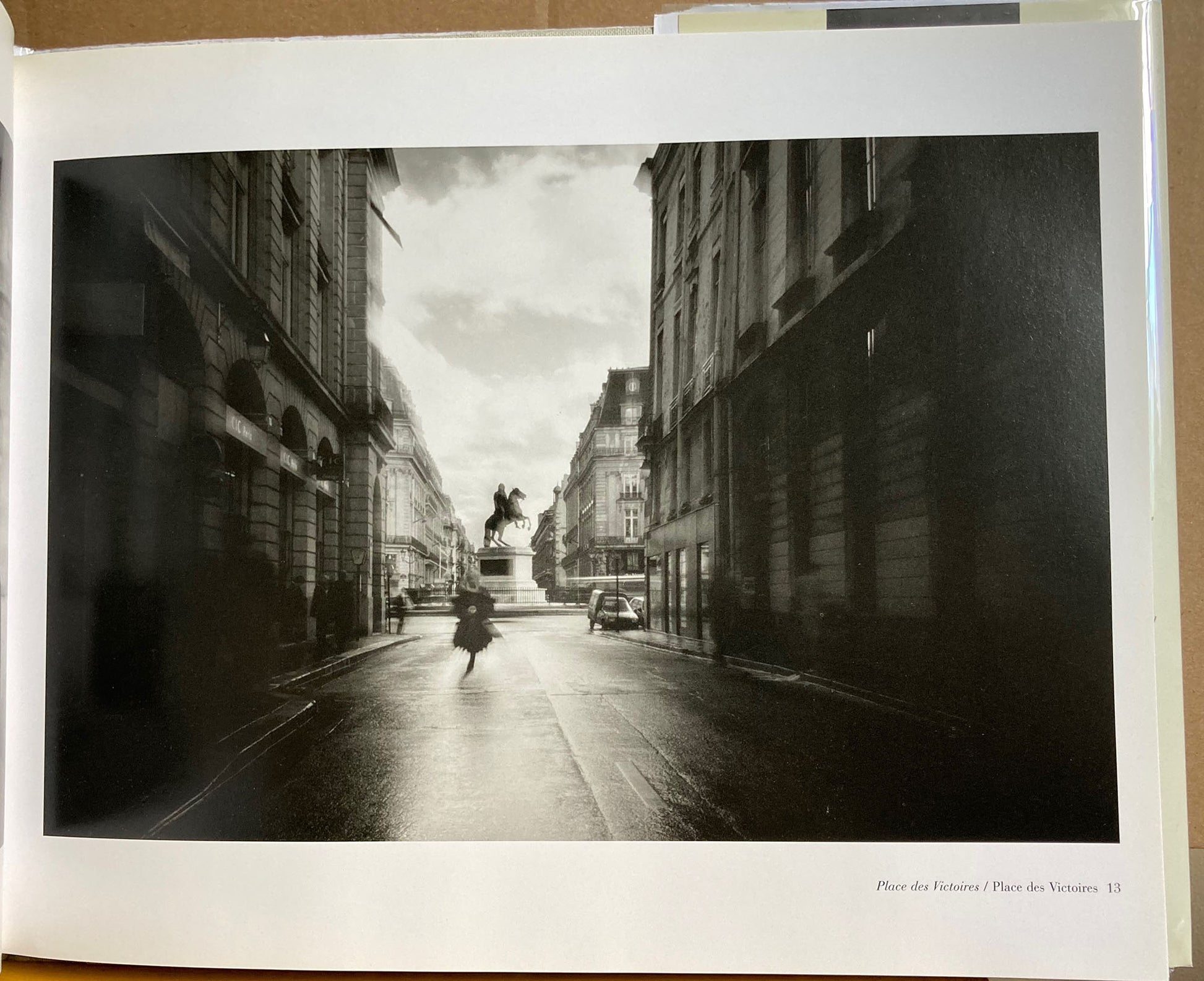
A Timeless Void: Jodice is famous for removing people from his frames. In this collection, the streets, monuments, and bridges of Paris appear deserted, stripped of modern life to reveal their eternal, sculptural essence.
-
Metaphysical Light: True to the title, Jodice focuses on the unique quality of Parisian light. His high-contrast, black-and-white photography uses long exposures to give stone and water a ghostly, ethereal glow, transforming iron and limestone into almost liquid forms.
-
Architecture as Soul: Rather than documenting the city, Jodice treats the architecture—from the Louvre to the Eiffel Tower—as a living, breathing character. His "eclectic eye" seeks out the geometry and textures that define the city's historical memory.
Critical Significance
The book is considered a masterpiece of neo-pictorialism. By eschewing the "decisive moment" of traditional street photography (like that of Cartier-Bresson), Jodice creates a "metaphysical" Paris. The images feel less like snapshots of a city and more like dreams or memories of a civilization that exists outside of time.
Mimmo Jodice is a prominent Italian photographer whose avant-garde, black-and-white work helped transform contemporary Italian photography into a medium of conceptual fine art. Beginning his career as a self-taught artist experimenting with camera techniques, darkroom manipulations, and social documentary, he later served as a long-time professor at the Academy of Fine Arts in Naples, where he established the institution’s first formal photography course.Over the decades, his focus shifted from capturing human-centered social realities to exploring vacant, metaphysical urban landscapes, architectural geometries, and the classical myths and landscapes of the Mediterranean basin. Celebrated for his poetic use of light, shadow, and quiet visual space, Jodice has had his works widely exhibited in international institutions such as the Louvre, the San Francisco Museum of Modern Art, and the Philadelphia Museum of Art.