Gary Saretzky Photo Books
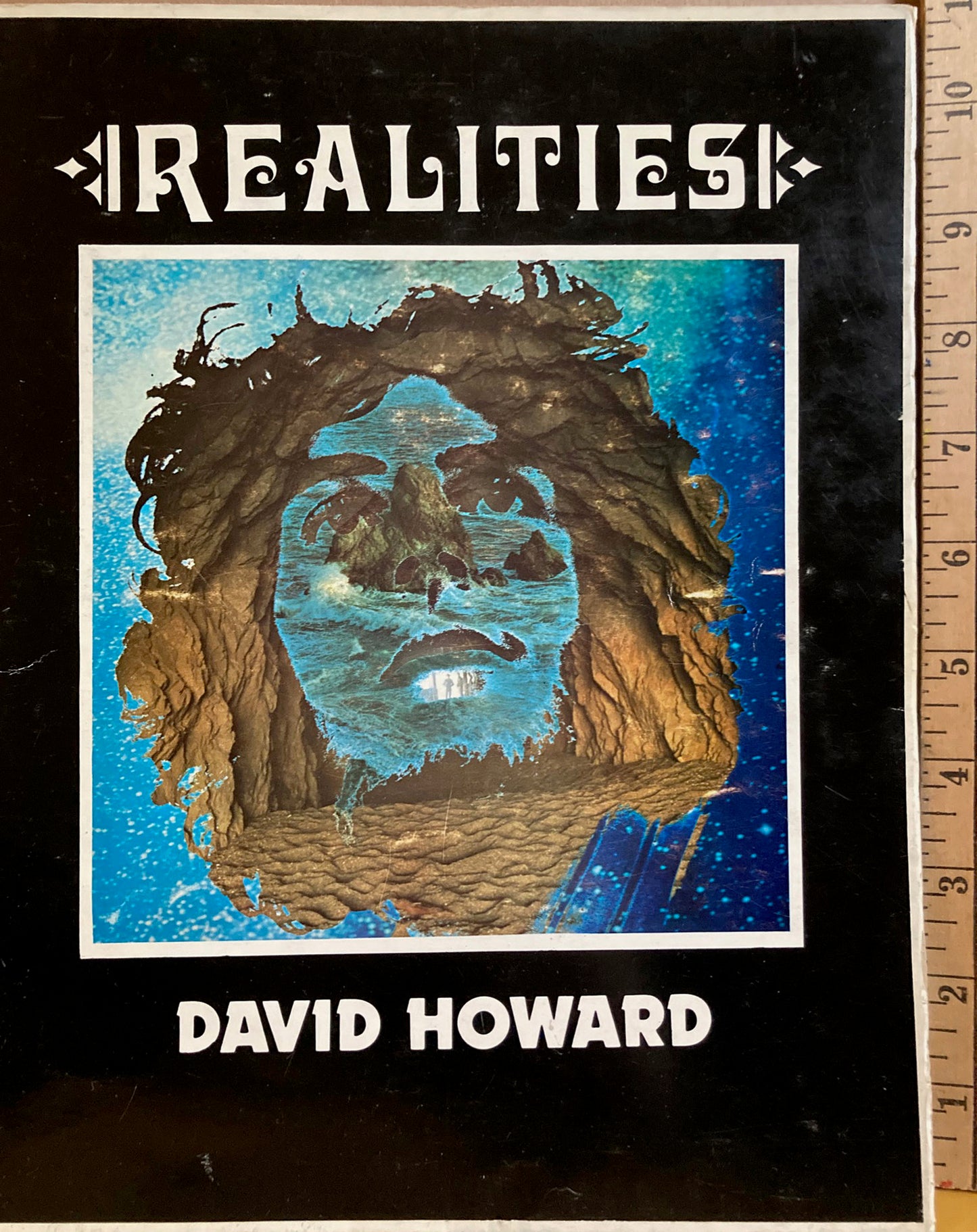
Howard, David. Realities by David Howard.
Howard, David. Realities by David Howard.
Couldn't load pickup availability
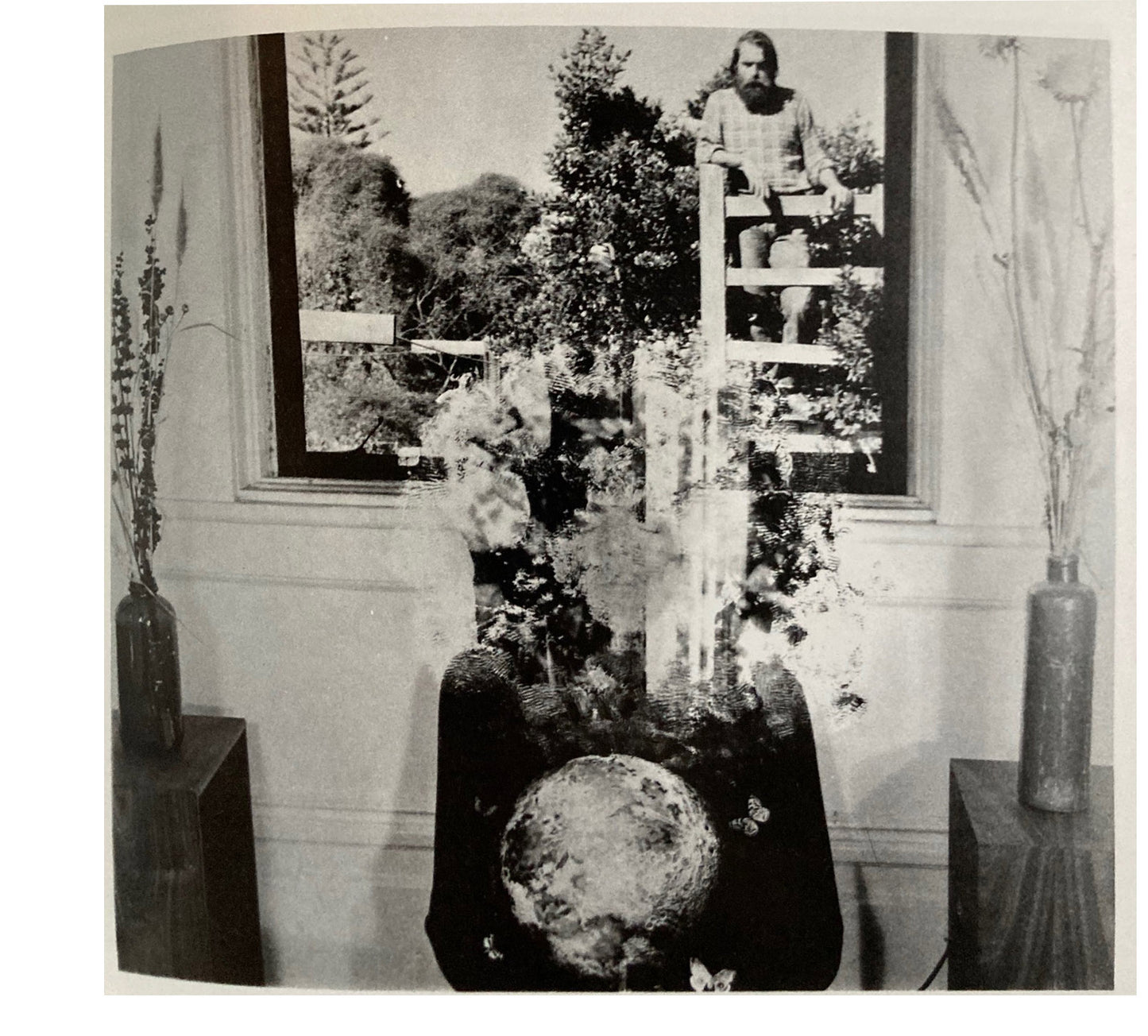
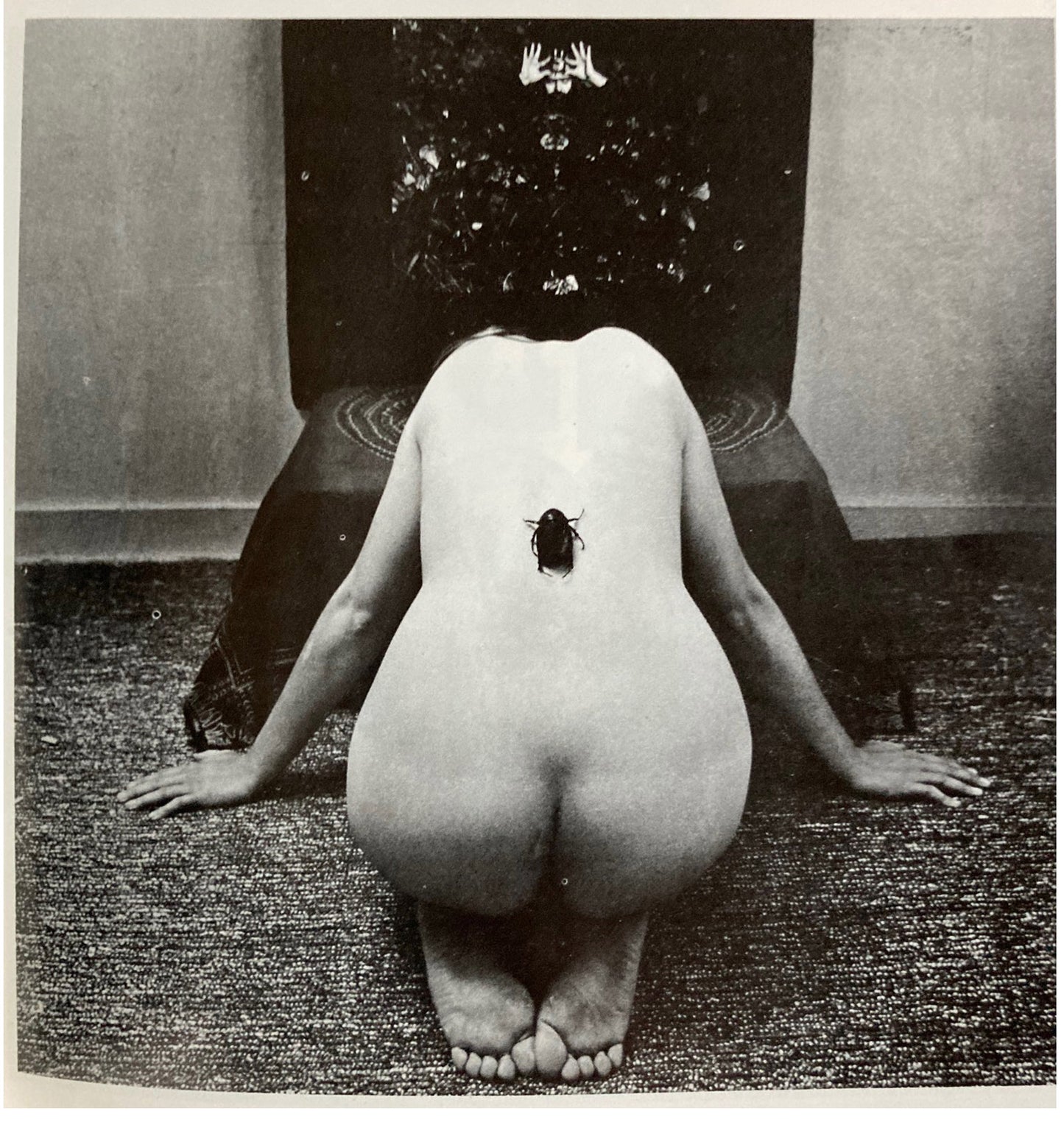
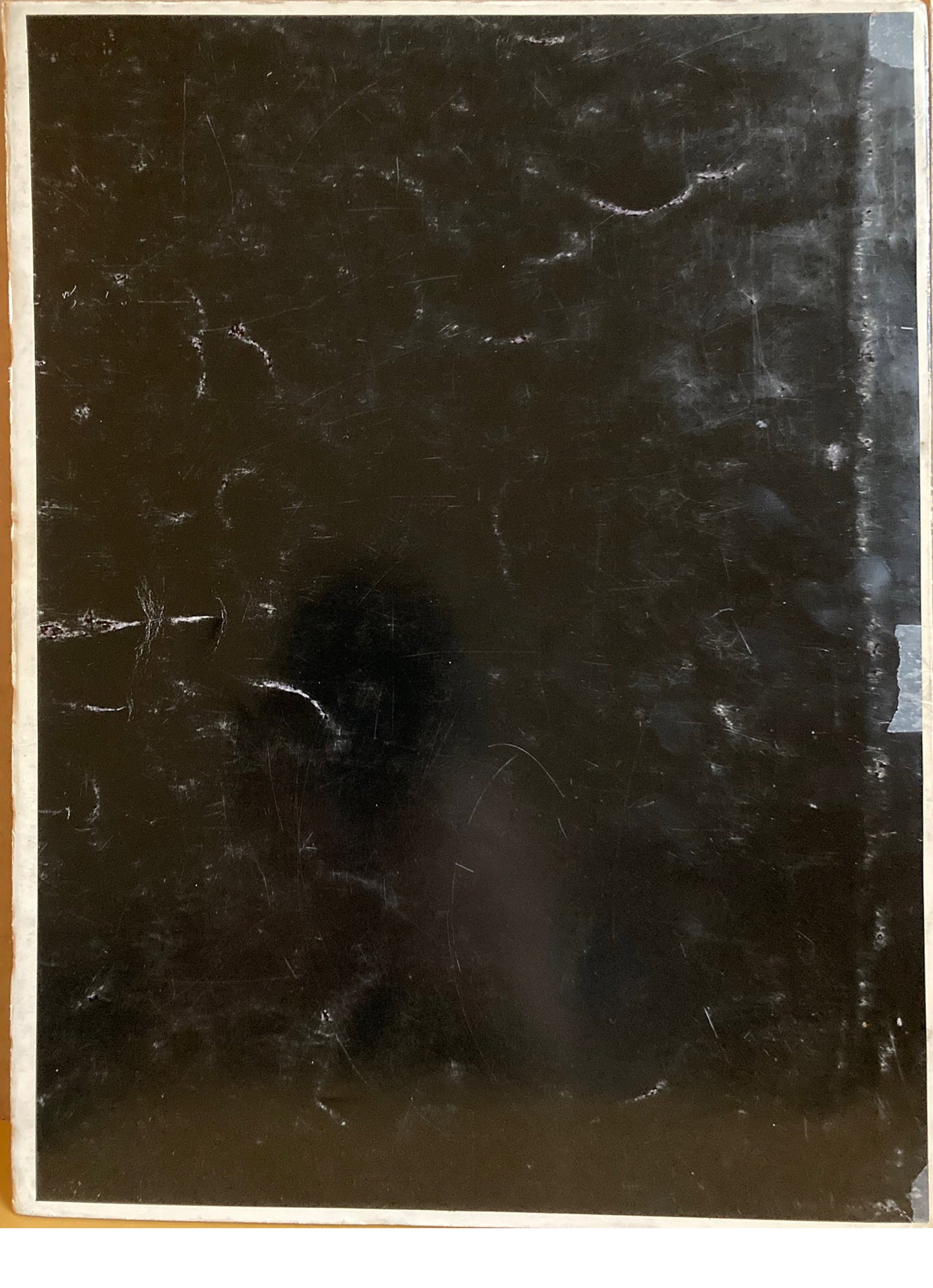
San Francisco Center for Visual Studies, 1976. Introduction by Mary Roth. Photography art book. Work by the experimental photographer David Howard, who got his M.F.A. at the San Francisco Art Institute, that demonstrates one photographic artist's unique reality. Some of the black-and-white photos are psychedelic using photomontage techniques. Biographical information in back of book with list of numerous exhibitions and publications. Wraps, good with page crimps, rubbing on back cover, and small pieces of archival adhesive tape along spine. Not issued with ISBN number. See photos. Summaary:
Realities (1976) by David Howard is a visionary, mid-century exploration of the "Malleability of Perception." Published during a decade of intense experimentation, Howard’s work serves as a technical and philosophical bridge between traditional documentary photography and the "Constructed Realities" of the digital age that would follow.
Core Themes and Narrative
-
The Fragmented Subject: Howard’s central narrative is that "Reality" is not a fixed state but a collection of optical fragments. He uses the camera to deconstruct everyday scenes—urban architecture, human figures, and industrial surfaces—into abstract components.
-
The "Psychological Landscape": The book moves away from geographical location toward an internal topography. Howard explores how light and shadow can be manipulated to trigger "Subconscious Finishes," making the viewer question whether they are looking at a physical object or a mental state.
-
Man vs. Machine: A recurring theme is the integration of the human form with the built environment. Howard frames the body not as an organic outlier, but as a "Biological Component" within the mechanical grid of the modern city.
Visual and Technical Notes, Bio
-
Solarization and High-Contrast: The style of the images in Realities is heavily influenced by the techniques of the 1920s avant-garde (reminiscent of Man Ray). Howard employs heavy solarization and extreme tonal compression to create a "Metallic Finish" on his subjects.
-
Geometric Layering: Howard’s style often involves double exposures or complex reflections. This creates a "multi-layered reality" where the sharp, forensic detail of a stone wall might bleed into the soft, ethereal silhouette of a face, resulting in a high-performance visual tension.
- David E. T. Howard (born 1952) is an American experimental photographer, filmmaker, and educator celebrated for his avant-garde visual techniques, interview archives, and extensive cultural documentary work. Born in Brooklyn, New York, Howard earned a Master of Fine Arts from the San Francisco Art Institute in 1974, quickly developing a reputation for boundary-pushing photography and experimental filmmaking. In 1978, he published Perspectives, a seminal compilation of his candid interviews with photographic legends Ansel Adams, Aaron Siskind, Jerry Uelsmann, and Ralph Gibson. During the 1980s, Howard produced and directed the acclaimed PBS documentary television series Art Seen, creating over 120 episodes that documented major contemporary artists—including Keith Haring, Christo, and Nam June Paik—working directly inside their private studios. He later traveled extensively across Southeast Asia to document vanishing indigenous cultures, including remote headhunting tribes in the Philippines, while maintaining an active commercial presence with agencies like Black Star. Howard’s experimental films and photo-collages have been featured in major institutions, including the Whitney Museum of American Art, the San Francisco Museum of Modern Art, the Metropolitan Museum of Art, and the Smithsonian Institution.