Gary Saretzky Photo Books
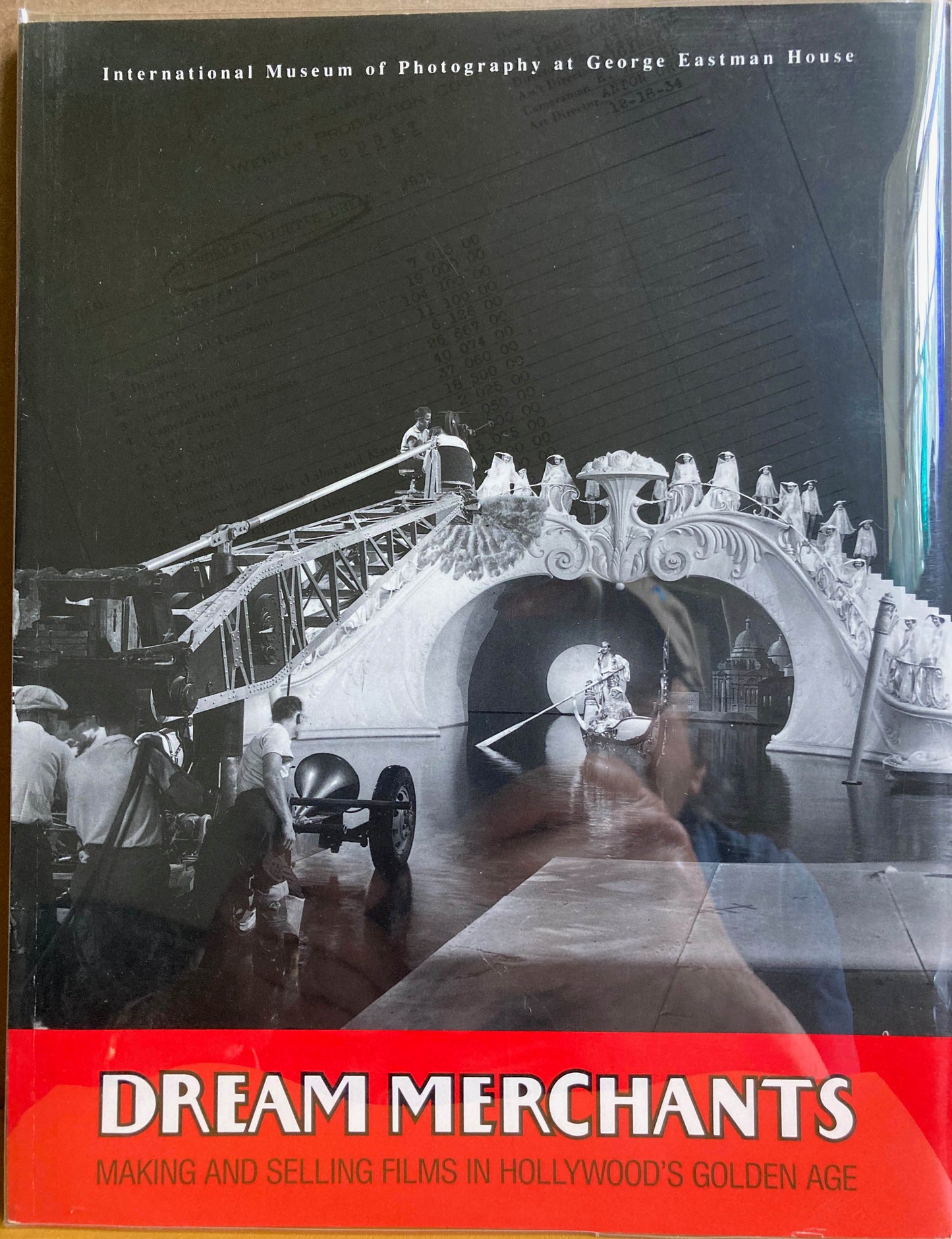
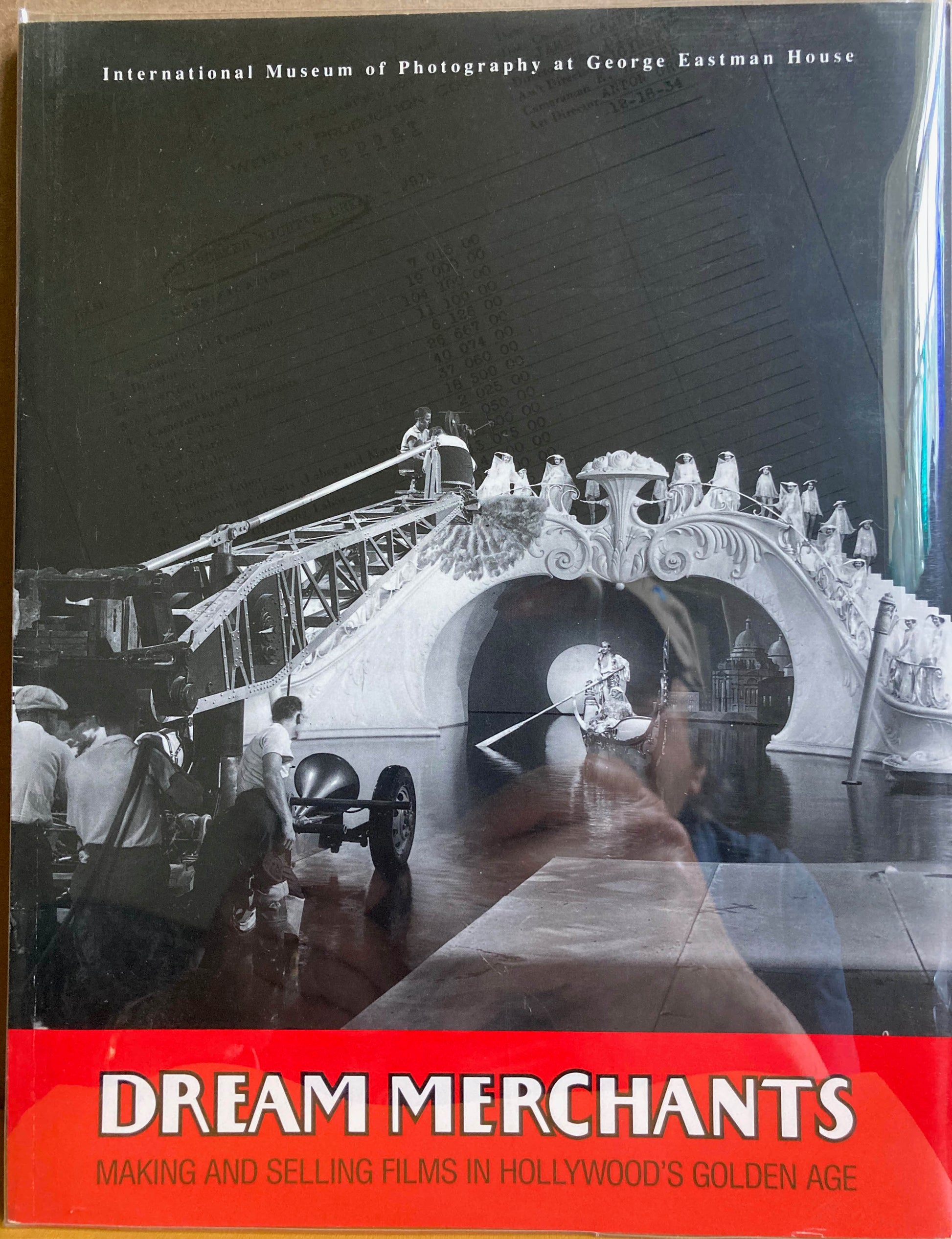
Hollywood. Dream Merchants: Making and Selling Films in Hollywood's Golden Age by Jan-Christopher Horak.
Hollywood. Dream Merchants: Making and Selling Films in Hollywood's Golden Age by Jan-Christopher Horak.
Couldn't load pickup availability
International Museum of Photography at George Eastman House, 1989. Like new in wraps with custom-made 4-mil polyester clear jacket. 79 pages. Exhibition catalog with essay and numerous black-and-white illustrations from the exhibition’s 250 items, which are listed in the back of the book with a bibliography. The exhibition toured in 1989 and 1990. Summary:
Published in 1989 by the George Eastman House (International Museum of Photography and Film), Dream Merchants: Making and Selling Films in Hollywood's Golden Age by film historian and curator Jan-Christopher Horak provides an authoritative historical and visual examination of the classic Hollywood studio system. Functioning as both a rigorous scholarly study and an exhibition catalogue, the volume investigates the intricate intersection of art, industrial production, and commercial marketing that defined American cinema during its studio era. Horak analyzes how major film studios operated as integrated commercial enterprises, exploring not only the technical processes of filmmaking—such as art direction, cinematography, and star manufacture—but also the sophisticated publicity campaigns, promotional graphics, and distribution networks used by studio executives to commodify narrative cinema and sell the Hollywood "dream" to global audiences.