
Gary Saretzky Photo Books
Hine, Lewis. Lewis Hine, from the collections of George Eastman House, International Museum of Photography and Film.
Hine, Lewis. Lewis Hine, from the collections of George Eastman House, International Museum of Photography and Film.
Couldn't load pickup availability
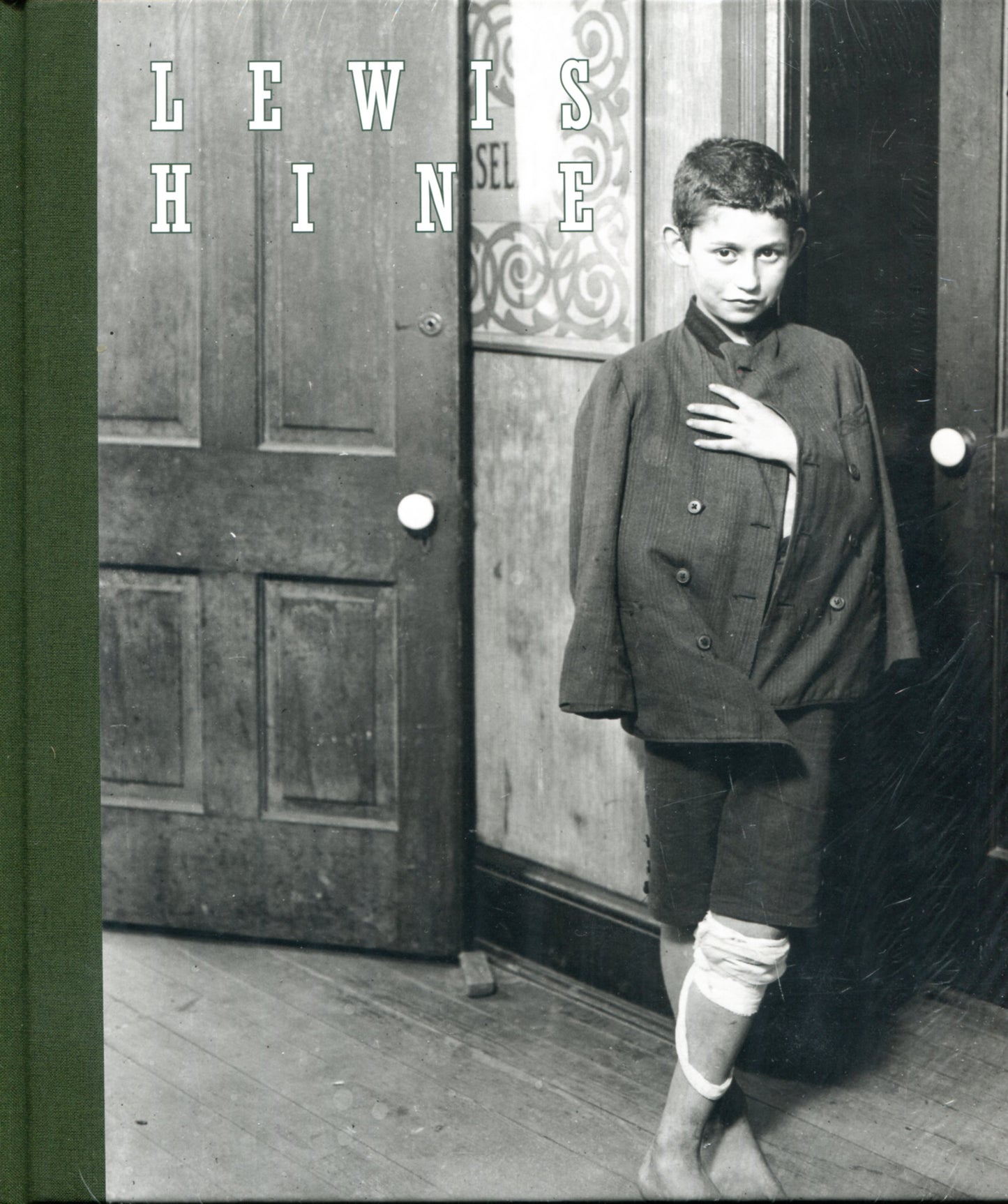
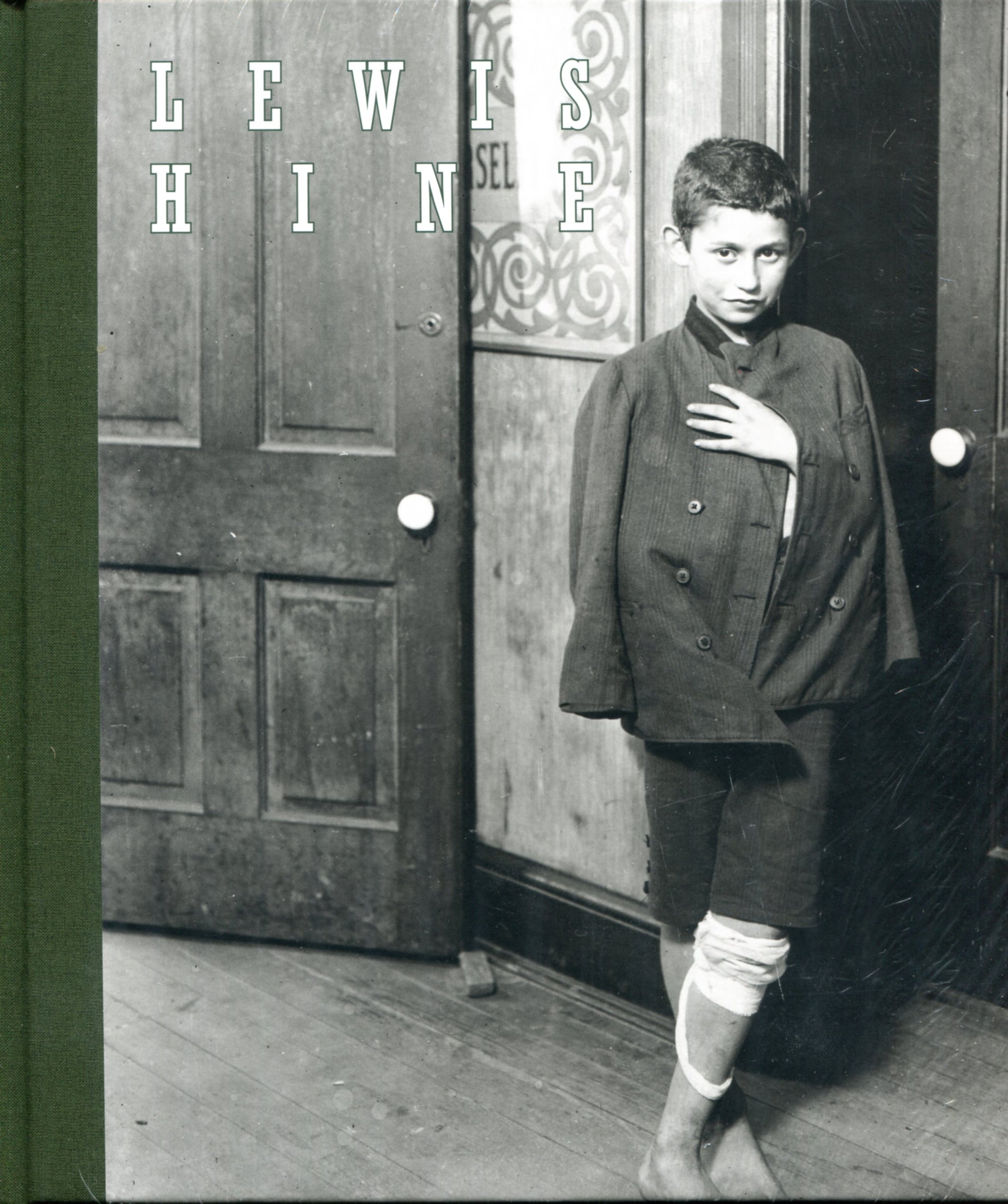
By Alison Nordstrom and Elizabeth McCausland. Fundacion MAPFRE (Madrid, Spain), February 2012. New, flawless copy, in original shrink wrap. The very limited Madrid first edition, not to be confused with the D.A.P. reprint that has a different photo on the cover and a different ISBN number. Issued in conjunction with a major exhibit in Paris, Madrid, and Rotterdam, followed by the George Eastman House in 2014. 264 pp., more than 300 illustrations, including 11 in color. Includes facsimile bound in of the entire Hine book, Men at Work (Macmillan, 1932), documenting the construction of the Empire State Building, on pages about an inch smaller in diameter than those used for the rest of the book. Hardcover in green cloth with photo taking up most of front cover. Bar code label on outside of shrink wrap on back cover. Chapters on Ellis Island, Tenements, Child Labor, Pittsburgh, Chicago & New York, Europe, Work, Black America, Empire State building, Shelton Looms, and New Deal. Elizabeth McCausland's essay, "Lewis Hine: Social Photographer," was first published in 1938. Includes chronology, bibliography, and other informative appendices. Summary:
Lewis Hine, published by Fundación MAPFRE in 2012, is a comprehensive retrospective catalog that draws from the vast archives of the George Eastman House. It serves as both a definitive monograph of Hine’s career and a scholarly examination of his role as the father of American social documentary photography.
Core Focus and Narrative
1. The "Social Photographer"
The book highlights Hine’s transition from a sociology teacher to a photographer who used the camera as a "tool for social reform." It documents his primary mission: to show things that needed to be appreciated (the dignity of labor) and things that needed to be changed (the injustice of exploitation).
2. Major Thematic Series
The volume is organized around Hine’s most influential bodies of work:
-
Ellis Island (1904–1909): Portraits of immigrants that challenged nativist prejudices by emphasizing the humanity and hope of the arrivals.
-
Child Labor (1908–1924): His undercover work for the National Child Labor Committee (NCLC). These harrowing images of children in mines, mills, and factories were instrumental in changing U.S. labor laws.
-
The Red Cross in Europe: Documentation of the devastation and relief efforts following World War I.
-
Men at Work (1930s): His later shift toward "Work Portraits," culminating in his iconic documentation of the construction of the Empire State Building. These images celebrate the heroism of the American worker.
3. Aesthetic and Technique
The catalog emphasizes that Hine was not merely a documentarian but a sophisticated artist. It explores his use of:
-
Focus and Composition: Using a shallow depth of field to isolate his subjects, forcing the viewer to look into their eyes.
-
The Power of the Gaze: Hine’s subjects almost always look directly at the lens, asserting their presence and demanding a moral response from the observer.
Scholarly Contributions
-
Archival Depth: Because it utilizes the George Eastman House collection, the book features high-quality reproductions of rare prints, including some of Hine’s original field notes and records.
-
Critical Essays: The text provides historical context on the Progressive Era and discusses the paradox of Hine’s career—he died in poverty and relative obscurity, only to be rediscovered later as a titan of the medium.
-
The Ethics of Photography: The book examines the ethical framework Hine established for documentary photography: the balance between aesthetic beauty and the "unvarnished truth."
Summary Takeaway
This Fundación MAPFRE publication is a monumental tribute to the integrity of the image. it frames Lewis Hine as a photographer who didn't just take pictures, but who successfully used the medium to alter the course of American social history, proving that a photograph can be both a work of art and a catalyst for legislative change.