Gary Saretzky Photo Books
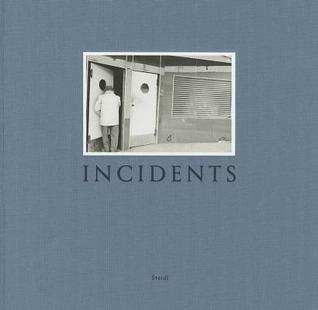
Henry Wessel. Incidents by Henry Wessel. New in shrink-wrap.
Henry Wessel. Incidents by Henry Wessel. New in shrink-wrap.
Couldn't load pickup availability
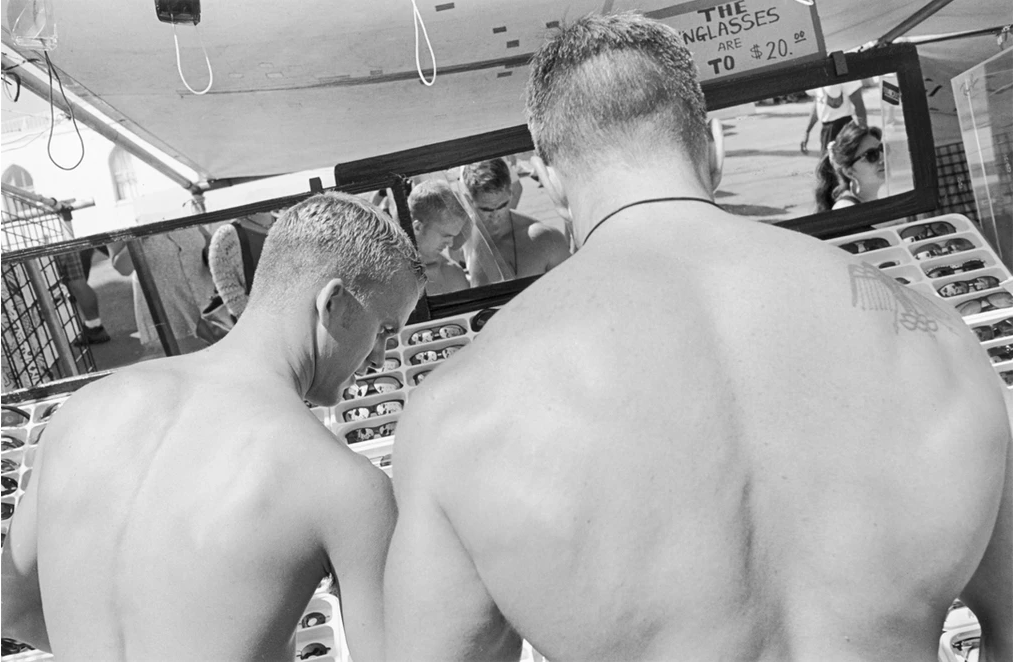
Nazraeli Press, 2013. 1st edition, cloth, new in original shrink wrap. 11.75 x 11.5 inches. 27 previously unpublished photographs. 64 pages. These black-and-white photographs were featured in an exhibit at Pace/McGill Gallery. Wessel, who was included in the famous New Topographics show and book, stated in an interview: "We can recognize and name what has been described but not what just happened, not what is going on, not what is about to happen. Once you accept the idea that all photographs are fictions, analogies for the things they represent, then you are more receptive to the meaning that is being suggested by that analogy, by that fiction. To be more specific, photographs are about something that would not exist without the photograph." Summary:
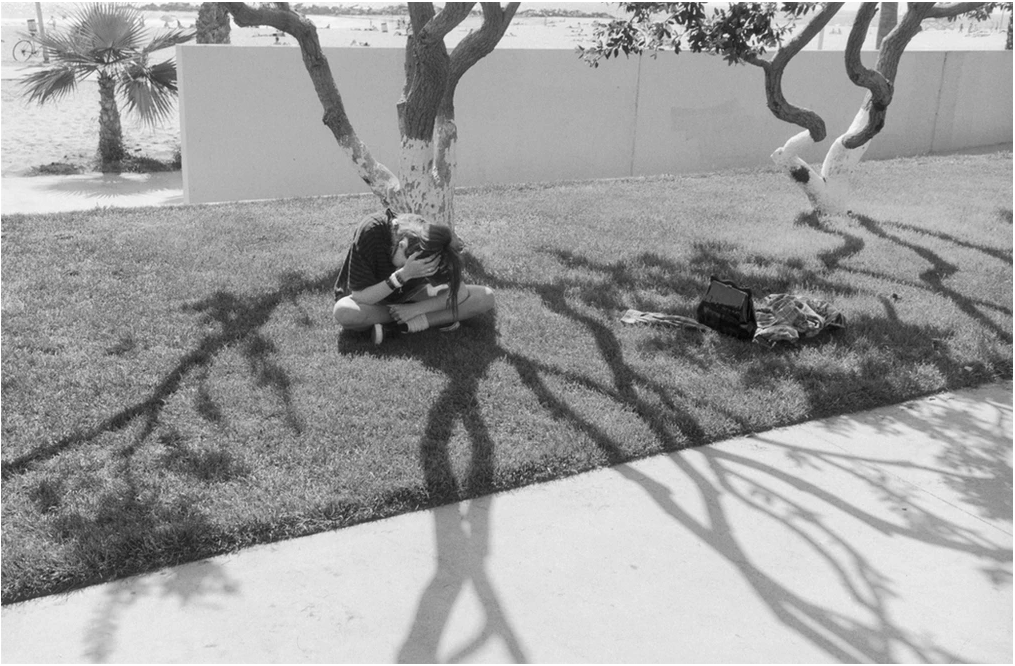
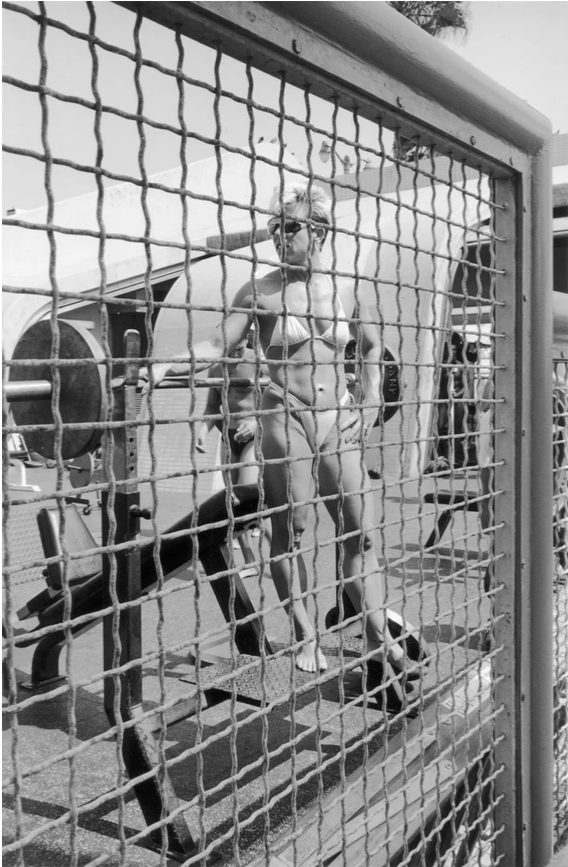
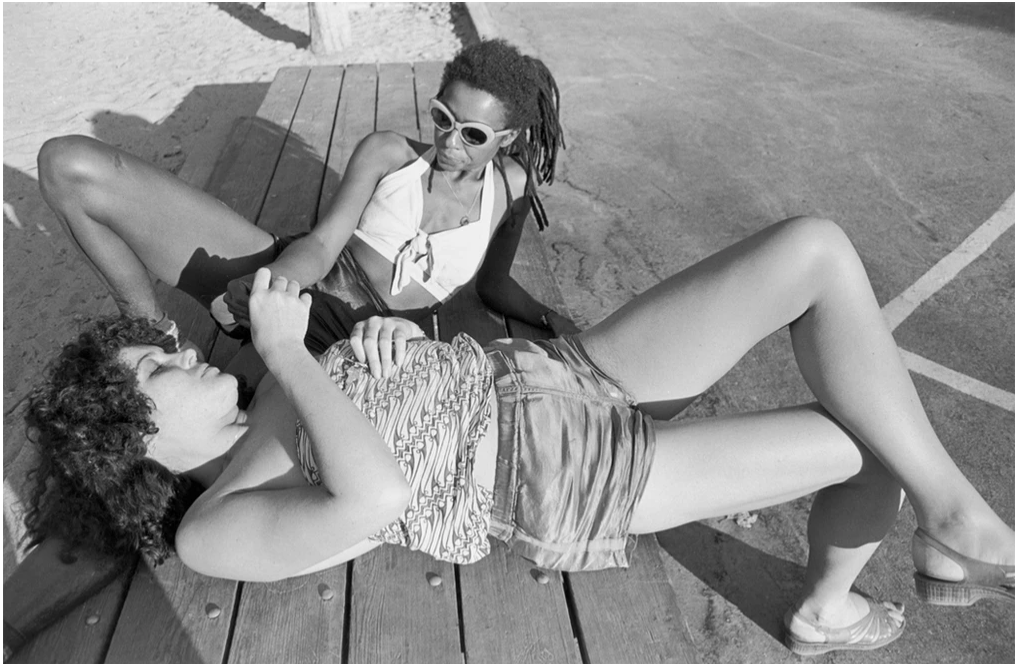
Incidents (2013) is a sophisticated photographic monograph by Henry Wessel, a key figure in the "New Topographics" movement. The book is a masterclass in visual storytelling, presenting 27 black-and-white photographs that capture strange, candid, and often ambiguous moments in the American social landscape, primarily in California.
The Concept: "The Incident"
Wessel’s work is built on the idea that the world is constantly offering up "incidents"—brief, unposed dramas that occur in the blink of an eye. The book is designed to mimic the experience of a passerby:
-
The Quick Glance: The images feel like something seen from a moving car or while walking down a sidewalk—fleeting and peripheral.
-
Narrative Ambiguity: Each photograph suggests a story that has just happened or is about to begin. Wessel intentionally provides no captions or context, leaving the "meaning" of the incident entirely to the viewer’s imagination.
Core Visual Themes
1. The California Noir Aesthetic
Wessel utilizes the harsh, brilliant light of the American West to create a high-contrast, almost cinematic atmosphere. The shadows are deep and the whites are bleached, lending the mundane settings (bungalows, parking lots, sidewalks) a sense of tension reminiscent of a noir film.
2. Human Interaction and Isolation
The "incidents" often involve people in transit or caught in mid-gesture:
-
A woman looking back over her shoulder.
-
A man standing alone by a car.
-
Strangers passing each other in a way that suggests a hidden connection or a profound disconnect.
3. The "New Topographics" Influence
While the book focuses on human incidents, the built environment remains a central character. Wessel documents the peculiar geometry of suburban California—the hedges, the stucco walls, and the telephone poles—treating these structures with the same curiosity as the human subjects.
Artistic Approach
-
Detached Observation: Wessel maintains a "cool," objective distance. He is not a participant in the scenes, but a highly disciplined observer of the "theatre of the everyday."
-
Sequencing: The book is noted for its careful pacing. The relationship between one image and the next creates a rhythmic, almost dreamlike flow that mimics the fragmented way we process visual information in the real world.
-
Minimalism: By stripping away everything but the image, Incidents focuses purely on the act of looking.
Summary Takeaway
Incidents is a study of the unexplained. It elevates the ordinary moment into a profound mystery, proving Henry Wessel’s belief that the most interesting things in life are often the ones we barely notice. It is an essential work for those interested in the power of suggestion in documentary photography.
