Gary Saretzky Photo Books
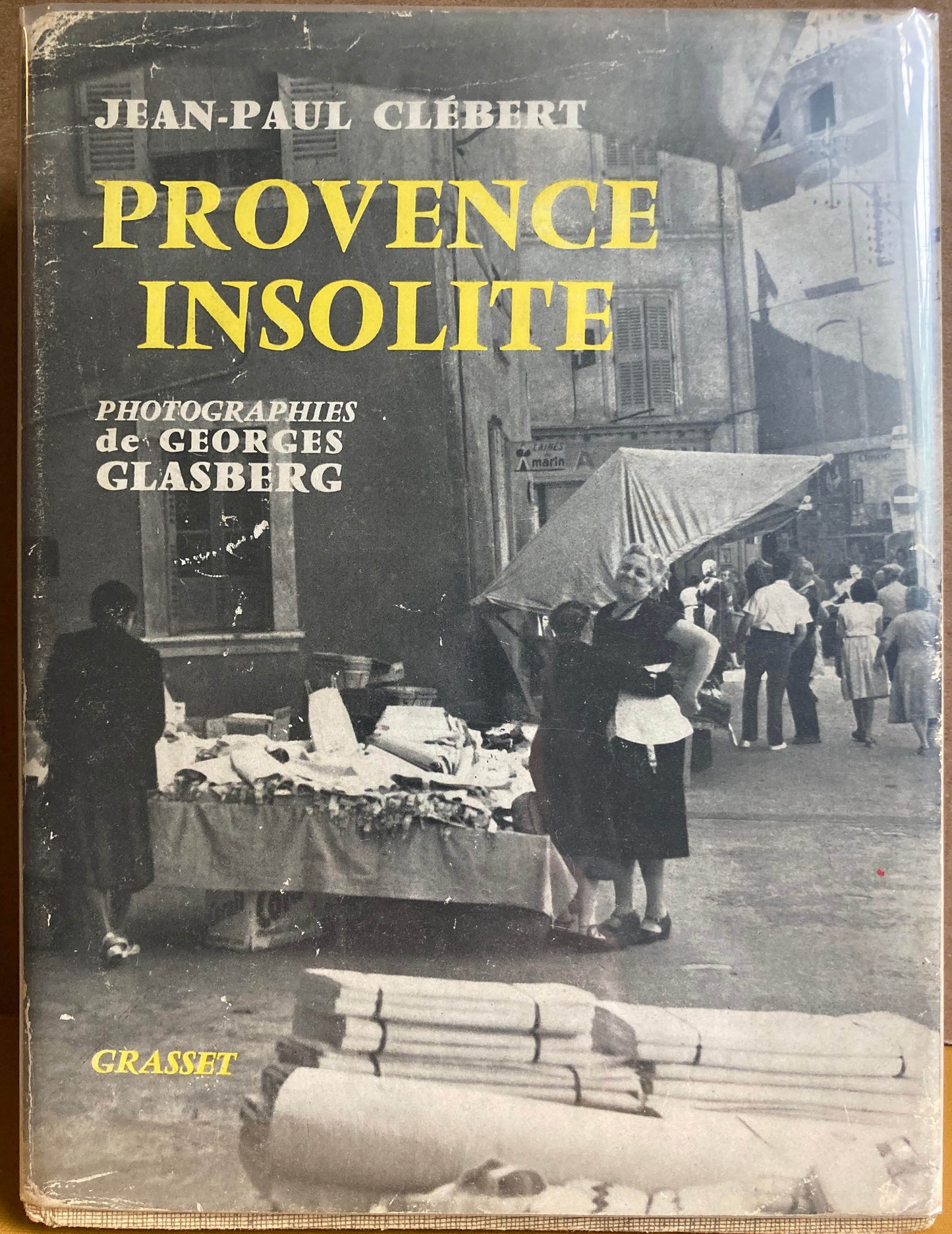
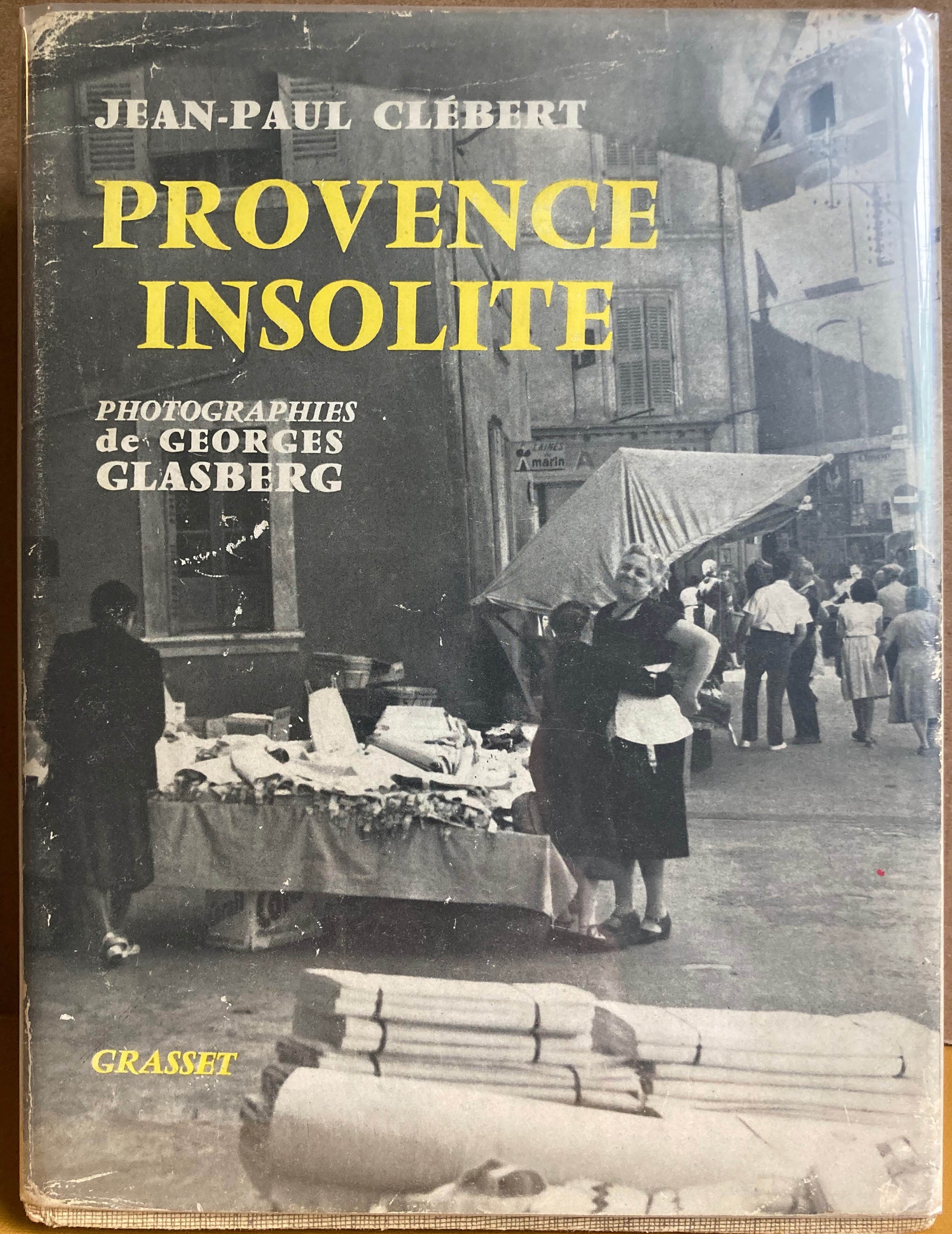
Glasberg, Georges. Provence Insolite. Photographs by Georges Glasberg. Text by Jean-Paul Clébert.
Glasberg, Georges. Provence Insolite. Photographs by Georges Glasberg. Text by Jean-Paul Clébert.
Couldn't load pickup availability
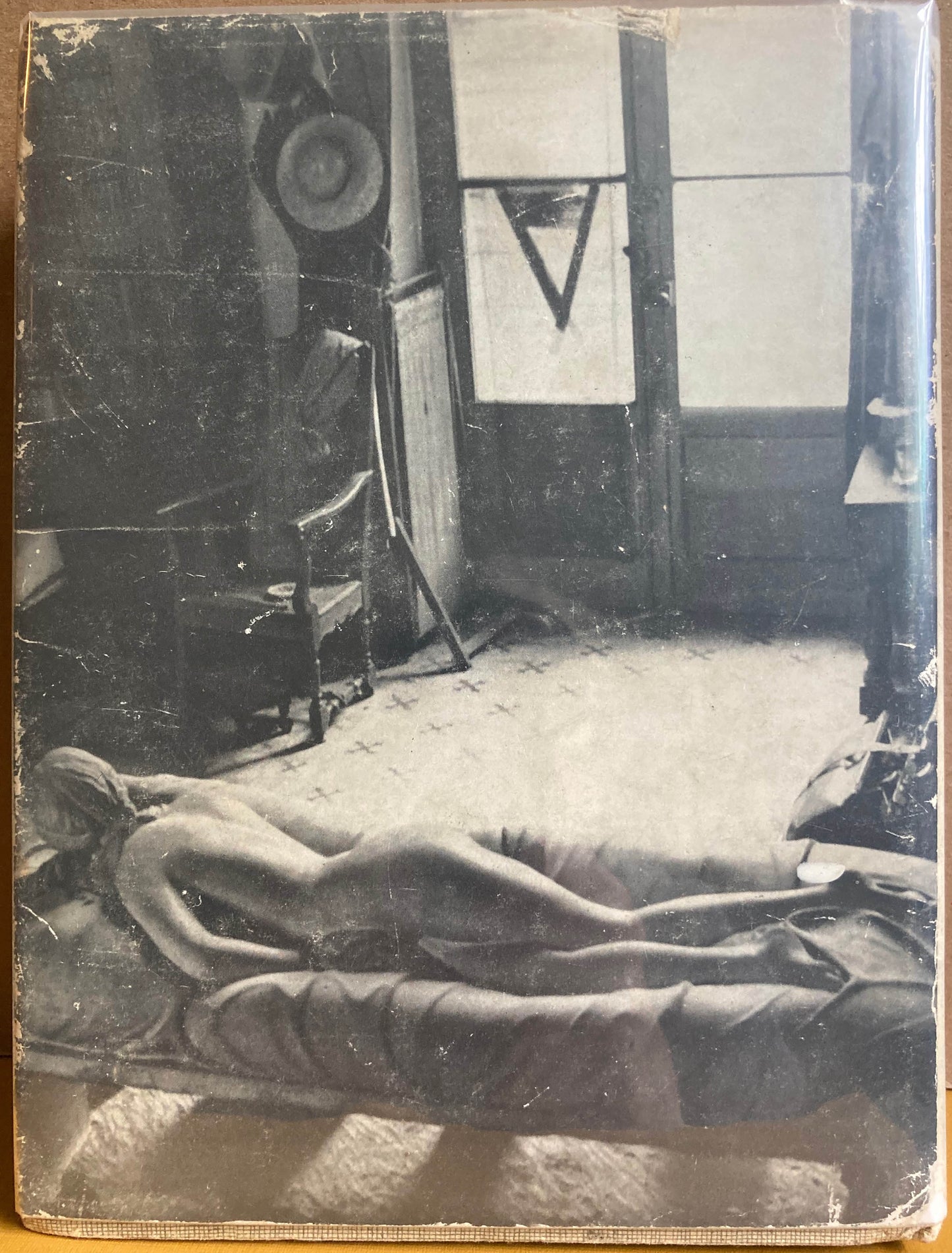
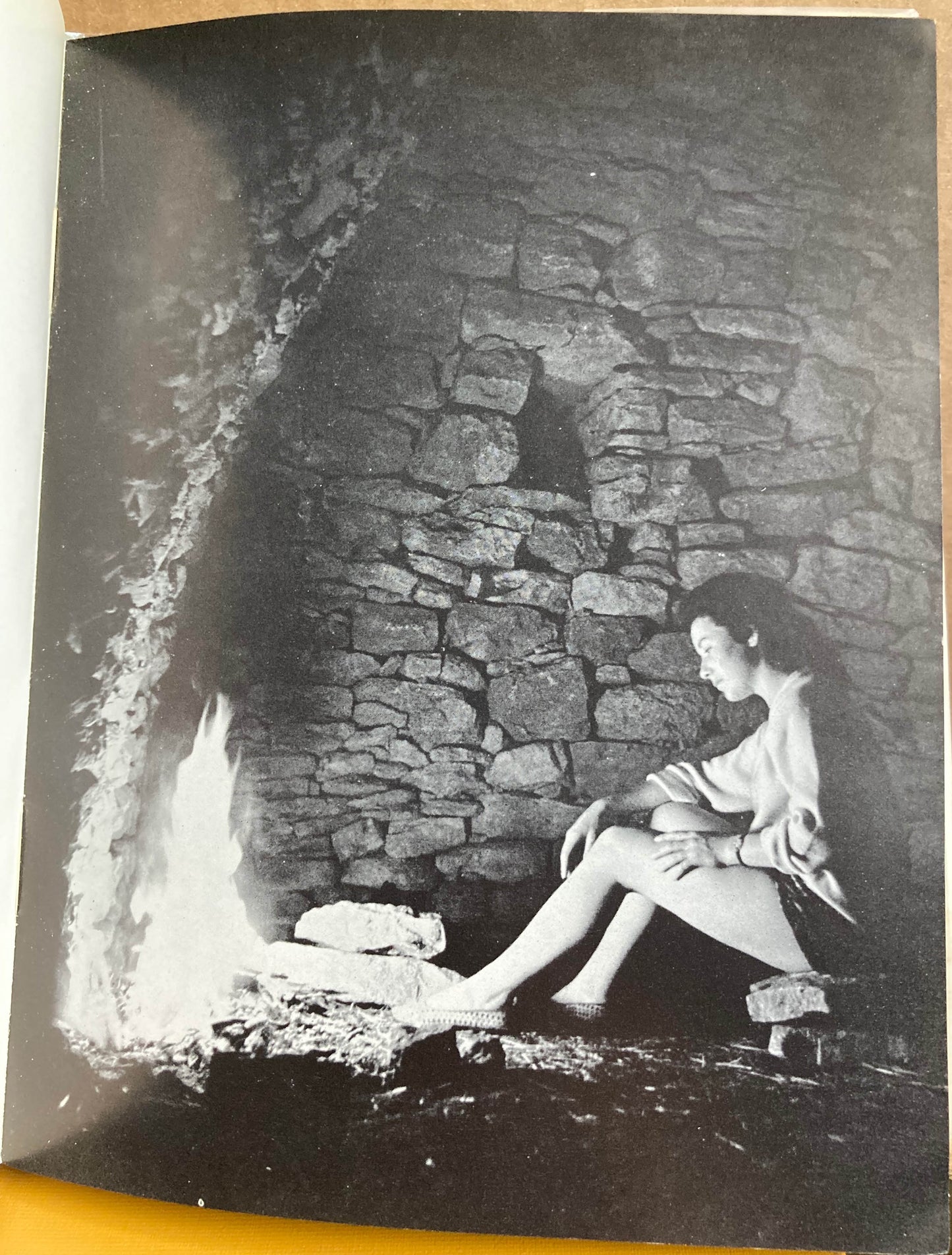
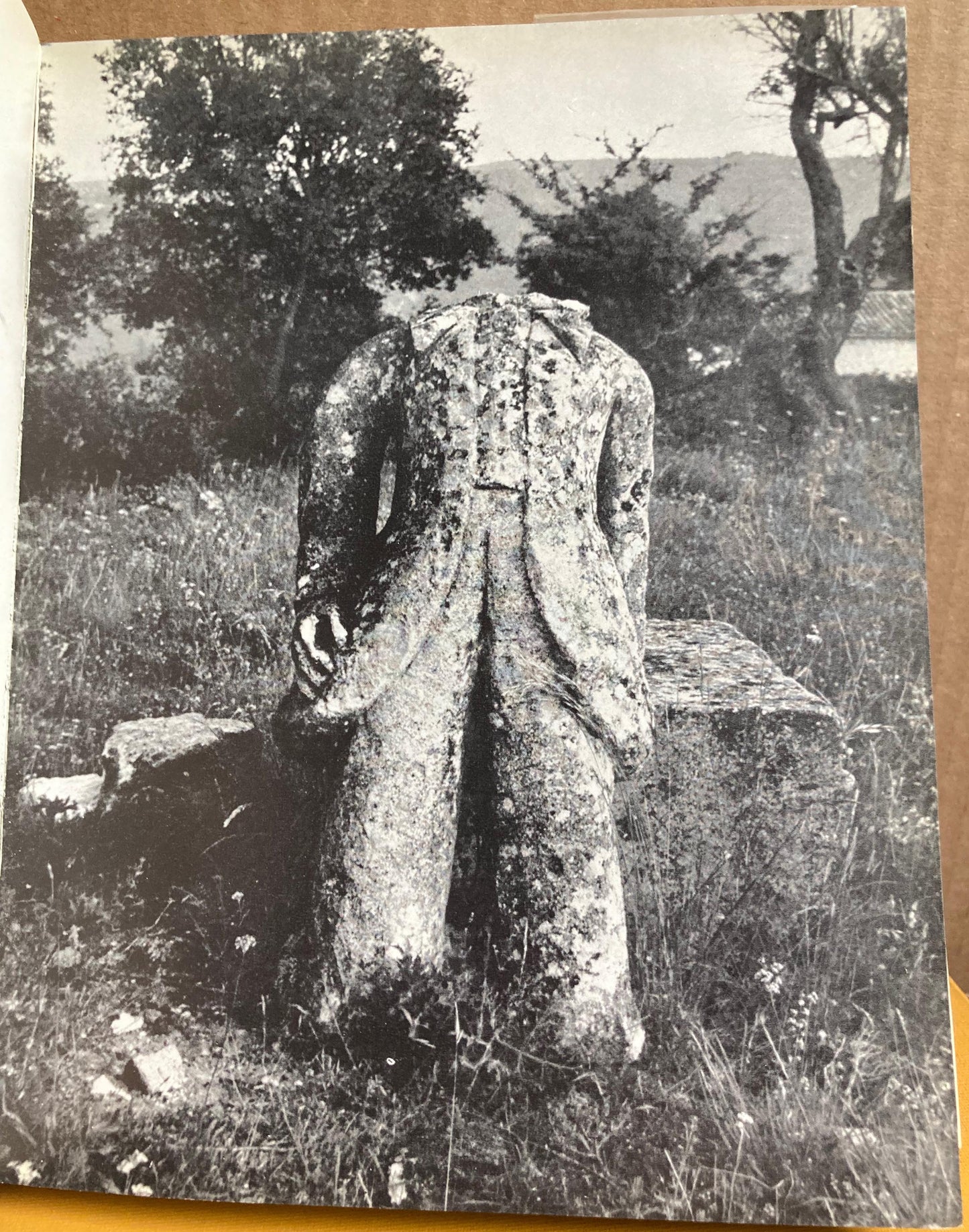
Bernard Grasset Éditeur, Paris, 1958. First edition. 64 black-and-white photographs by Glasberg preceded by 163 text pages in French. With list of photographs taken in Provence, France, in both French and English, at the back of the book. Very good hardcover in cloth with short closed tear at top of spine. Protected dust jacket good with wear at extremities. Uncommon. Summary:
Provence Insolite (1966) is a captivating departure from the sun-drenched, postcard clichés of Southern France. A collaboration between photographer Georges Glasberg and the "vagabond" writer Jean-Paul Clébert, the book serves as an atmospheric guide to the "unusual" or "hidden" Provence—a land of shadows, ancient stones, and eerie silences.
Core Themes and Content
-
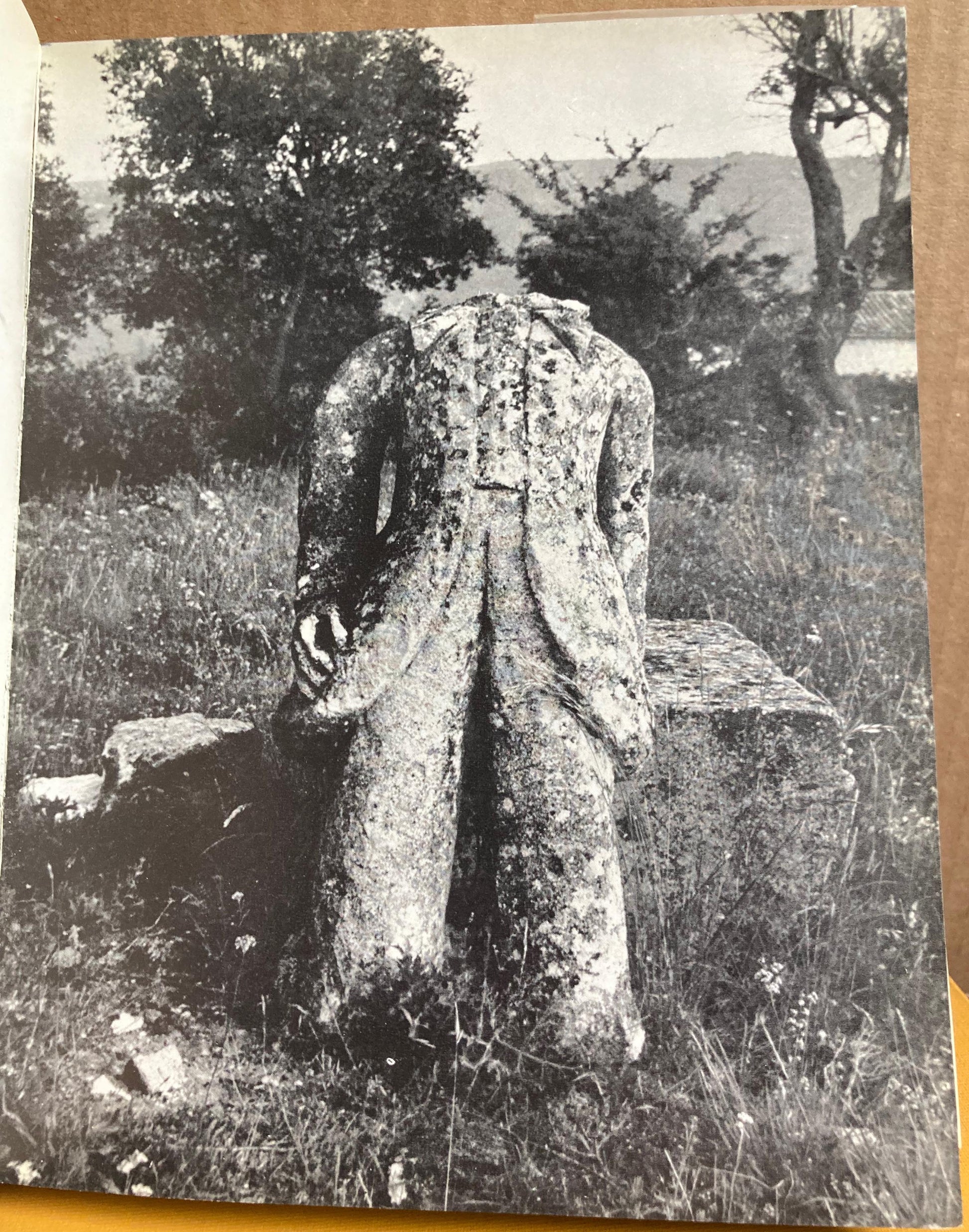
The "Other" Provence: Instead of lavender fields and bustling markets, Glasberg and Clébert focus on the "insolite" (strange or unexpected). They explore abandoned hilltop villages, pagan-influenced folk art, weathered Roman ruins, and the harsh, lonely landscapes of the Vaucluse and the Luberon.
-
Clébert’s "Underground" Narrative: Jean-Paul Clébert, famous for his cult classic Paris Insolite, brings a similar grit to the countryside. His text is less a travelogue and more a psychological map of a region steeped in history, myth, and a certain "rural noir" mystery.
-
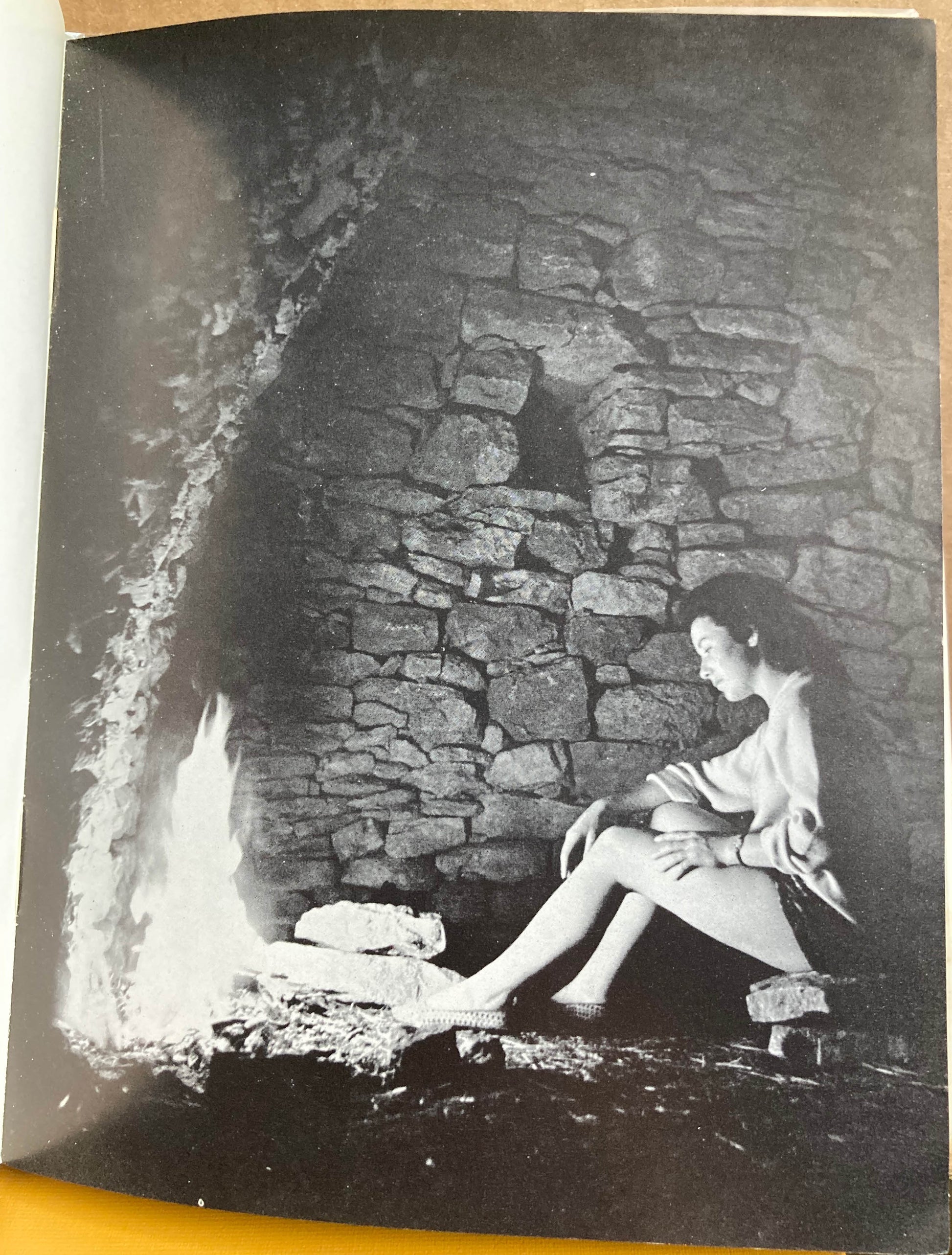
The Metaphysical Landscape: The book emphasizes the relationship between the Provencal people and their rugged environment—stone bories (huts), wind-swept plateaus, and the haunting presence of the "Black Plague" history that still lingers in the architecture of the old villages.
Visual and Artistic Style
-
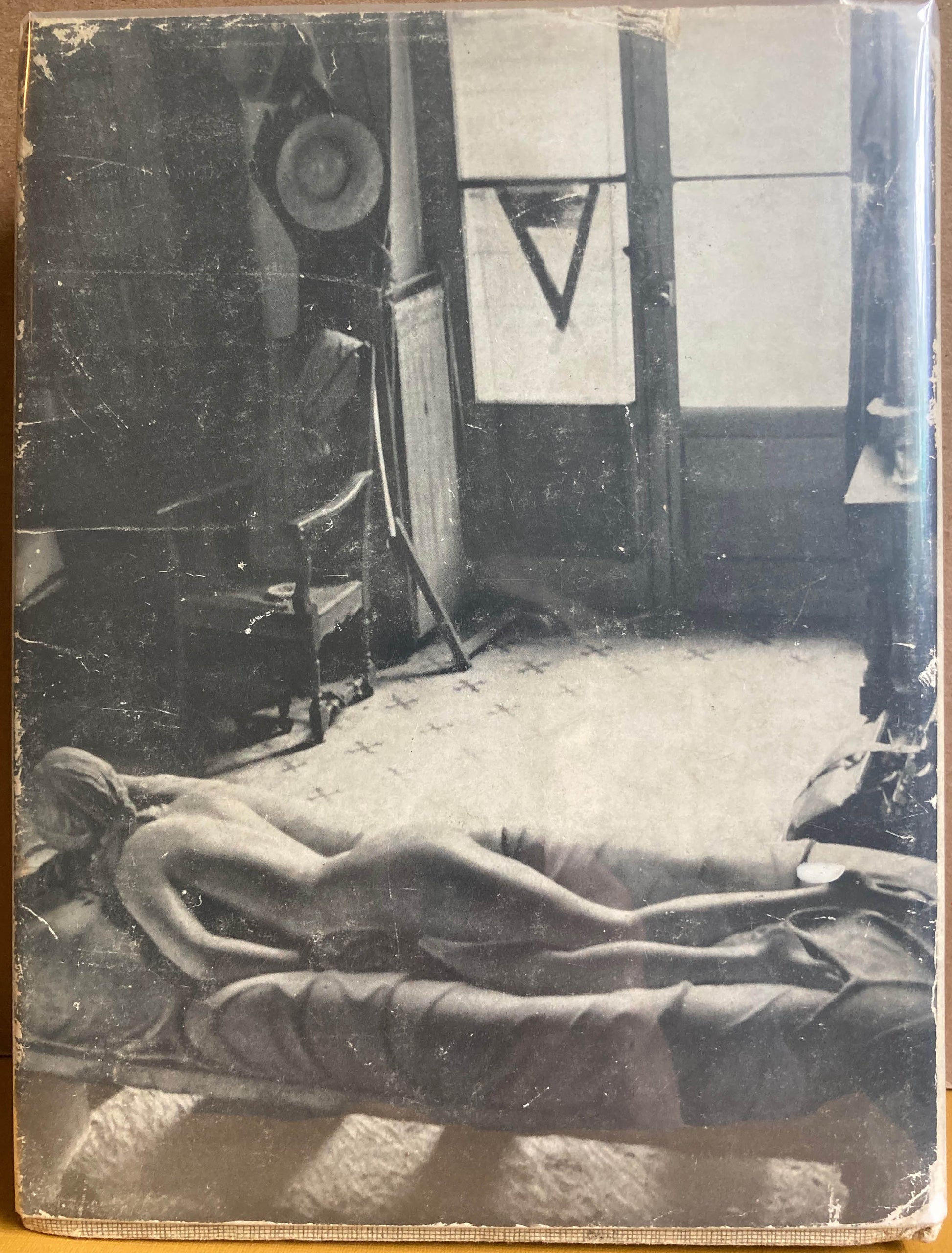
High-Contrast Noir: Georges Glasberg’s photography is characterized by deep blacks and stark, brilliant whites, capturing the blinding Mediterranean sun and the ink-black shadows it creates. This technique gives the ancient stone textures a tactile, almost skeletal quality.
-
The "Still" Life: Many of the images are devoid of people, focusing instead on the "ghosts" of the past. When humans do appear, they are often portrayed as inseparable from the landscape—weathered, stoic, and timeless.
- Georges Glasberg (1914–2009) was a French documentary photographer known for his stark, atmospheric photojournalism and evocative photobooks capturing mid-century French culture and landscapes. Emphasizing a high-contrast black-and-white visual style, Glasberg excelled at rendering stark Mediterranean sunlight, rich architectural textures, and intimate, unscripted moments of everyday life. He worked extensively in collaboration with prominent French writers, co-authoring notable works such as Provence Insolite (1958) with Jean-Paul Clébert—a haunting, "rural noir" exploration of abandoned villages, stone ruins, and local folklore—and Paris Naïf (1962) with Paul Guth. Celebrated for his empathetic, inhabited photo-essays (reportages habités), Glasberg's imagery focused heavily on the quiet relationship between individuals and their environment, earning recognition through major exhibitions such as the Rencontres d'Arles festival in 1983.