
Gary Saretzky Photo Books
Fratelli Alinari. Major photographic firm founded in Florence, Italy, in 1852 with more than a million photographs in its archives.
Fratelli Alinari. Major photographic firm founded in Florence, Italy, in 1852 with more than a million photographs in its archives.
Couldn't load pickup availability
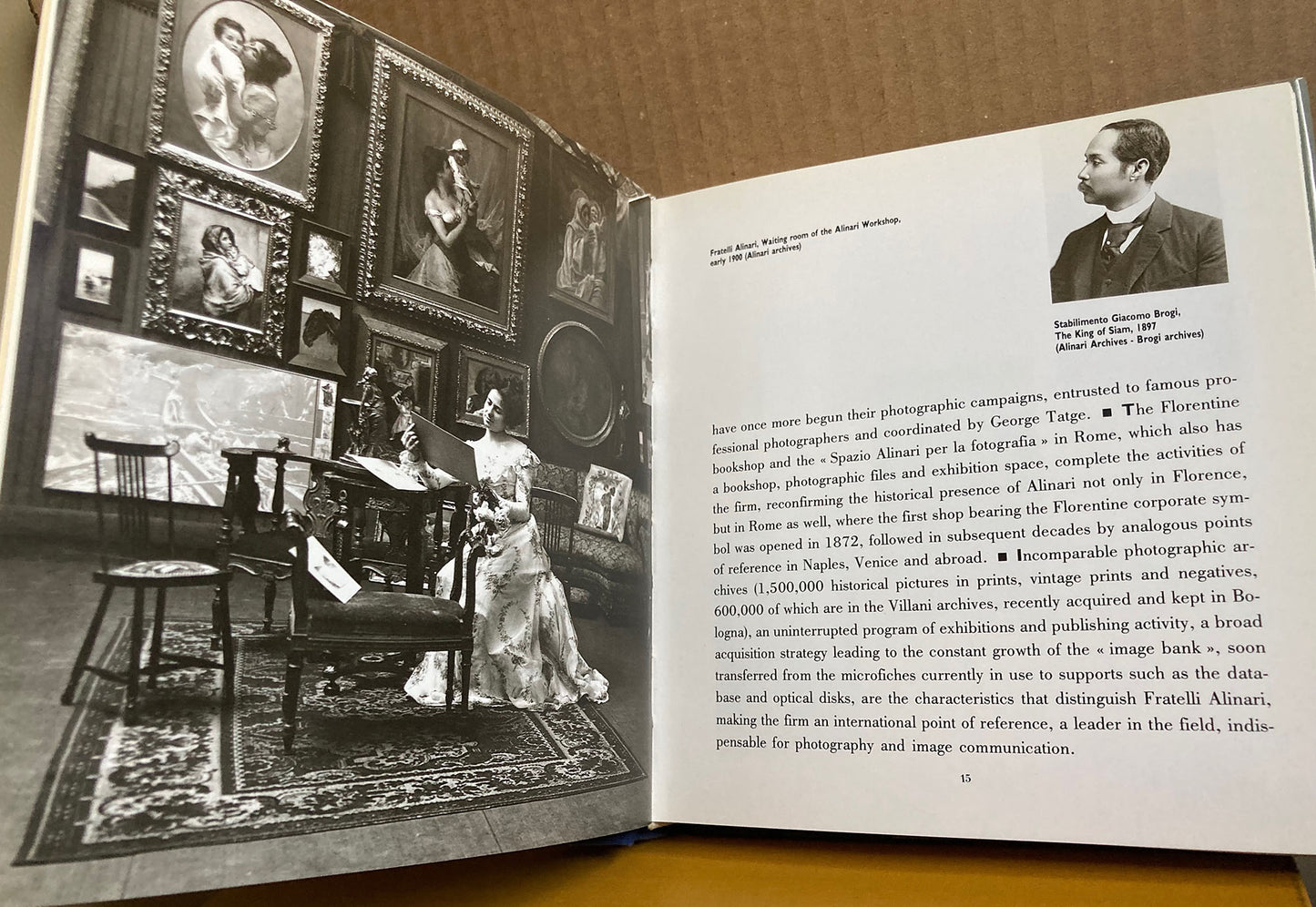
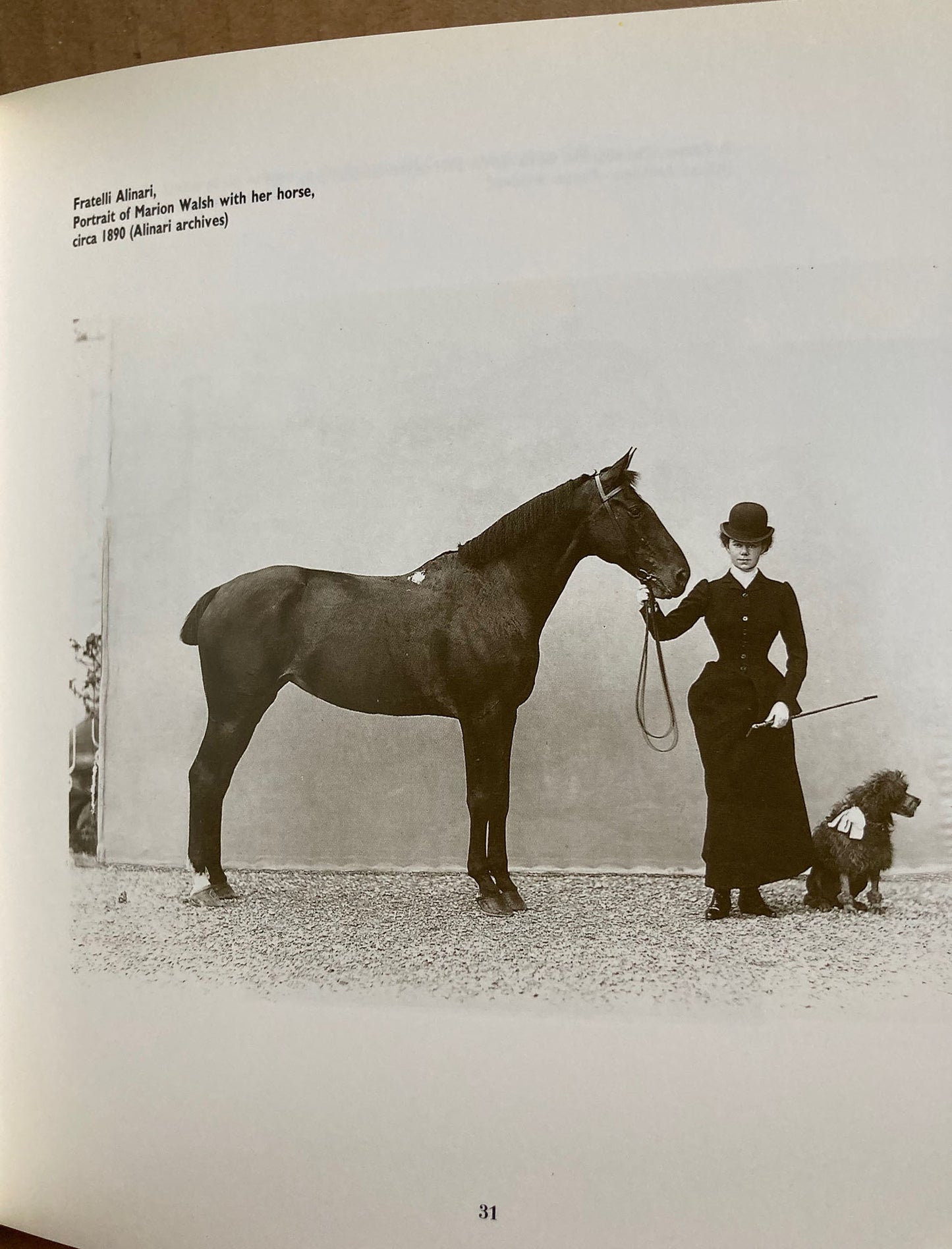
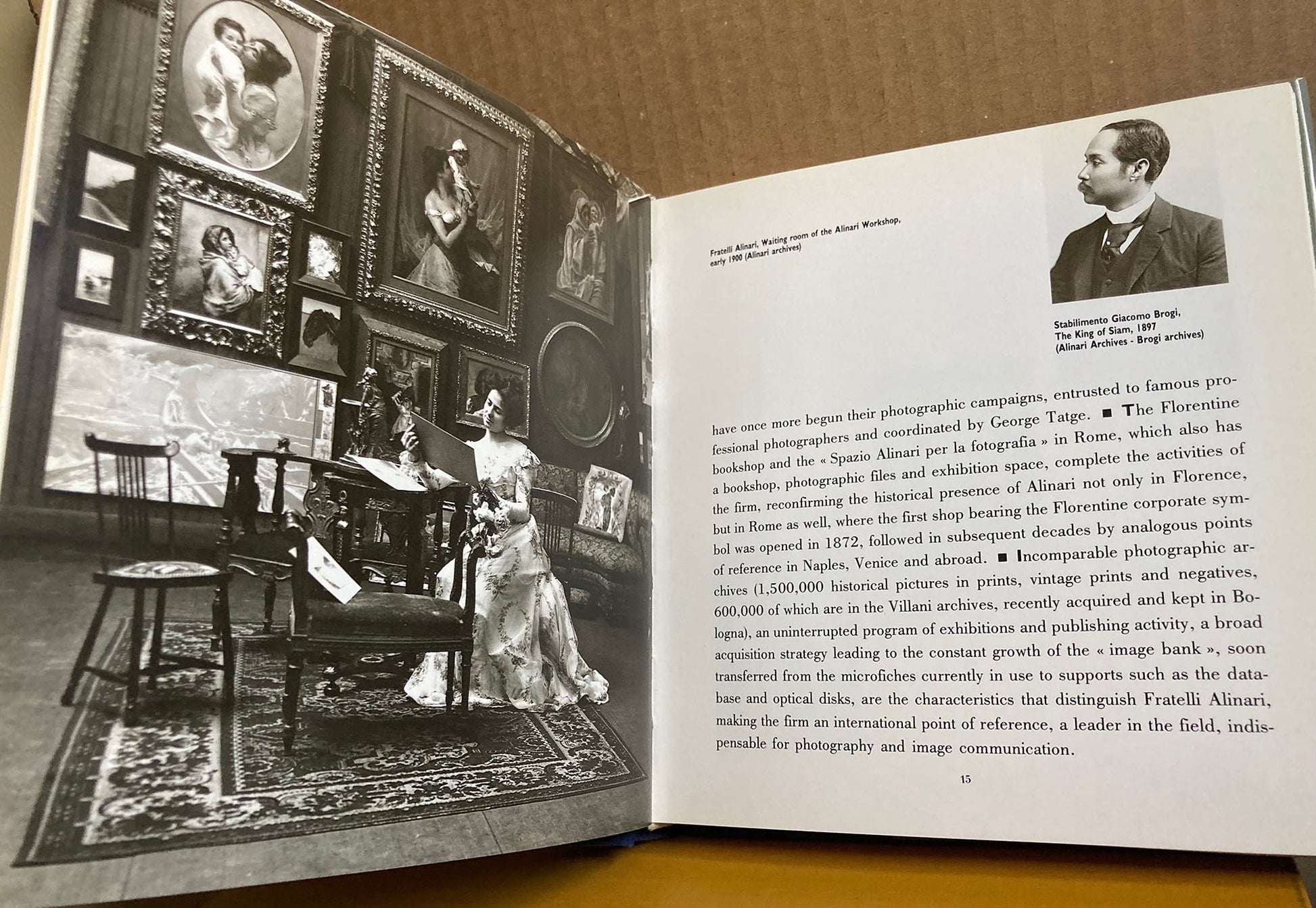
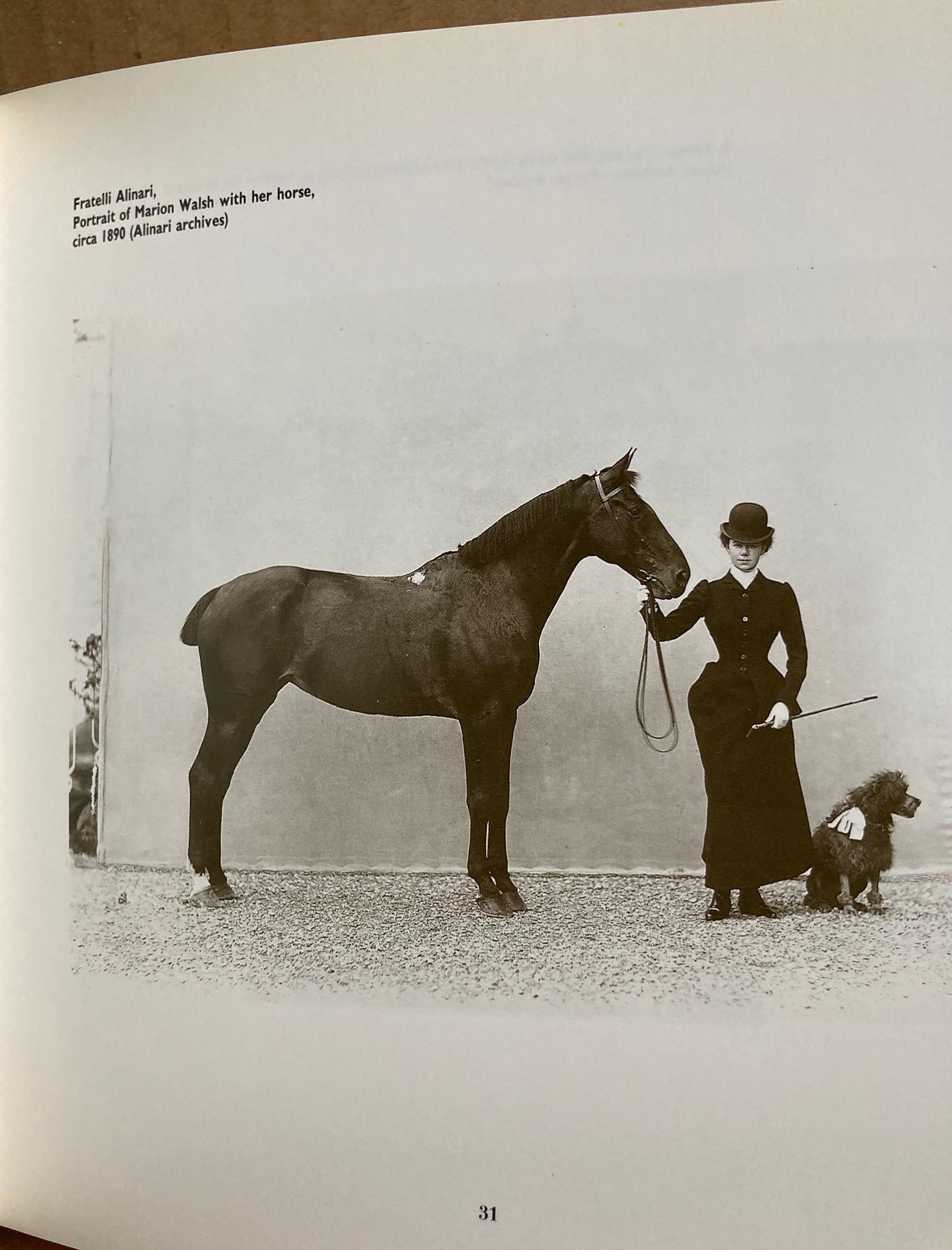
Alinari, 1993. Full title: Fratelli Alinari: The Archives, Printing Procedures in the Alinari Archives, the Photographic Files, the New Photographic Campaigns, The Art Printworks, The Publishing House, The Museum, The Library, The Instruments for Photography, The Image Presented and the Image Preserved, The Photographic Exhibitions by Claudio de Polo, President-Director General. Alinari, 1993. Hardcover with protected dust jacket, fine/fine, like new. 225 pages. Numerous illustrations in color and black and white. English edition. Alinari is probably the oldest continuously operating photography firm in the world. It not only has produced photographs but its archives contains work by major photographers in the history of photography from around the world. Summary:
Fratelli Alinari: The Archives, Printing Procedures in the Alinari Archives, the Photographic Files, the New Photographic Campaigns, The Art Printworks, The Publishing House, The Museum, The Library, The Instruments for Photography, The Image Presented and the Image Preserved, The Photographic Exhibitions (1993), written by Claudio de Polo, presents a detailed overview of the historic photographic institution Fratelli Alinari in Florence, Italy. The book explains the history, collections, and activities of one of the world’s oldest photographic companies and archives.
Summary
The book explores the development and importance of the Alinari photographic archives, which contain millions of historical images documenting art, architecture, landscapes, and everyday life from the nineteenth century to the present. It explains how these archives preserve photographs in many forms, including prints, negatives, albums, and early photographic processes such as daguerreotypes and glass plates.
Several chapters describe the printing procedures and technical methods used by the Alinari company. These sections show how photographs were reproduced using specialized printing techniques and how careful craftsmanship helped preserve the quality of historical images. The book also discusses the organization of the photographic files, which catalog and classify images so that scholars, publishers, and museums can access them.
Another important topic is the new photographic campaigns organized by Alinari. These projects continue the tradition of documenting cultural heritage by photographing monuments, artworks, and landscapes throughout Italy and other countries. The book shows how modern photography builds on the historical mission of the archive.
The work also examines the many cultural institutions connected to Alinari, including the Art Printworks, Publishing House, Museum of Photography, and the specialized library devoted to photographic history. These institutions help produce publications, exhibitions, and research resources that make the photographic heritage available to the public.
Finally, the book explores the role of photographic instruments and exhibitions, explaining how cameras and other tools shaped photographic practice and how exhibitions present images to audiences while archives preserve them for the future. Through hundreds of reproduced photographs, the book demonstrates the importance of preserving visual history and making it accessible to scholars and the public.
The book is a comprehensive overview of the Alinari photographic archives and institutions, explaining how photographs are created, preserved, organized, and shared through printing, publishing, museums, and exhibitions while highlighting the historical importance of photography in documenting culture and history.