Gary Saretzky Photo Books
Sunday, Elisabeth. Elisabeth Sunday: Grace.
Sunday, Elisabeth. Elisabeth Sunday: Grace.
Couldn't load pickup availability
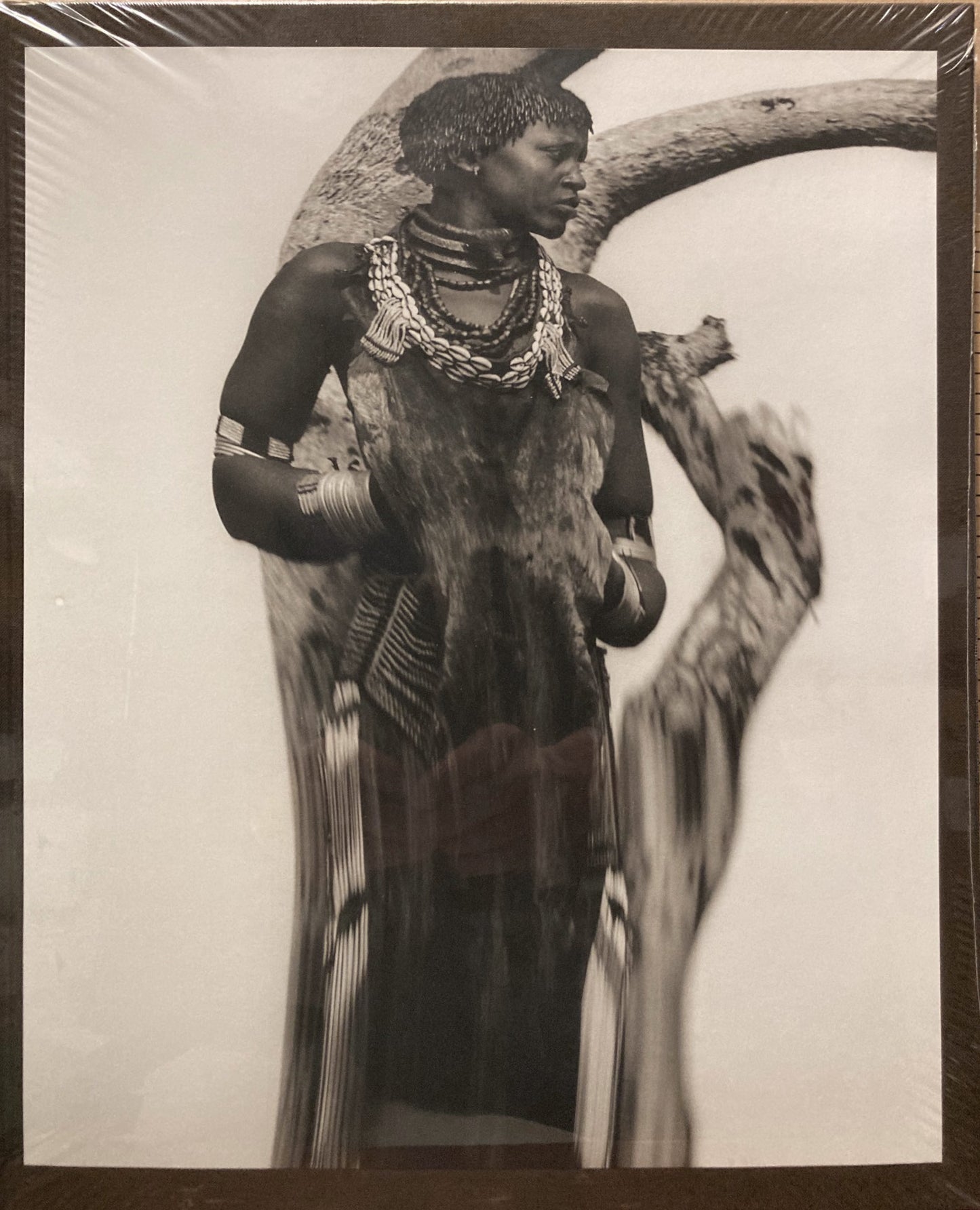
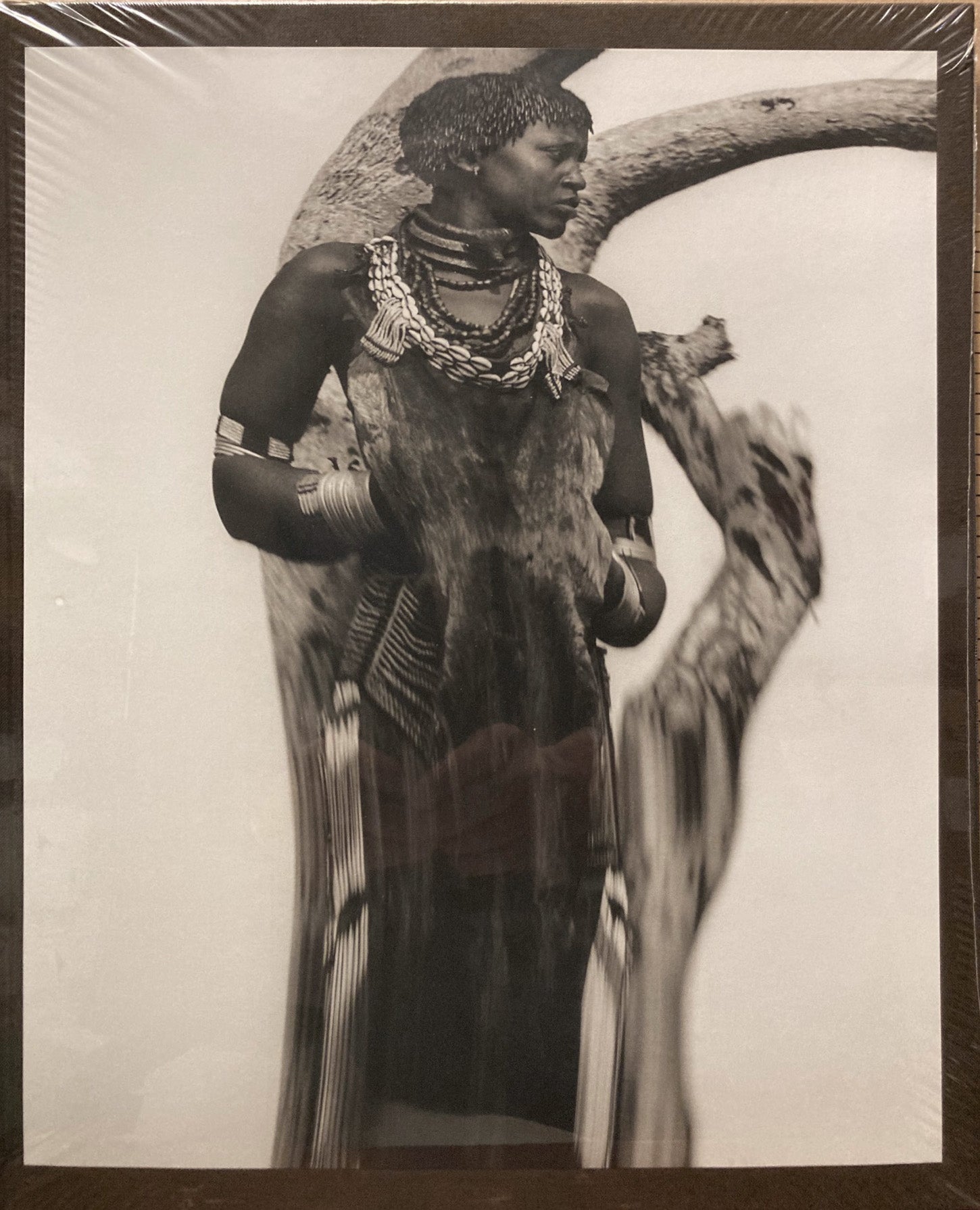
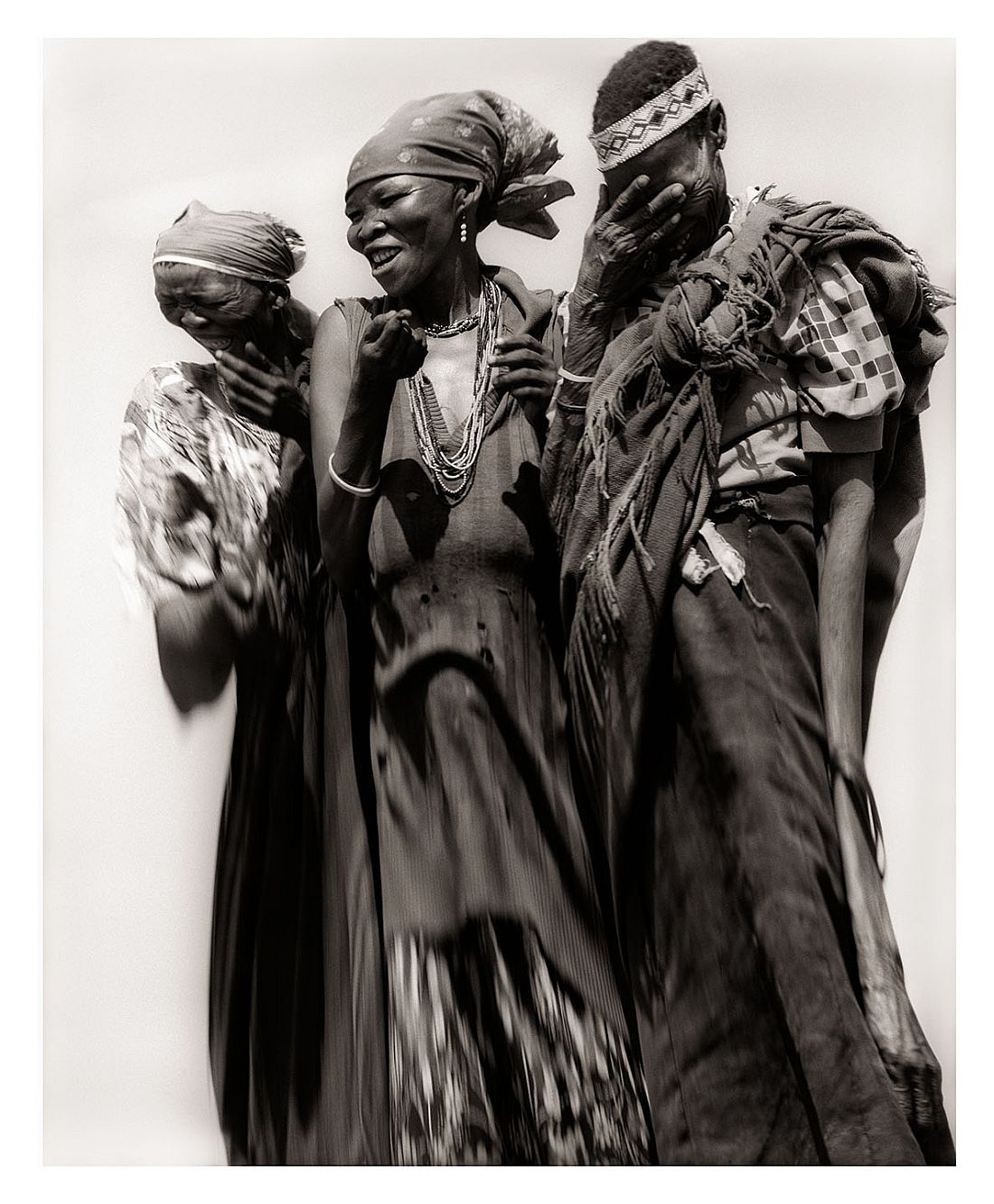
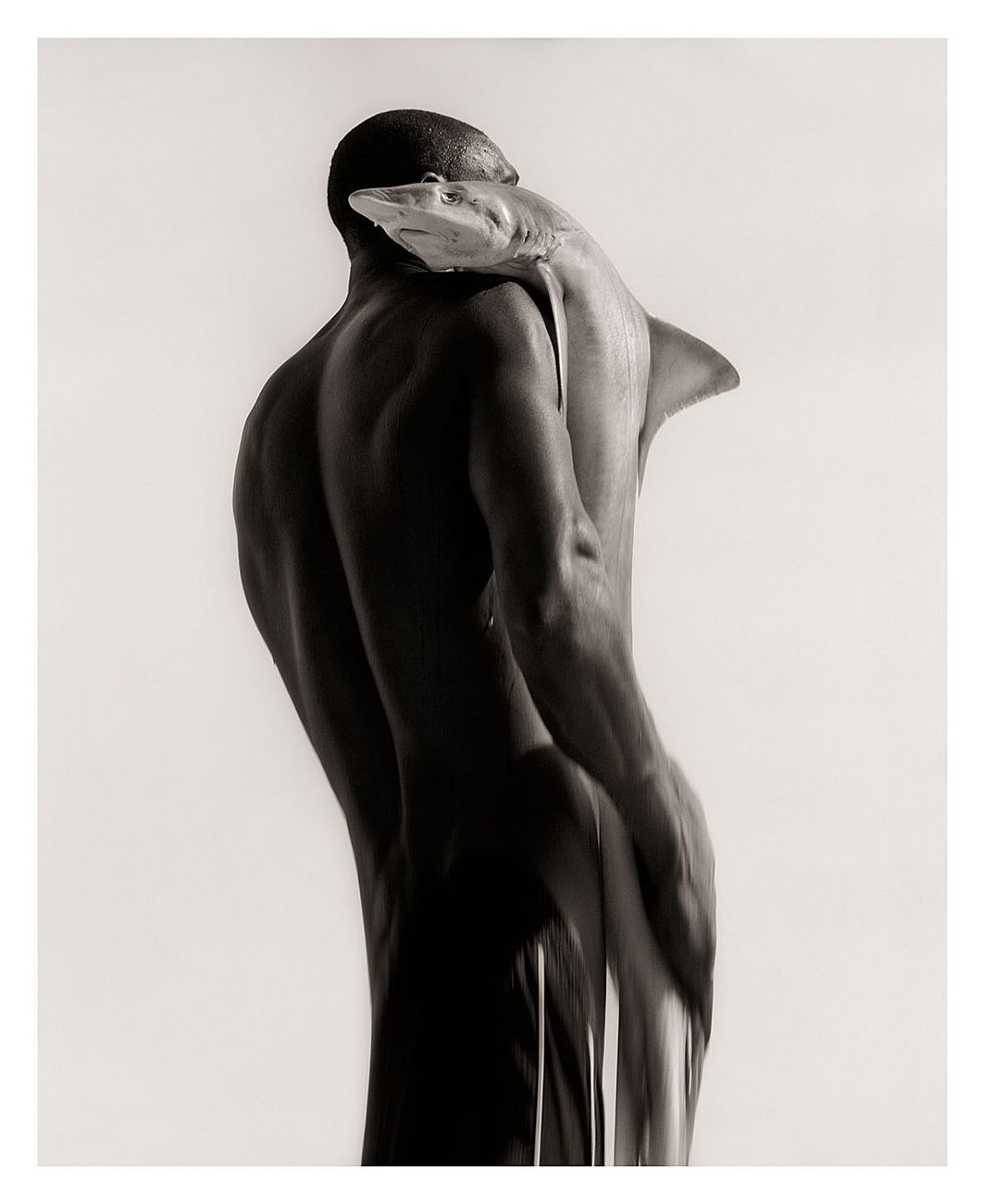
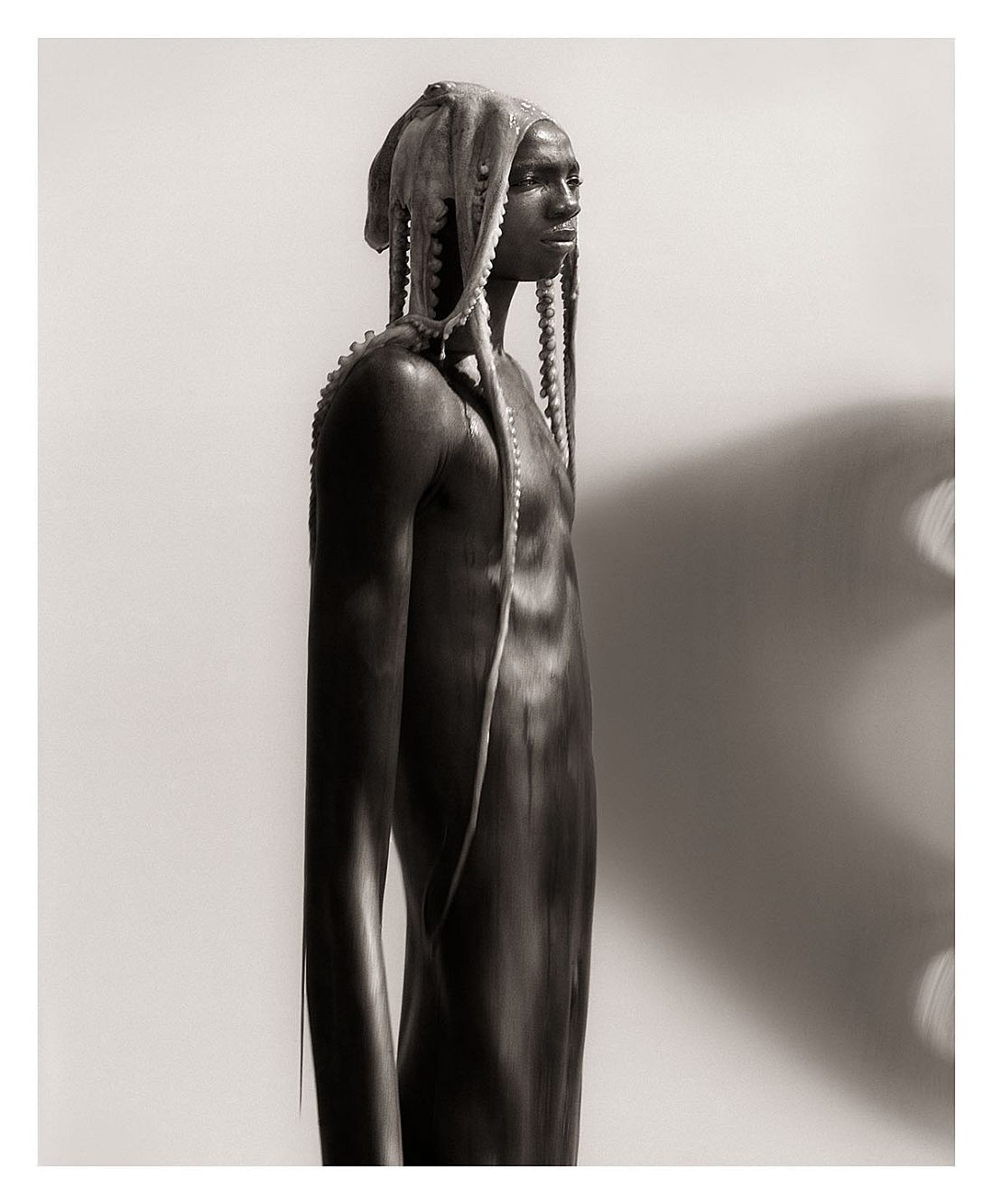
Nazraeli Press, 2012. New in original shrink wrap. First edition of 1,000 copies. 44 pages. 17 x 14 inches. Dark brown cloth, paste-on photographic plate on front cover, not issued with dust jacket. Introductory essay by Deborah Willis. Dark sepia-toned black and white photographs, taken of people in Africa wearing native dress or posed with fish. Born in 1958, Sunday photographs using a curved mirror of her own design that distorts the figures, achieving remarkable effects in this, her first book. She writes: “Mirror photography is much more than photographing a reflection, it produces a visual alchemy that combines the physical world with that of the great mystery . . . and captures some element that remains hidden in straight photography.” Sunday's work is now in many museum and private collections and was included in the book, Convergence: 8 Photographers, the catalog for an exhibit featuring Black photographers. Summary:
Elisabeth Sunday: Grace (2018) is a powerful monograph that serves as a retrospective of the artist’s decades-long career spent photographing the indigenous peoples and landscapes of Africa. Using a unique, self-developed photographic technique, Sunday captures the concept of "Grace" as both a physical aesthetic and a spiritual state of being.
The "Sunday" Technique
1. The Flexible Mirror
The most distinctive aspect of the book is Sunday's use of a flexible, silver-plastic mirror. By positioning her subjects in front of this mirror and photographing their reflection, she introduces:
-
Elongated Forms: Subjects are stretched and curved, echoing the organic shapes of the natural world.
-
Dreamlike Distortion: The images feel like visual poetry rather than literal documentation, moving the work into the realm of the surreal and the sublime.
2. Large-Format Gold-Toned Prints
The book showcases her mastery of traditional darkroom processes. The images are printed in deep, rich tones—often using gold and sepia—which imbues the photographs with an ancient, timeless quality that suggests the eternal nature of her subjects.
Core Themes and Regions
1. The African Continent
The collection spans various regions and nomadic cultures, including:
-
The Tuareg of the Sahara: Emphasizing the flowing garments and the vastness of the desert.
-
The Dinka of South Sudan: Focusing on the statuesque beauty and dignity of the people.
-
The Mursi of Ethiopia: Capturing the intricate relationship between traditional adornment and the human form.
2. Women and Power
A primary focus of Grace is the celebration of women. Sunday portrays African women not as victims or "others," but as icons of strength, elegance, and ancestral wisdom. The "Grace" of the title refers to their poise and the inherent sacredness Sunday finds in their presence.
3. Connection to the Earth
The book explores the symbiotic relationship between humans and their environment. Through her mirror-distorted lens, Sunday blends the lines of the human body with the lines of trees, rivers, and sand dunes, suggesting that the people and the land are one.
Artistic Philosophy
In her accompanying text, Sunday describes her work as a form of "visual prayer." She views her camera not as a recording device, but as a medium to reveal the "inner light" or life force (ashe) of those she photographs. The book is an argument for the beauty of diversity and the universal presence of the divine in the human form.
Summary Takeaway
Elisabeth Sunday: Grace is a transcendent visual journey. It is a rare example of ethnographic photography that manages to be both highly experimental and deeply respectful. By distorting the physical reality of her subjects, Sunday manages to capture a deeper, more profound truth about the human spirit and its connection to the natural world.
Biographical Summary
Elisabeth Sunday (born 1958) is an American fine art photographer celebrated for her distinctive, painterly black-and-white portraits of indigenous peoples and cultures across Africa and Asia. The progenitor of "Field Mirror Photography," a process she developed in 1983, Sunday does not photograph her subjects directly; instead, she uses a custom-made flexible mirror brought into the field to reflect and gently elongate her figures, capturing their movement and spiritual essence within their natural environment. Her extensive travels—spanning Senegal, Mali, Kenya, Ethiopia, Ghana, and the Congo Basin—have produced evocative bodies of work that emphasize humanity's connection to the natural world. Exhibited widely at major institutions, her photographs are held in prestigious public and private collections, including the Los Angeles County Museum of Art, the Museum of Fine Arts, Houston, and the Berkeley Art Museum and Pacific Film Archive.