Gary Saretzky Photo Books
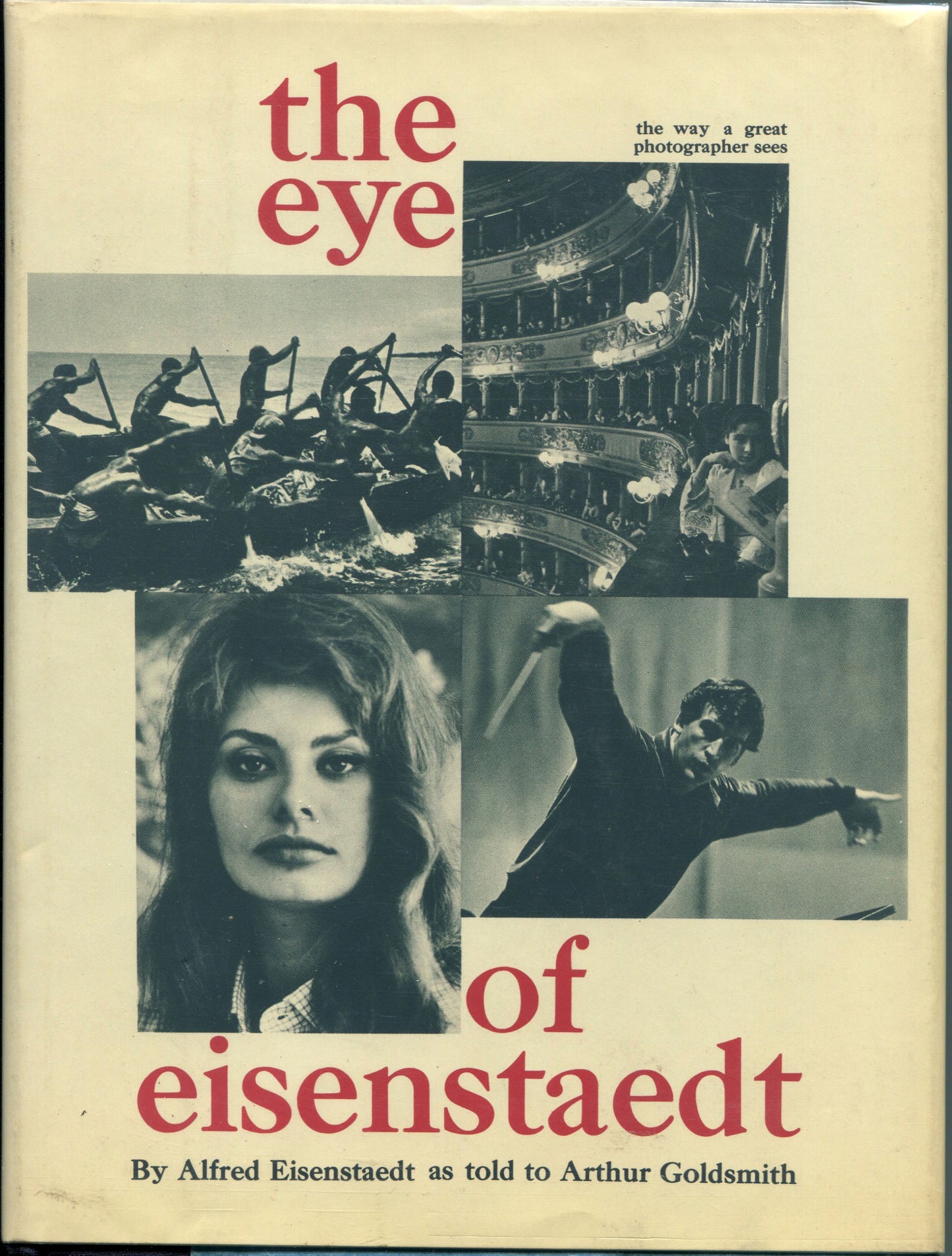
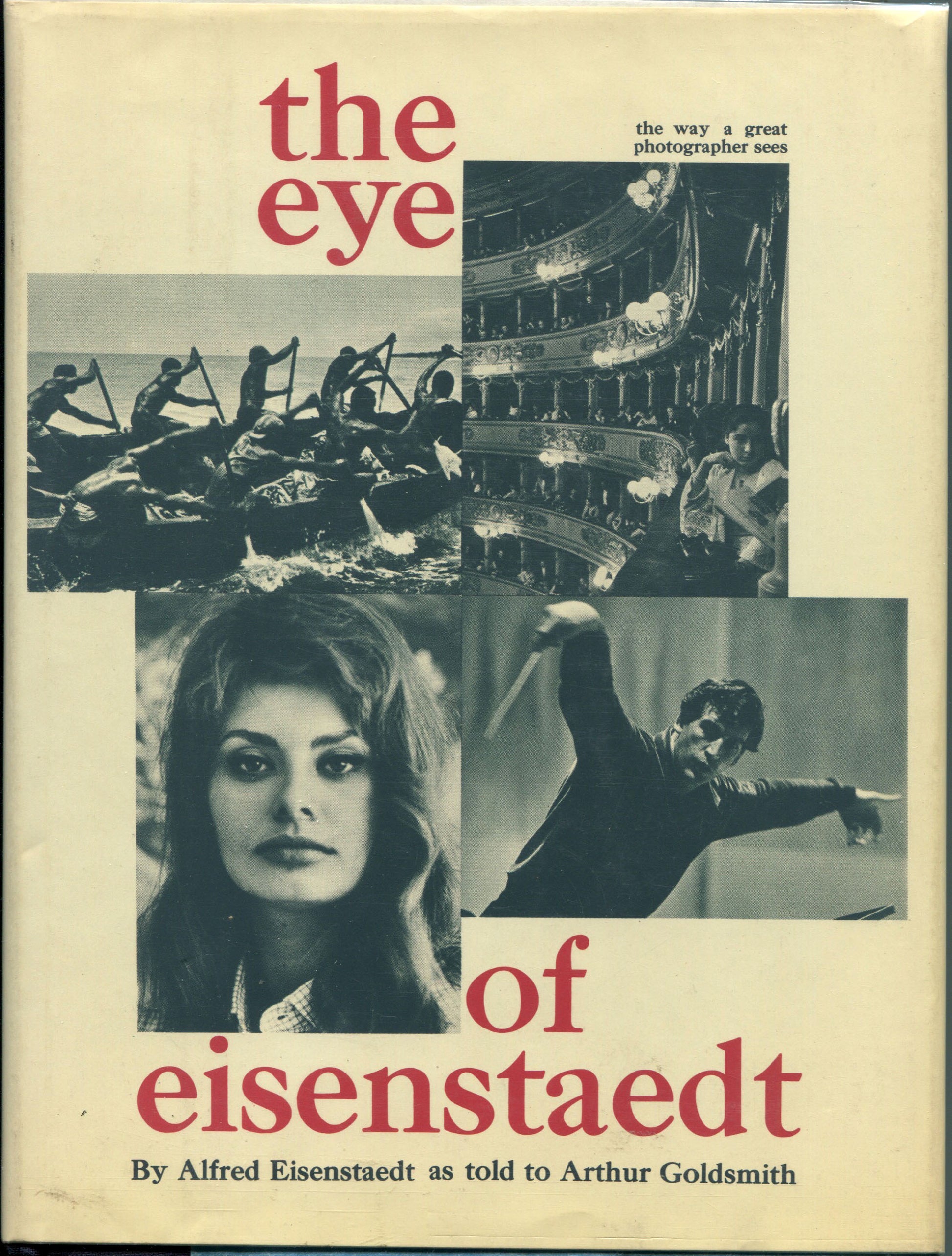
Eisenstaedt, Alfred. The Eye of Eisenstaedt by Alfred Eisenstaedt as told to Arthur Goldsmith.
Eisenstaedt, Alfred. The Eye of Eisenstaedt by Alfred Eisenstaedt as told to Arthur Goldsmith.
Couldn't load pickup availability
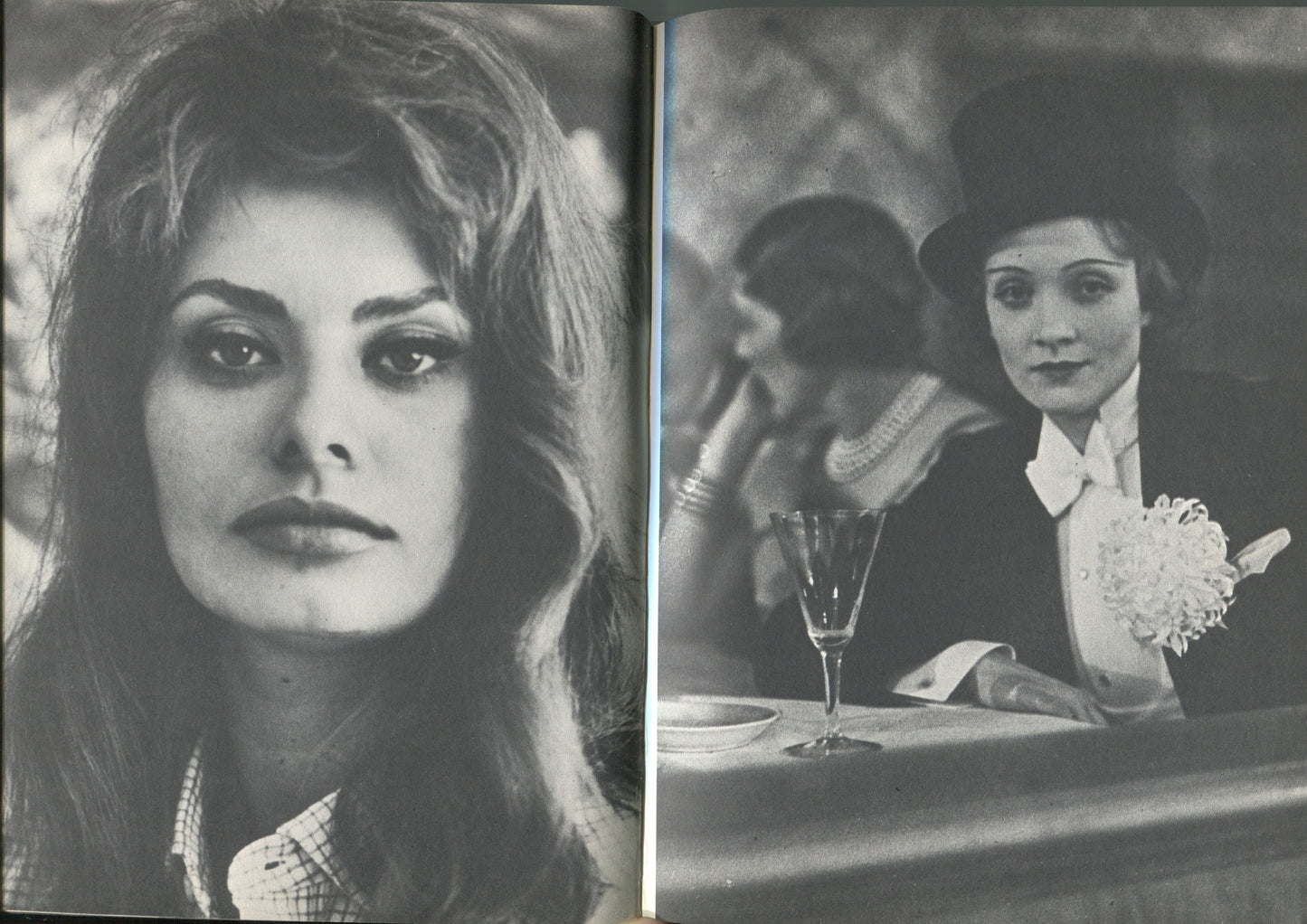
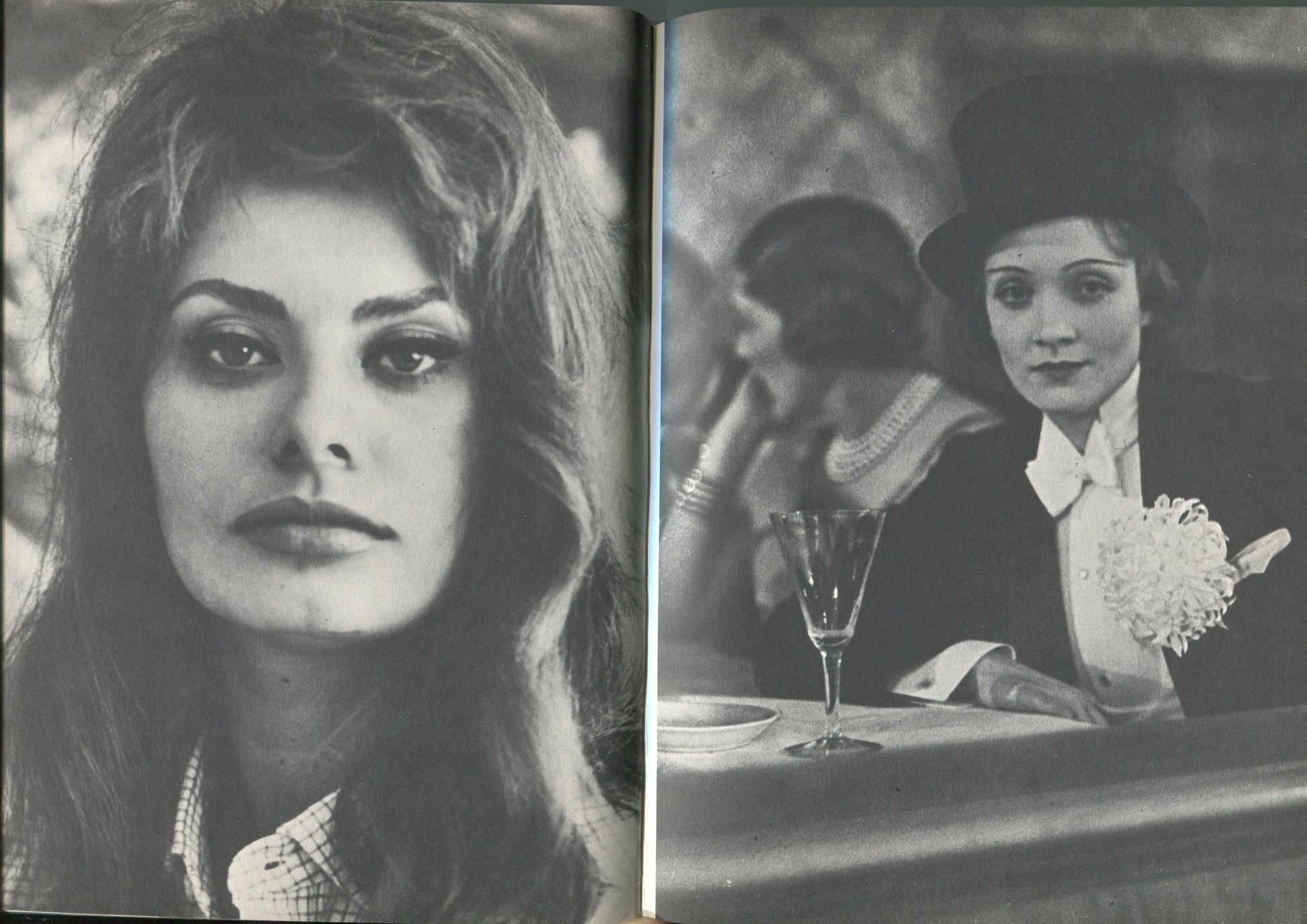
Viking Press, 1969. First edition, 3rd printing, November 1971, cloth hardcover, fine with near fine protected dust jacket. Subjects of photos include Jacqueline and Caroline Kennedy, Ernest Hemingway, Marlene Dietrich, Sophia Loren, Marilyn Monroe, Winston Churchill, George Bernard Shaw, Thomas Schippers, Thomas Mann, Frank Costello, Carl Sandburg, Thomas Hart Benton, and many others. Profusely illustrated with extraordinary photos by the LIFE magazine photographer whose career spanned decades beginning in 1936. While the reproduction of the photos in this book is not high quality, it is adequate to appreciate them and the autobiographical text is fascinating. Not to be confused with later reprints. Summary:
The Eye of Eisenstaedt (1969) is a professional memoir and "visual autobiography" by Alfred Eisenstaedt, one of the founding fathers of modern photojournalism. As told to Arthur Goldsmith, the book serves as a masterclass in the "Eisenstaedt method"—a philosophy of photography that favors the small, unobtrusive camera and the "decisive moment" over the heavy equipment and staged artifice of the studio.
Core Themes and Content
-
The Leica Revolution: Eisenstaedt chronicles his transition from a button salesman to a world-renowned photographer, credited with pioneering the use of the 35mm Leica camera. He explains how the portability of the "miniature" camera allowed him to capture candid, human moments that were previously impossible with bulky press cameras.
-
The "V-J Day" Philosophy: While the book features his most famous images—including the sailor kissing the nurse in Times Square—it focuses more on the how and why. Eisenstaedt discusses his ability to remain "invisible" to his subjects, whether they were dictators like Goebbels or icons like Marilyn Monroe.
-
Composition as Instinct: The text is a series of lessons on seeing. Eisenstaedt breaks down his approach to framing, the use of natural light, and the importance of "getting the story in a single frame."
Visual and Technical Significance
-
Technical "Finish": Despite using small film, Eisenstaedt was obsessed with the quality of the print. The book highlights his rigorous standards for exposure and timing, ensuring that his images possessed a tonal depth and clarity that rivaled large-format work.
-
The "Eye" vs. The Machine: Eisenstaedt argued that the camera was merely an extension of the eye. He discusses his "soft-spoken" approach to portraiture, where he would talk to his subjects for hours to find the one second where their true character emerged.
- Alfred Eisenstaedt (1898–1995) was a German-born American photojournalist widely recognized as the "father of modern photojournalism" for his candid, unassuming style and pioneering use of the compact 35mm Leica camera. Born in West Prussia (now Poland) and raised in Berlin, Eisenstaedt began his career as a freelance photographer in late 1920s Weimar Germany, quickly gaining acclaim for his natural-light reportage and keen ability to capture candid human expression. Emigrating to the United States in 1935 to escape Nazi oppression, he became one of the original staff photographers hired by Henry Luce for Life magazine in 1936, where he worked for decades and shot over 2,500 assignments and 90 cover photos. Known for his versatility and unobtrusive demeanor, Eisenstaedt photographed world leaders, cultural icons, and ordinary citizens alike, producing landmark images such as his famous 1945 photograph of a celebrating sailor kissing a nurse in Times Square on V-J Day (V-J Day in Times Square), cementing his legacy as a master storyteller who helped define the visual language of 20th-century photojournalism.