Gary Saretzky Photo Books
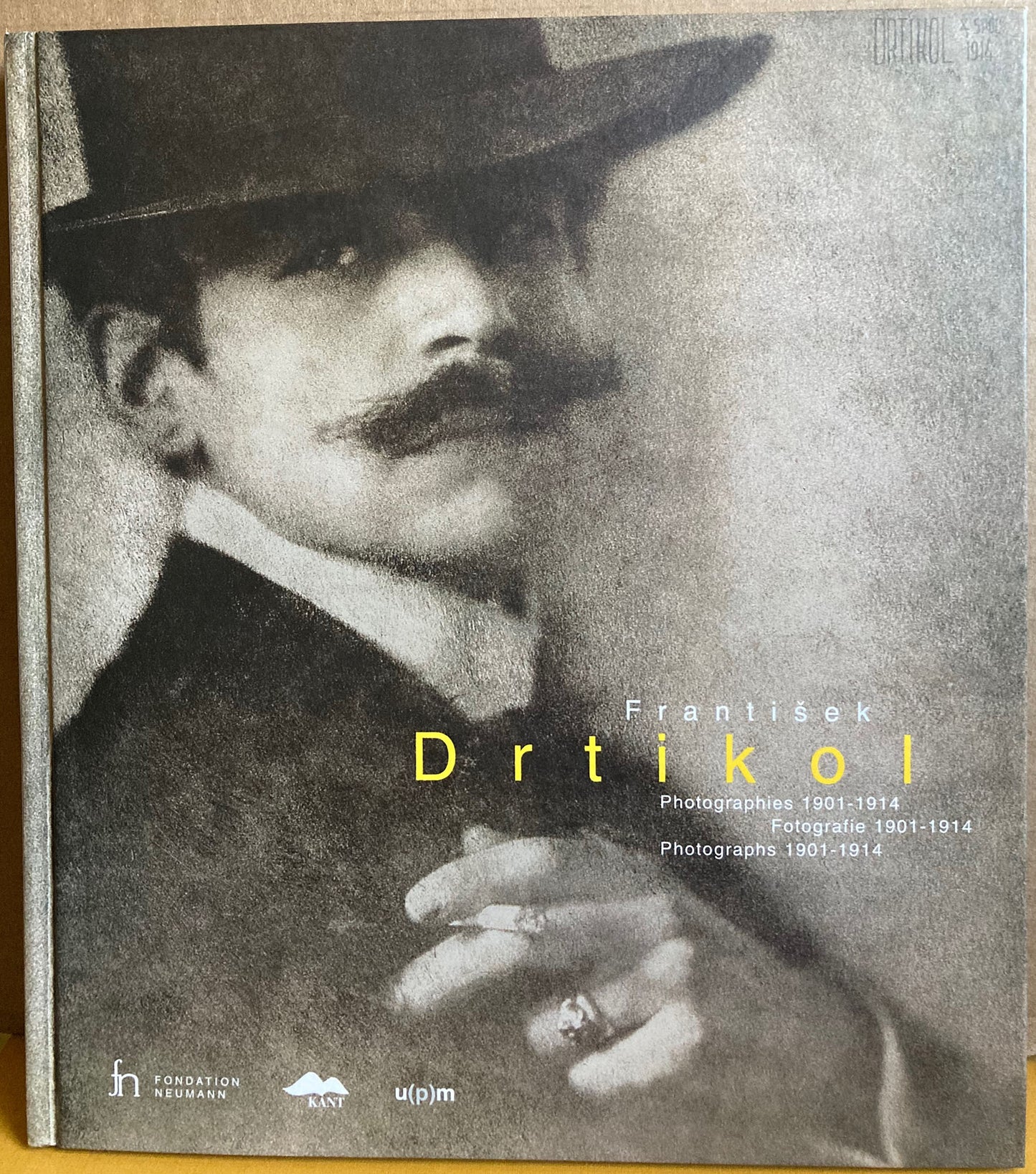
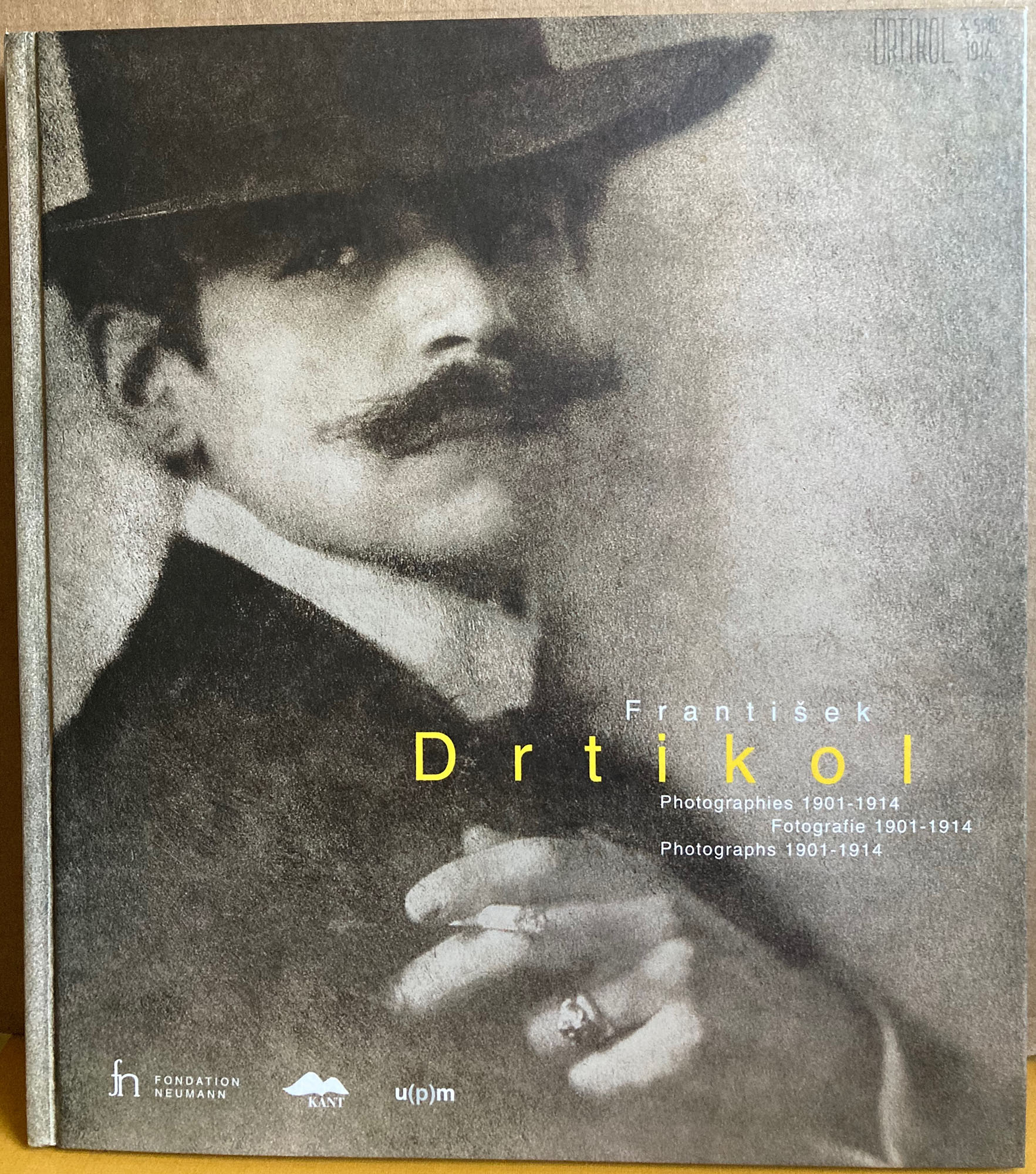
Drtikol, František. František Dritikol. Photographs, 1901–1914. By Jan Mlčoch.
Drtikol, František. František Dritikol. Photographs, 1901–1914. By Jan Mlčoch.
Couldn't load pickup availability
Published by Kant in cooperation with the Museum of Decorative Arts, Prague, and the Neumann Foundation, Gingins, Switzerland, 1999. Distributed by D.A.P. Hardcover, illustrated boards, like new. 36 plates in color plus text illustrations. Text in English, French, and Czech. Drtikol was a leading Pictorialist photographer and along with Josef Sudek, one of the best known Czech photographers active in the first half of the 20th century. Landscapes, portraits (including a self-portrait as Christ), and nudes predominate the photographs in this book, reproduced from pigment prints. The back of the book includes a list of the artist's exhibitions, 1903–1998, of his work from 1901–1914. Summary:
František Drtikol: Photographs, 1901–1914 (1999) by Jan Mlčoch, the renowned curator of the Museum of Decorative Arts in Prague, is an essential scholarly record of the "formative years" of the Czech master. The book documents Drtikol’s journey from the atmospheric, painterly traditions of Pictorialism toward the geometric, avant-garde style that would later make him a central figure in Art Deco and Modernist photography.
Core Themes and Narrative
-
The Pictorialist Roots: The volume covers Drtikol’s early training in Munich and his studio work in Příbram and Prague. It highlights his initial obsession with the "Art Nouveau" spirit—capturing landscapes and portraits that feel like dreams rather than documents.
-
The Sacred and the Profane: A significant focus is placed on his early exploration of the nude and religious symbolism. Drtikol began using the human body as a "formal landscape," blending his interest in Eastern philosophy (Buddhism) with the European obsession with the "femme fatale."
-
The Transition to Geometry: By the end of this period (1914), the book shows Drtikol moving away from soft-focus and toward the use of bold shadows and plywood props, signaling the birth of his signature "Modernist" look.
Visual and Technical Notes
-
The "Pigment" Processes: In this era, Drtikol utilized labor-intensive noble printing processes like carbon prints, oil prints, and gum bichromate. These gave his photographs a "Hand-Made Finish," where the texture of the paper and the application of pigment made each print resemble a charcoal drawing or an etching.
-
Shadow as Structure: Even in his early work, his style relied on the mastery of light. He didn't just photograph a subject; he used heavy, stage-like lighting to "carve" the subject out of the darkness, creating a sculptural depth that predated 3D modeling.
- František Drtikol (1883–1961) was a pioneering Czech photographer, painter, and mystic celebrated as a master of Art Deco portraiture and a key figure in the transition from Pictorialism to modernist central European studio photography. Born in Příbram, Bohemia, Drtikol formalised his training at the Teaching and Research Institute for Photography in Munich before opening a prominent portrait studio in Prague in 1907, where he photographed cultural luminaries and built an international reputation. Renowned for his revolutionary approach to the nude, Drtikol abandoned romantic soft-focus pictorial techniques in the 1920s to embrace dynamic Art Deco geometry, casting dramatic, high-contrast shadows across female forms juxtaposed against bold wooden props, painted backdrops, and geometric cutout figures. His photobook Les nus de Drtikol (1929) cemented his status as an avant-garde innovator who synthesized Cubist, Futurist, and Expressionist influences into a distinct graphic vocabulary. Deeply immersed in Oriental philosophy, Theosophy, and Kundalini yoga, Drtikol synthesized art with spiritual practice; in 1935, he closed his studio, sold his archive to the Museum of Decorative Arts in Prague, and devoted the remainder of his life to translation, painting, and teaching Buddhist philosophy, leaving behind an indelible legacy as one of the most influential central European photographers of the early 20th century.