Gary Saretzky Photo Books
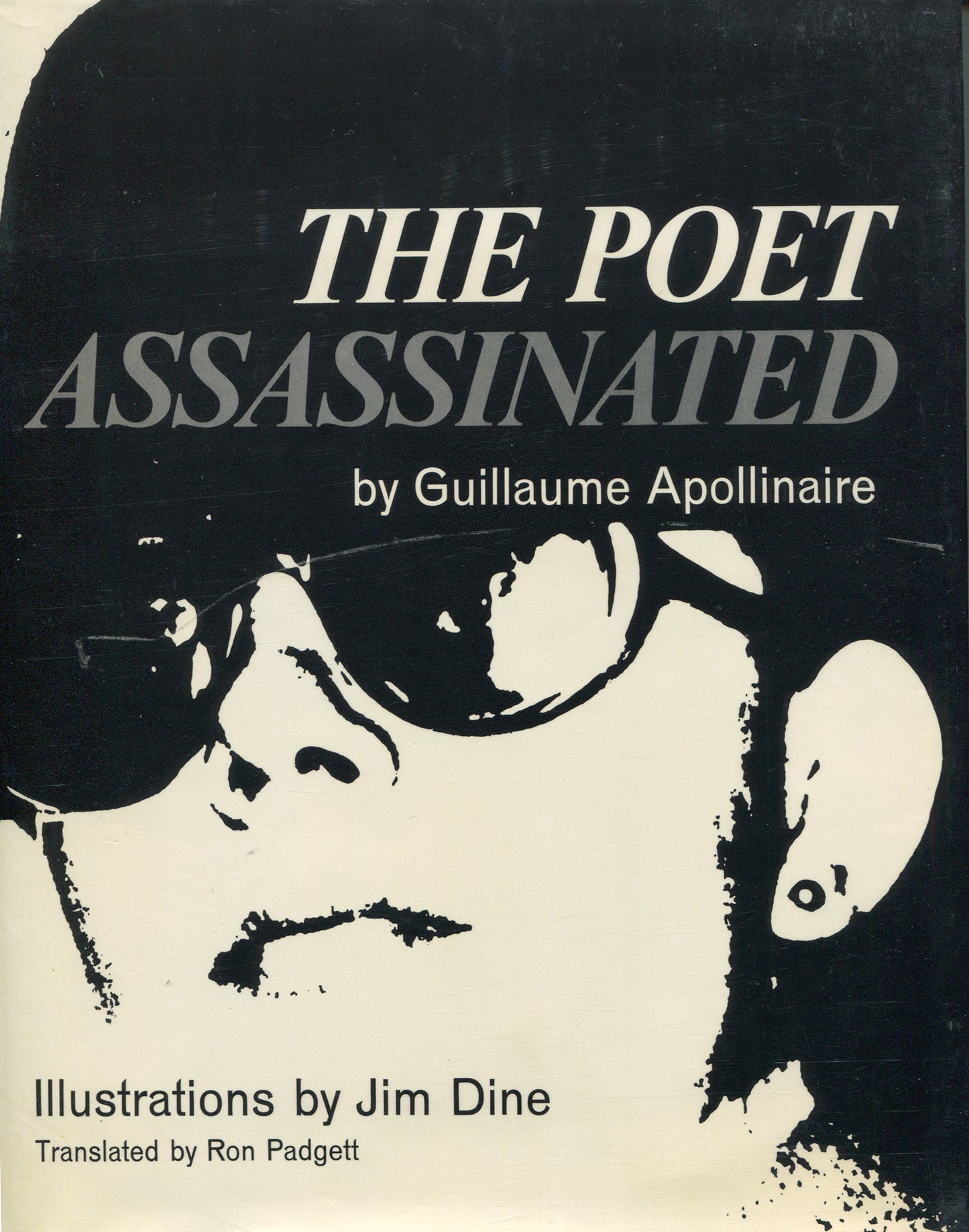
Dine, Jim. The Poet Assassinated by Guillaume Apollinaire. Illustrations by Jim Dine.
Dine, Jim. The Poet Assassinated by Guillaume Apollinaire. Illustrations by Jim Dine.
Couldn't load pickup availability
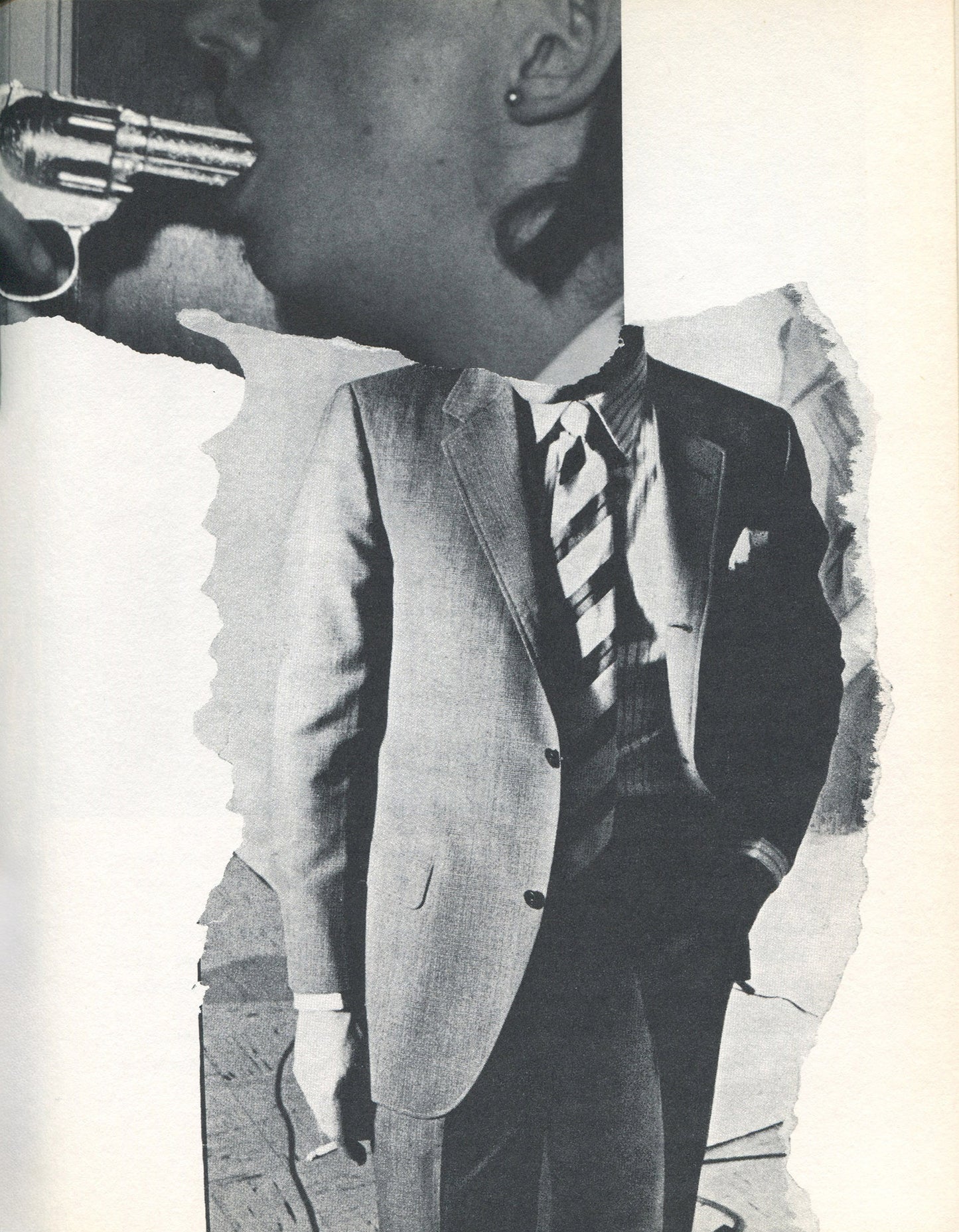
Holt, Rinehart and Wilson, 1968. First edition, ex-library, illustrated boards with protected dust jacket, rear flyleaf trimmed. Tape shadows on covers from removed tape used to hold former dust jacket protector. New dust jacket protector. Rear flyleaf excised. Spine label. Little evidence of use. 128 pages. This book is the first published translation in English of Apollinaire’s masterwork, first published in 1916. The semi-autobiographical book tells the exciting life of a poet called Croniamantal, with veiled portraits of celebrities from French cultural life such as Pablo Picasso. This edition features illustrations by Jim Dine, principally photographs and photo collages. Predates the introduction of ISBN numbers. If you see one associated with this book, it is not a first edition. Summary:
The Poet Assassinated by Guillaume Apollinaire, with illustrations by Jim Dine (1968 English edition translated by Ron Padgett), is a collection of imaginative and experimental short stories centered on the strange life of a poet named Croniamantal. Originally published in French in 1916, the work blends fantasy, satire, autobiography, and early surrealist ideas.
The main story follows Croniamantal, an unusual poet whose life reflects the wild creativity and contradictions of the artistic world. His experiences—from his strange birth to his rise as a famous poet—are presented in a humorous and exaggerated way. Through this character, Apollinaire explores what it means to be an artist in modern society.
In the story’s most dramatic section, a scientist publishes an article claiming that poetry is useless and harmful to society. This sparks a worldwide movement against poets, and mobs begin hunting them down. The persecution spreads across many countries, and poets are arrested or killed. The chaotic events are partly comic and partly disturbing, showing how easily society can turn against art and imagination.
Alongside the main story are several shorter tales that mix memories, dreams, myths, and futuristic ideas. Some stories reflect Apollinaire’s own life, including childhood memories and his experiences with modern culture and technology. These stories often move suddenly between reality and fantasy, creating a playful and experimental style that helped inspire later surrealist literature.
The 1968 edition illustrated by Jim Dine adds another artistic layer. Dine’s photographs, collages, and drawings create visual interpretations that run alongside the text, forming a parallel story and reflecting the experimental spirit of both the original book and the art movements of the 1960s.
The Poet Assassinated is a surreal, imaginative satire about the life of a poet and society’s complicated relationship with art. Through strange events, humor, and fantasy, Apollinaire celebrates creativity while criticizing the way the world sometimes misunderstands or rejects artists.
Jim Dine (born 1935) is an influential American painter, sculptor, printmaker, and poet who played a pivotal role in bridging Neo-Dada, early Pop Art, and figurative expressionism. Emerging in New York City during the late 1950s alongside artists like Claes Oldenburg and Allan Kaprow, Dine was a key pioneer of interactive "Happenings"—experimental multi-media performances that helped shape performance art. Though often categorized alongside Pop artists for incorporating everyday domestic objects, tools, and popular iconography into his work, Dine distanced himself from the cold commercial detachment of the movement, favoring a deeply personal, tactile, and expressive painterly style. Over his prolific career spanning more than six decades, he created expansive series centered around recurring autobiographical motifs—most notably bathrobes, hand tools, hearts, and the figure of Pinocchio—exploring themes of memory, identity, and the human condition across paintings, monumental bronze sculptures, poetry, and masterly printmaking.