Gary Saretzky Photo Books
Curtis, Edward S. Native Nations: First Americans as Seen by Edward S. Curtis.
Curtis, Edward S. Native Nations: First Americans as Seen by Edward S. Curtis.
Couldn't load pickup availability
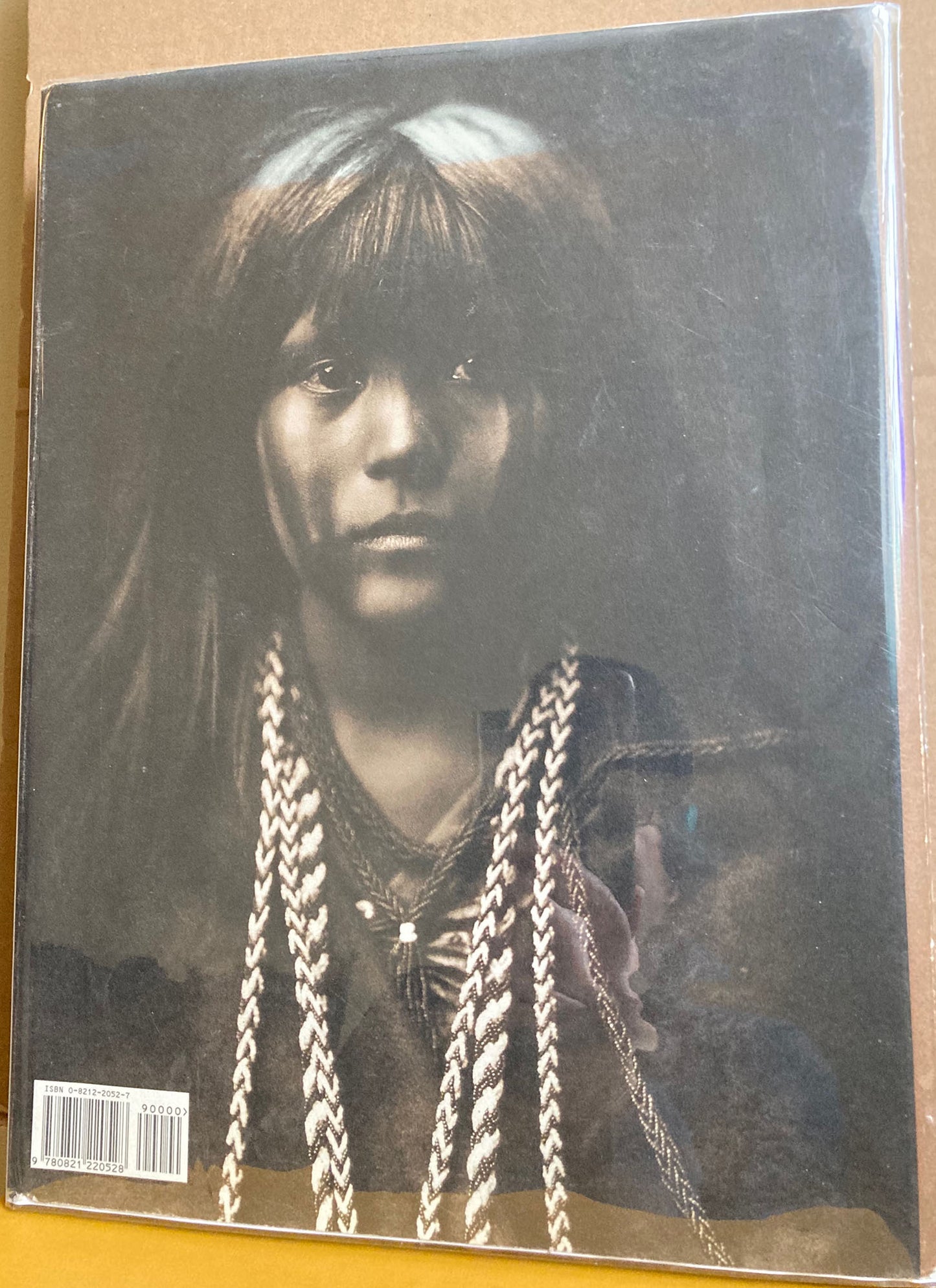
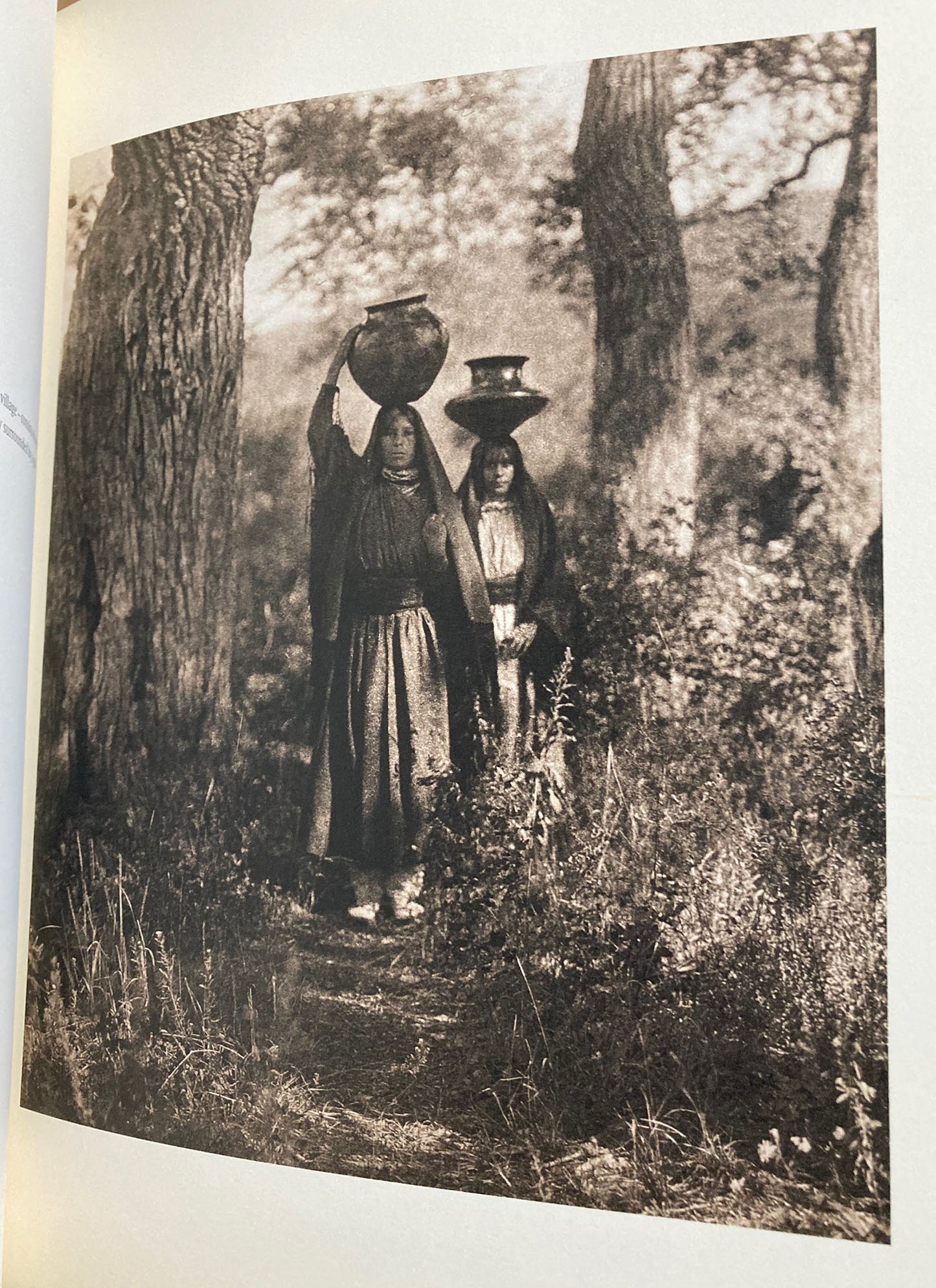
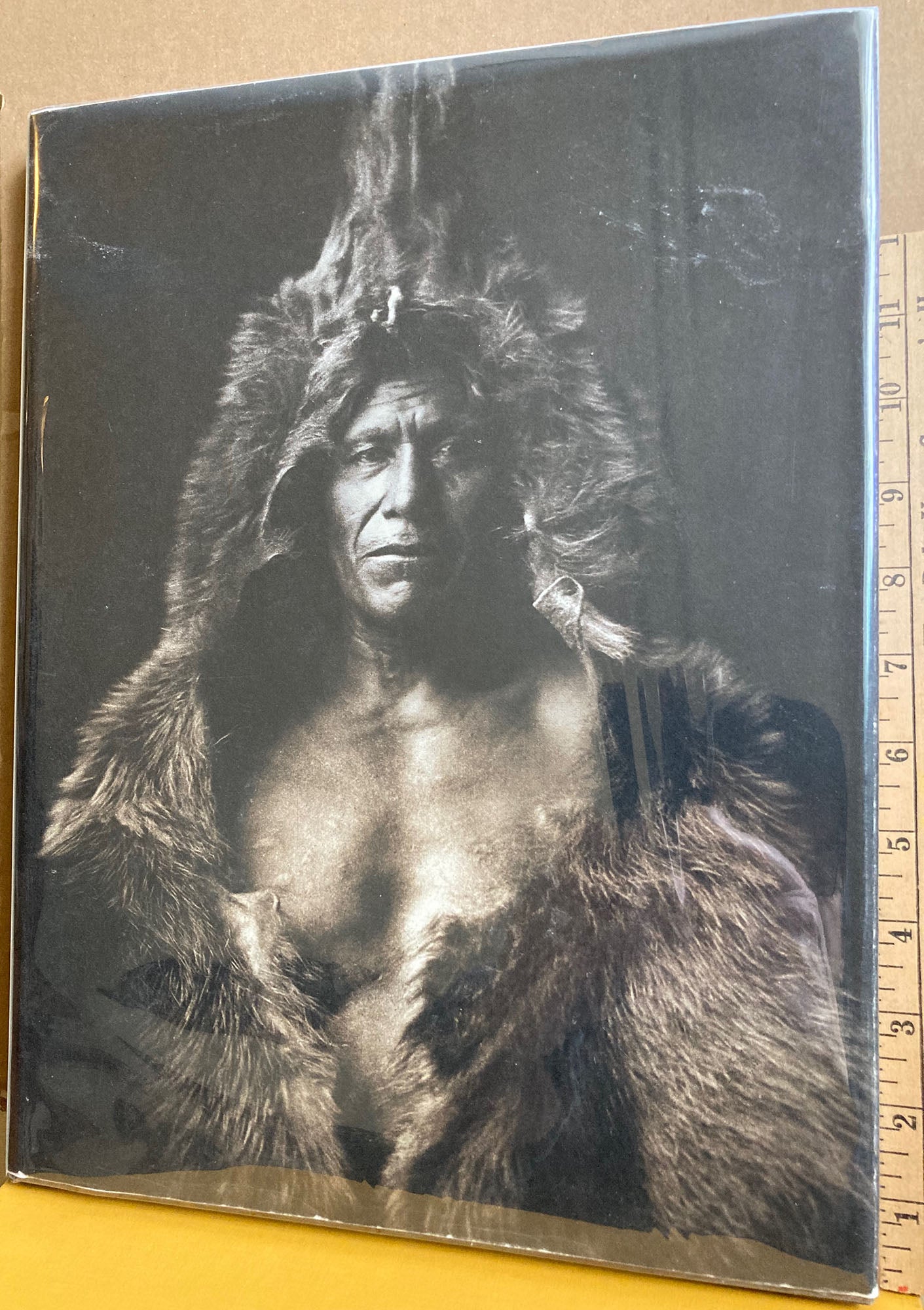
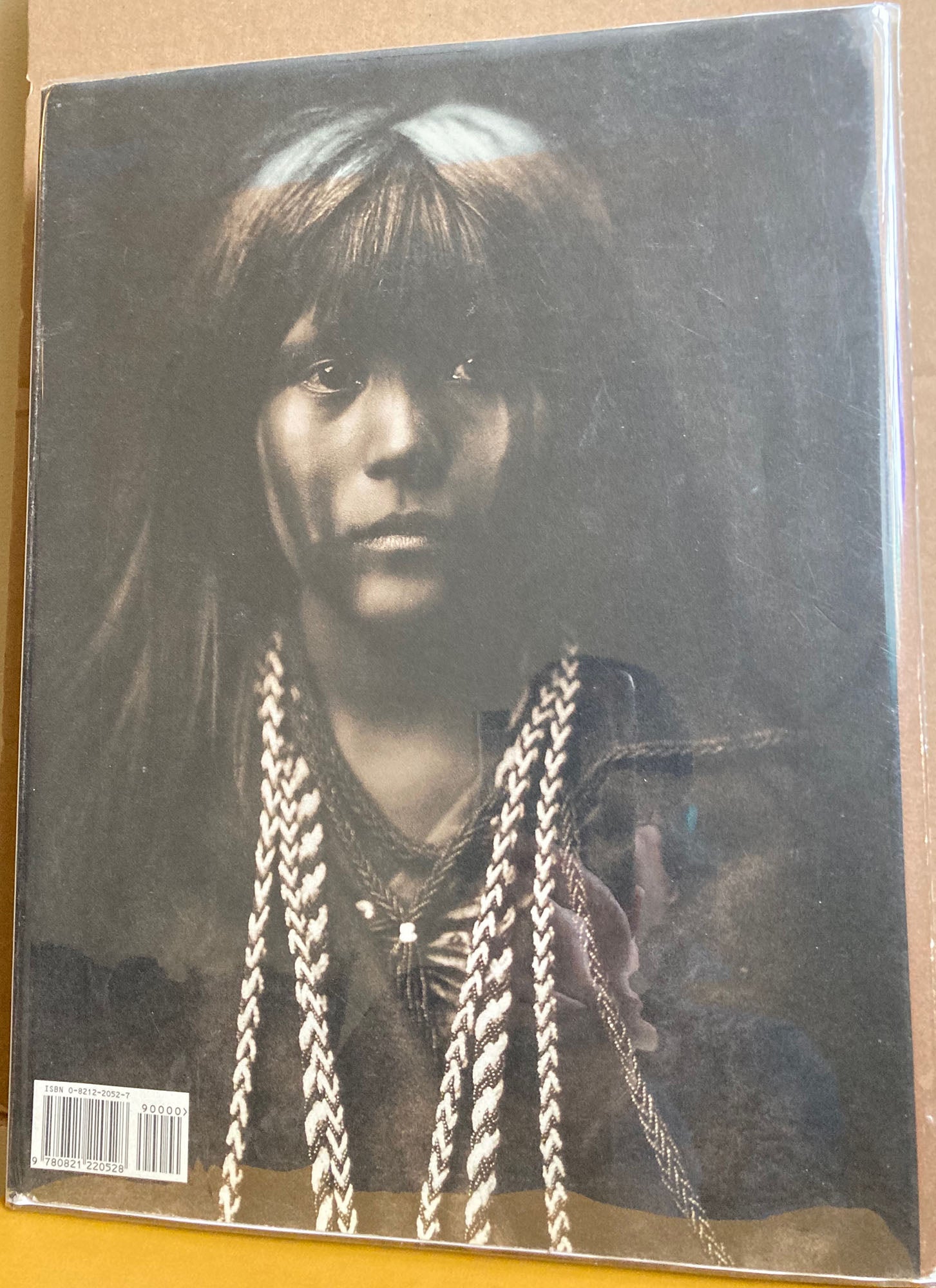
Bulfinch/Little, Brown, 1973. Edited by Christopher Cardozo with Foreword by George P. Horse Capture. First edition. Large clothbound hardcover, fine, with protected dust jacket with slight wear at edges. Produced by Calloway Editions. High quality reproductions in sepia. Quadratone printing by Richard Benson. 110 plates by Edward Sheriff Curtis. 160 pages. Includes one page with a laudatory statement about Curtis by Theodore Roosevelt, dated October 1, 1906. Summary:
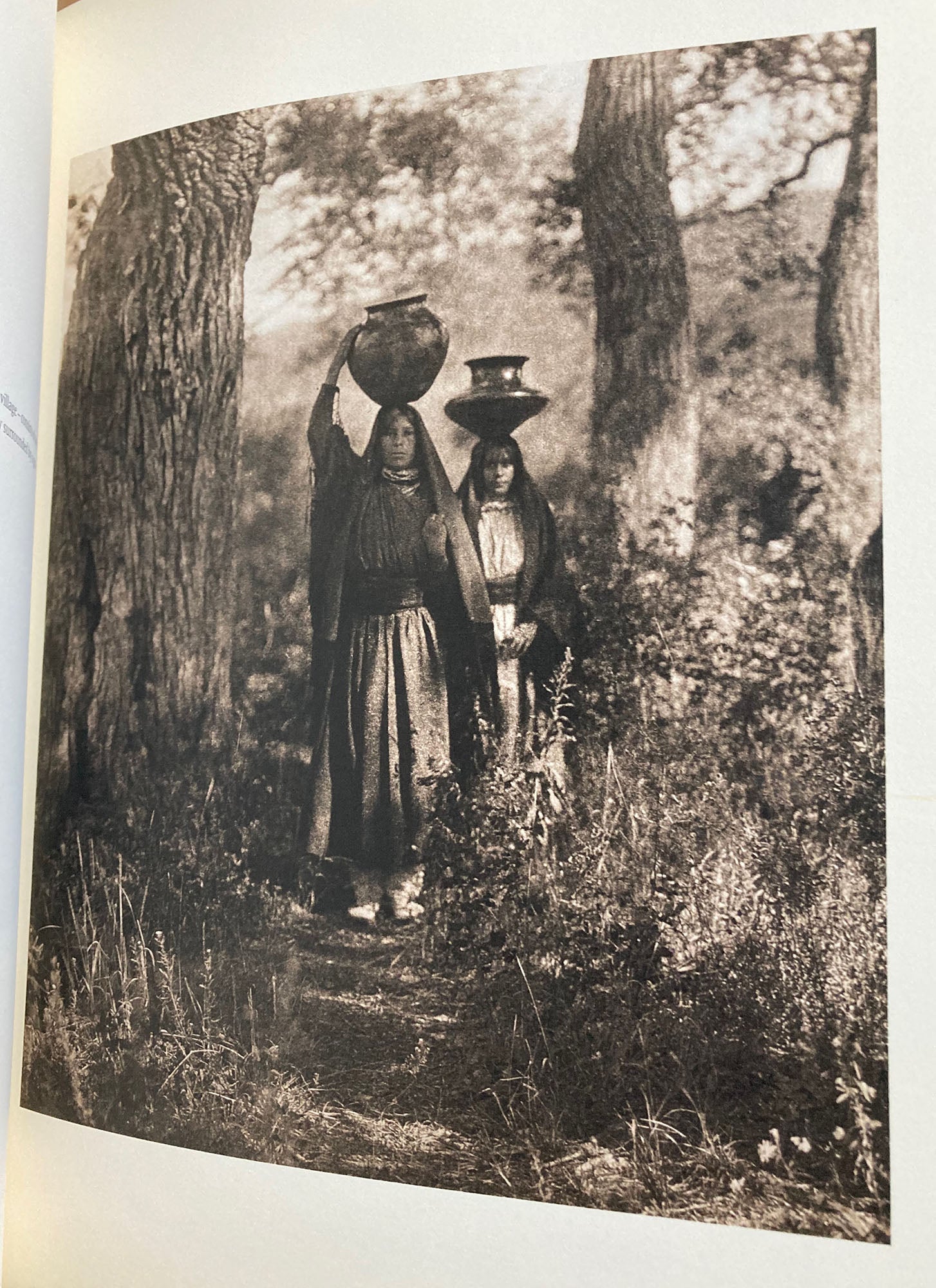
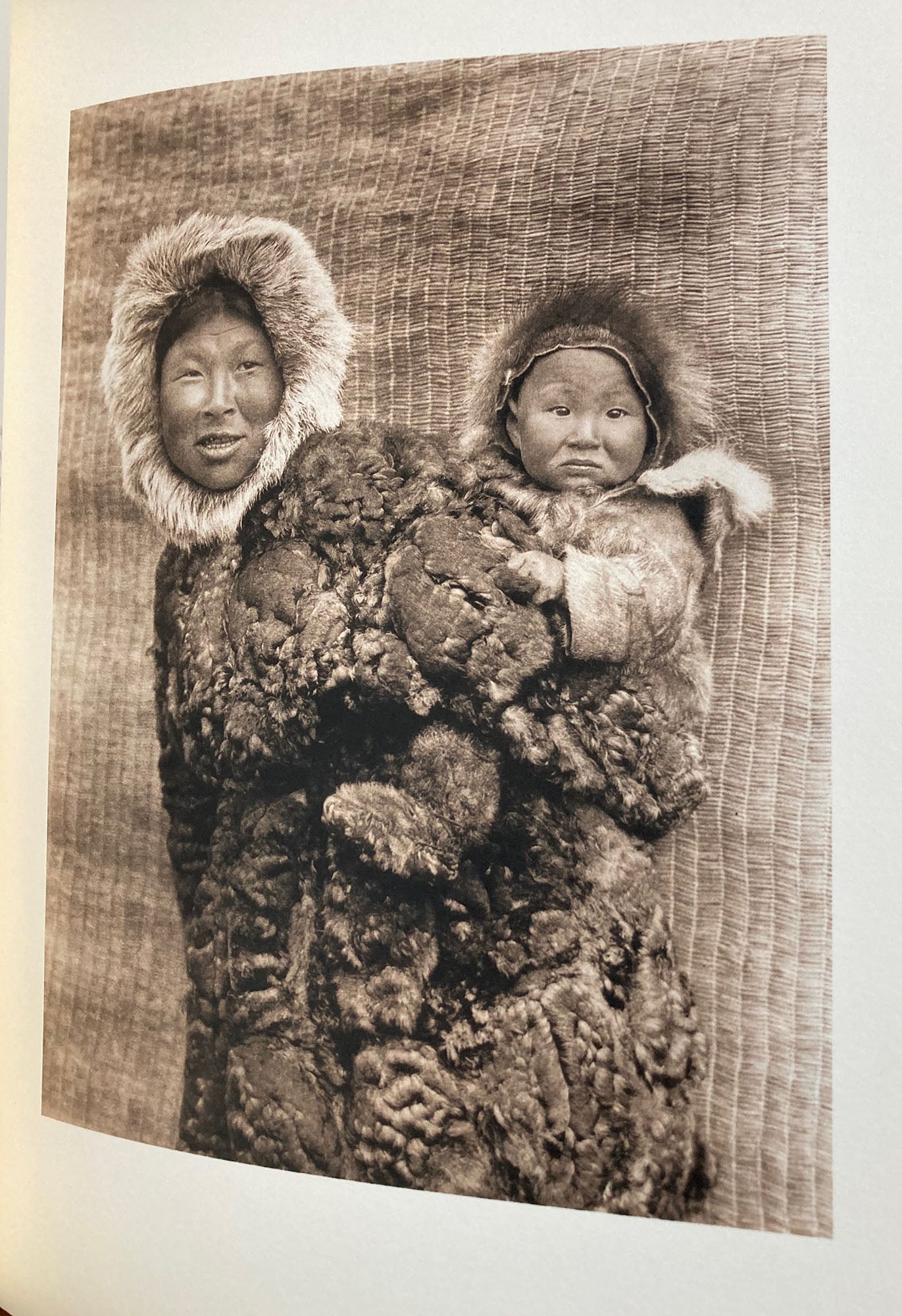
Native Nations: First Americans as Seen by Edward S. Curtis (1973) is a photographic and historical volume presenting selected images by Edward S. Curtis, drawn from his monumental early 20th-century project, The North American Indian. The 1973 publication reintroduces Curtis’s work to modern audiences, focusing on his portraits and scenes depicting Native American tribes across North America.
The book features striking photogravures of individuals, families, ceremonies, dwellings, and landscapes. Curtis’s images emphasize dignity, strength, and cultural identity, often portraying his subjects in traditional dress and settings. The volume highlights tribes from the Plains, Southwest, Pacific Northwest, and other regions, presenting a broad visual survey of Native life as Curtis encountered it in the early 1900s.
A central theme of the book is preservation. Curtis believed Native American cultures were vanishing under the pressures of westward expansion and federal assimilation policies. His project aimed to document languages, rituals, crafts, and social structures before they disappeared. The 1973 edition reflects this preservationist intent, framing the photographs as historical records of First American nations.
At the same time, the book implicitly raises questions about representation. Curtis sometimes staged scenes or encouraged subjects to wear traditional attire that was no longer part of everyday life, shaping an image of Native Americans that aligned with his vision of a pre-modern past. As a result, the work occupies a complex place in American cultural history—both a valuable archive and a product of its era’s romanticism and colonial perspectives.
Overall, Native Nations serves as a curated introduction to Curtis’s vast body of work, presenting powerful imagery that celebrates Indigenous heritage while also reflecting the historical context and assumptions under which it was created.
Edward Sheriff Curtis (1868–1952) was an American photographer and ethnologist renowned for his monumental, three-decade effort to document Native American peoples and traditional lifeways west of the Mississippi. Beginning his career as a successful commercial portrait photographer in Seattle, Curtis embarked around the turn of the 20th century on his epic magnum opus, The North American Indian (1907–1930)—a 20-volume set featuring over 2,200 photogravures, audio recordings of Indigenous languages and music, and extensive narrative text. Backed by financier J.P. Morgan and championed by Theodore Roosevelt, Curtis visited over 80 tribes, producing iconic, highly stylized portraits and landscapes that sought to capture cultures he believed were rapidly vanishing under federal assimilation policies. Though his work left an irreplaceable visual and historical archive, modern historians and Indigenous scholars point out that his Pictorialist approach often involved staging scenes, removing modern artifacts, and romanticizing his subjects to fit a nostalgic ideal of the "vanishing race."