Gary Saretzky Photo Books
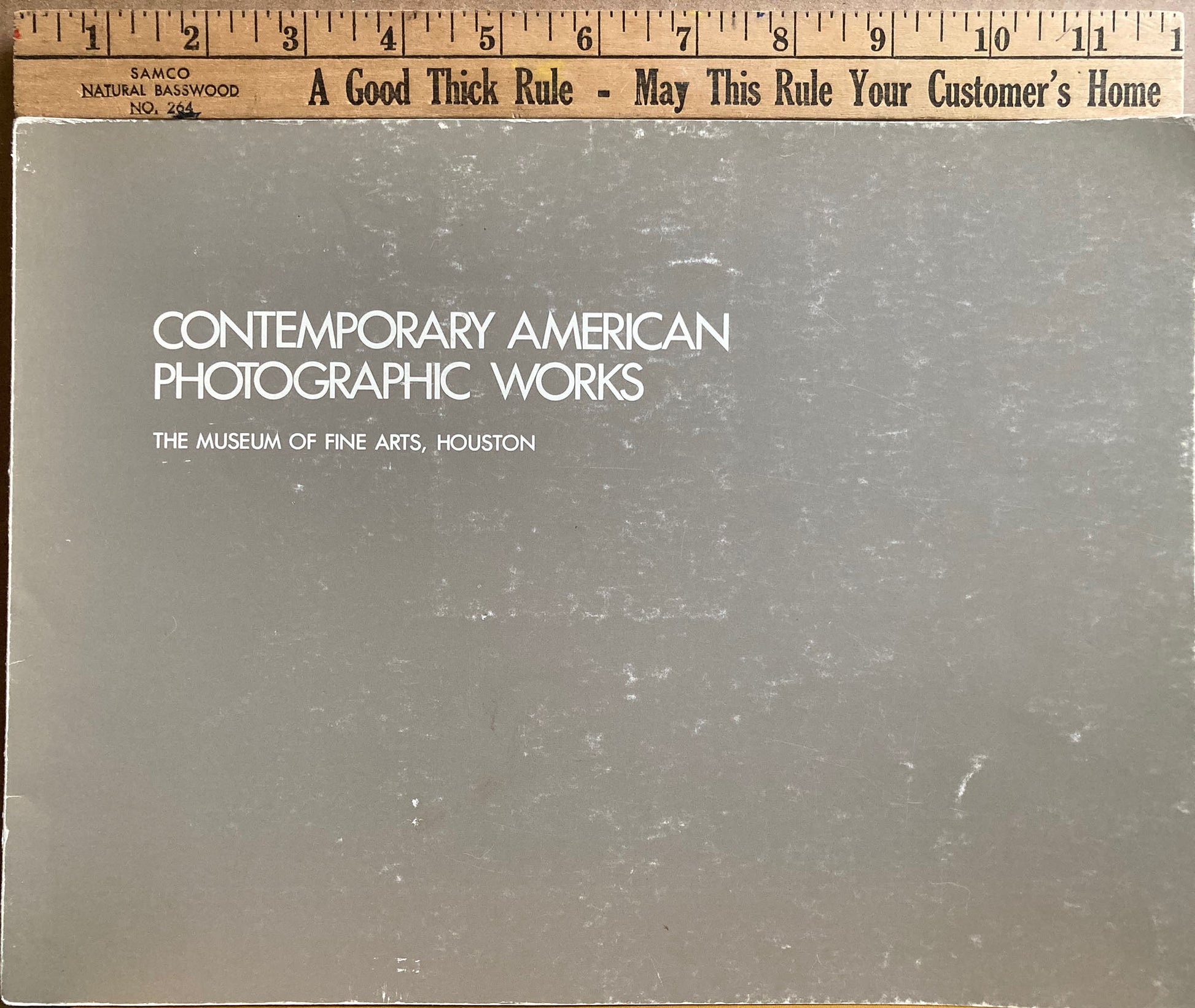
Contemporary American Photographic Works. Museum of Fine Arts, Houston, November 4-December 31, 1977.
Contemporary American Photographic Works. Museum of Fine Arts, Houston, November 4-December 31, 1977.
Couldn't load pickup availability
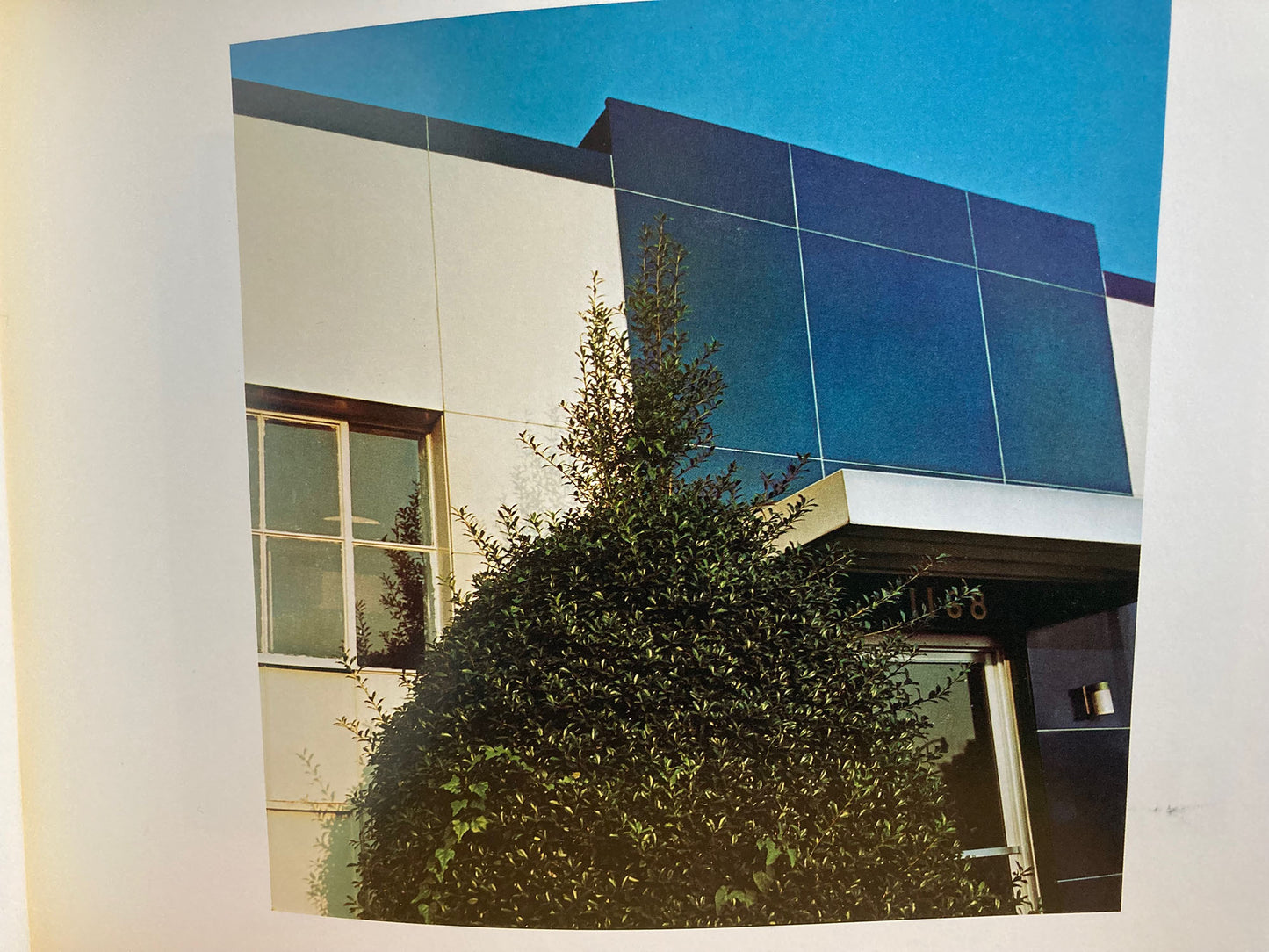
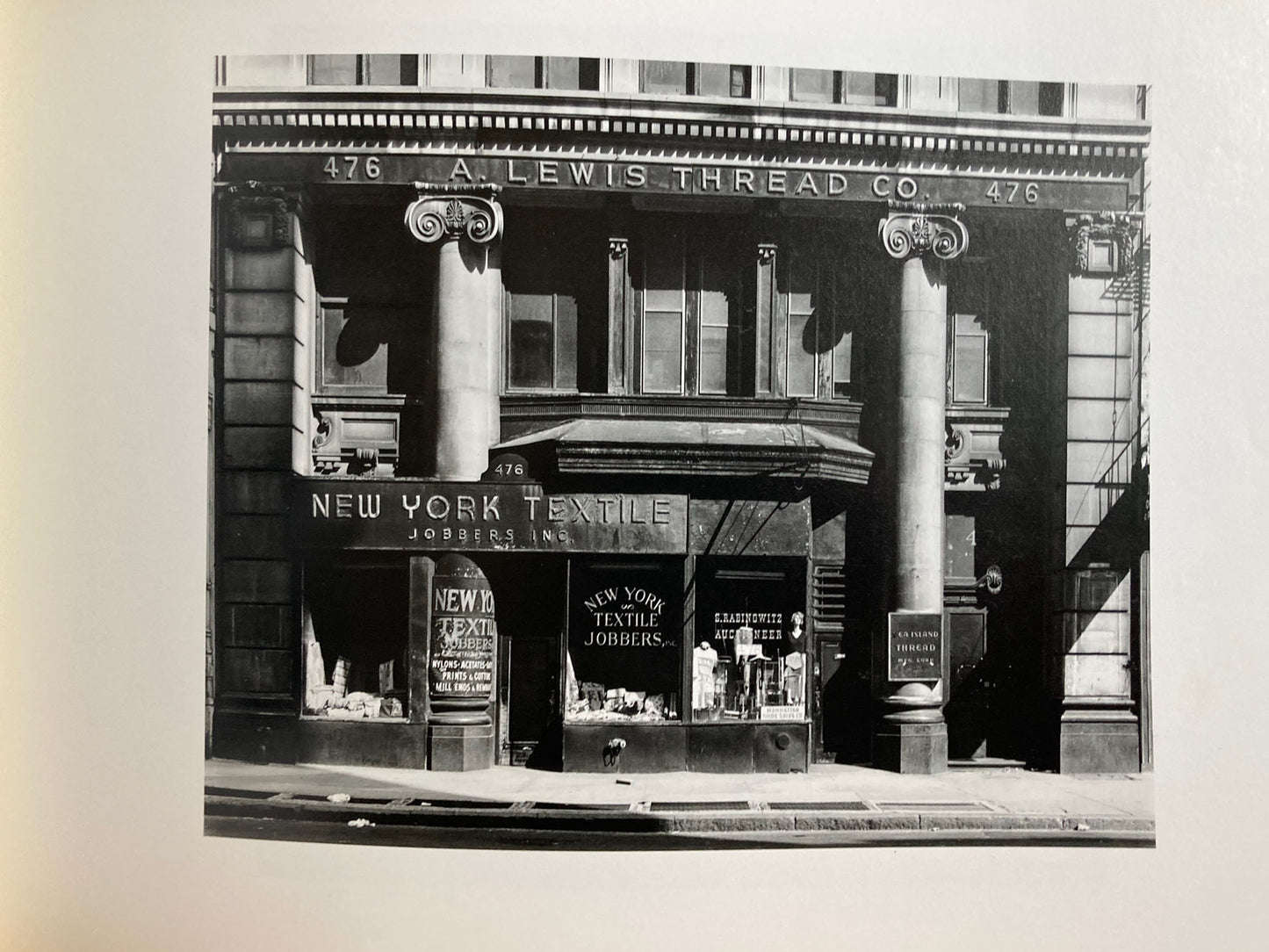
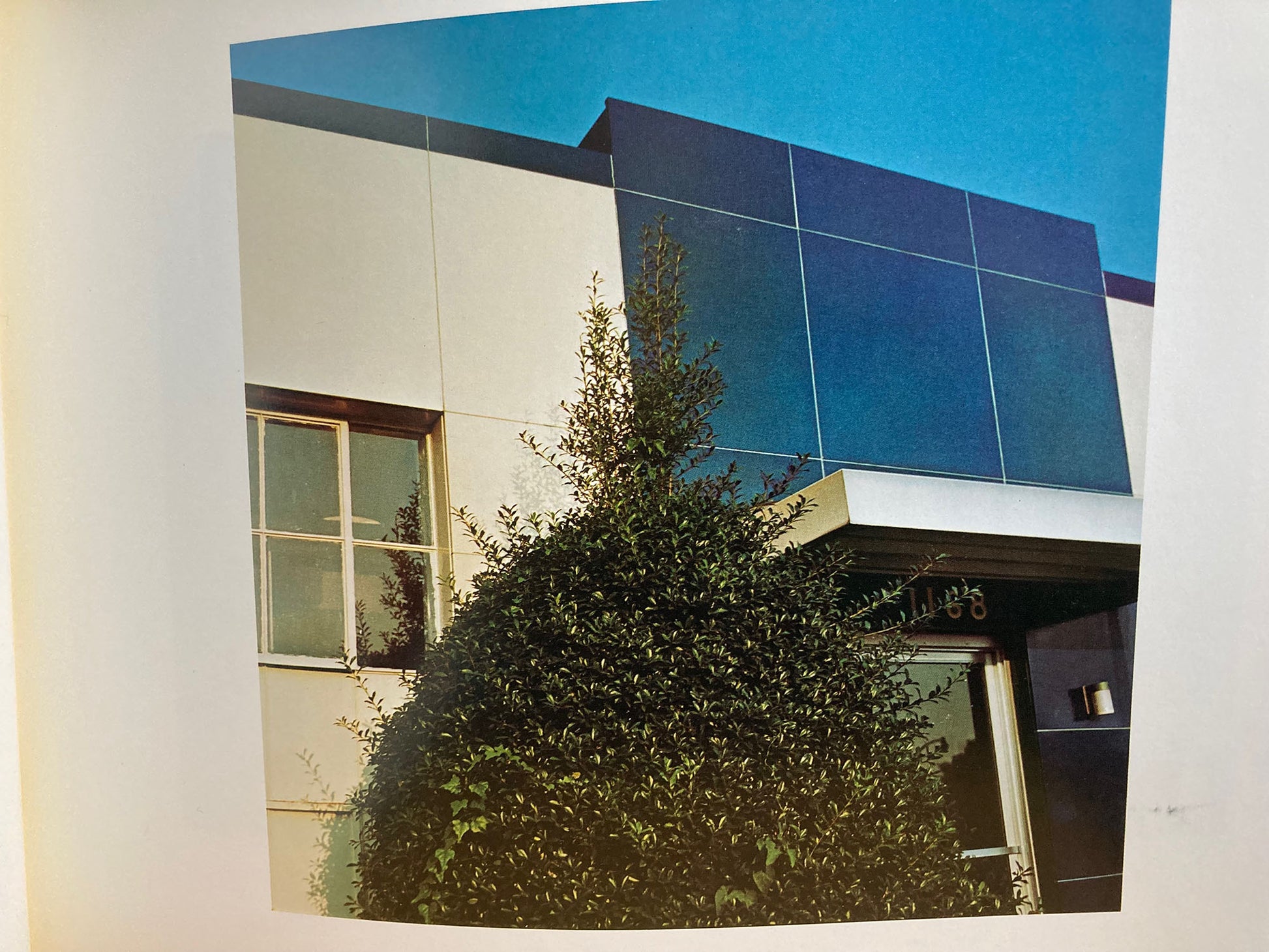
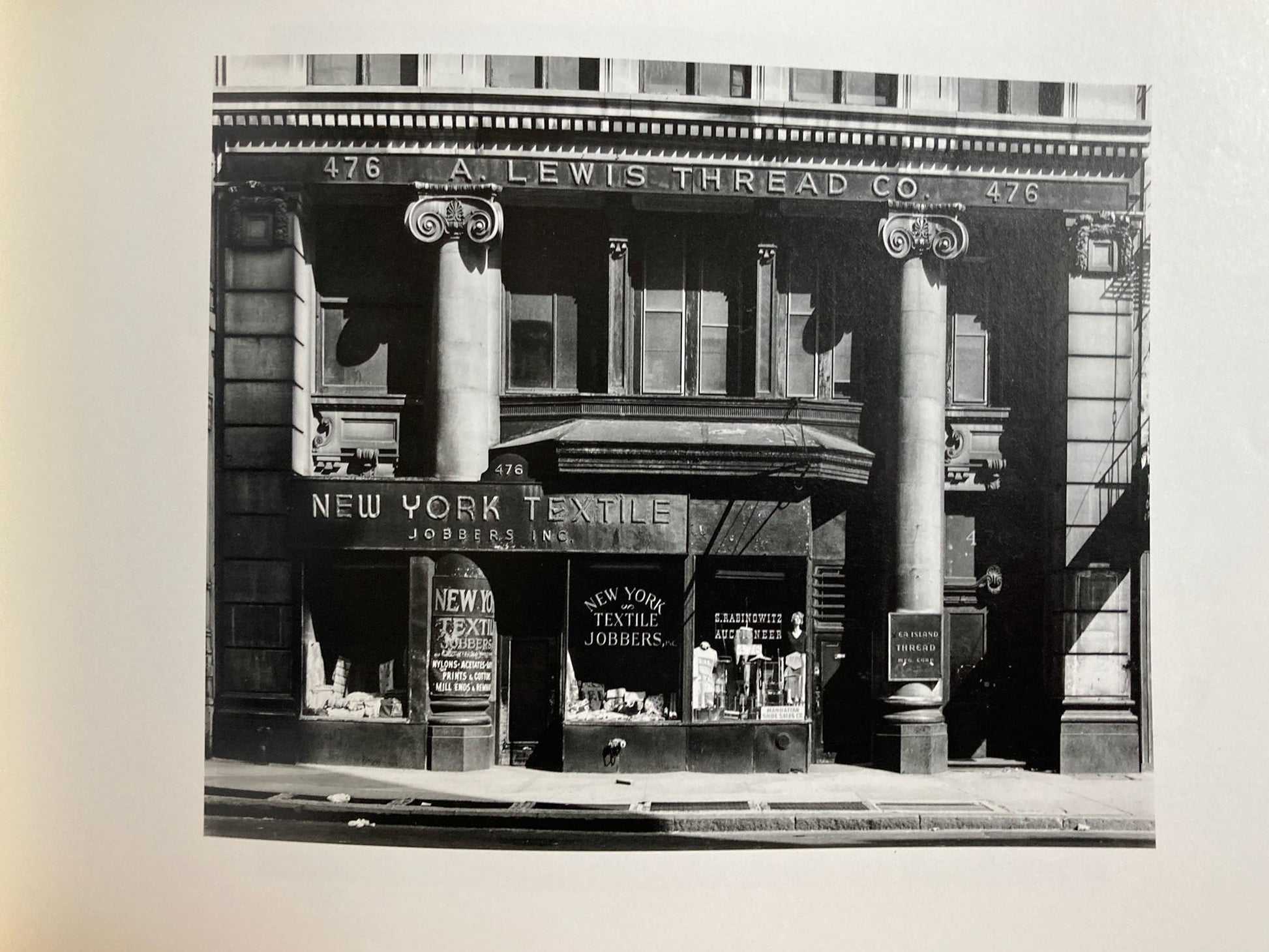
Edited by Lewis Baltz with texts by Baltz, William C. Agee, and John Upton. Museum of Fine Arts, Houston, 1977. 84 pages, oblong. Gray cover chipped at top of spine and verso near spine, probably from removal of a label. Wear along spine and couple of crimps. Date due label on front flyleaf. Ex-library, wraps, very good minus. Signature of previous owner, Danny Guthrie, Associate Professor, Michigan State University, on back of front cover. 1st edition of 1,500, including some hardcover copies. Includes biographical data on the photographers and lists of their works in the exhibition, some of which are illustrated in the catalog. Photographers illustrated in color and black-and-white: Robert Adams; John Baldessari; Thomas F. Barrow; Robert Cumming; Bevan Davies; Joe Deal; William Eggleston; Lee Friedlander; Ralph Gibson; John R. Gossage; Jan Groover; Anthony Hernandez; Nicholas NIxon; William Wegman; and Geoff Winningham. Not issued with ISBN number. Uncommon. Summary:
Contemporary American Photographic Works (1977), edited by Lewis Baltz, is the landmark exhibition catalog from the Museum of Fine Arts, Houston, that effectively codified the "New Topographics" and "Conceptual" shifts in American photography during the late 1970s. Rather than a general survey, this exhibition was a rigorous, curated statement on the state of the medium, moving away from romanticism and toward a "cool," critical observation of the American environment.
Core Themes and Curatorial Narrative
-
The "Deadpan" Revolution: Curated by Lewis Baltz (himself a titan of the movement), the exhibition championed an objective, almost forensic style. The focus shifted from the "Grand Landscape" of the past to the "Man-altered Landscape"—suburban construction sites, industrial parks, and the banal architecture of the everyday.
-
The Photograph as Document/Object: The catalog emphasizes photography as a tool for intellectual inquiry rather than just "picture-making." It explores the tension between the photograph as a transparent record of reality and its status as a formal, minimalist art object.
-
A Definitive Roster: The exhibition featured a "Who’s Who" of the era’s most influential photographers, including Robert Adams, Lewis Baltz, William Eggleston, Lee Friedlander, Stephen Shore, and Nicholas Nixon. It captured the moment when these disparate voices coalesced into a dominant aesthetic.
Visual and Technical "Finish"
-
The "Industrial Finish": The imagery is characterized by a "clinical" clarity. Whether in black-and-white or the pioneering color work of Eggleston and Shore, the style is sharp, edge-to-edge, and sometimes reminiscent of the New Topographics photographers. The works are devoid of the theatrical staging seen in the creative products of some other photographers.
-
Standardized Perspective: Many of the works utilize a neutral, eye-level perspective, mimicking the objectivity of an architectural survey or a police record, stripping away the "artistic ego" to let the subject speak.