Gary Saretzky Photo Books
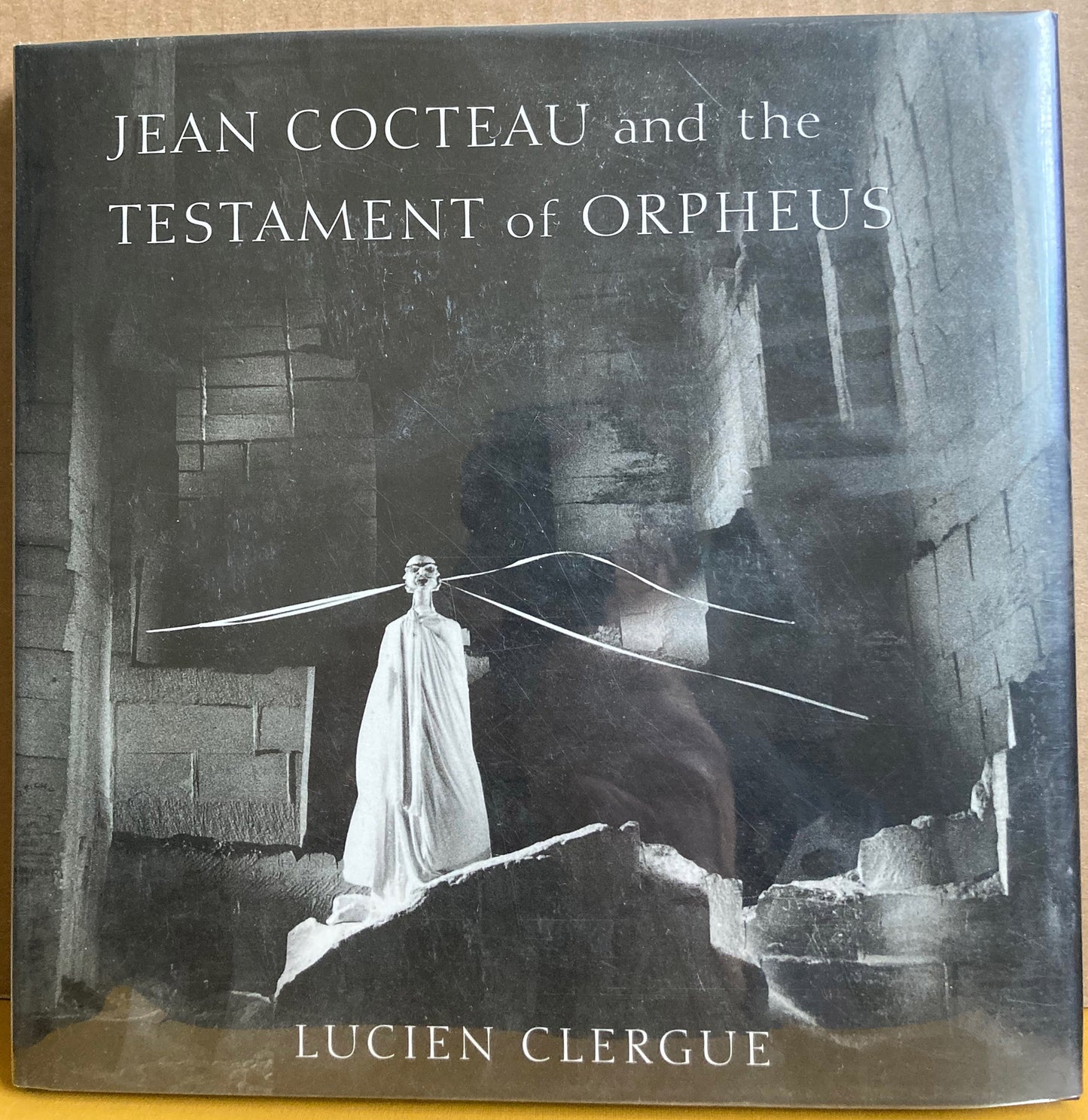
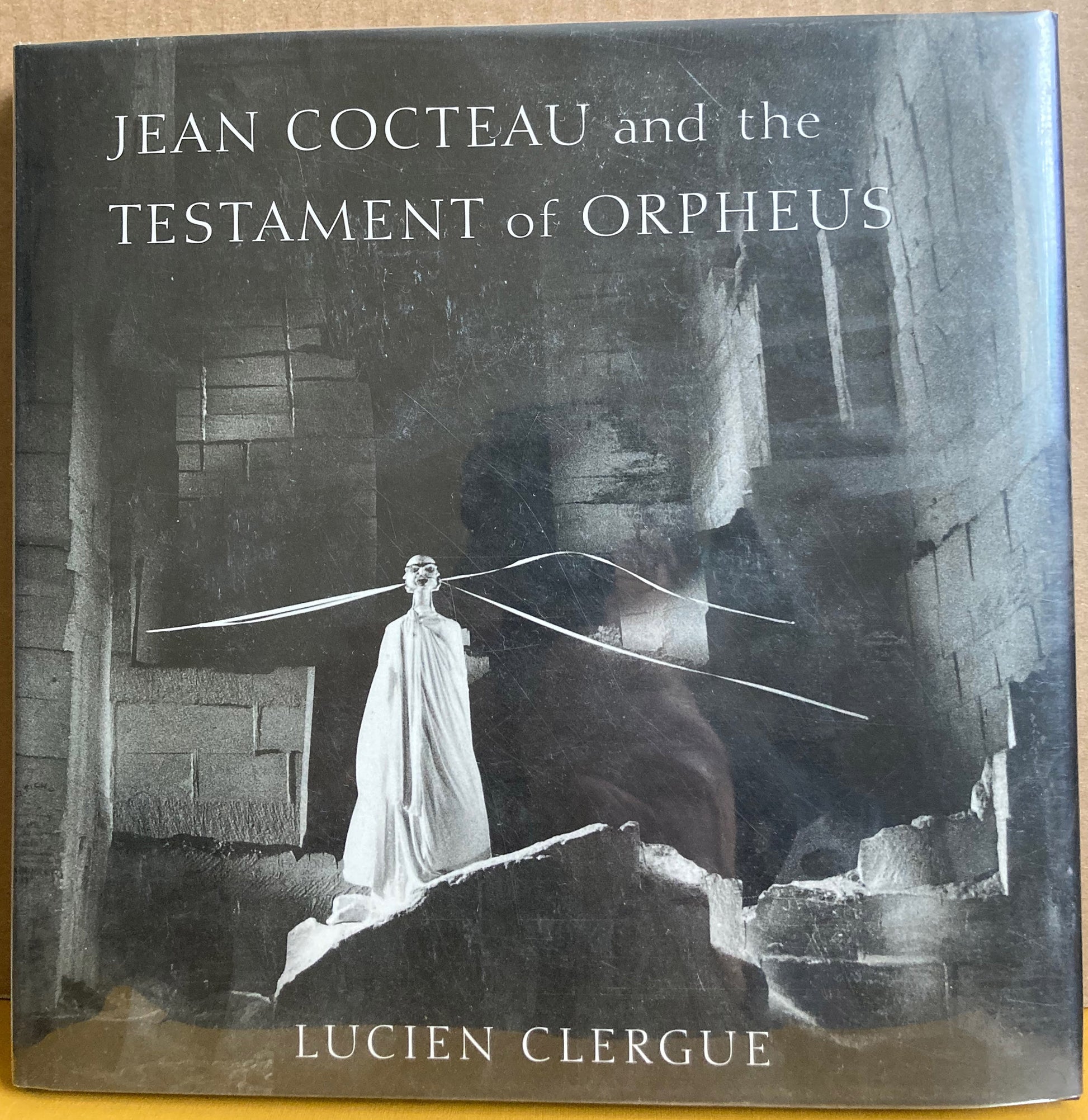
Clergue, Lucien. Jean Cocteau and the Testament of Orpheus. Photographs by Lucien Clergue.
Clergue, Lucien. Jean Cocteau and the Testament of Orpheus. Photographs by Lucien Clergue.
Couldn't load pickup availability
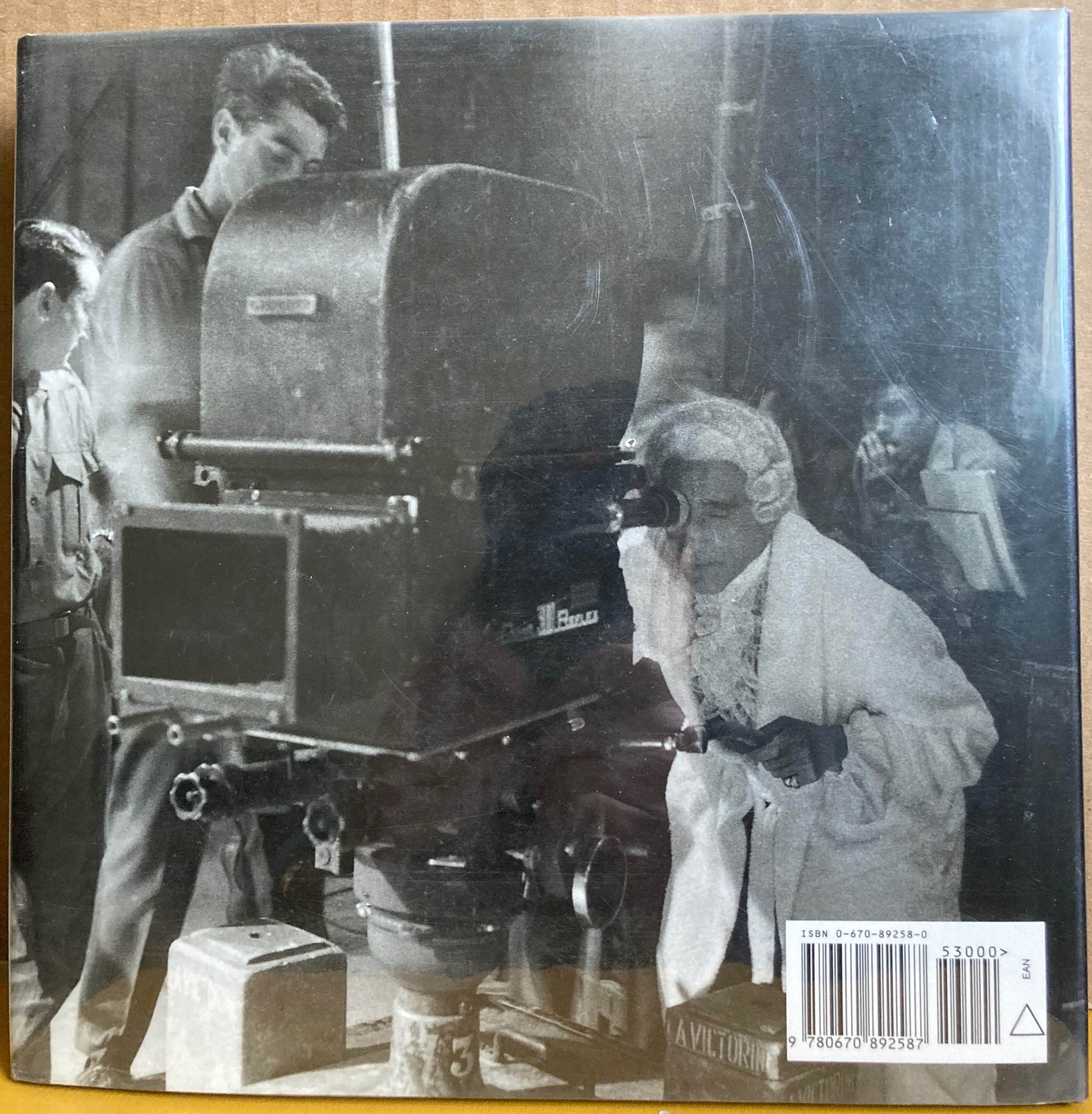
Viking, 2001. First edition, first printing, hardcover, fine with fine protected dust jacket, like new. Essay by David LeHardy Sweet. Black and white photographs by Lucien Clergue from the making of Cocteau’s last and autobiographical film of 1960, Le Testament D’Orphée (Testament of Orpheus). In addition to Jean Cocteau (1889–1963), others who appear in the photographs include Pablo Picasso, Jacqueline Picasso, François Truffaut, Alice Heyliger, Yul Brynner, and Charles Aznavour, among others. Summary:
Jean Cocteau and the Testament of Orpheus: The Photographs by Lucien Clergue (with essay by David LeHardy Sweet) is a richly illustrated photographic book that offers a visual companion to French artist Jean Cocteau’s final film Le Testament d’Orphée (1960). During the making of this deeply personal and poetic movie, Cocteau invited his friend and acclaimed photographer Lucien Clergue to document the production on his own terms—promising him complete freedom to capture images that might reveal something “different from my film.”
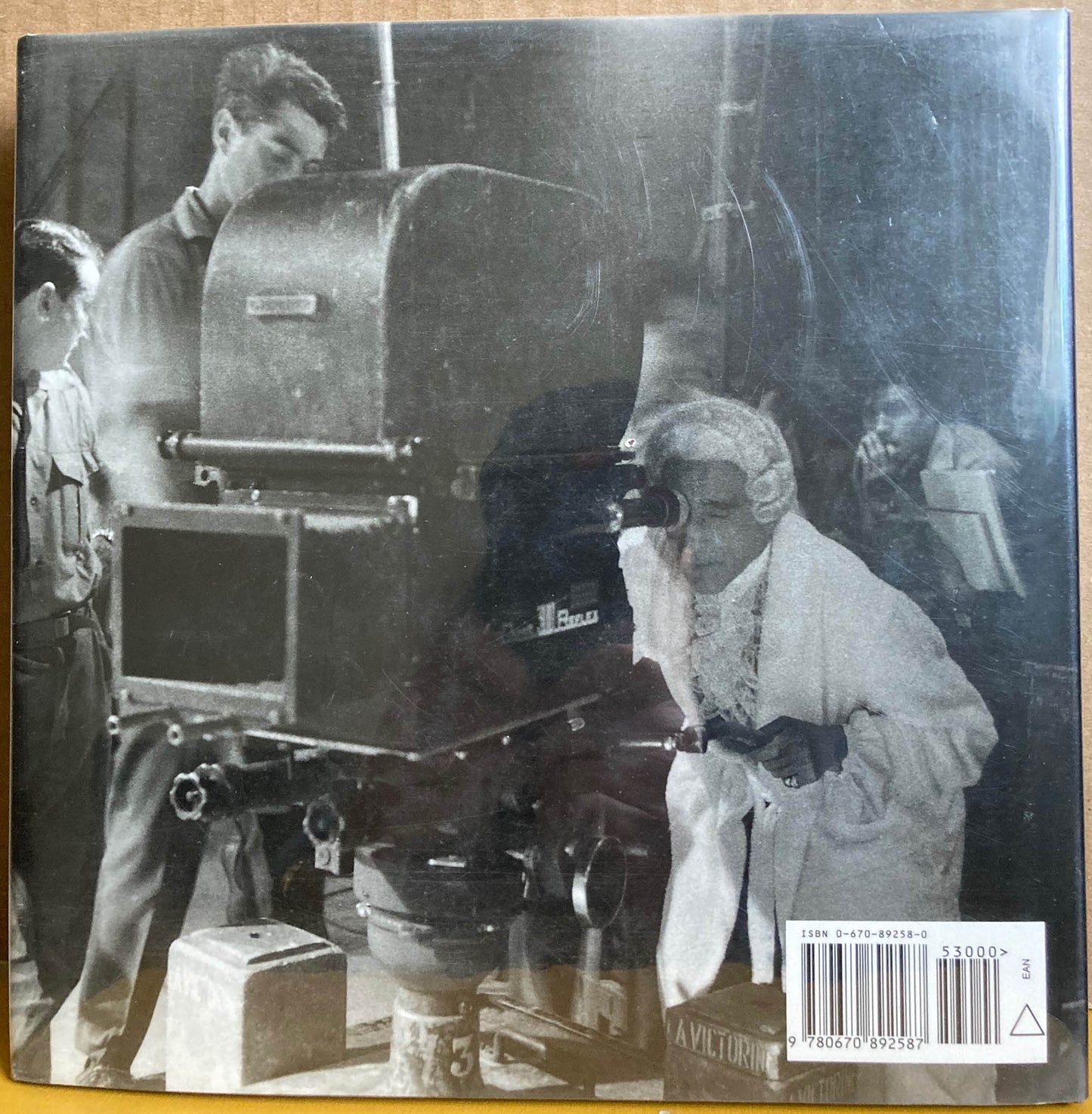
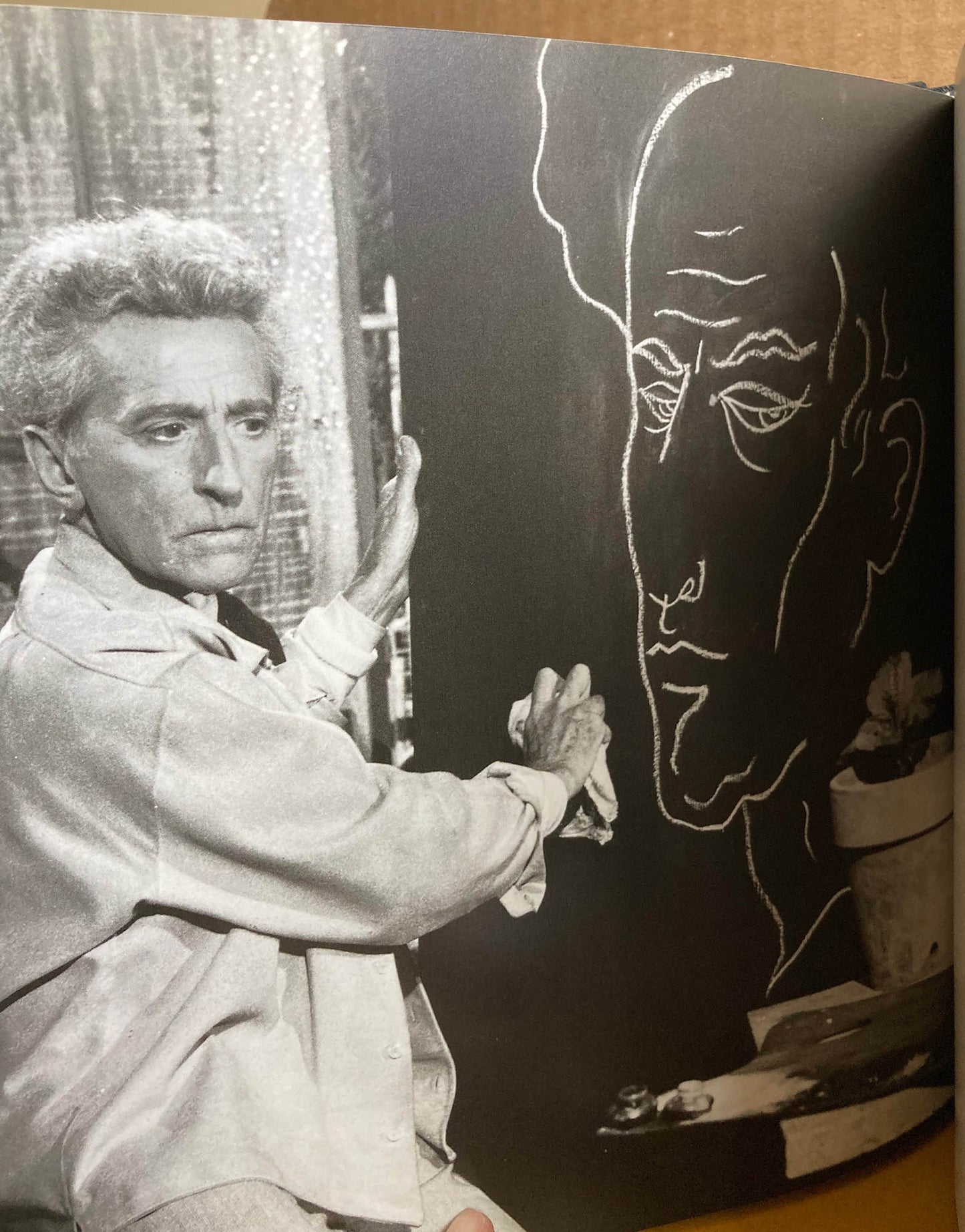
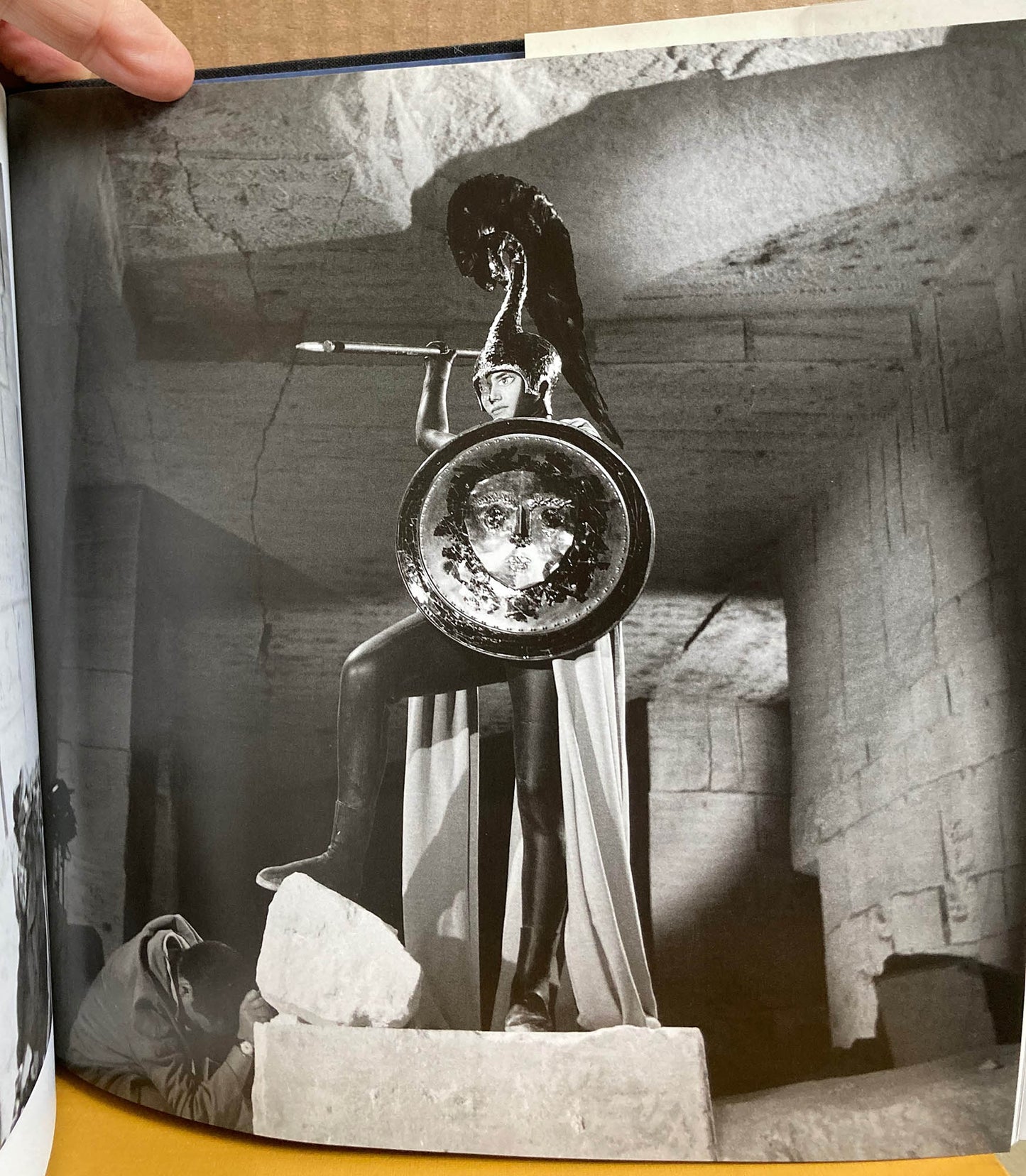
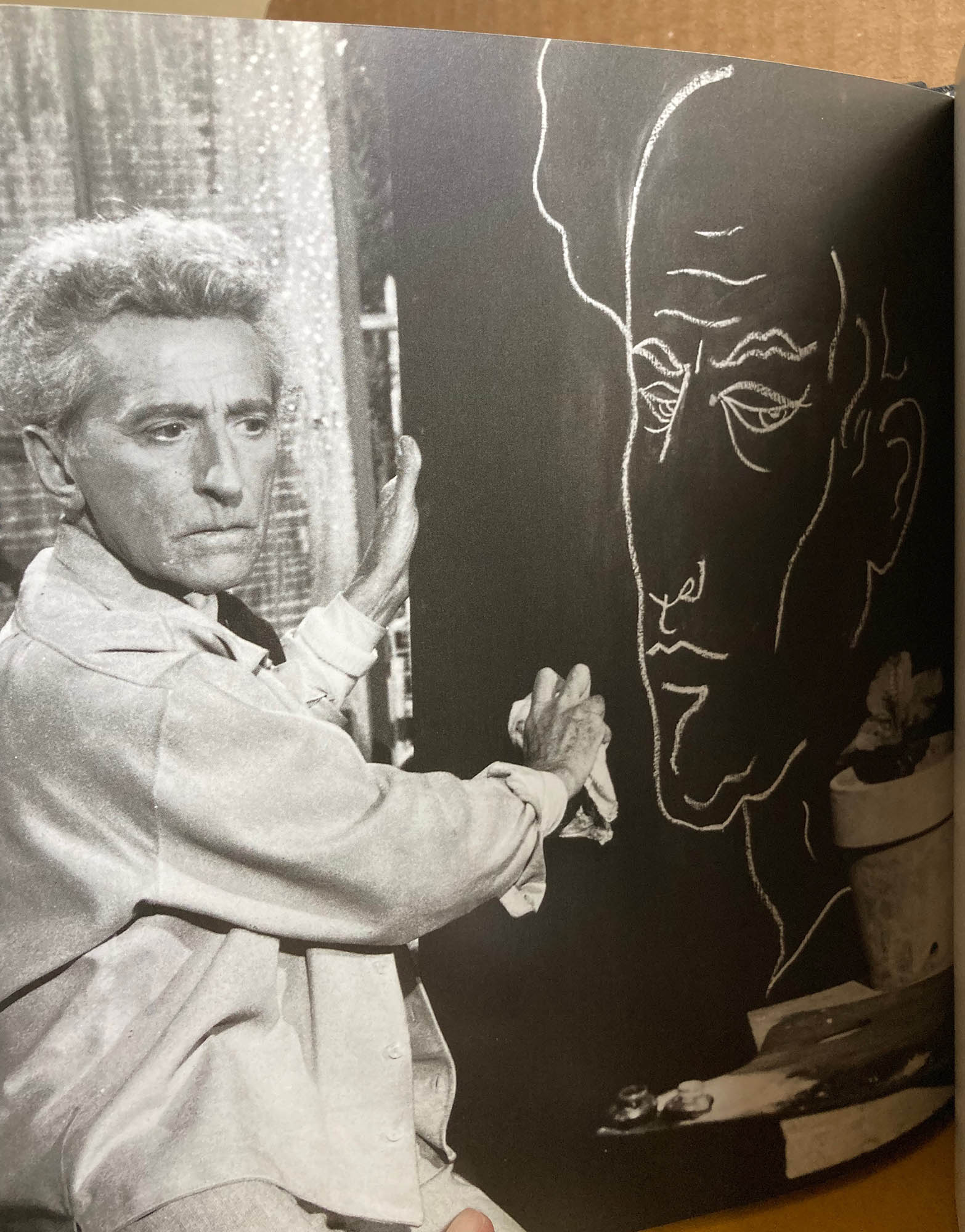
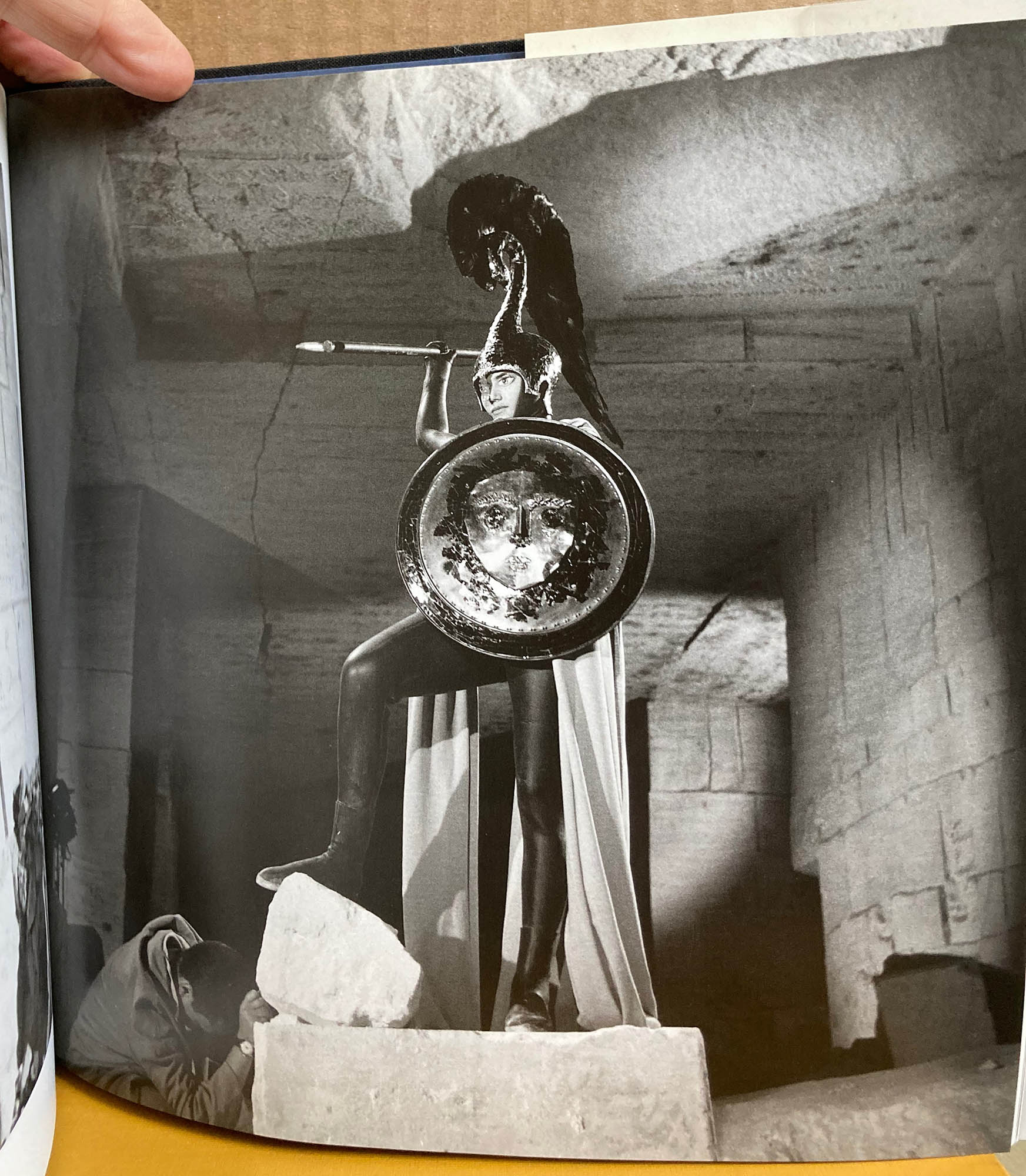
The book gathers these images across roughly 144 pages, presenting a striking mix of stills drawn from both the film’s mythic imagery and behind-the-scenes moments. Clergue’s photographs show Cocteau at work, in character, and in candid interaction with actors, collaborators, and the surreal environment of the set. They include evocative portraits of Cocteau himself with painted eyes and costumed figures, as well as atmospheric scenes that echo the symbolic and dreamlike quality of the movie.
An introductory essay by Sweet contextualizes Clergue’s images, explaining how they operate both as complements to Cocteau’s cinematic vision and as independent works of art. Rather than merely illustrating the film, the photographs create their own narrative arc—offering windows into the creative process while also reflecting the milieu from which Testament of Orpheus emerged.
Overall, the book functions as both a documentary record of an extraordinary collaboration between film and photography and a homage to one of the 20th century’s most enigmatic artists and his final cinematic testament.
Lucien Clergue (1934–2014) was a celebrated French fine-art photographer, cultural advocate, and co-founder of the Rencontres d'Arles, the world's first major international photography festival. Born in Arles, France, Clergue began photographing in his teens using a simple box camera, documenting the war-damaged ruins of his hometown and performing acrobats. His early artistic breakthrough came in 1953 when he showed his work to Pablo Picasso at a bullfight in Arles; Picasso became a lifelong friend and mentor, illustrating several of Clergue's books and designing covers for his collections. Clergue gained global acclaim for his lyrical, high-contrast black-and-white studies of female nudes bathed in light and sea waves, dramatic depictions of Spanish bullfighting, dead landscapes of the Camargue, and intimate portraits of artistic luminaries like Jean Cocteau and Man Ray. Beyond his creative oeuvre, Clergue profoundly shaped the global photography landscape in 1970 by co-founding the Rencontres d'Arles alongside writer Michel Tournier and historian Jean-Maurice Rouquette, transforming his birthplace into the international capital of fine-art photography. In 2006, he became the first photographer ever elected to the prestigious Académie des Beaux-Arts in Paris, serving as its president in 2013 and solidifying photography's institutional acceptance within the traditional French fine arts.