
Gary Saretzky Photo Books
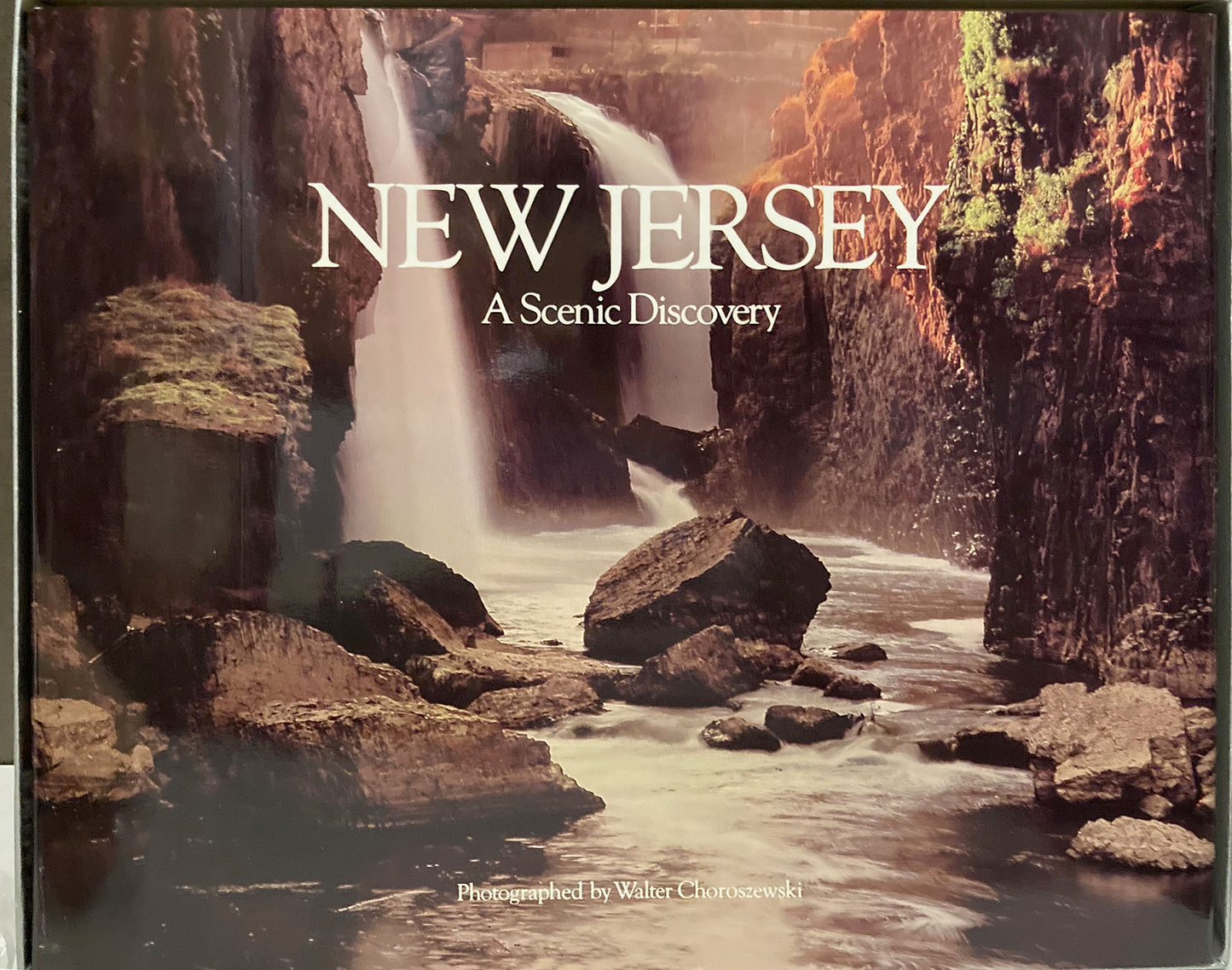
Choroszewski, Walter. New Jersey: A Scenic Discovery by Walter Choroszewski.
Choroszewski, Walter. New Jersey: A Scenic Discovery by Walter Choroszewski.
Couldn't load pickup availability
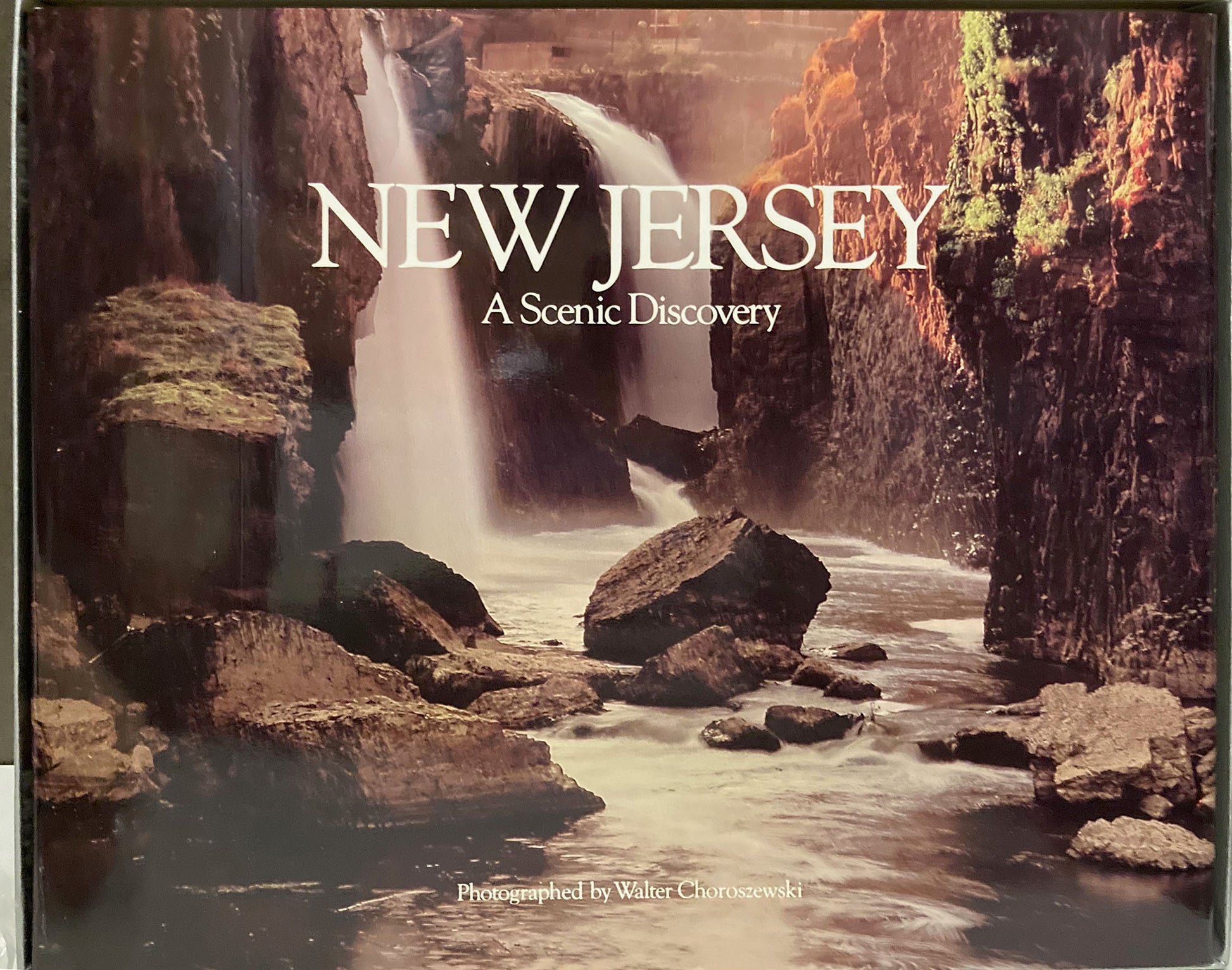
Foremost, 1981. Boxed in the uncommonly found silver unmarked box that has a touch of wear at one corner. Book is like new, hardcover with dust jacket. 118 pages with color photos finely printed on glossy paper, taken all over New Jersey by Choroszewski. Introduction by John Cunningham. A prolific and well known New Jersey scenic photographer, Choroszewiski was awarded the first New Jersey Photo Journalism Award by Governor Thomas Kean in 1989. Summary:
New Jersey: A Scenic Discovery (1987) is a celebrated photographic portfolio by Walter Choroszewski that challenges the "industrial" stereotypes of the Garden State. It remains one of the most popular coffee-table books dedicated to New Jersey's natural beauty and diverse landscapes.
Key Themes and Visual Highlights
-
Beyond the Turnpike: Choroszewski’s primary goal is to showcase the state’s hidden ecological and rural gems. The book highlights the Pine Barrens, the rugged Highlands, and the pastoral farmlands of Hunterdon and Somerset counties.
-
Seasonal Transitions: The collection is organized to capture the dramatic shift of seasons, featuring vibrant autumn canopies, snow-dusted Victorian architecture in Cape May, and the ethereal summer light of the Jersey Shore.
-
The "Garden State" Identity: A significant portion of the book focuses on New Jersey’s agricultural heritage, featuring rolling orchards, cranberry bogs, and historic mills that evoke a sense of timelessness.
-
High-Key Color Palette: Known for his use of vibrant, saturated color, Choroszewski uses a wide-angle, cinematic style to give the New Jersey landscape a majestic, almost monumental quality.
Significance
The book played a major role in New Jersey's self-image and tourism during the late 1980s. It shifted the public narrative away from urban decay and toward environmental appreciation. For residents and collectors, it serves as a nostalgic yet vivid record of the state's preserved open spaces.
Walter Choroszewski is an American photographer, publisher, and local historian celebrated for his vibrant architectural and landscape portraiture of New Jersey and the American Northeast. A graduate of Rutgers University, where he studied environmental science before transitioning into full-time visual media, Choroszewski established himself as a premier chronicler of regional beauty, historical landmarks, and cultural heritage. Over a career spanning four decades, he authored and published over a dozen pictorial coffee-table books, including New Jersey: Celebrating the Garden State, The Jersey Shore, and Lighthouses of New Jersey, which showcased his signature use of rich color, medium-format precision, and dramatic natural lighting. Beyond his published monographs, Choroszewski expanded his career as a public speaker and educator, delivering interactive lectures, educational slideshows, and historical presentations to schools, libraries, and civic organizations across the state.