Gary Saretzky Photo Books
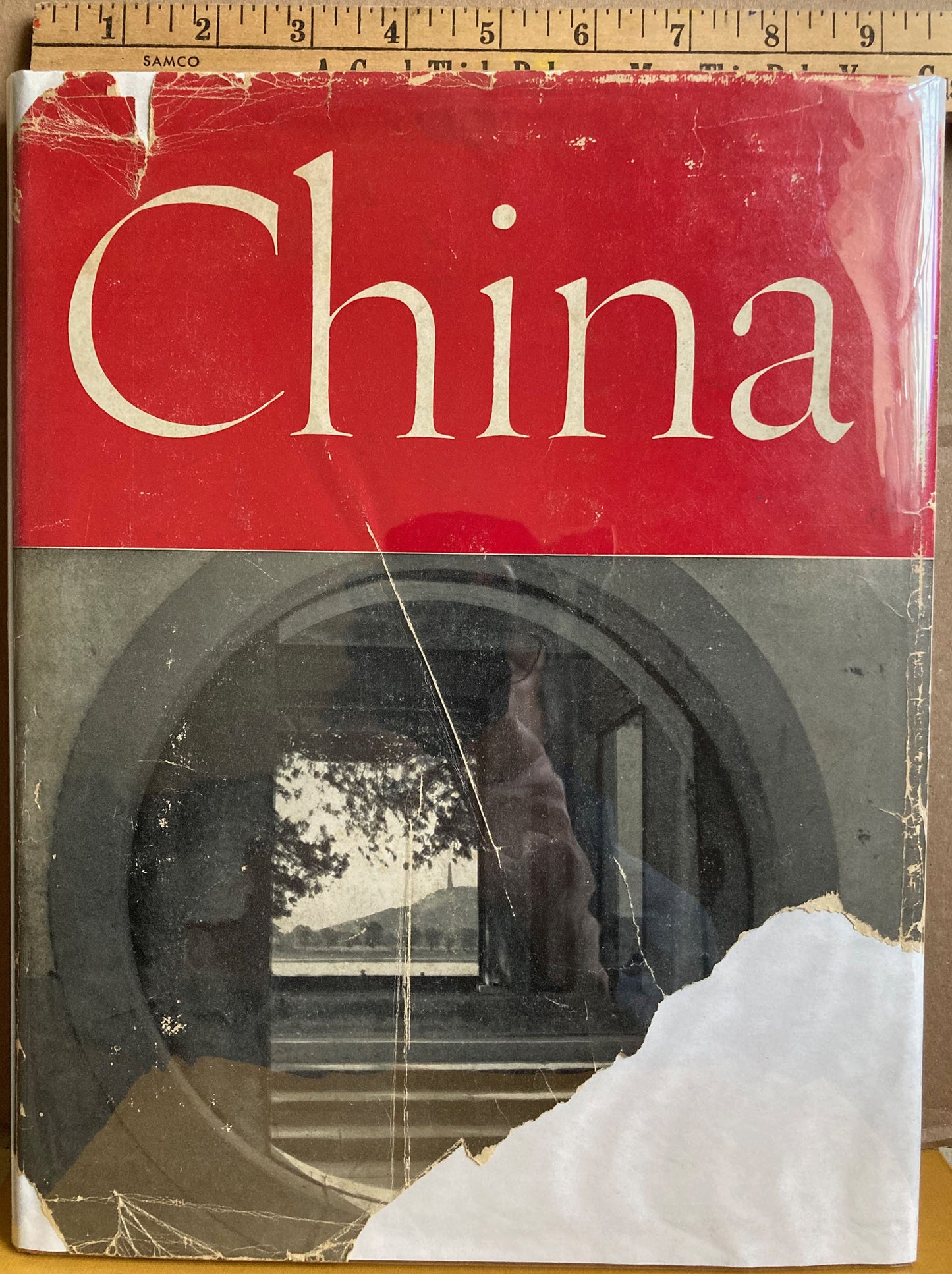
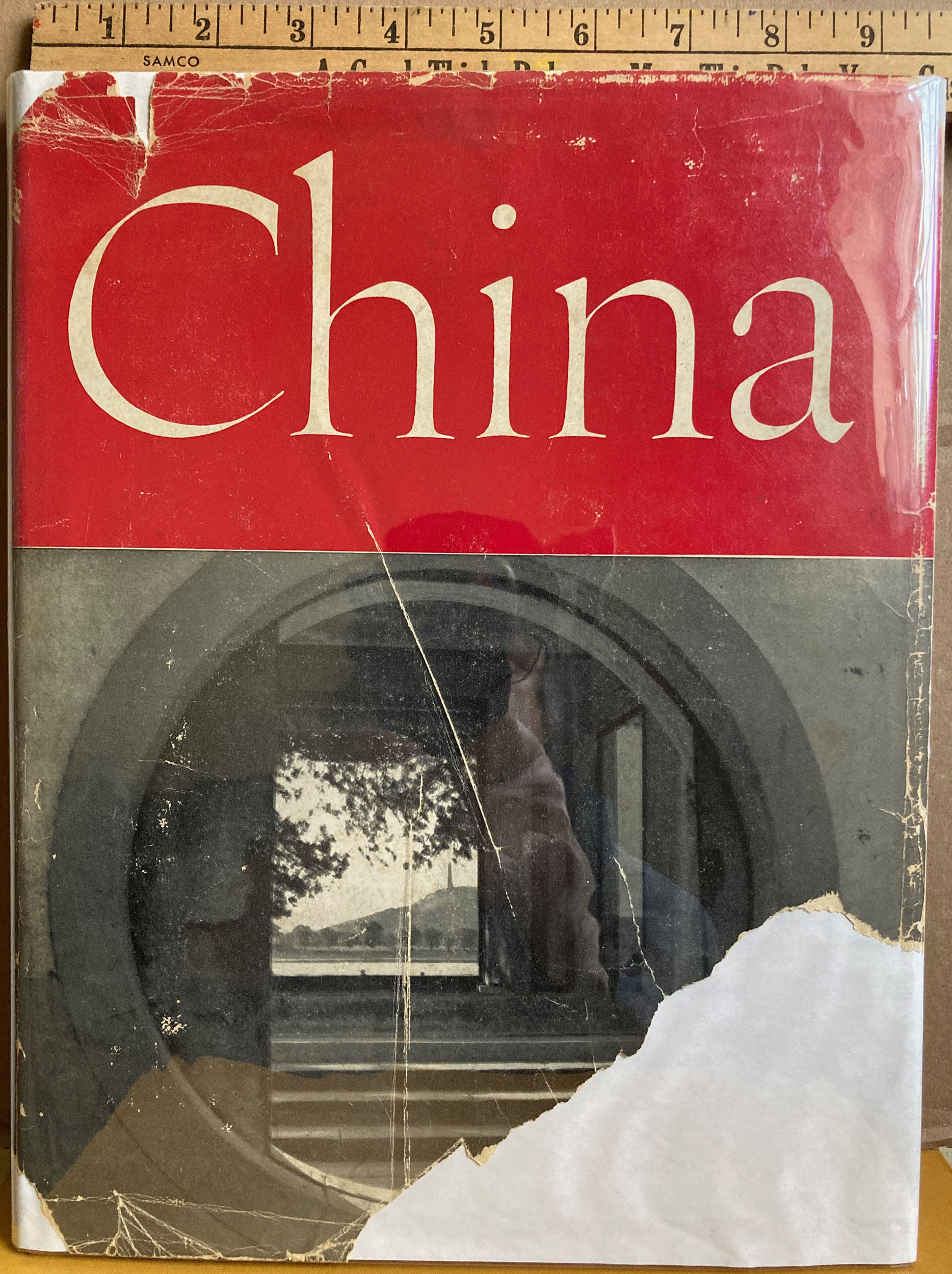
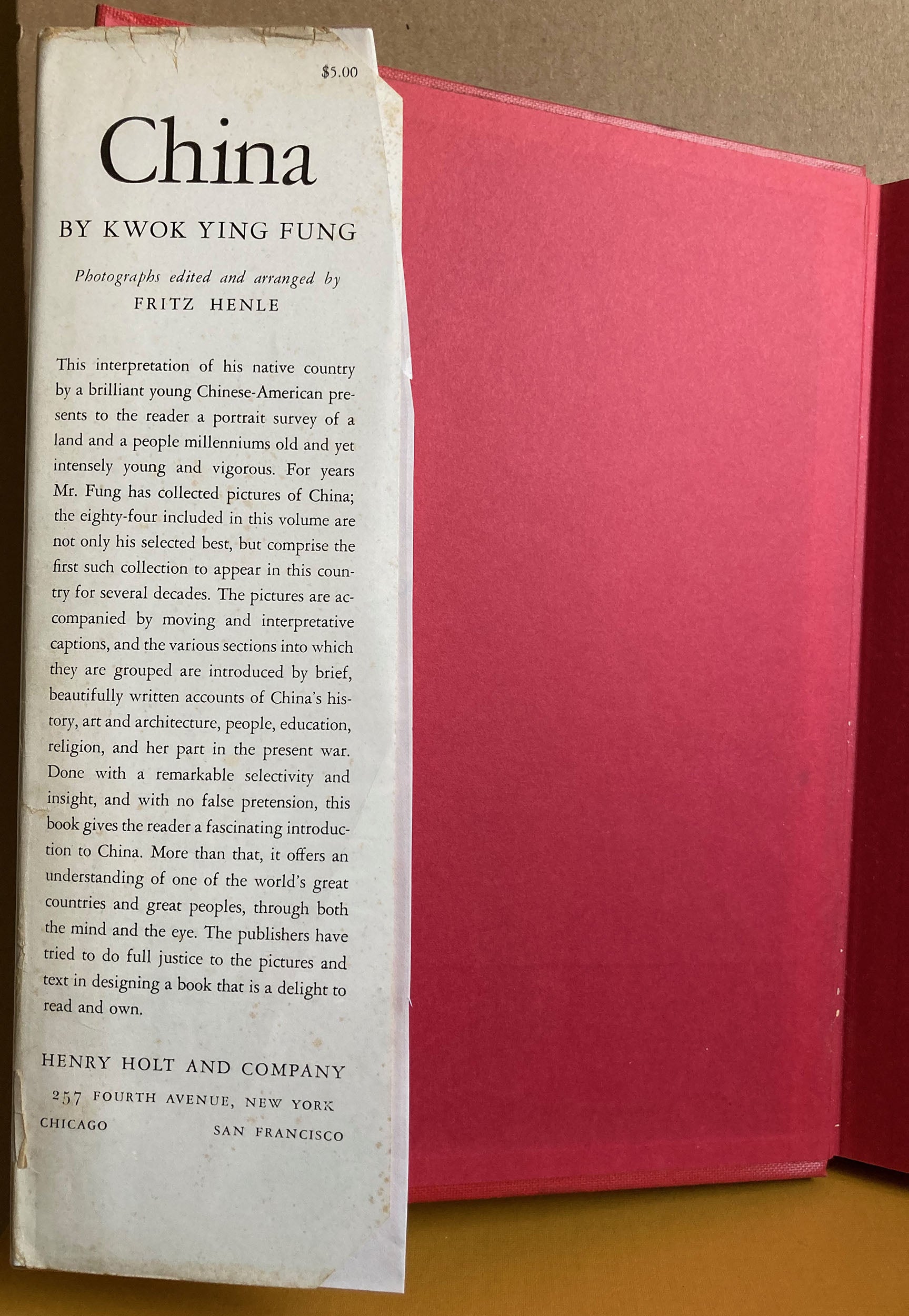
China by Kwok Ying Fung with Fritz Henle. Henry Holt & Co., 1943, with dust jacket.
China by Kwok Ying Fung with Fritz Henle. Henry Holt & Co., 1943, with dust jacket.
Couldn't load pickup availability
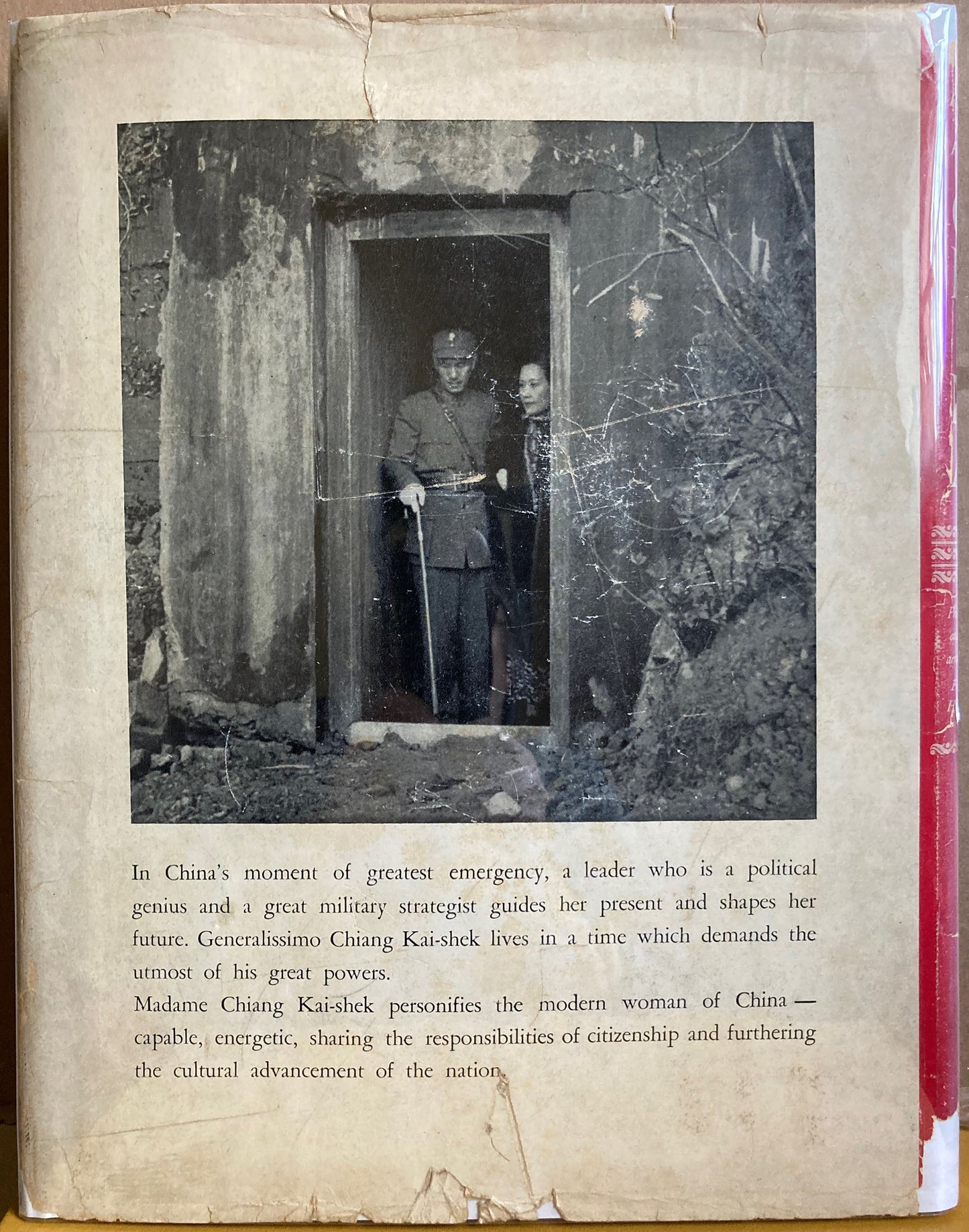
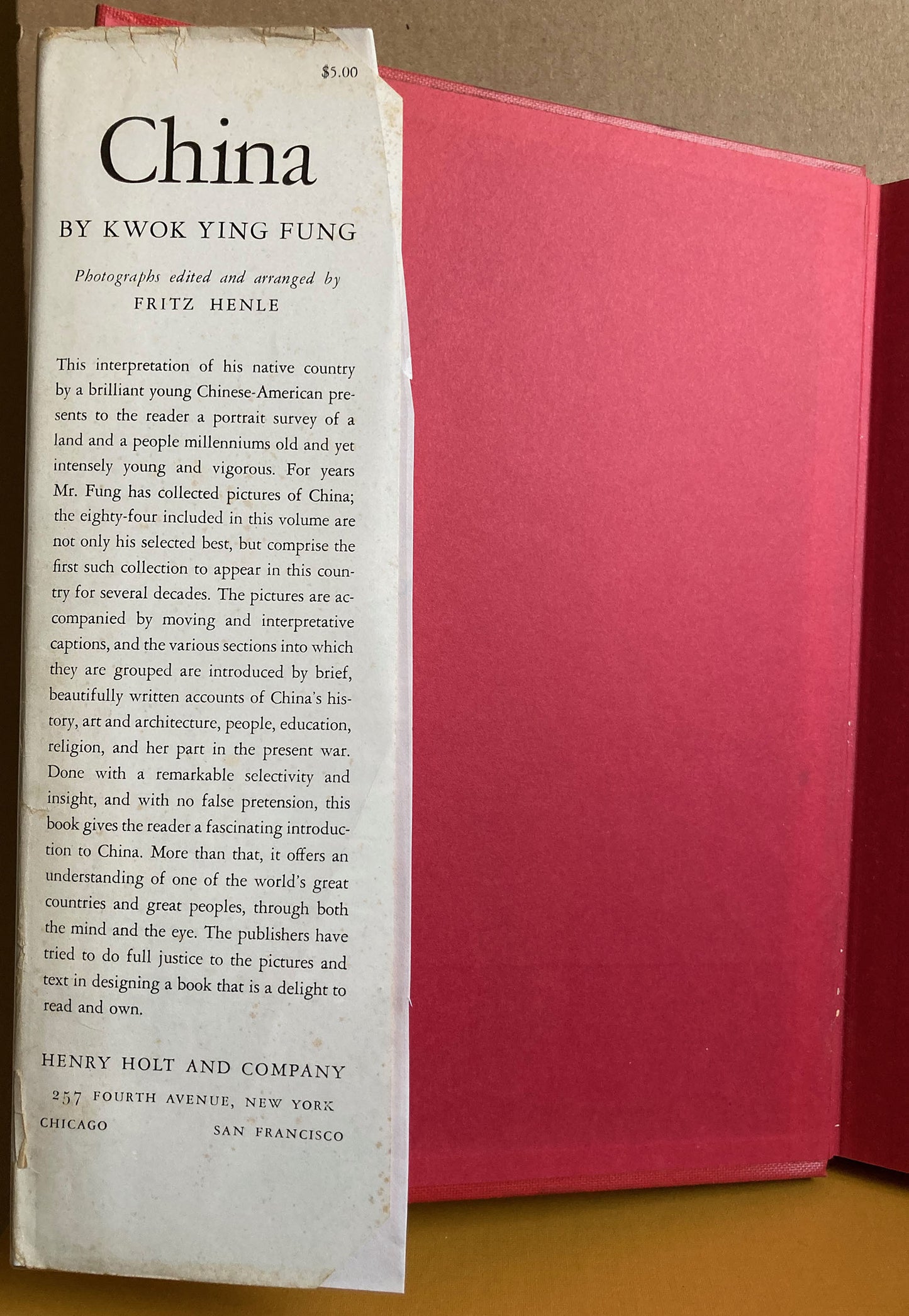
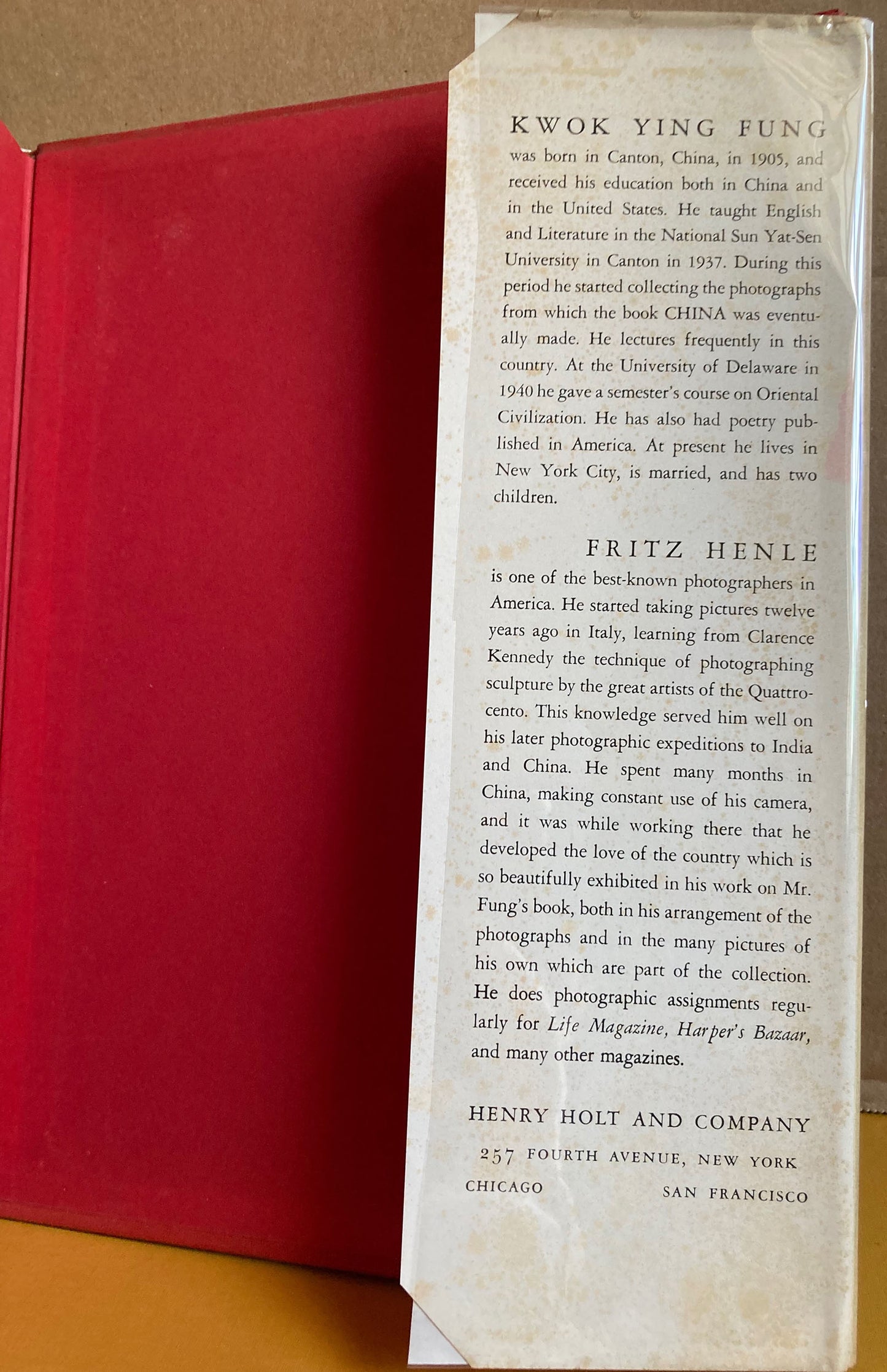
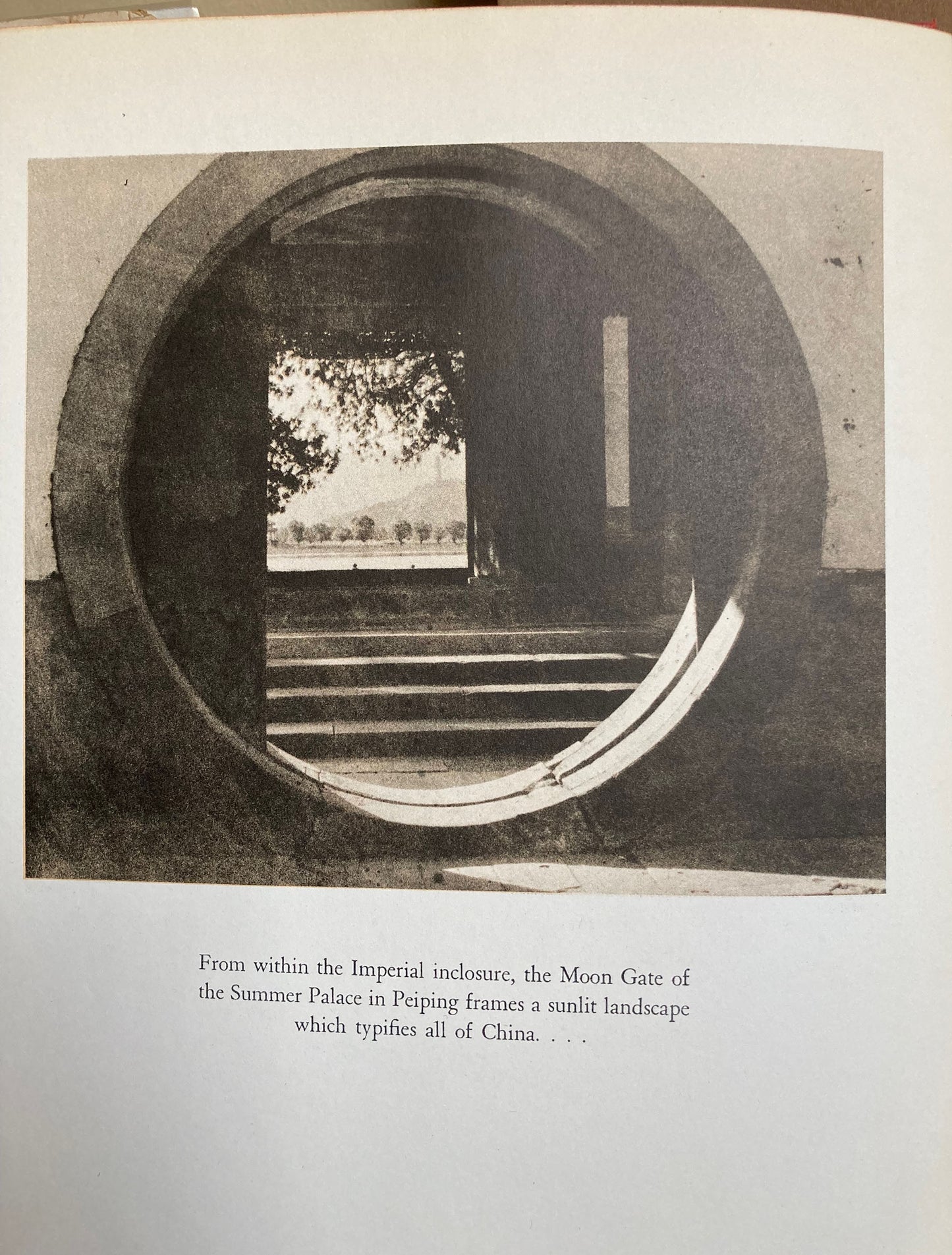
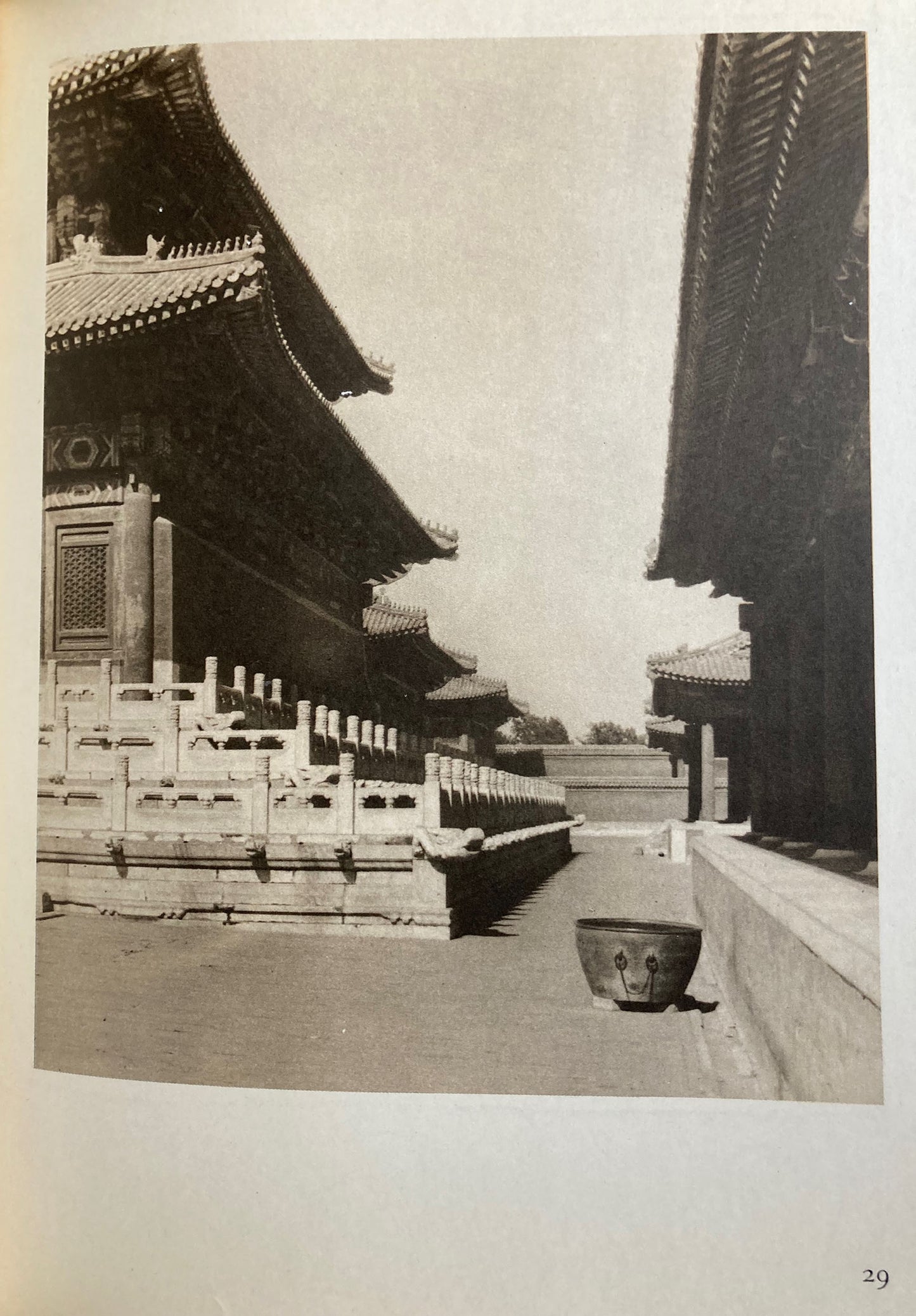
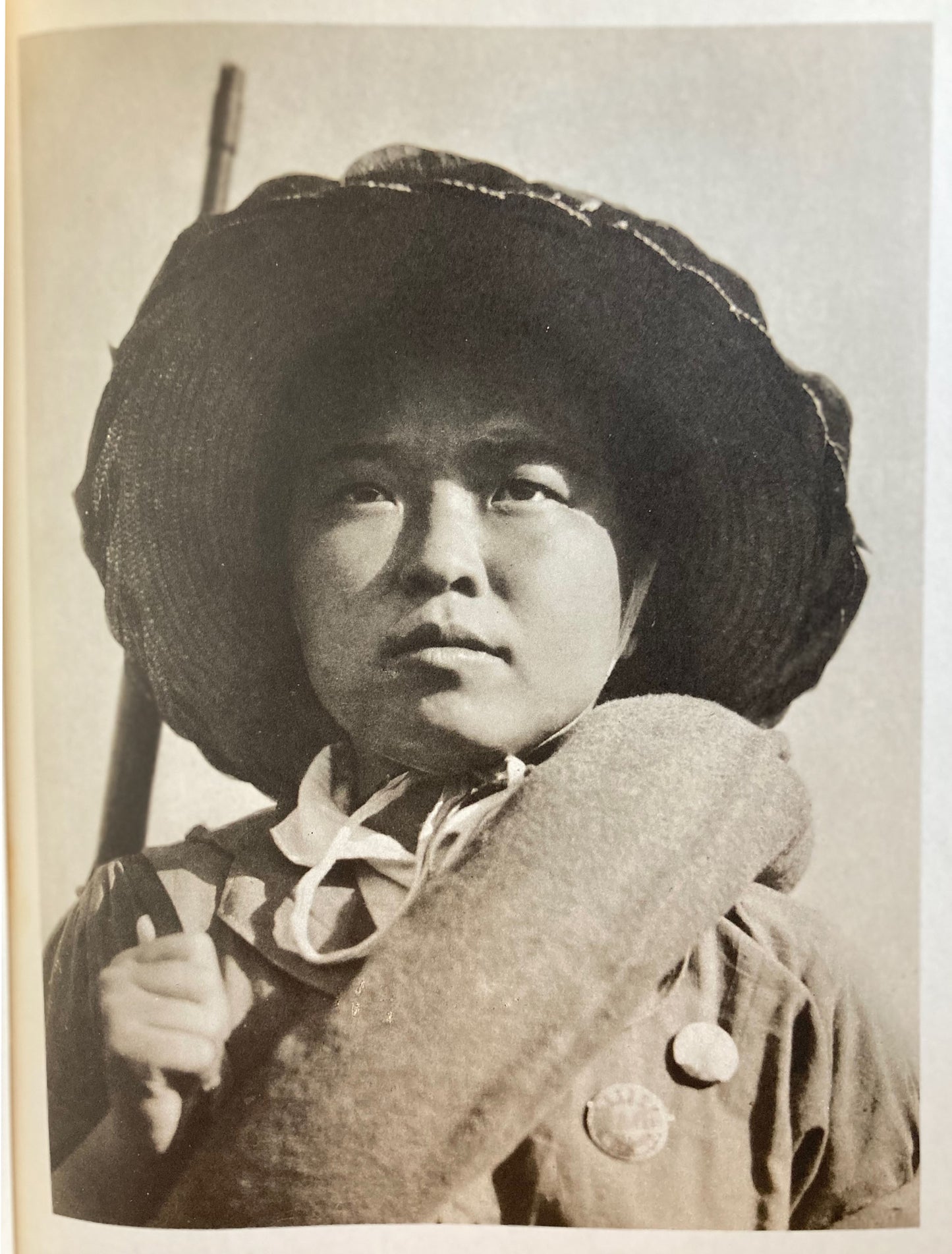
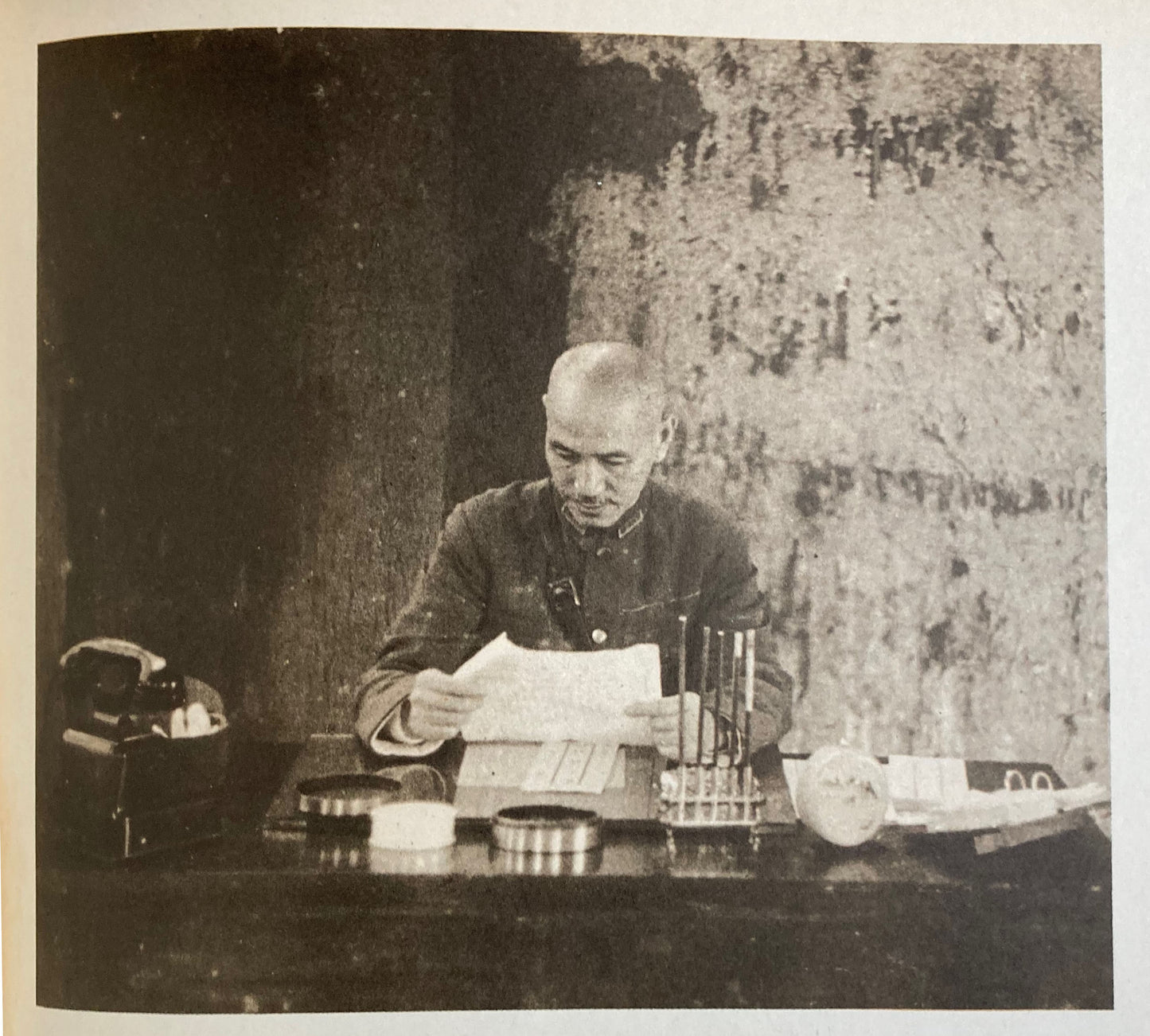
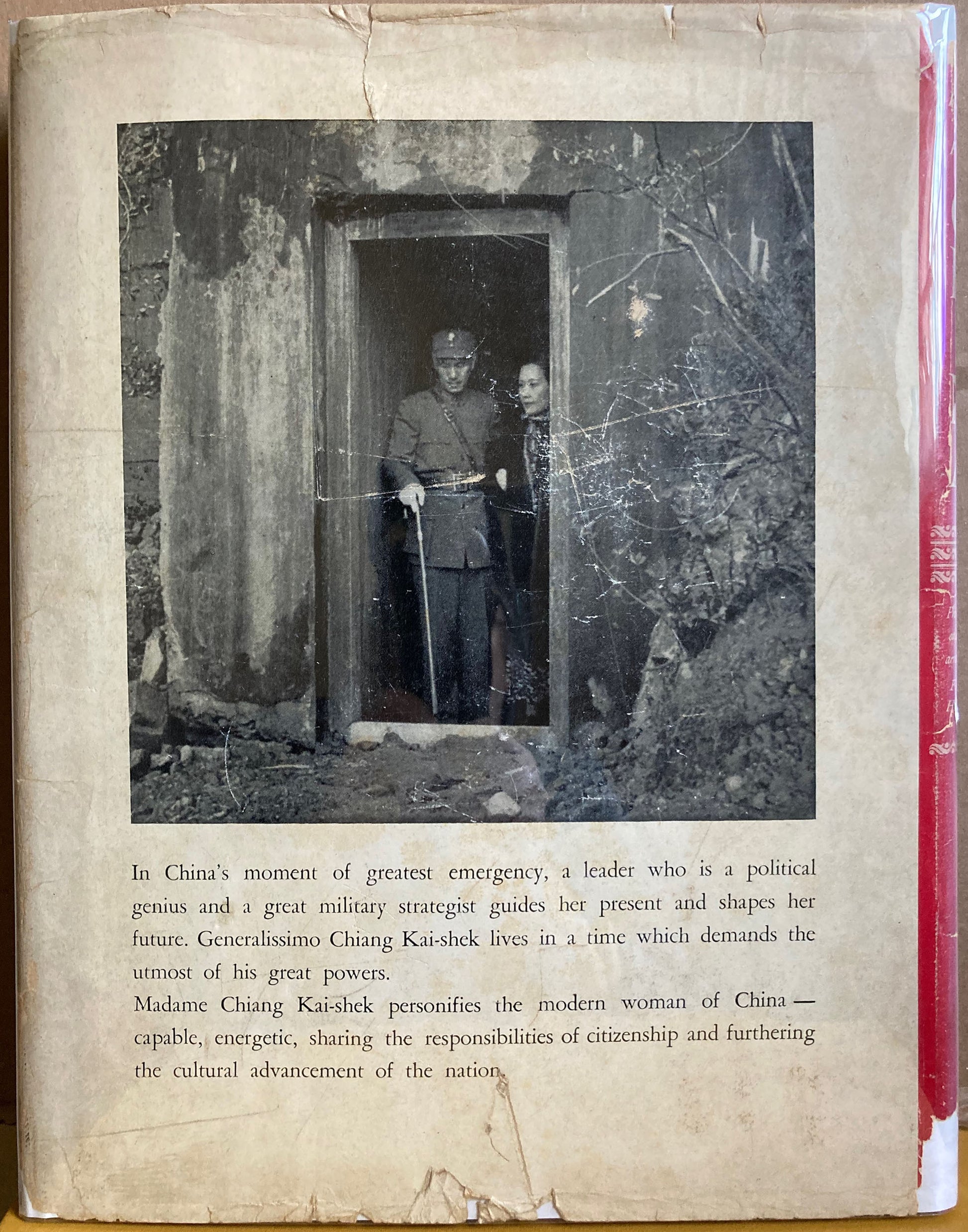
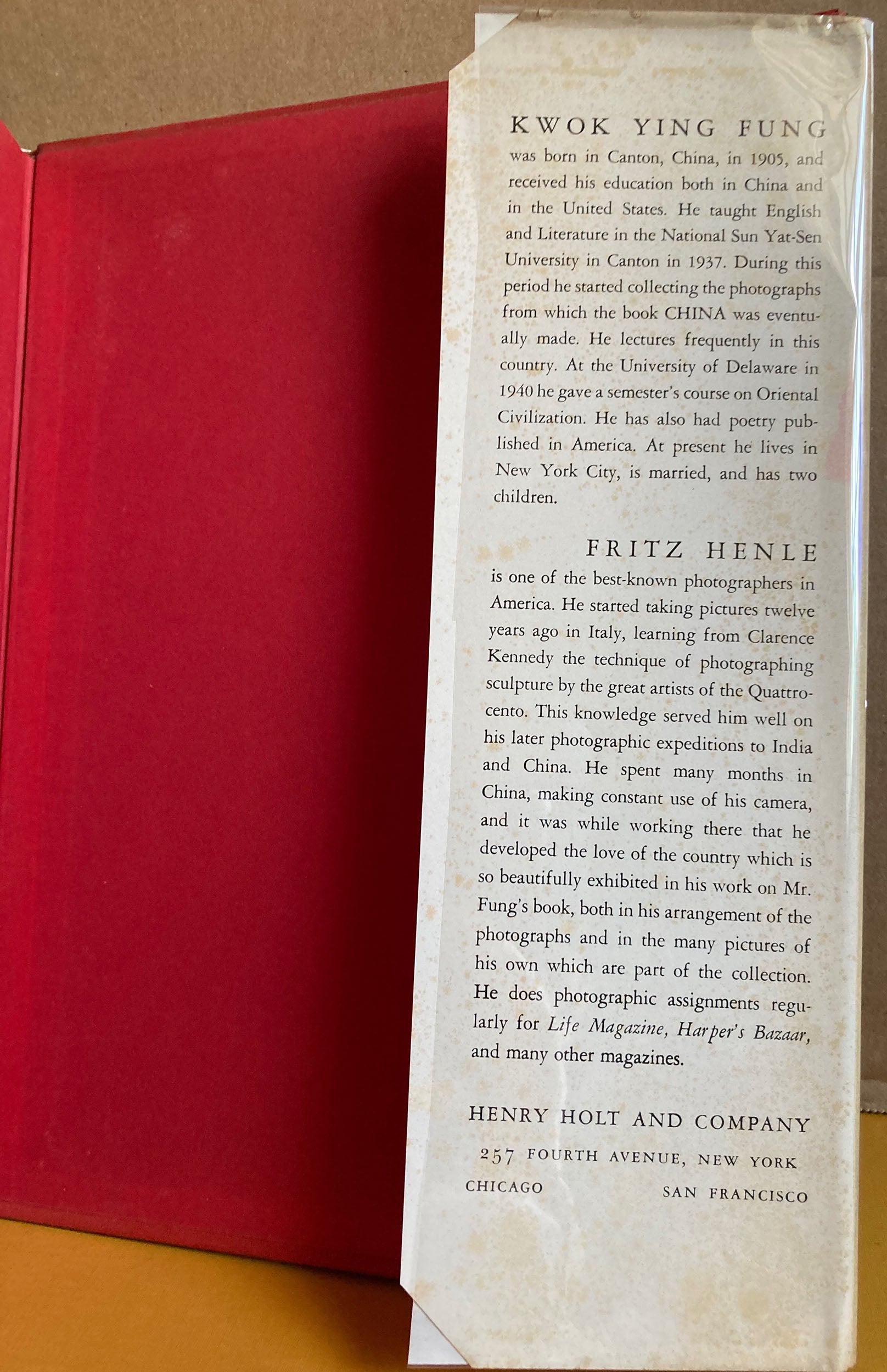
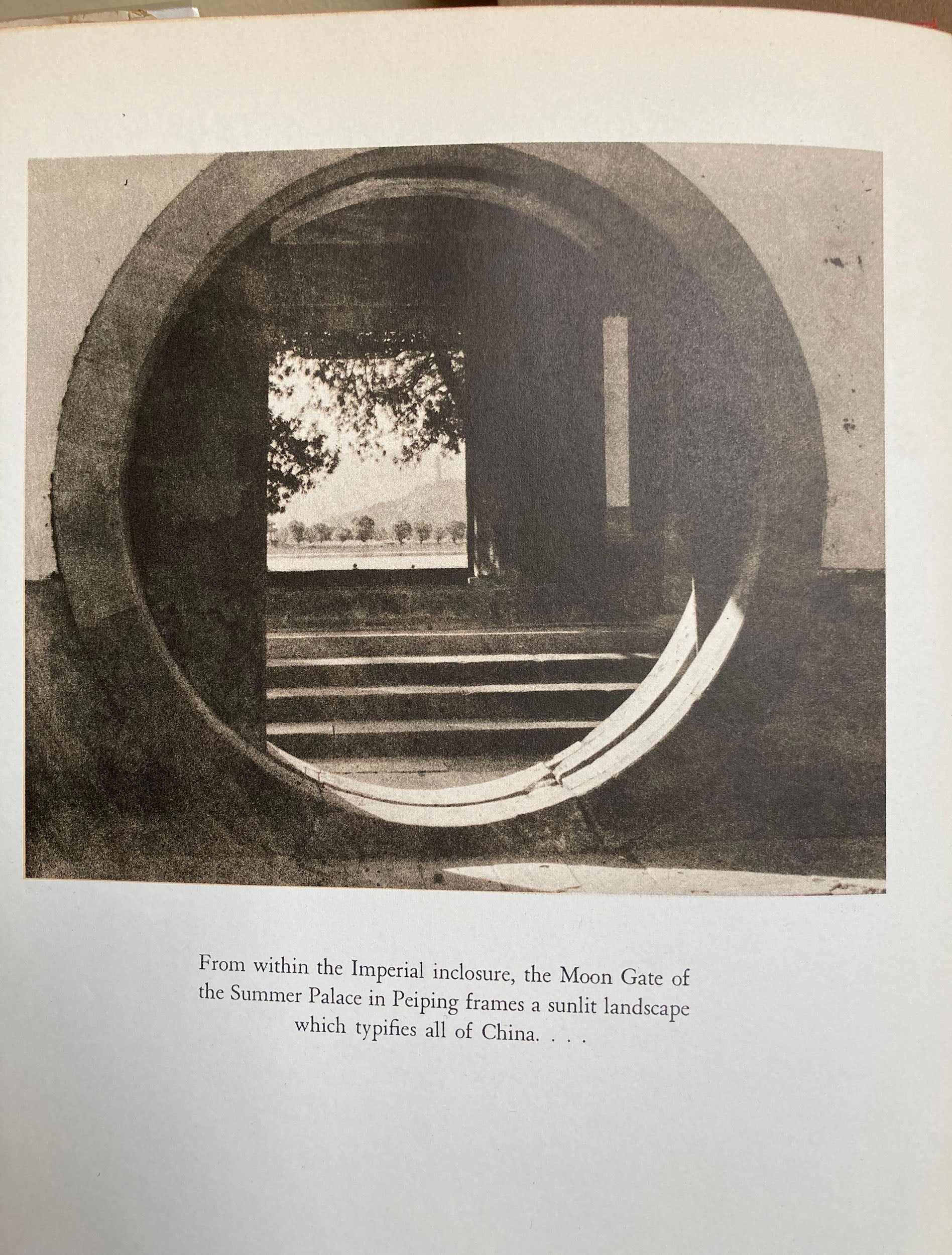
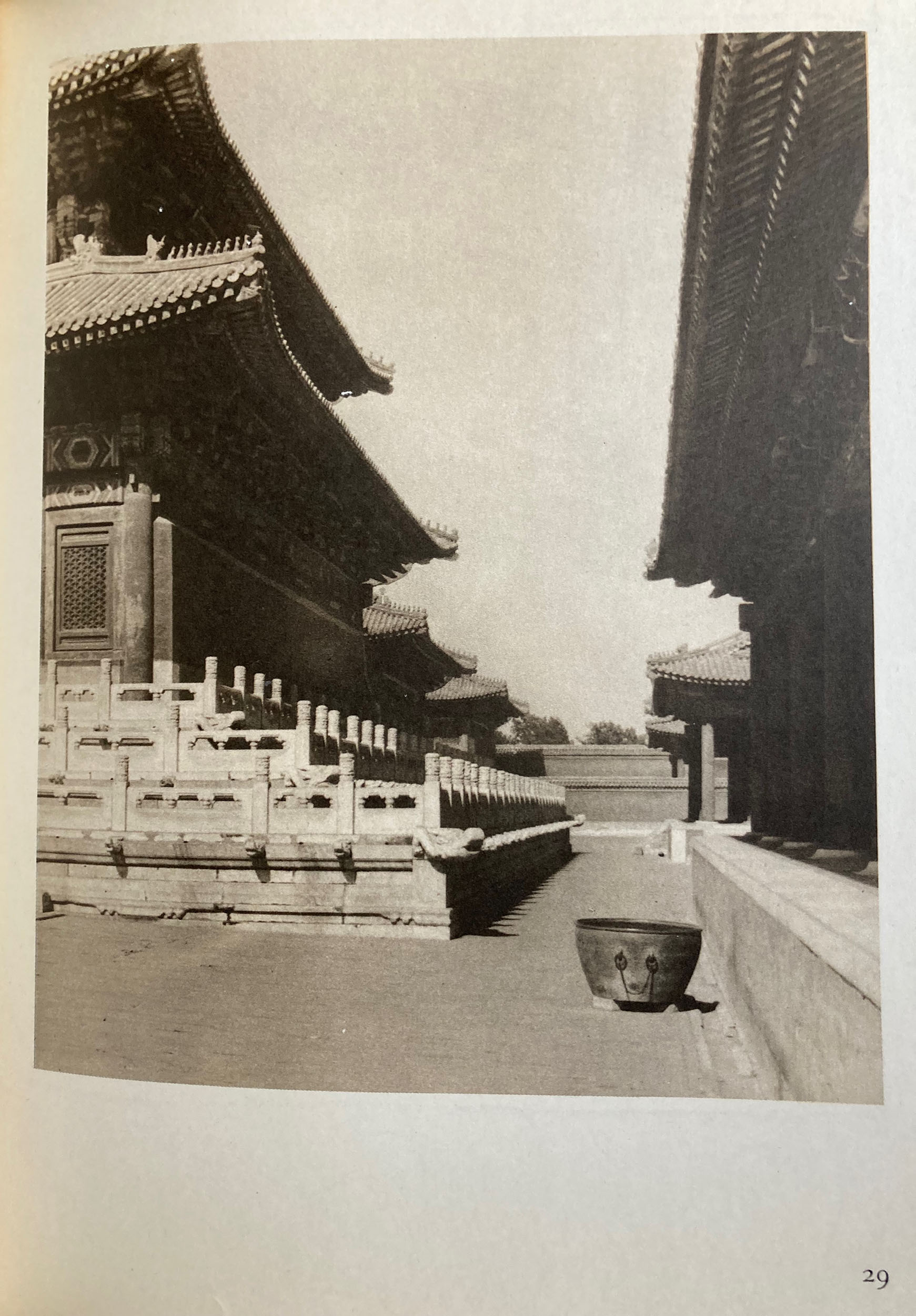
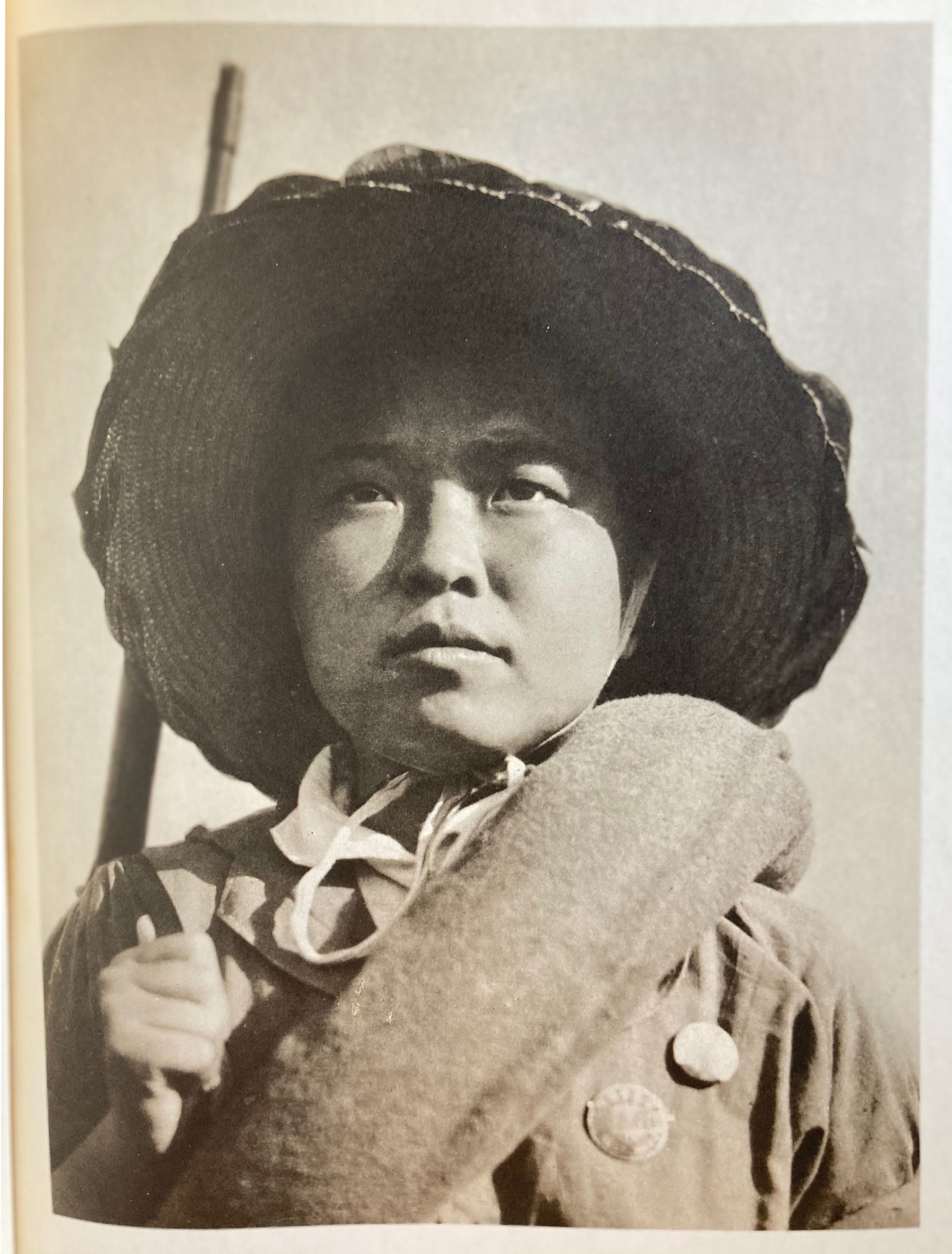
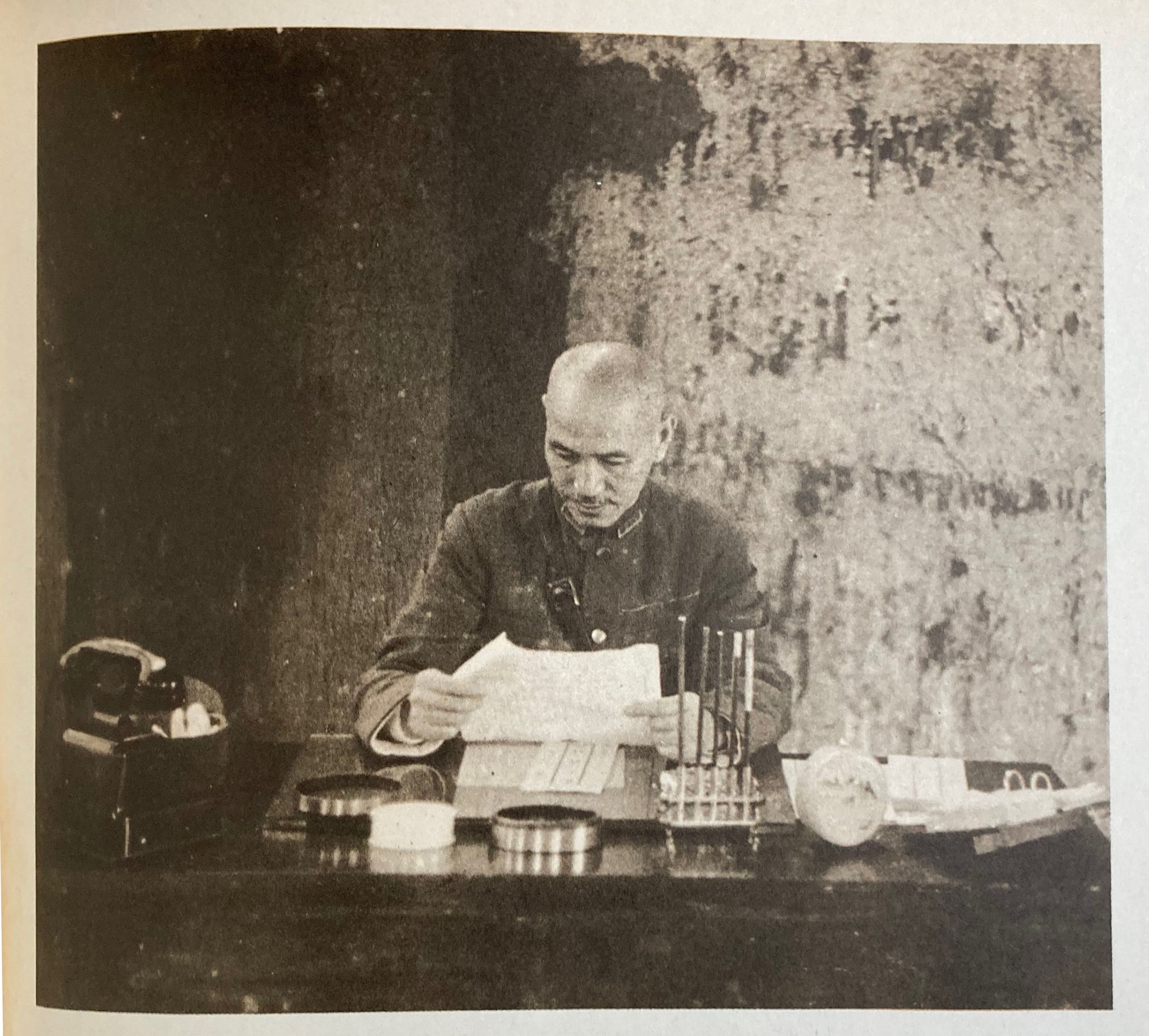
Very good plus hardcover in red cloth with protected, fair dust jacket with edge wear and piece missing from front panel. 84 duotone photographs, one to a page with captions on facing page. Uncommon with a dust jacket. Photographs edited and arranged by Fritz Henle, who is credited with 23, with 11 by Sidney D. Gamble, 7 by Pun Leuk Loo, 6 by Man Li Hung, and remainder by others. Text by Kwok Ying Fung, a Chinese American writer who began collecting some of the photos in the 1930s while teaching English at Sun Yat Sen University. Portrays the Republic of China before the Communist takeover, during World War II when led by Chiang Kai-shek, two photos of whom are included, one on back cover with his wife. Note: An album of Kwok Ying Fung photographs of the College of William and Mary taken around 1965 is in the college’s Special Collections Research Center. Summary:
China (1943), a collaboration between editor Kwok Ying Fung and the renowned photographer Fritz Henle, is a significant wartime "cultural portrait" published at a pivotal moment in Sino-American relations. The book was designed to introduce the American public to the spirit, history, and resilience of the Chinese people during their resistance against Japanese occupation, blending ancient tradition with the burgeoning "Modernist" energy of the 1940s.
Core Themes and Narrative
-
The "Indomitable Spirit": Published during the height of World War II, the book carries a clear message of solidarity. It portrays China not just as a victim of war, but as a sophisticated, ancient civilization transitioning into a modern powerhouse.
-
Continuity of Culture: The text and images emphasize the balance between China’s 4,000-year history—monuments, temples, and traditional crafts—and the faces of its modern citizens: students, soldiers, and laborers.
-
The Human Landscape: Unlike purely architectural surveys, Henle and Fung focus on the "humanity" of the landscape. They capture the dignity of the peasant and the intellectual alike, providing a "Personal Finish" to a nation often viewed through abstract geopolitical lenses.
Visual and Technical Mastery
-
Fritz Henle’s "Rolleiflex" Eye: Known as the "Mr. Rollei" of his era, Henle used the square format to create incredibly balanced, clean compositions. His prints are characterized by brilliant highlights and deep, rich blacks, typical of high-quality mid-century gravure printing.
-
Atmospheric Clarity: Henle’s style avoids the "messiness" of traditional newsreel photography. Instead, he applies a Classical touch to his subjects, making even a crowded marketplace or a bombed-out street feel like a composed work of art.
- Fritz Henle (1909–1993) was a prolific German-born American photojournalist, fashion, and travel photographer dubbed "Mr. Rollei" for his lifelong mastery of the square-format Rolleiflex medium-format twin-lens camera. Born in Dortmund, Germany, Henle studied at the Bayerische Staatslehranstalt für Lichtbildwesen in Munich before embarking on extensive photojournalistic assignments across Italy, China, and Japan in the 1930s. Emigrating to the United States in 1936 to escape Nazi Germany, he quickly established himself as a versatile freelance photojournalist, contributing high-profile work to major national periodicals including Life, Harper's Bazaar, Mademoiselle, and Holiday. Renowned for his crisp compositions, elegant use of natural light, and refined square framing, Henle photographed subjects ranging from industrial landscapes and fashion icons to intimate portraits of artist Frida Kahlo and street life in Mexico and the Caribbean. In 1958, he relocated permanently to St. Croix in the U.S. Virgin Islands, continuing to produce over 19 photobooks and technical guides on medium-format technique, cementing his reputation as one of the mid-20th century's most accomplished and versatile visual chroniclers.