Gary Saretzky Photo Books
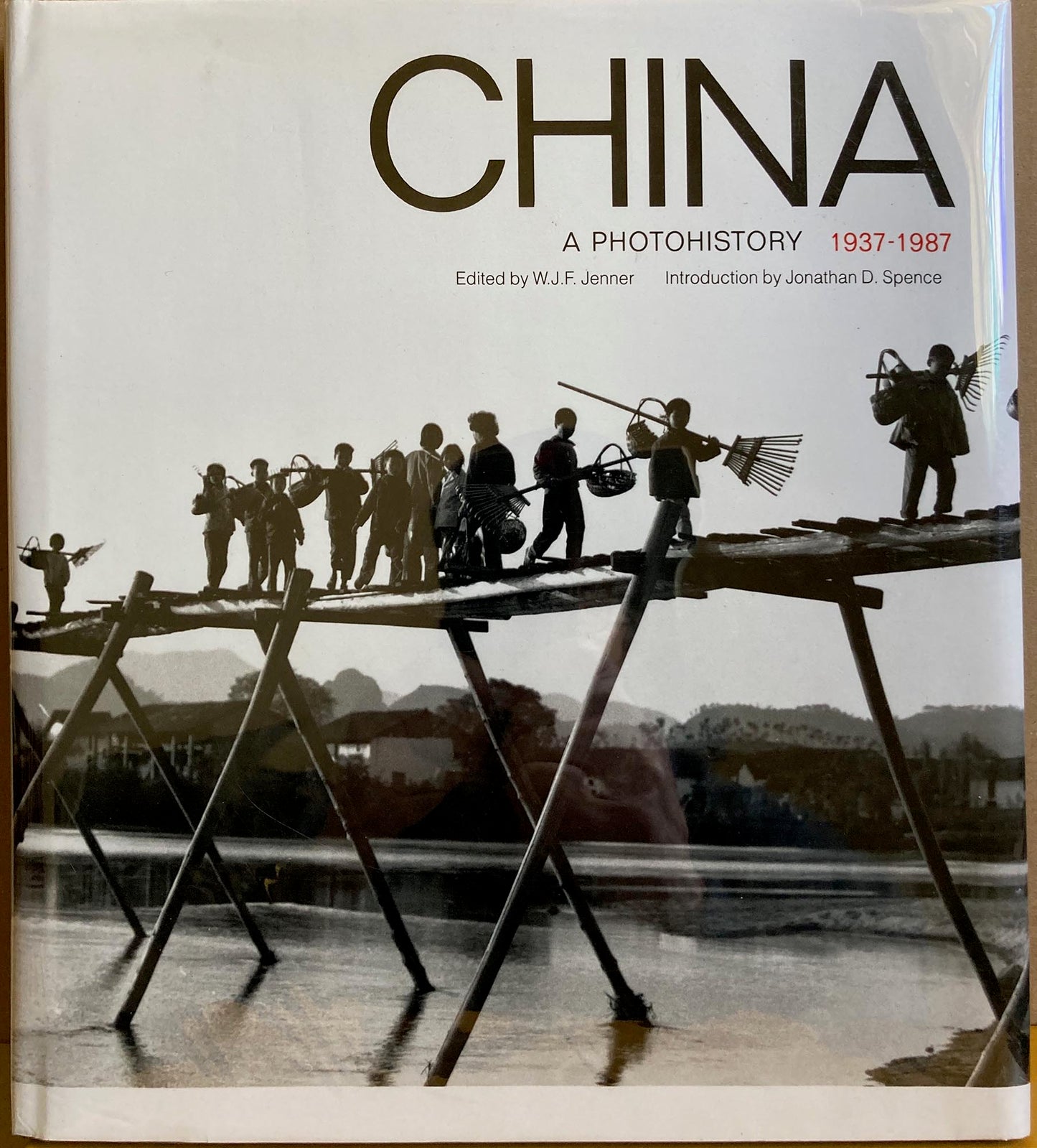
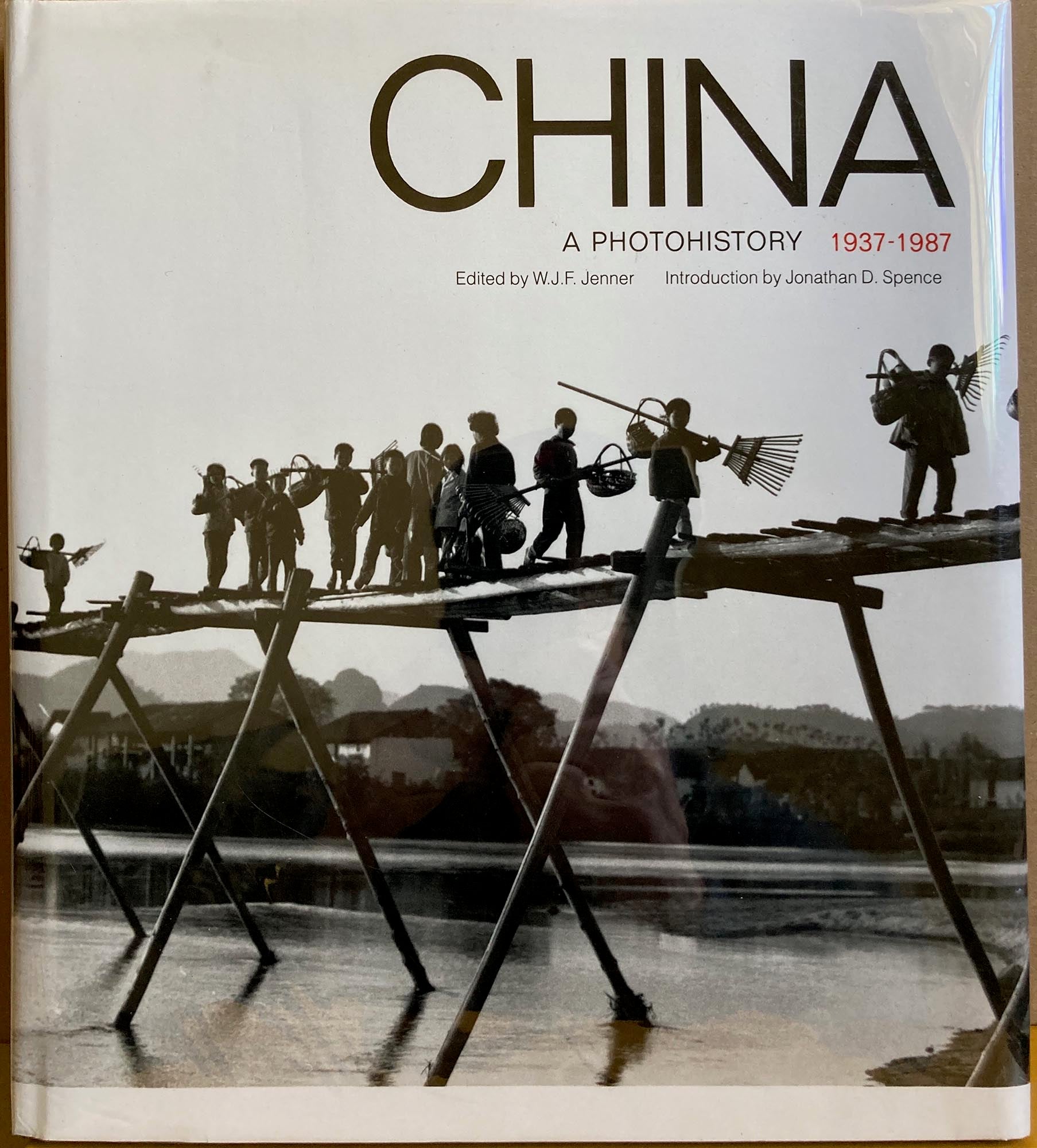
China: A Photohistory, 1937-1987, edited by W.J.F. Jenner.
China: A Photohistory, 1937-1987, edited by W.J.F. Jenner.
Couldn't load pickup availability
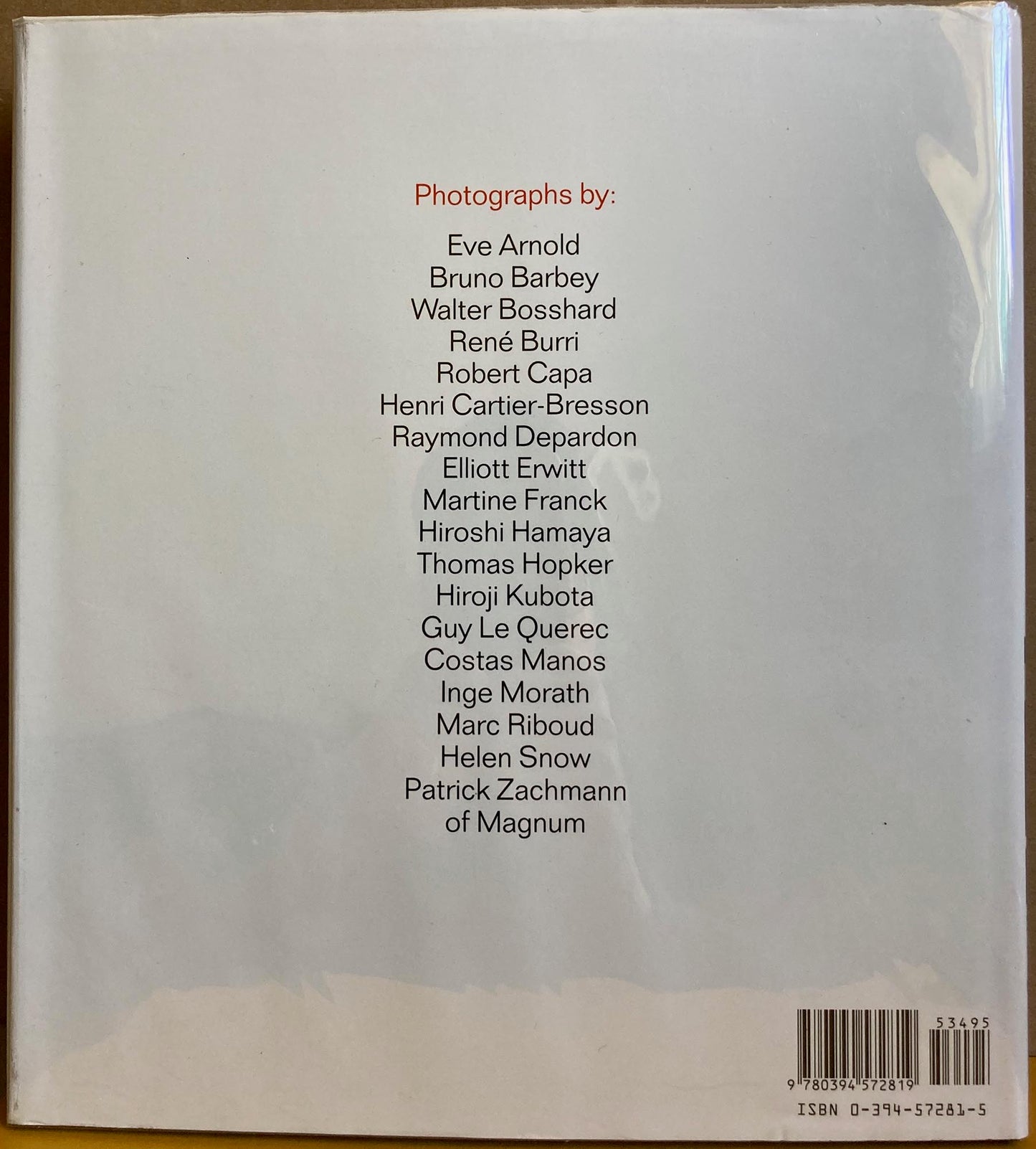
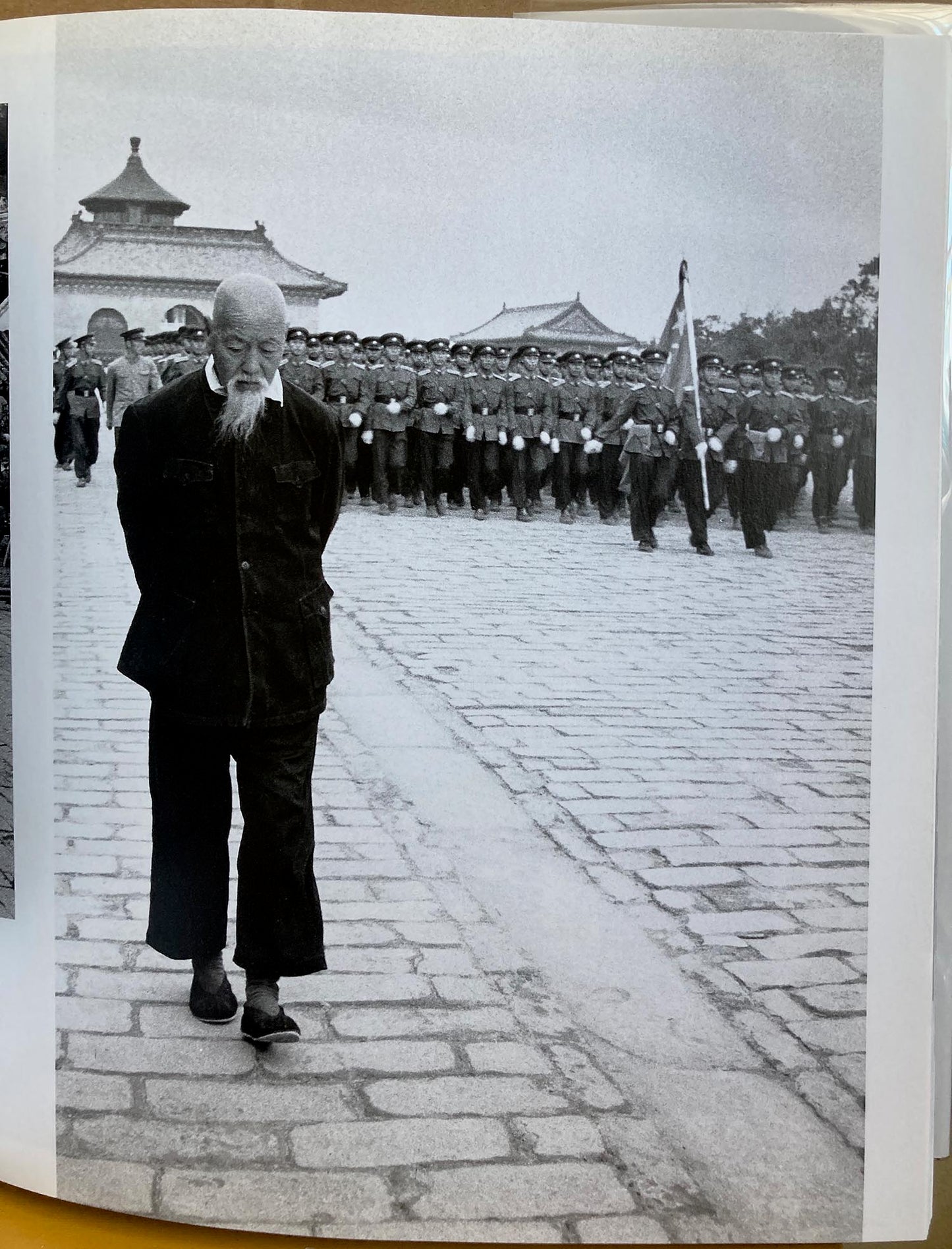
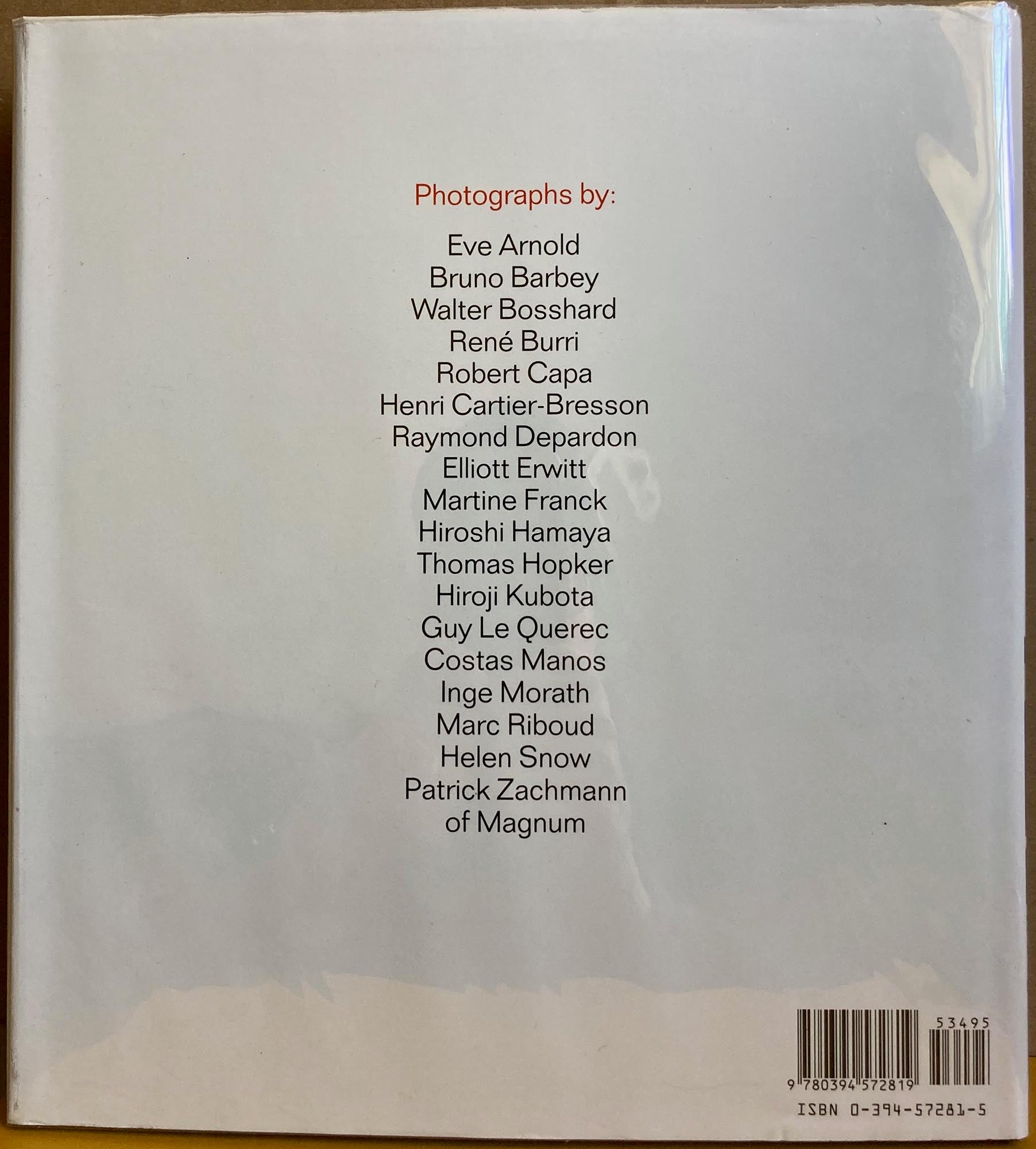
Pantheon, 1888. First U.S. edition, fine hardcover with fine protected dust jacket. Copyrighted by Thames & Hudson, London. Introduction by Jonathan D. Spence. 200 pages with black and white documentary photographs from the Magnum archives by notable photographers: Eve Arnold, Rene Burri, Robert Capa, Henri Cartier-Bresson, Elliott Erwitt, Inge Morath, Marc Riboud, Bruno Barbey, Walter Bosshard, Raymond Depardon, Martine Franck, Hiroshi Hamaya, Thomas Hopker, Hiroji Kubota, Guy Le Quebec, Costas Manos, Helen Snow, and Patrick Zachmann. Chapters: Timeless China; Tides of War; Under Mao; and Towards the Twenty-first Century. Includes chronology and index by photographer. Summary:
China: A Photohistory, 1937-1987 is a visually driven historical survey of half a century of modern Chinese history, told primarily through photographs drawn from the archives of Magnum Photos and other major documentary photographers. Edited by British China scholar William John Francis Jenner, the 200-page volume pairs 150 + black-and-white images with Jenner’s historical commentaries and Spence’s introductory framing to trace the dramatic political, social, and cultural transformations China underwent between the late Republic era and the 1980s.
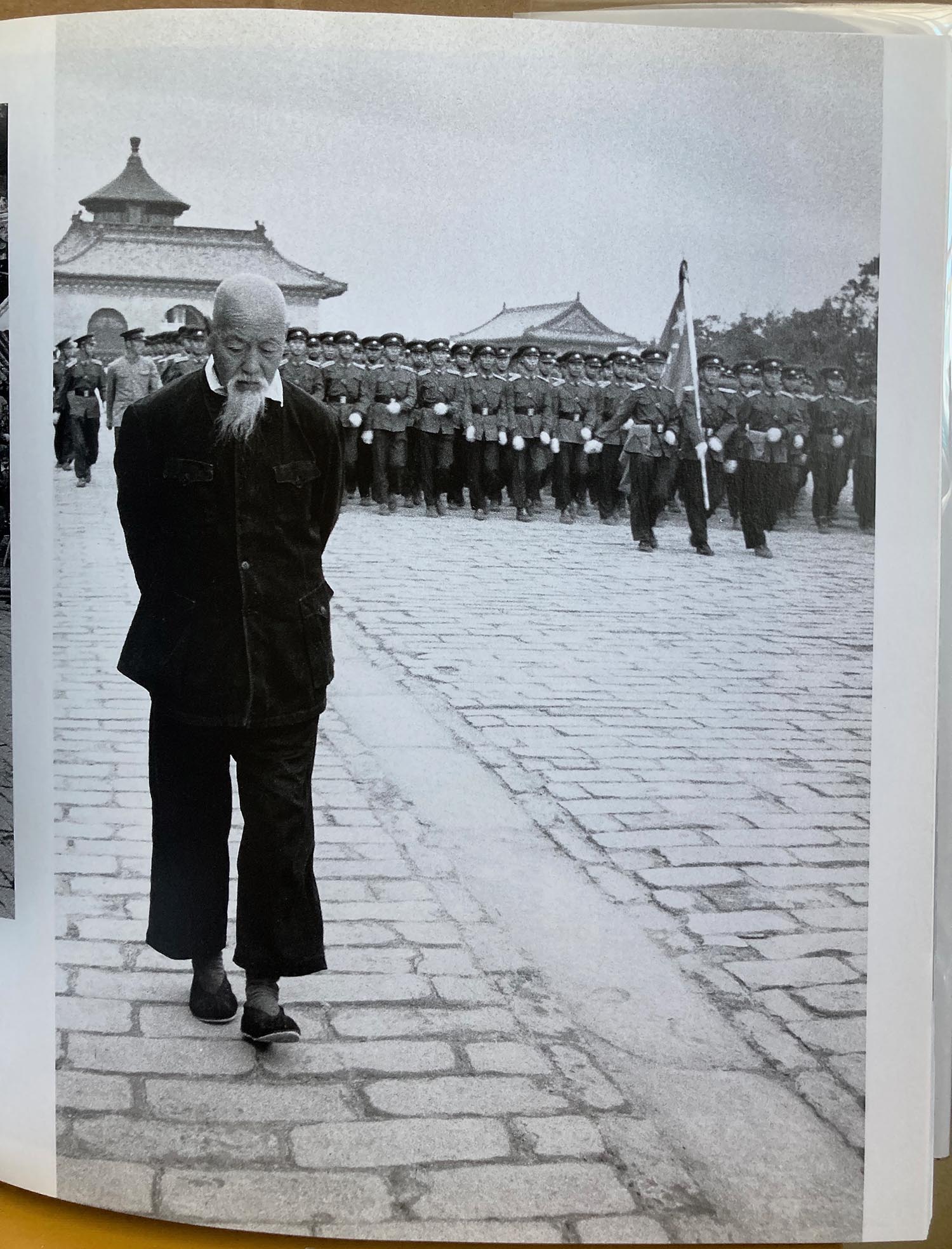
The book is organized roughly into four thematic or chronological sections — from pre-World War II “Timeless China”through the upheavals of the Sino-Japanese War and Chinese Civil War, the revolutionary period under Mao Zedong, and finally the early years of reform and opening up after the Cultural Revolution — using photographs to document both monumental events and quotidian life. Through powerful reportage by photographers such as Henri Cartier-Bresson, Robert Capa, René Burri, Inge Morath, and others, the collection encompasses scenes of warfare, political rallies, rural labor, industrialization, mass movements, urban transformation, and the lives of ordinary Chinese people.
Jenner’s commentaries contextualize the images with succinct historical narrative, helping readers interpret the visual record against the backdrop of major turning points — from conflict and revolution to the consolidation of the People’s Republic and the beginnings of economic reform. Spence’s introduction sets the stage by situating the photohistory within broader scholarly understanding of 20th-century China.
Overall, China: A Photohistory, 1937-1987 combines a wide range of documentary photography with interpretive text to offer an accessible yet nuanced portrait of China in a period of intense change, making it a compelling resource for both general readers and students of modern Chinese history.