Gary Saretzky Photo Books
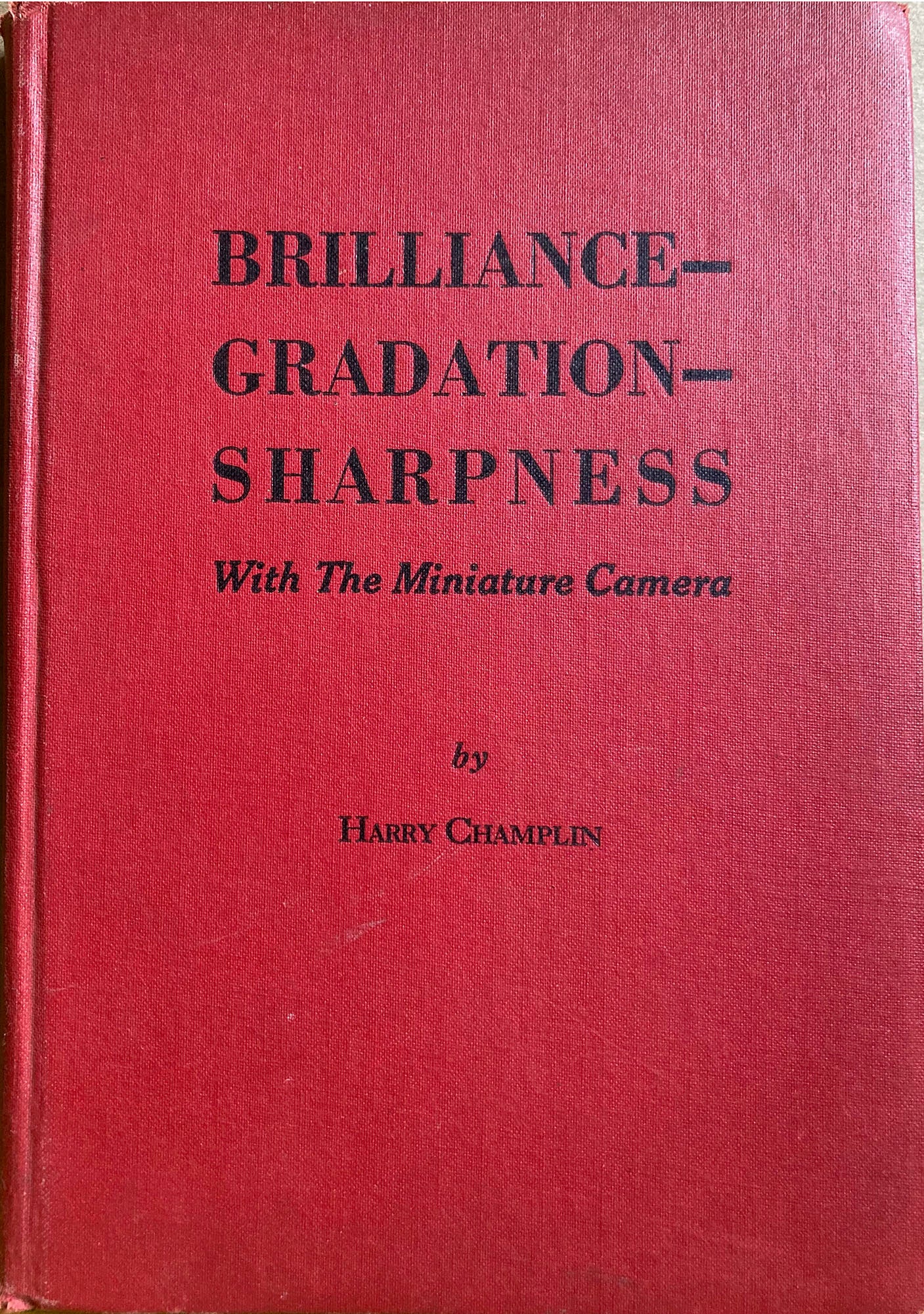
Champlin, Harry. Brilliance–Gradation–Sharpness with The Miniature Camera by Harry Champlin.
Champlin, Harry. Brilliance–Gradation–Sharpness with The Miniature Camera by Harry Champlin.
Couldn't load pickup availability
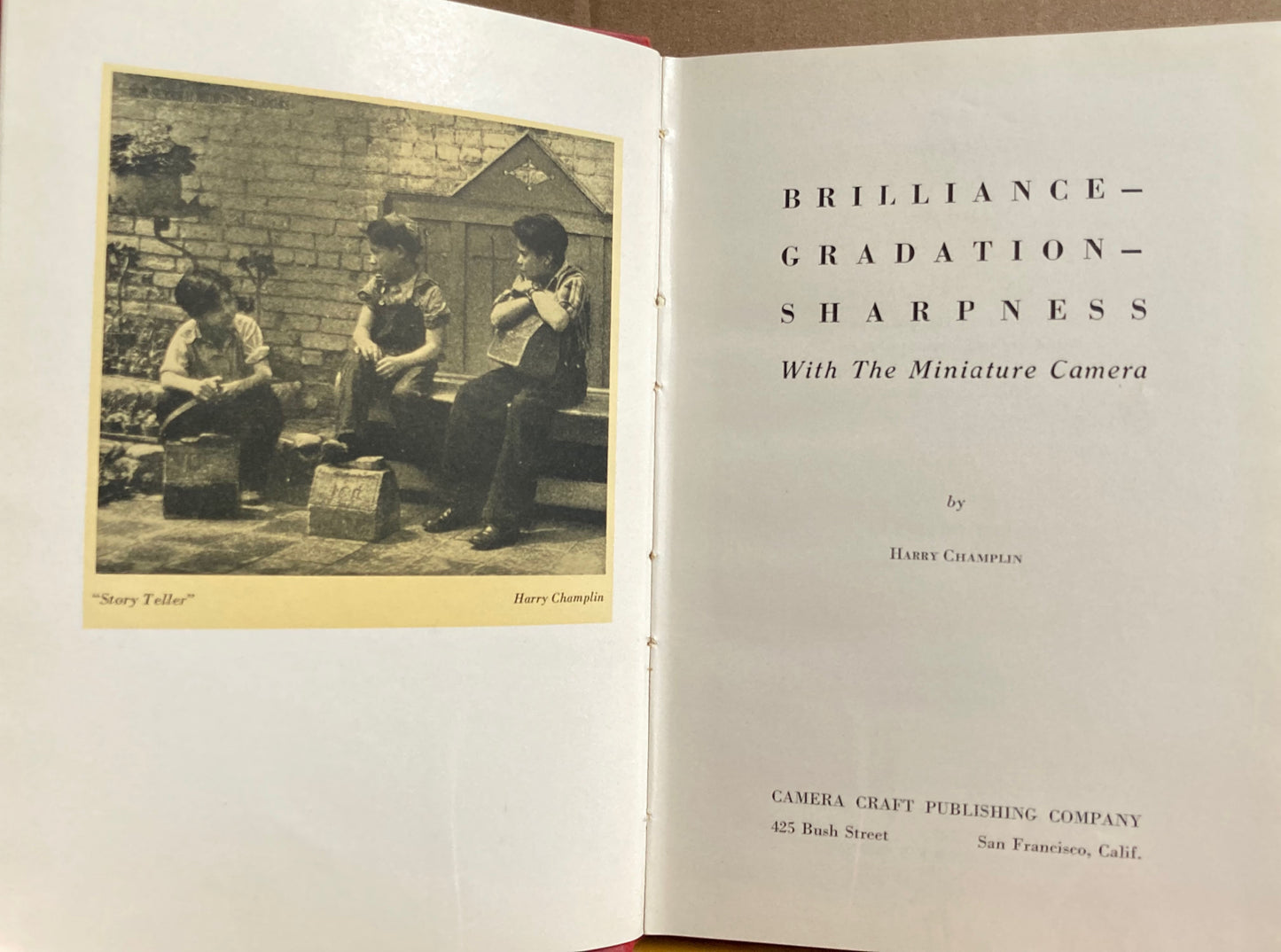
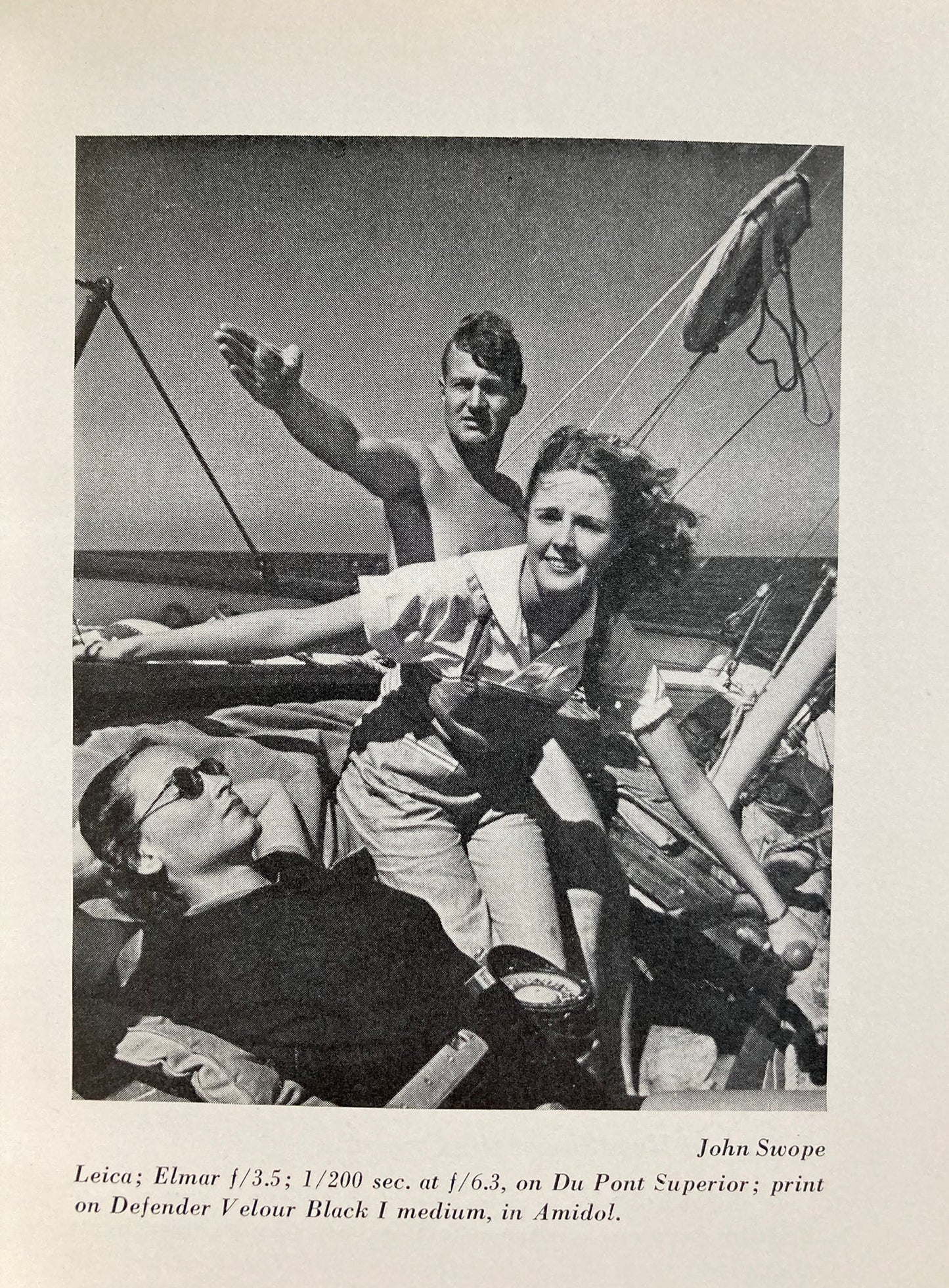
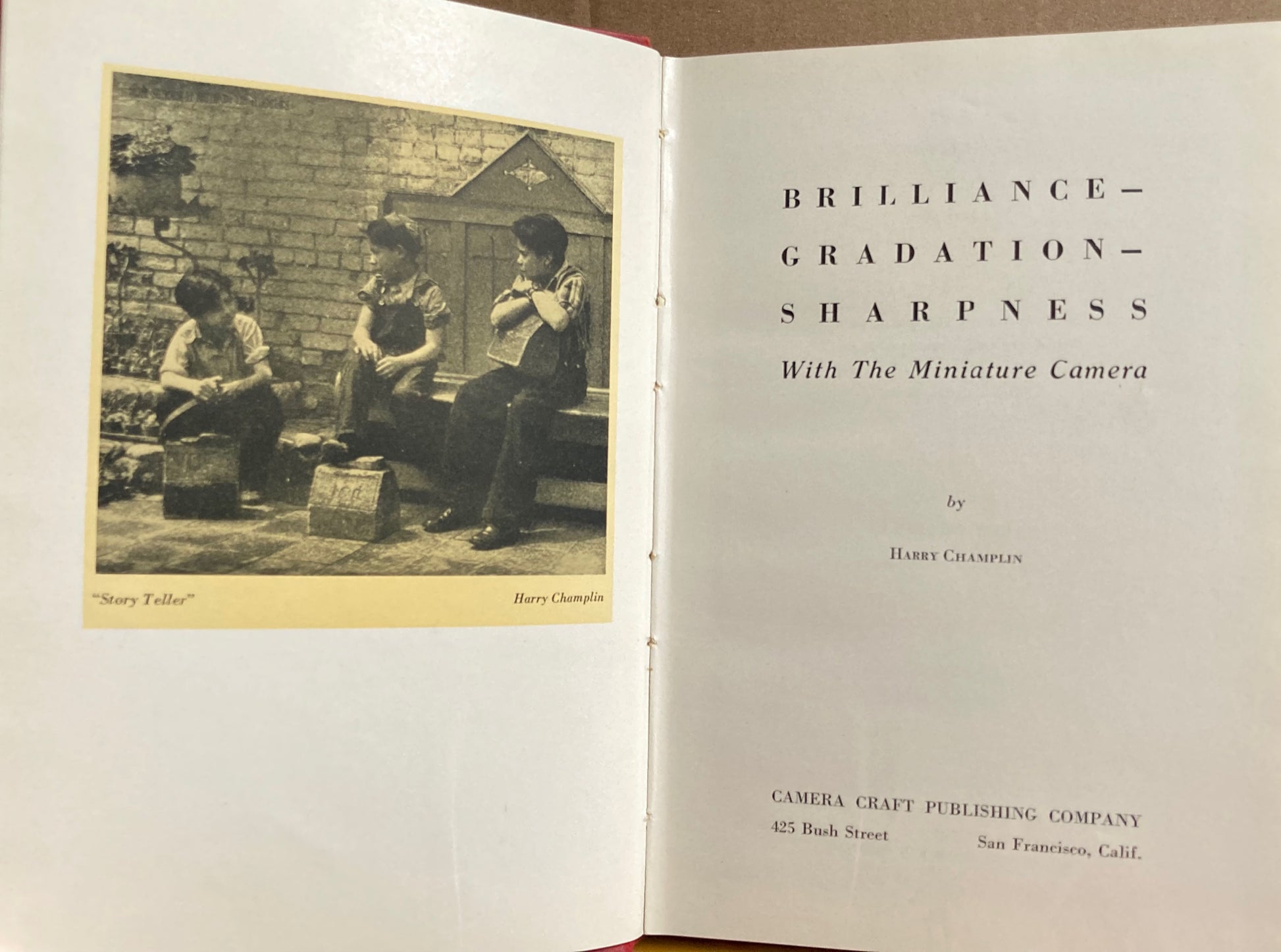
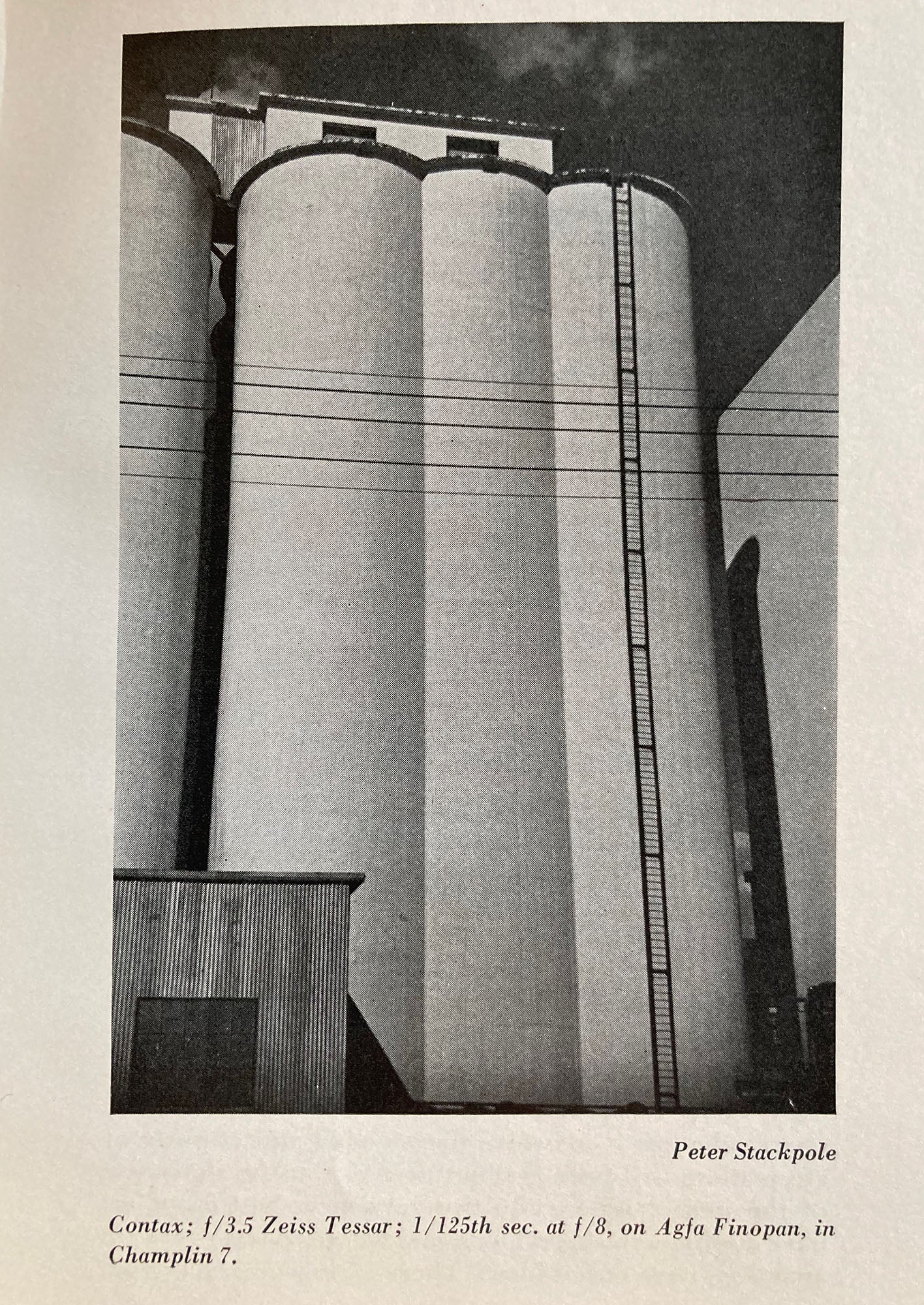
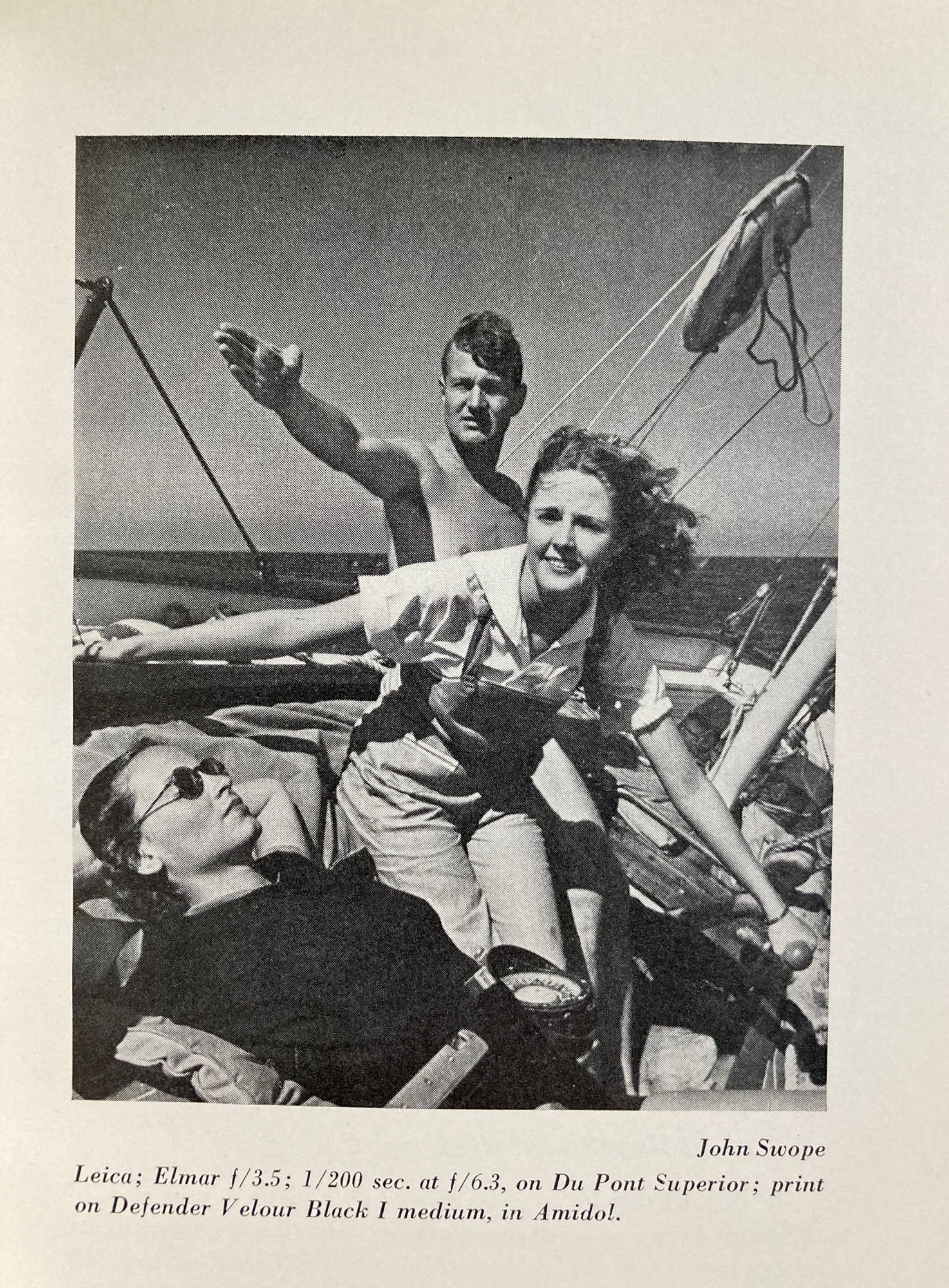
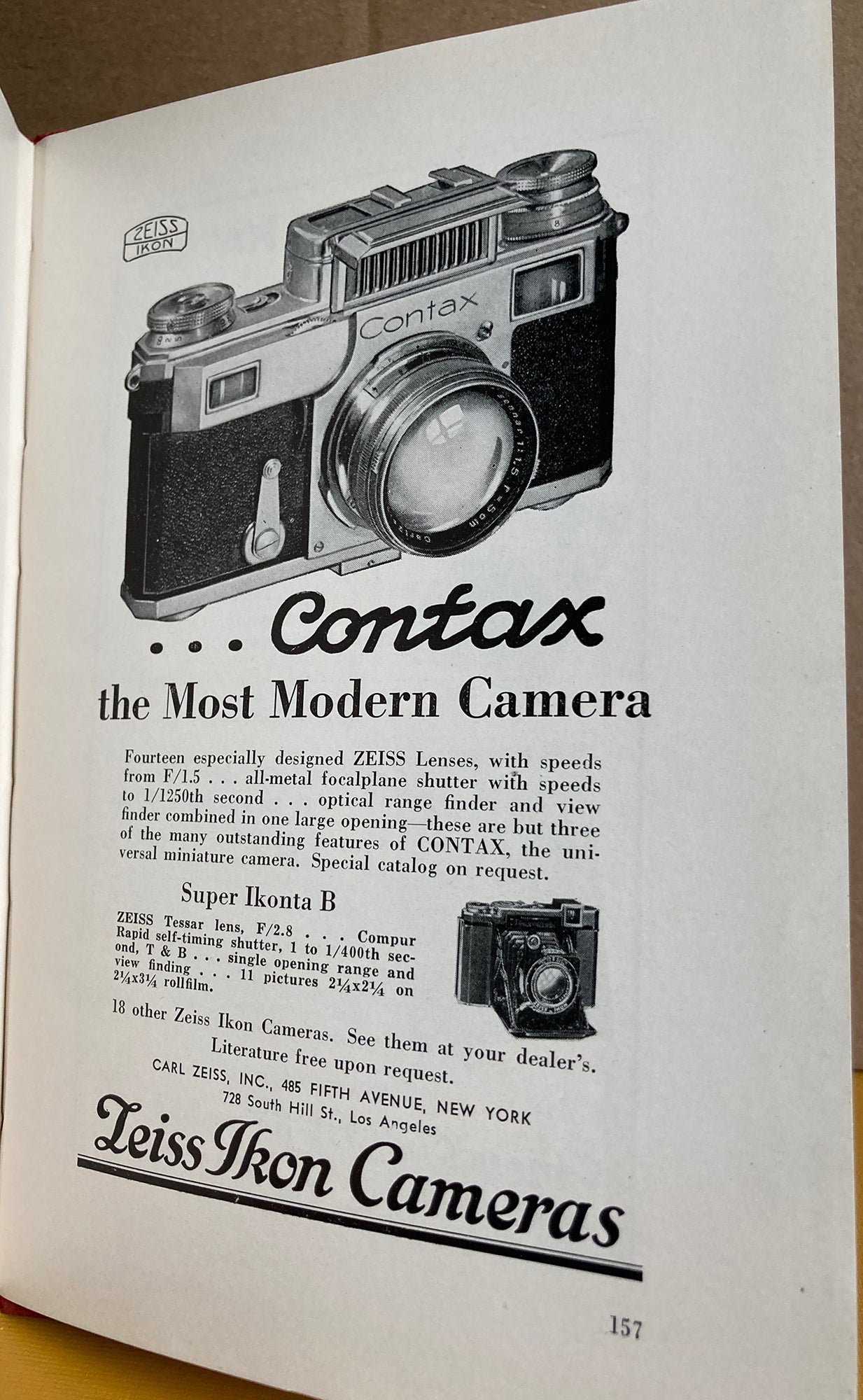
Camera Craft, February 1938. First edition, 1st printing. Hardcover in red cloth without dust jacket. Very good with minor signs of use. 160 pages, including a few pages with ads in the back for Contax cameras, photography books by Marcel Natkin, et al. An informative handbook for analog film photographers. Chapters on lighting, exposure, exposure meters, filters, lenses, developing, speed, handling the camera, camera shutters and shutter speeds, film, and projection printing. Illustrated with half-tone photographs by the author, his wife Evelyn Champlin, Peter Stackpole, John Swope, and others. Summary:
Brilliance–Gradation–Sharpness with The Miniature Camera, published in 1938, is a technical manual by Harry Champlin that served as a foundational guide for the burgeoning community of 35mm "miniature" camera users. Written during the golden age of Leica and Contax, the book provides a rigorous methodology for achieving professional-grade image quality from small-format negatives.
Technical Focus
Champlin’s primary goal was to prove that the "miniature" format could rival larger cameras in detail and tonality by mastering three specific technical attributes:
-
Brilliance: Maximizing contrast and luminosity through precise exposure and lighting control.
-
Gradation: Achieving a smooth, continuous range of gray tones (the "Zone System" equivalent of its day) to ensure detail in both highlights and shadows.
-
Sharpness: Techniques for minimizing camera shake and maximizing the resolving power of the lens and film grain.
Key Contributions
-
Chemistry and Development: Champlin was famous for his proprietary chemical formulas (such as Champlin 15 and Champlin 16). A significant portion of the book is dedicated to "fine-grain" development, which was essential for enlarging 35mm film without losing clarity.
-
The "Perfect Negative": He emphasizes a "standardized" workflow, arguing that consistent results come from a scientific understanding of how specific film emulsions react to different developers.
-
Equipment Optimization: The text offers practical advice on using filters, choosing the right film speeds, and the mechanical nuances of 1930s rangefinder cameras.
Historical Significance
At a time when many traditionalists dismissed the 35mm camera as a "toy," Champlin’s book provided the technical legitimacy needed to elevate small-format photography to a fine art. It remains a fascinating look at the chemistry-heavy era of the darkroom, where the photographer was as much a scientist as an artist.