Gary Saretzky Photo Books
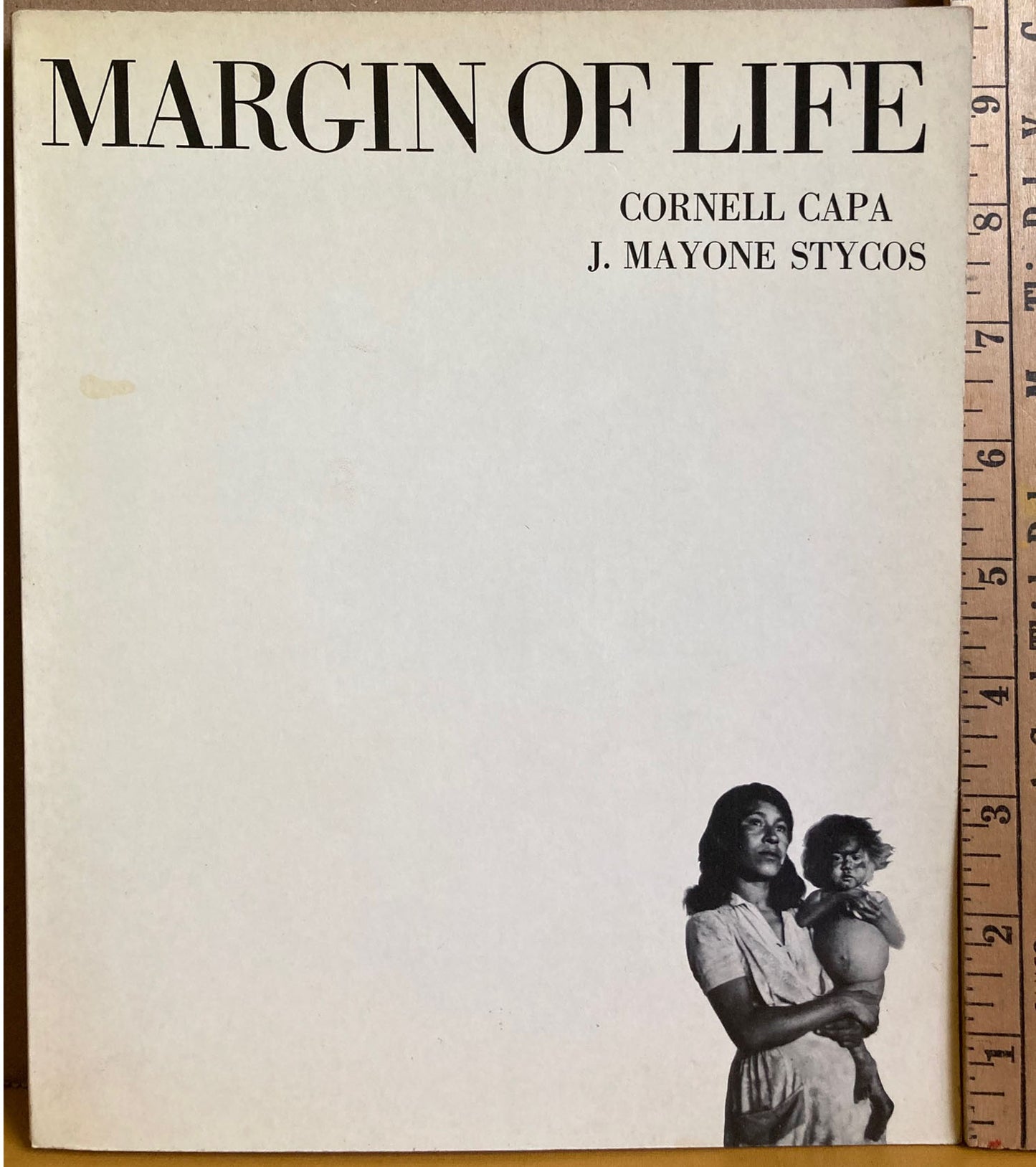
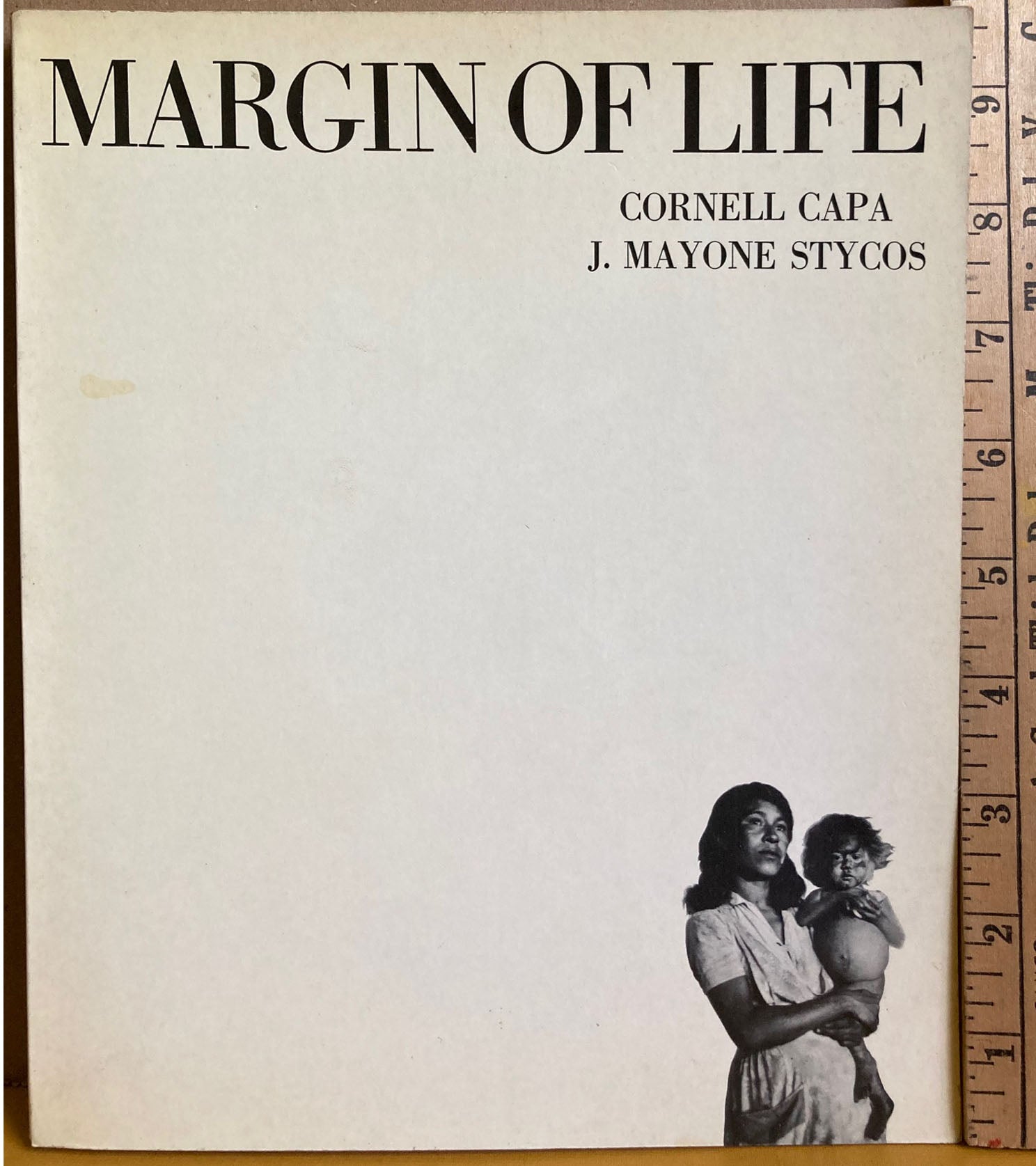
Capa, Cornell. Margin of Life: Population and Poverty in the Americas by Cornell Capa and J. Mayone Stycos.
Capa, Cornell. Margin of Life: Population and Poverty in the Americas by Cornell Capa and J. Mayone Stycos.
Couldn't load pickup availability
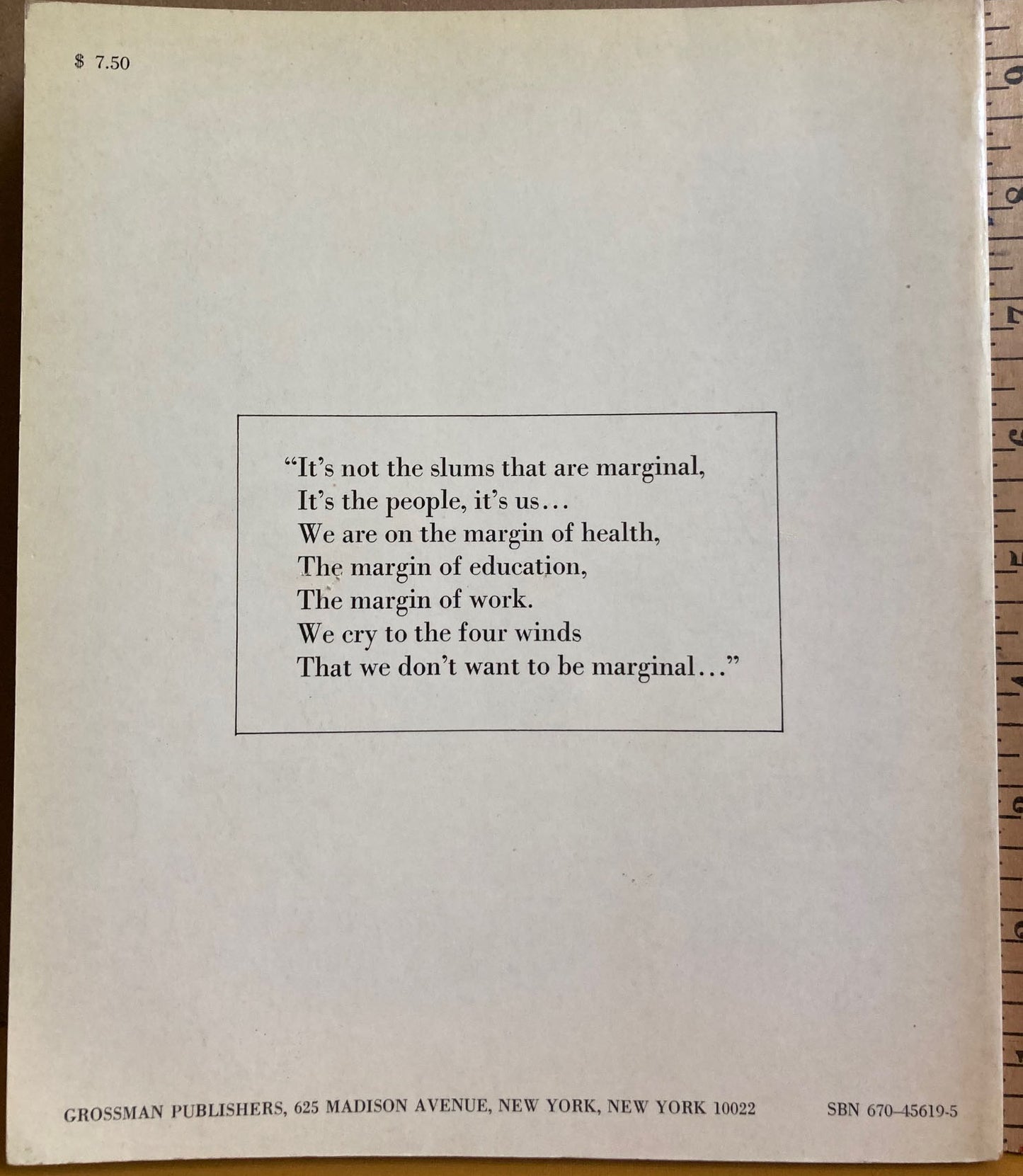
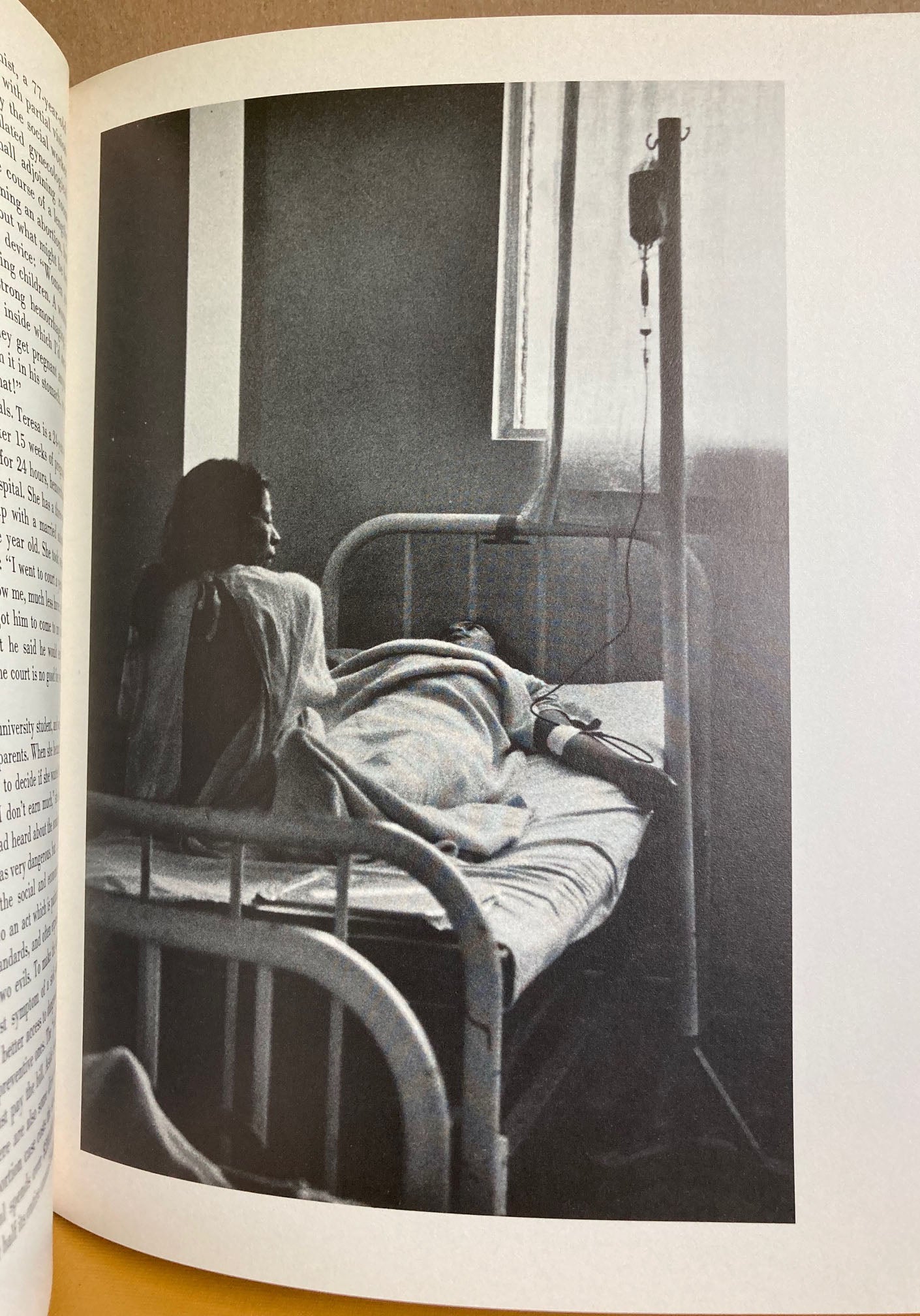
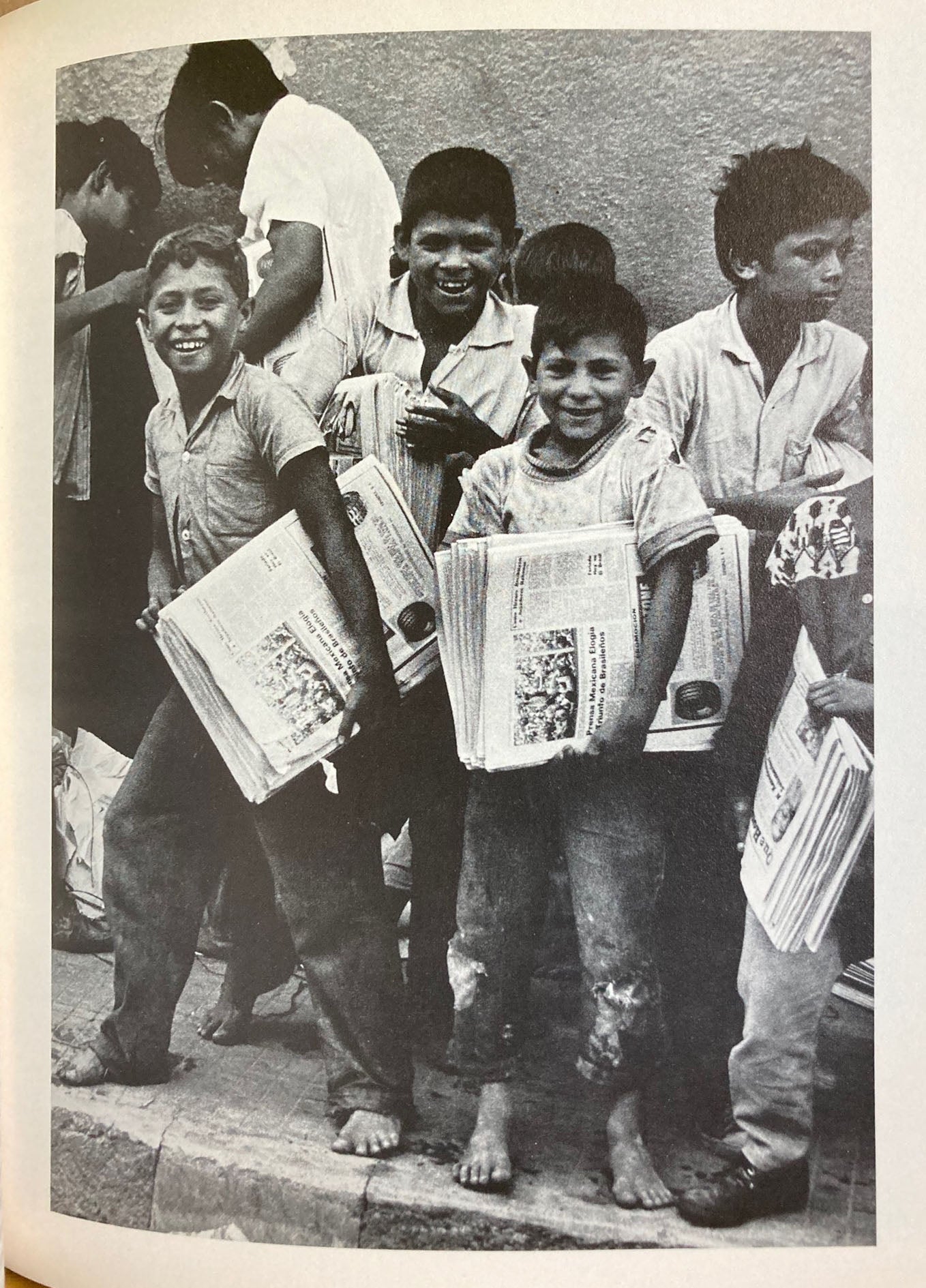
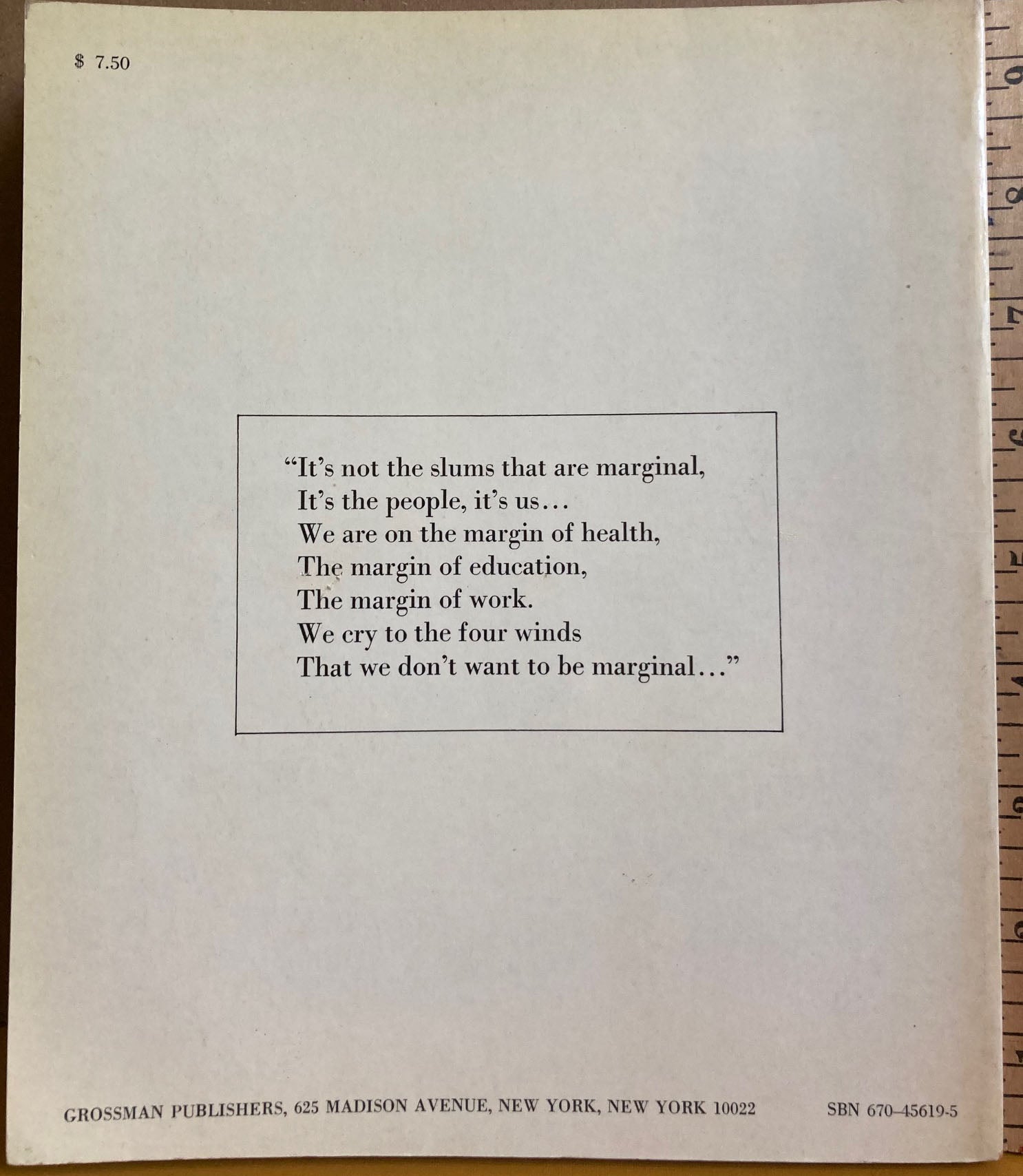
Grossman, 1974. Issued in cooperation with The International Fund for Concerned Photography and The International Population Program–Cornell University. Illustrated wraps, very good with small scuff on back cover (see photo). 1st edition, not to be confused with the Penguin reprint. 192 pages. A photographic and sociological exploration of Honduras and El Salvador that examines the problems of poor people in Latin America. Relates to the issues of migrants and immigration from Central America and South America to the United States. Chapters cover such topics as Jobs, Houses and Schools; Health and Welfare; New Hopes for Agriculture; and Ideologies and Programs. Includes bibliography.
Cornell Capa (1918–2008) was a Hungarian-American photojournalist, editor, and museum director renowned both for his compelling social documentary work and for championing humanistic visual storytelling through his concept of "concerned photography." Born Kornél Friedmann in Budapest, he moved to Paris in 1936 to work as a printer for his older brother, legendary war photographer Robert Capa, before emigrating to New York and joining Life magazine in 1946. Over the next decade, Capa produced memorable cover stories and photo essays using 35mm Leica cameras, documenting key global moments such as John F. Kennedy’s 1960 presidential campaign, political struggles in Latin America, and religious life in Israel. Following the tragic deaths of his brother and colleague Werner Bischof in 1954, Capa joined Magnum Photos—serving as its president for several years—and increasingly dedicated his career to preserving socially conscious imagery. In 1974, he founded the International Center of Photography (ICP) in New York City, establishing a vital museum and educational institution to champion photography that aims to educate and improve the human condition, cementing his legacy as a monumental figure in 20th-century photojournalism and institutional preservation.