Gary Saretzky Photo Books
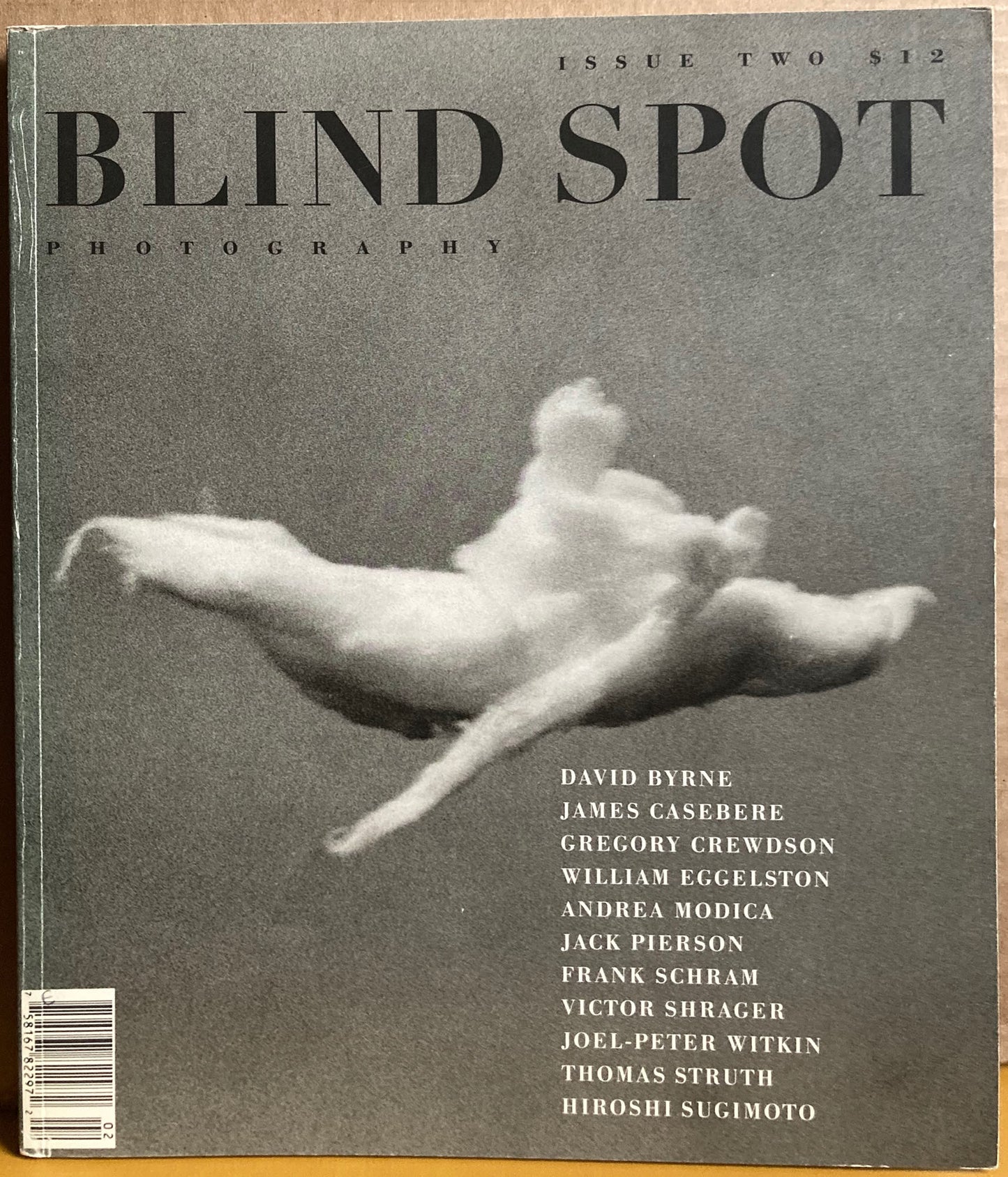
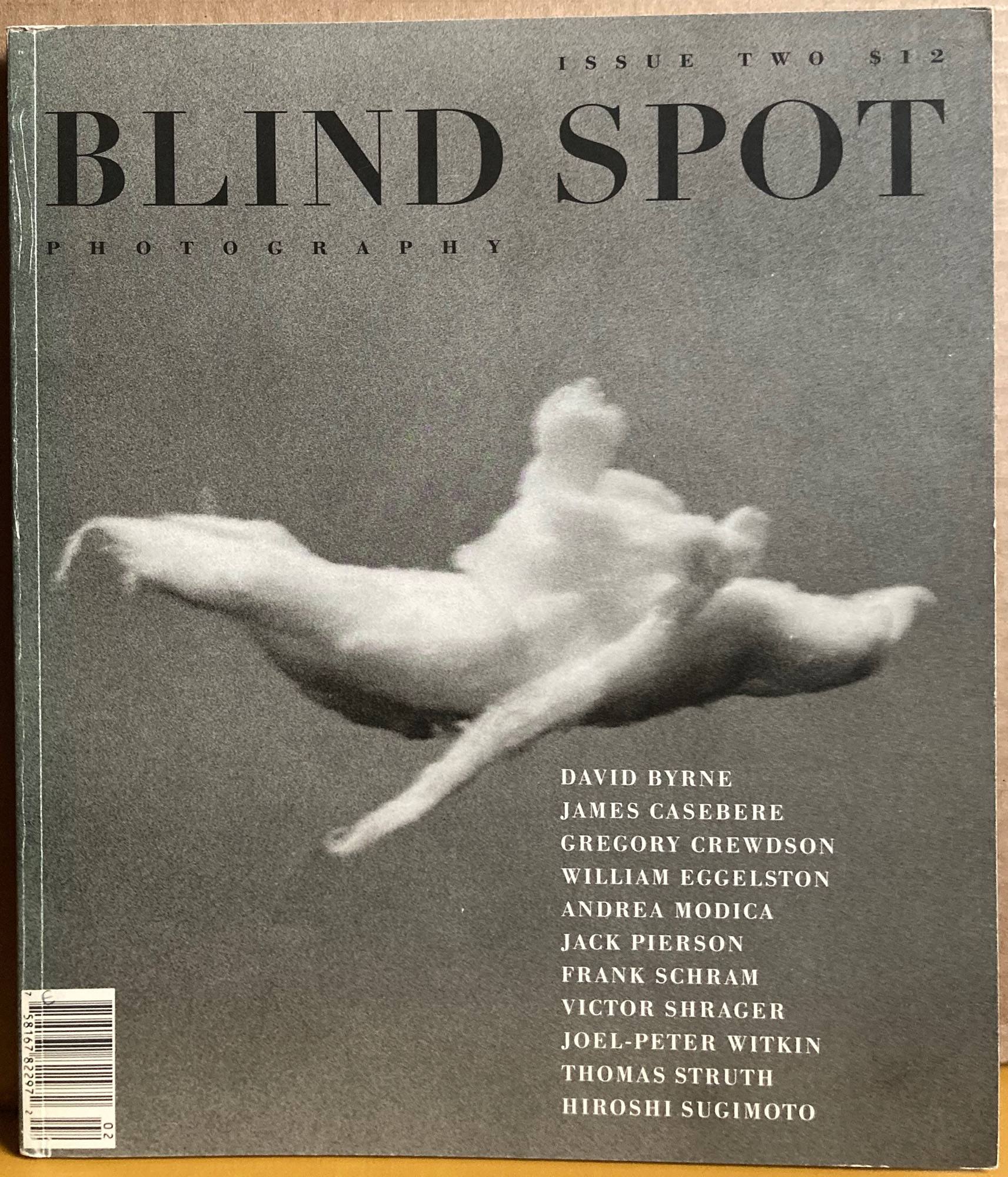
Blind Spot. Photography. Issue Two. Edited by Kim Zorn Caputo. 1993.
Blind Spot. Photography. Issue Two. Edited by Kim Zorn Caputo. 1993.
Couldn't load pickup availability
Near fine in sturdy wraps. High quality reproductions in color and black-and-white, many full page. Photographers: David Byrne; James Casebere; Gregory Crewdson; William Eggleston; Andrea Modica; Jack Pierson; Frank Schram; Victor Shrager; Joel-Peter Witkin; Thomas Struth; and Hiroshi Sugimoto. Summary:
Blind Spot, Issue Two (1993), edited by founder Kim Zorn Caputo, solidified the magazine’s reputation as a high-production "gallery on paper." Eschewing traditional technical reviews or gear advertisements, Blind Spot focused on the purely visual and visceral power of the image. Issue Two is particularly notable for its eclectic mix of established masters and emerging avant-garde voices, emphasizing the "unseen" or "overlooked" details of the world.
Core Themes and Narrative
-
The "Blind Spot" Philosophy: The magazine explores the periphery of vision—the moments and subjects that often escape notice. It champions the "Subtle Record," where the significance of an image lies in its atmosphere rather than its direct subject matter.
-
A High-Art Crossover: This issue bridged the gap between traditional fine-art photography and contemporary "art world" sensibilities. It features a diverse range of contributors, including Gregory Crewdson, William Eggleston, Andrea Modica, and Hiroshi Sugimoto, showcasing a transition from the documentary to the conceptual.
-
Textual Silence: In a radical departure from other journals, Blind Spot used very little text. The images were allowed to breathe, forcing the viewer to engage in a "Silent Dialogue" with the work without the mediation of heavy-handed editorializing.
Visual and Technical "Finish"
-
The "Lush" Print Quality: Blind Spot was famous for its exquisite "finish." Issue Two utilized high-end printing techniques that replicated the tonal depth of a gallery print. The magazine treated the page as a sacred space.
-
The Color Revolution: This issue continued the magazine’s push for high-fidelity color reproduction, proving that color photography could possess the same "archival dignity" as the traditional black-and-white silver-gelatin print.