Gary Saretzky Photo Books
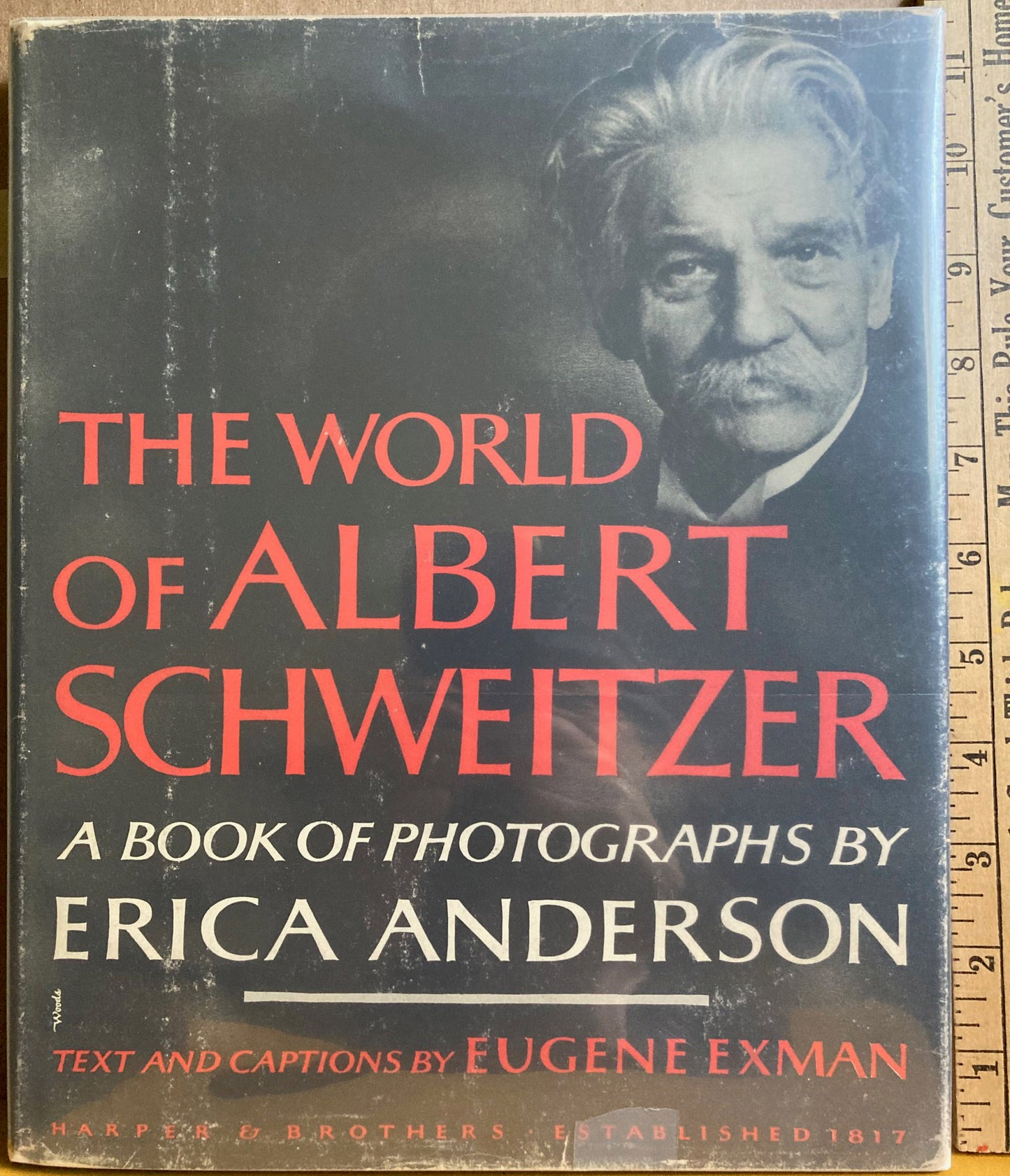
Anderson, Erica. The World of Albert Schweitzer. A Book of Photographs by Erica Anderson.
Anderson, Erica. The World of Albert Schweitzer. A Book of Photographs by Erica Anderson.
Couldn't load pickup availability
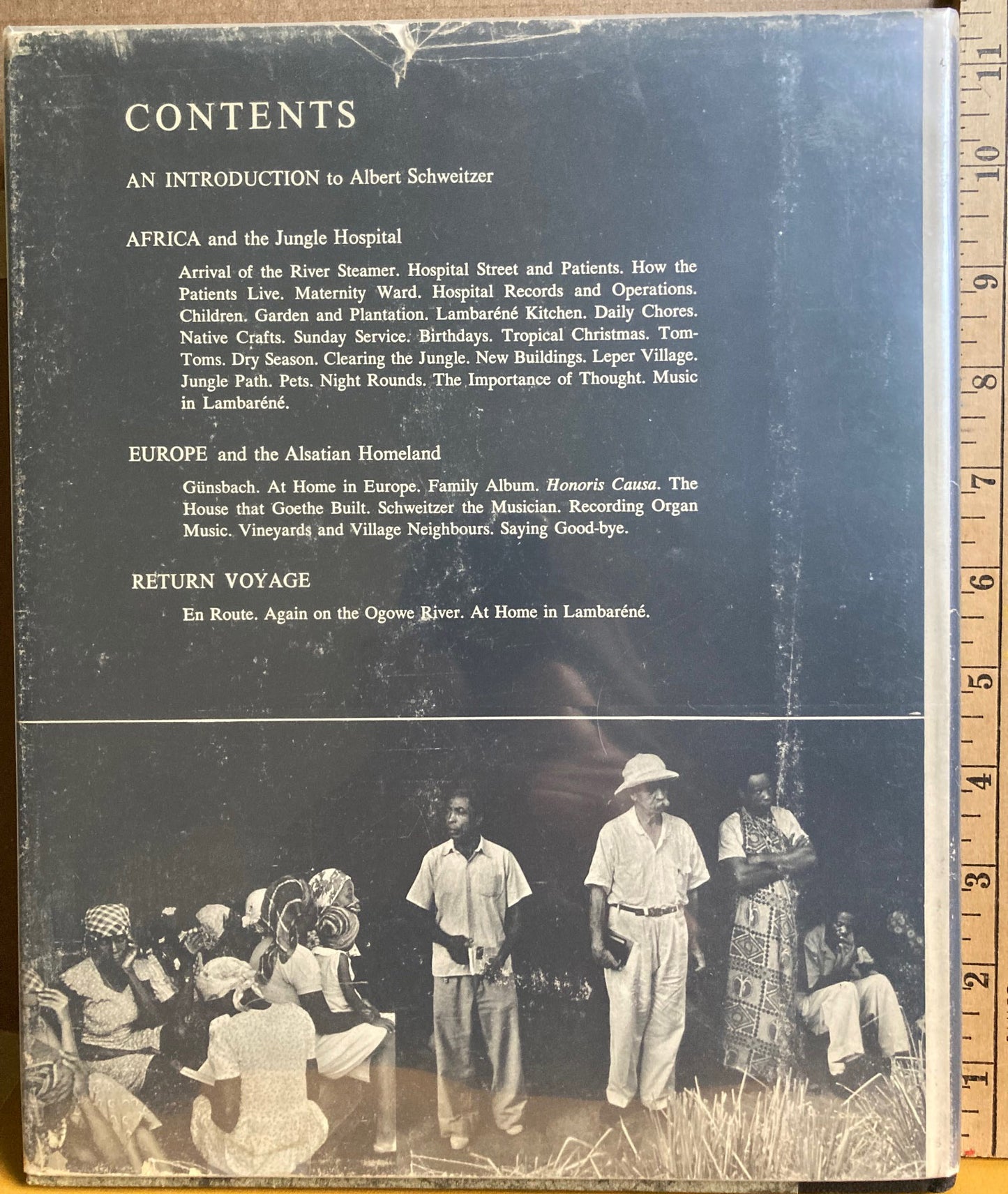
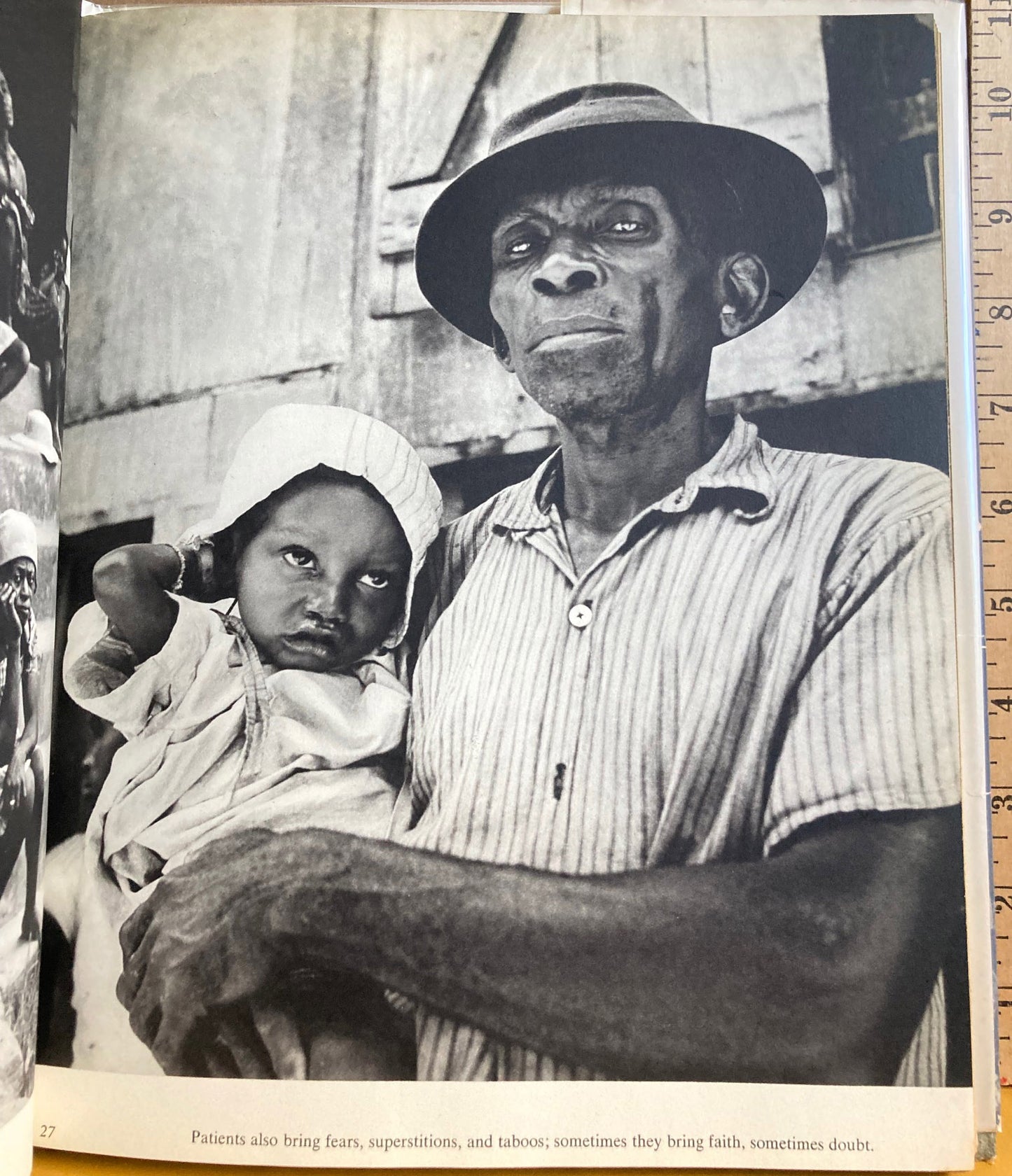
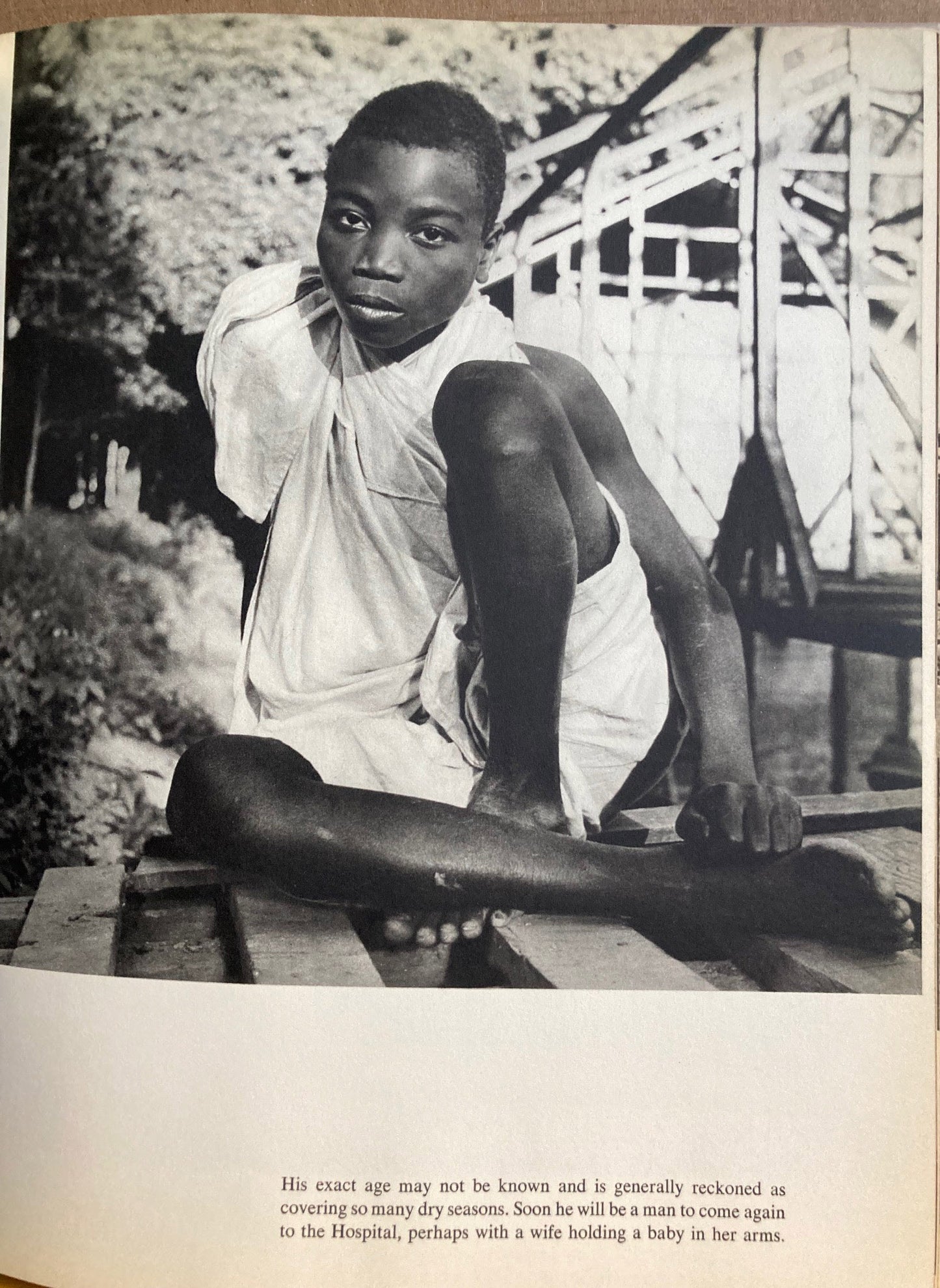
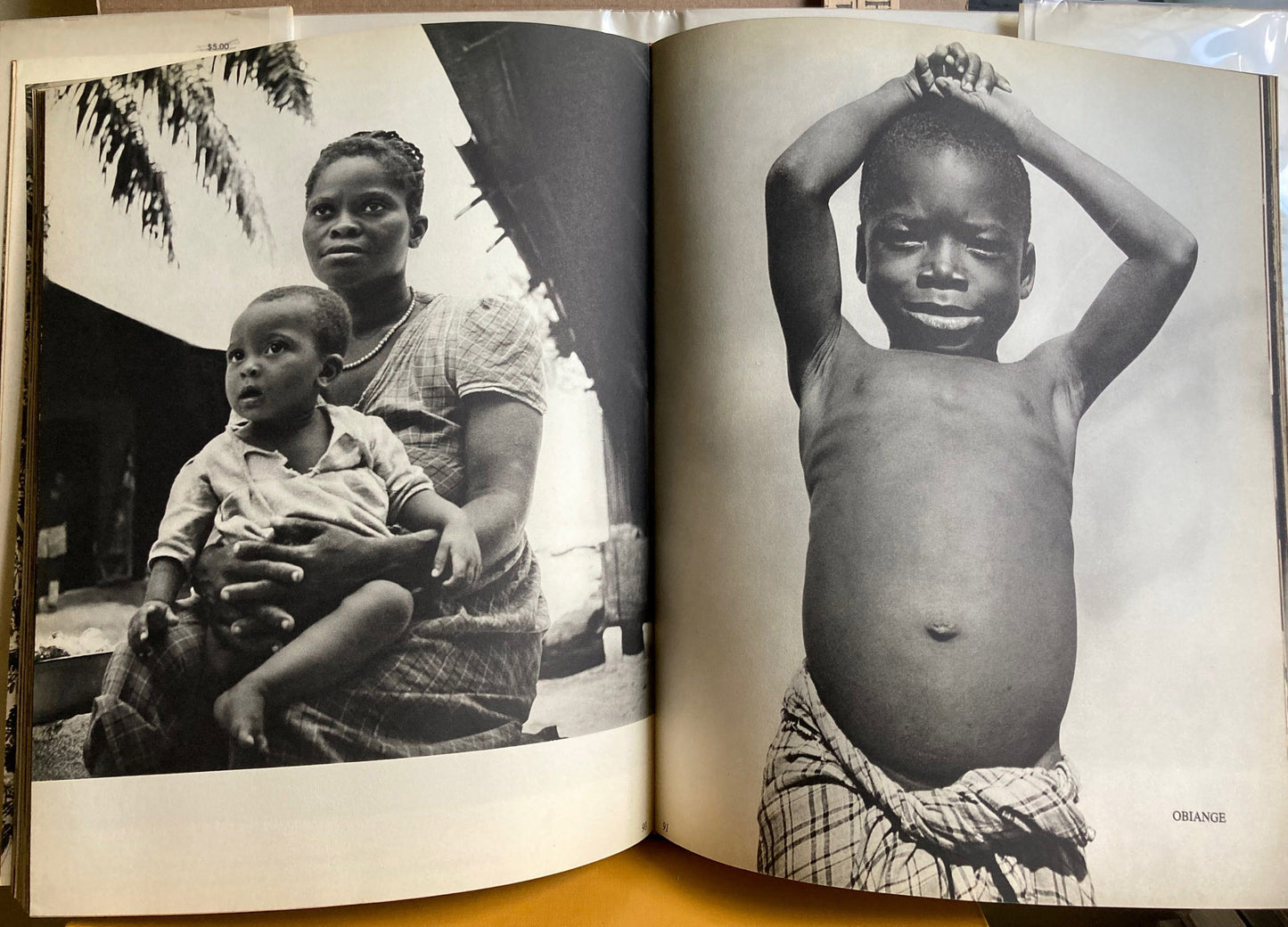
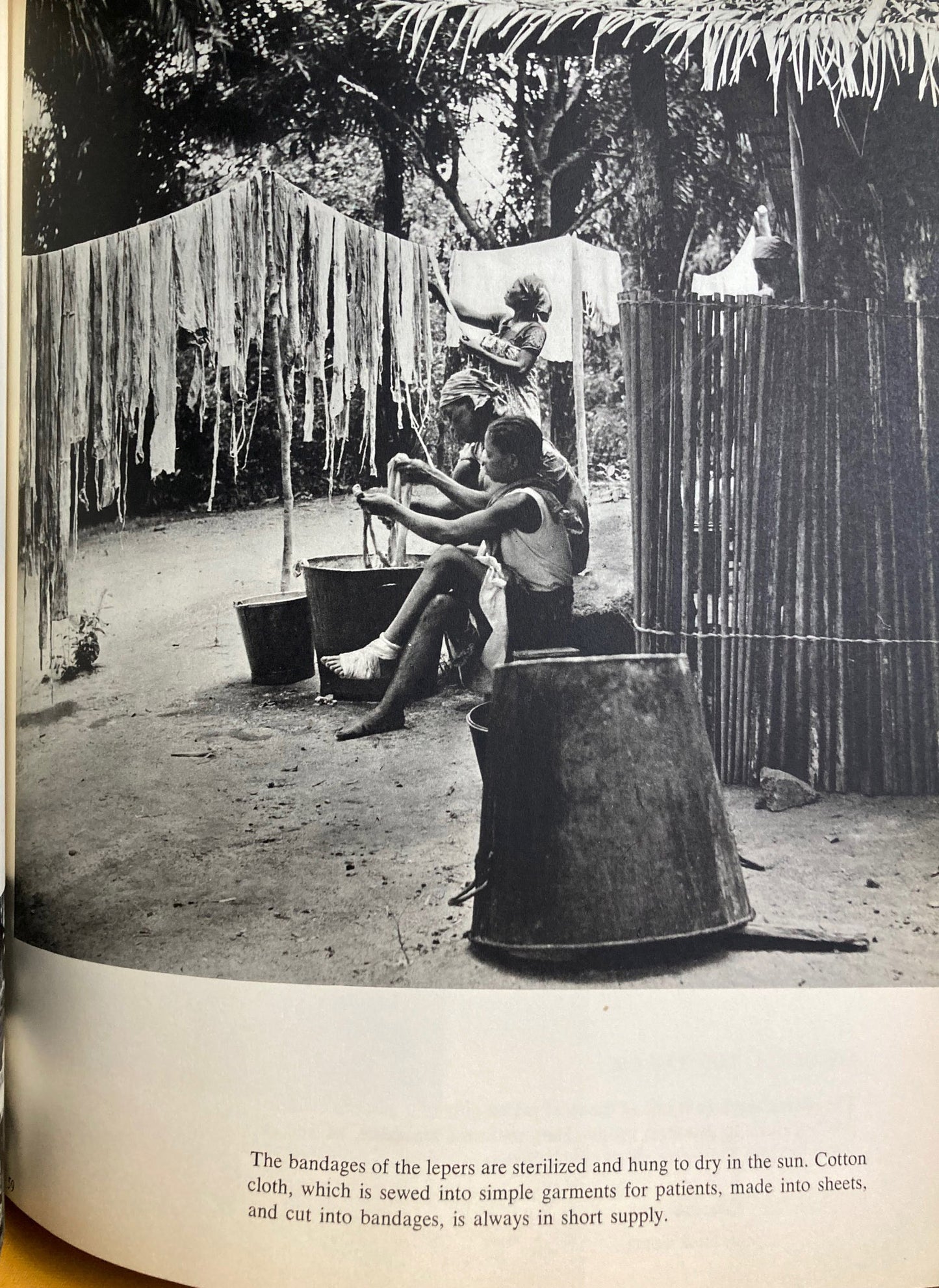
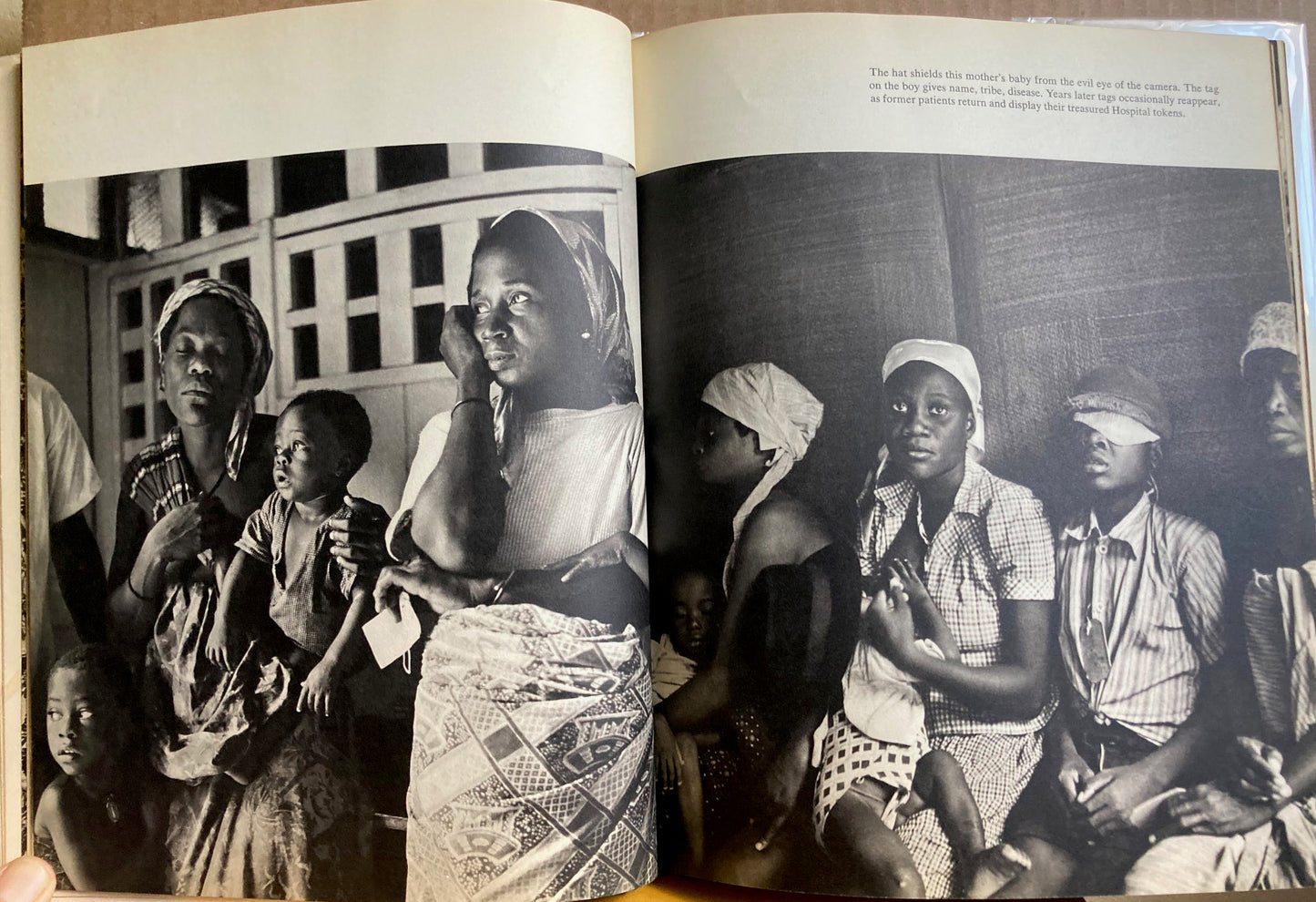
Text and Captions by Eugene Exman. Picture editing and book design by Barbara Morgan, the acclaimed photographer. Harper & Brothers, 1955. Hardcover, near fine with small brown stain at bottom corner of a couple of pages, with very good protected dust jacket that has wear at extremities. Binding has black cloth around spine with remainder marbled gray paper over the boards. A much better copy than usually found, as numerous defective copies are available elsewhere for sale. Includes 169 photographs printed in photogravure with deep black tones. Depicts Dr. Schweitzer at work in Africa with lepers and others, as well as many photographs of Black Africans who came to seek health care at his medical facility. Also a chapter on Schweitzer in Europe. Photographer and filmmaker Anderson spent "the better part of four years" photographing Schweitzer and his environs in Lambaréné, French Equatorial Africa, and Günsbach, in Alsace, France. Summary:
The World of Albert Schweitzer (1955), with photography by Erica Anderson and text by Eugene Exman, is a profound visual record of the polymath Nobel Laureate’s life in both Europe and Africa. The book serves as a "Living Testament" to Schweitzer’s philosophy of "Reverence for Life," documenting the grueling physical reality and the spiritual serenity of his mission in Lambaréné, Gabon.
Core Themes and Narrative
-
The Dual Life: The book juxtaposes Schweitzer’s two worlds—the intellectual, refined atmosphere of his childhood home in Alsace and the humid, primitive environment of his forest hospital. It explores how he seamlessly integrated the roles of theologian, philosopher, musician, and physician.
-
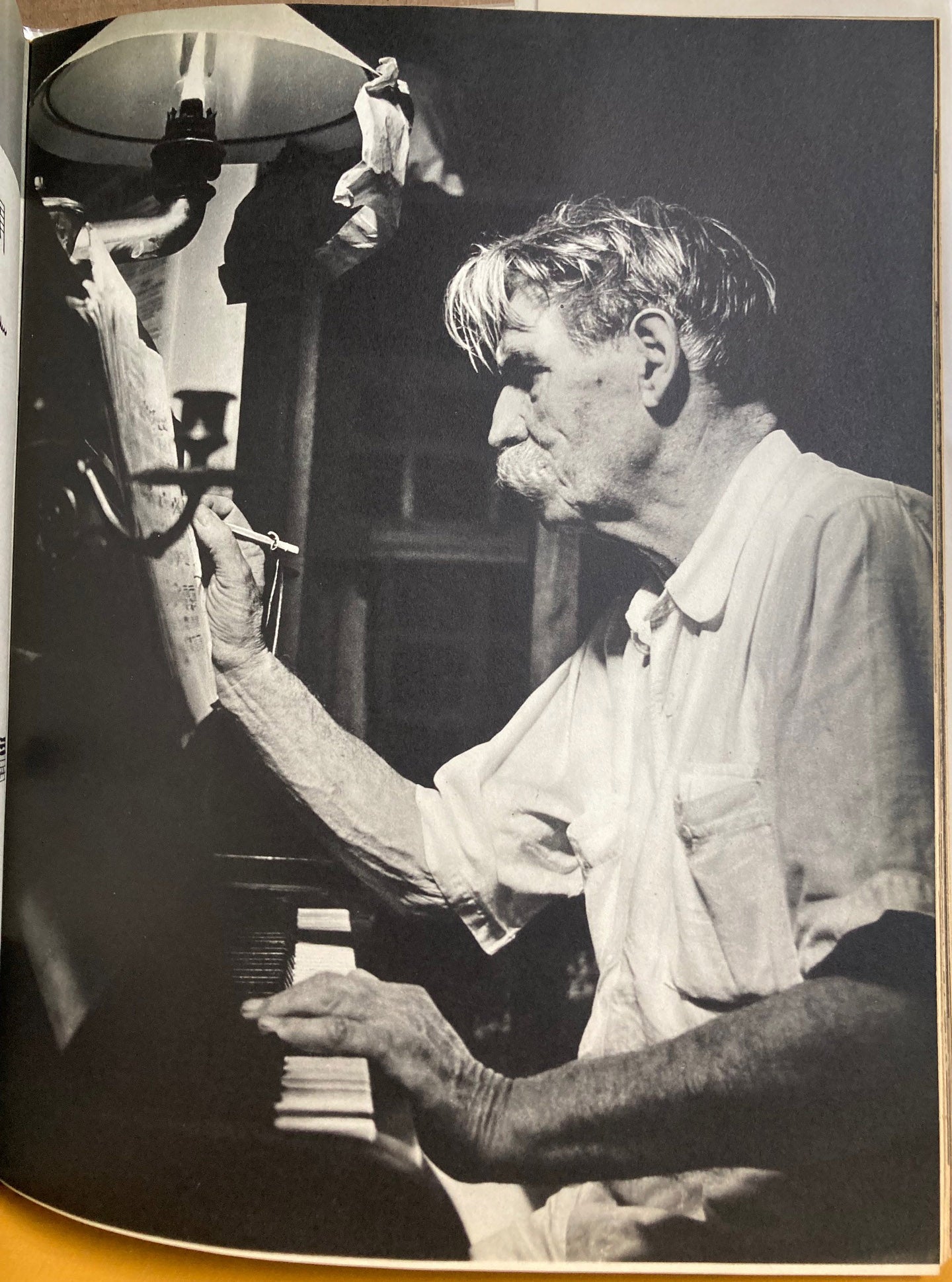
Reverence for Life: Anderson’s lens focuses on Schweitzer’s interaction with all living things. Whether he is treating a patient, tending to a wounded animal, or playing a zinc-lined piano in the jungle, the narrative emphasizes a radical compassion that transcends geography and species.
-
The Dignity of Labor: A major theme is the holiness of work. Schweitzer is often depicted with soiled hands, engaged in the "Manual Finish" of building and maintaining his hospital, suggesting that true service requires physical immersion in the world's struggles.
Visual and Technical Notes, Bio
-
The "Available Light": Erica Anderson spent years following Schweitzer, often shooting in difficult conditions. Her photos are characterized by a grainy, high-contrast realism that avoids the gloss of celebrity portraiture, opting instead for an Intimacy that feels authentic and unforced.
-
Textural Contrast: The book highlights the difference in texture between materials—the smooth ivory of the organ keys in Europe versus the rough, weathered wood and corrugated iron of the hospital in Gabon. This visual metaphor underscores the sacrifice Schweitzer made to leave comfort for service.
- Erica Anderson (1914–1976), born Erika Kellner, was an Austrian-born American photographer, cinematographer, and documentary filmmaker pioneer. Forced to flee Nazi-occupied Vienna in 1938, she eventually immigrated to New York City, where she established herself as a skilled commercial and fine-art photographer as well as one of the earliest professional female camera operators in the United States. She gained national acclaim for her collaborations with filmmaker Jerome Hill, providing cinematography for celebrated arts documentaries, including the Academy Award-nominated short Grandma Moses (1950). Anderson is best remembered for her extensive biographical coverage of Nobel Peace Prize winner Dr. Albert Schweitzer; her immersive still photography and footage captured over several years at his medical mission in Lambaréné, Gabon, culminated in photobooks like The World of Albert Schweitzer (1955) and the feature documentary Albert Schweitzer (1957), which won the Academy Award for Best Documentary Feature. Later in life, she established the Albert Schweitzer Friendship House in Massachusetts to preserve his humanitarian legacy until her death in 1976.