Gary Saretzky Photo Books
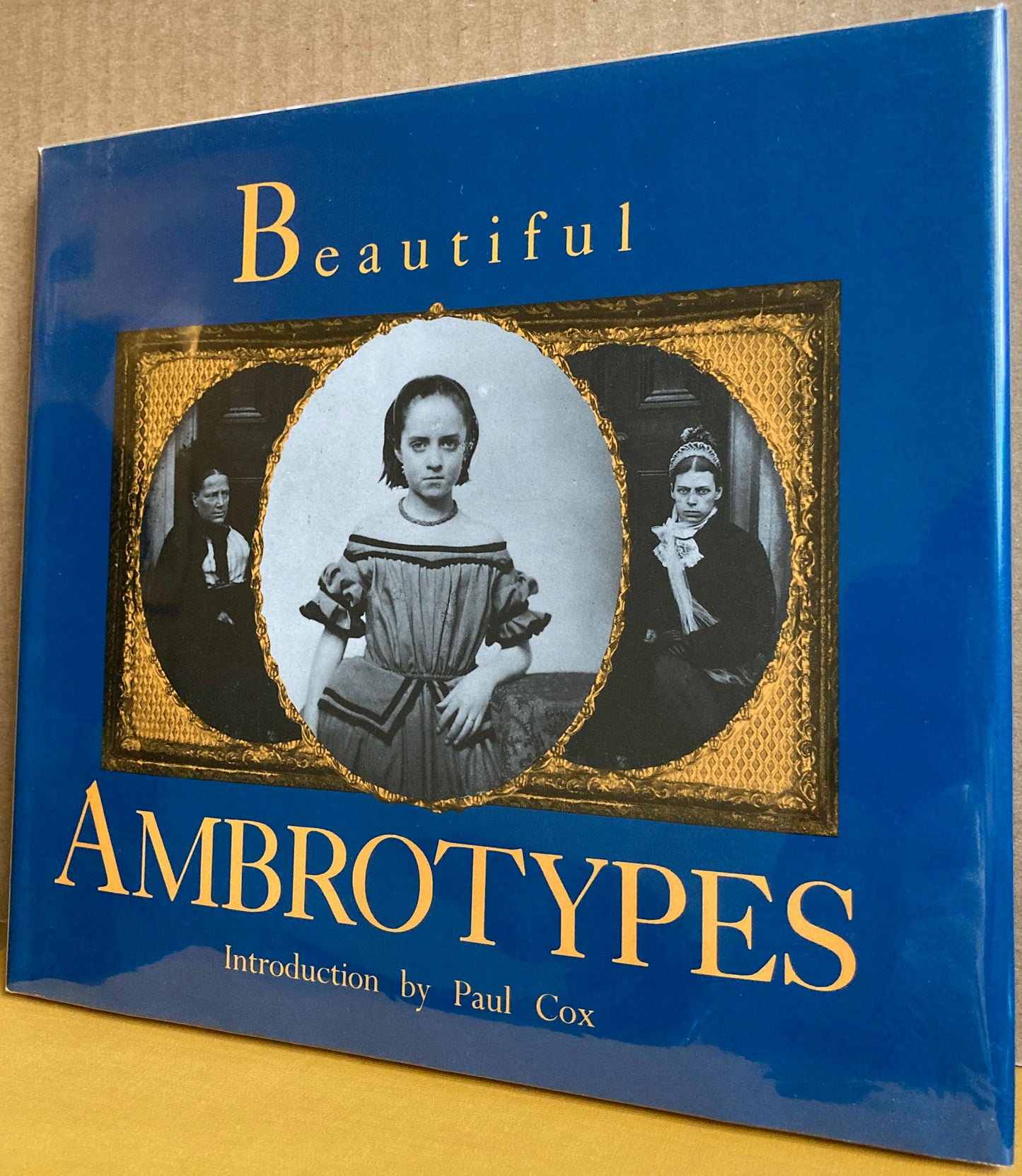
Ambrotypes. Beautiful Ambrotypes. Early Photographs, edited by Heather Forbes.
Ambrotypes. Beautiful Ambrotypes. Early Photographs, edited by Heather Forbes.
Couldn't load pickup availability
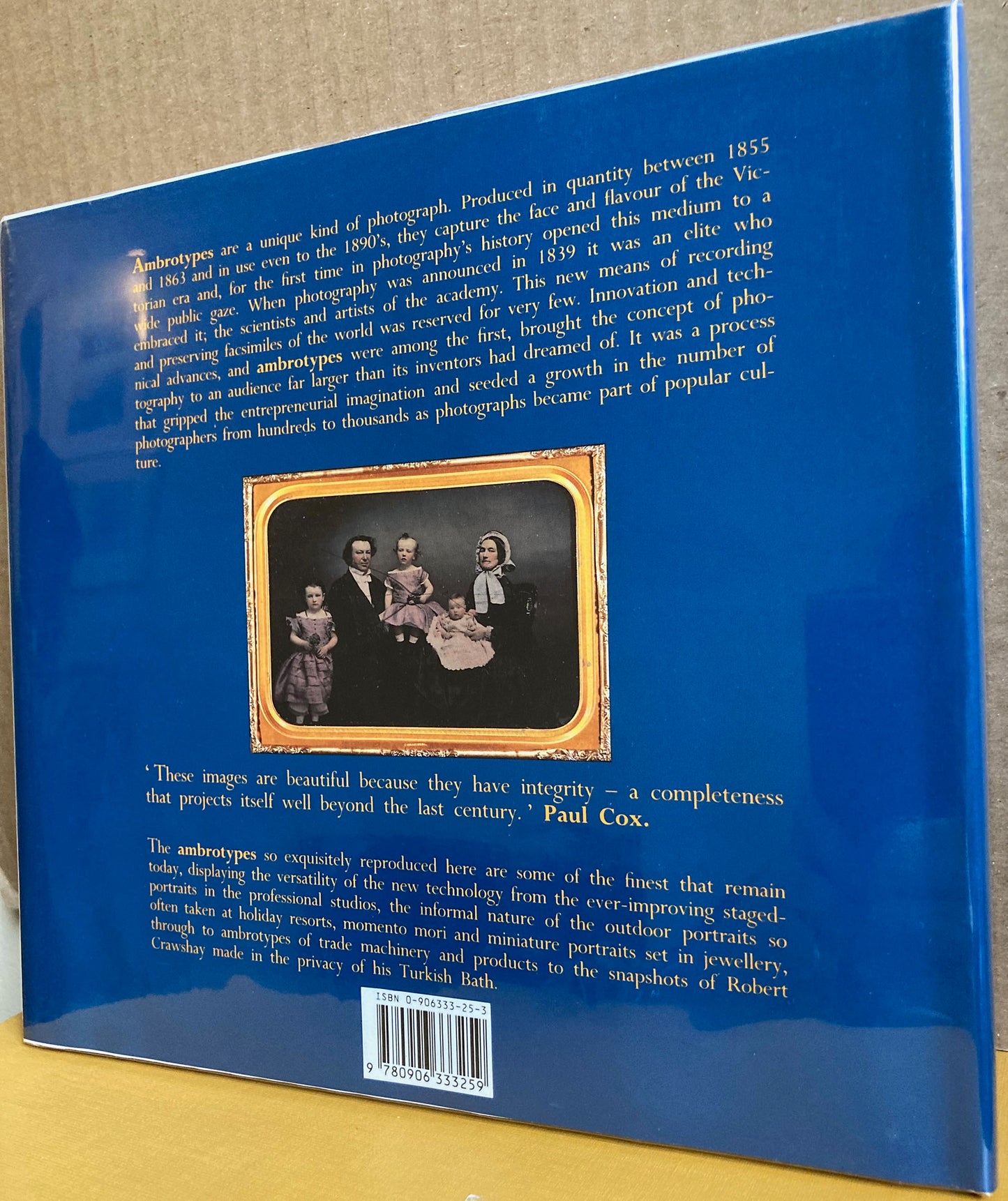
Traveling Light, 1989. Edited by Heather Forbes. Introduction by Paul Cox. First edition, hardcover with protected dust jacket, like new. 48 pages with illustrations of both typical and unusual ambrotypes, including rare interior and exterior views, including one from 1877, which is very late for ambrotypes, since most of them were made in the late 1850s and early 1860s. Includes instructions on how to make an ambrotype and how to clean and repair them. Summary:
Beautiful Ambrotypes: Early Photographs, edited by Heather Forbes, is a curated visual history of the ambrotype, a photographic process that flourished briefly but brilliantly in the mid-19th century (roughly 1854 to 1865). The book serves as both an art gallery and a technical retrospective of this "collodion positive" medium.
Core Themes and Content
The volume focuses on the unique aesthetic of the ambrotype—a thin glass negative that appears as a positive image when placed against a dark background.
-
The Art of the Portrait: The book features a wide array of portraits, ranging from formal military figures and stiffly posed Victorian families to more intimate, haunting captures of everyday people.
-
Technical Artistry: Forbes highlights the manual craftsmanship involved, including the hand-tinting of cheeks and jewelry with gold or rose pigments, and the elaborate "Union cases" made of thermoplastic or wood-and-leather that protected these fragile glass plates.
-
The "Mirror with a Memory": Unlike the shiny, mirrored surface of the daguerreotype, the ambrotype offered a softer, more accessible matte finish. The book explores how this made photography more affordable and available to the middle class.
Significance of the Work
By collecting these images, Forbes argues that the ambrotype represents a pivotal moment in the democratization of the "likeness". It captured a generation—most notably those who lived through and fought in the American Civil War—before the paper-based "carte-de-visite" made photography a mass-produced commodity.