Gary Saretzky Photo Books
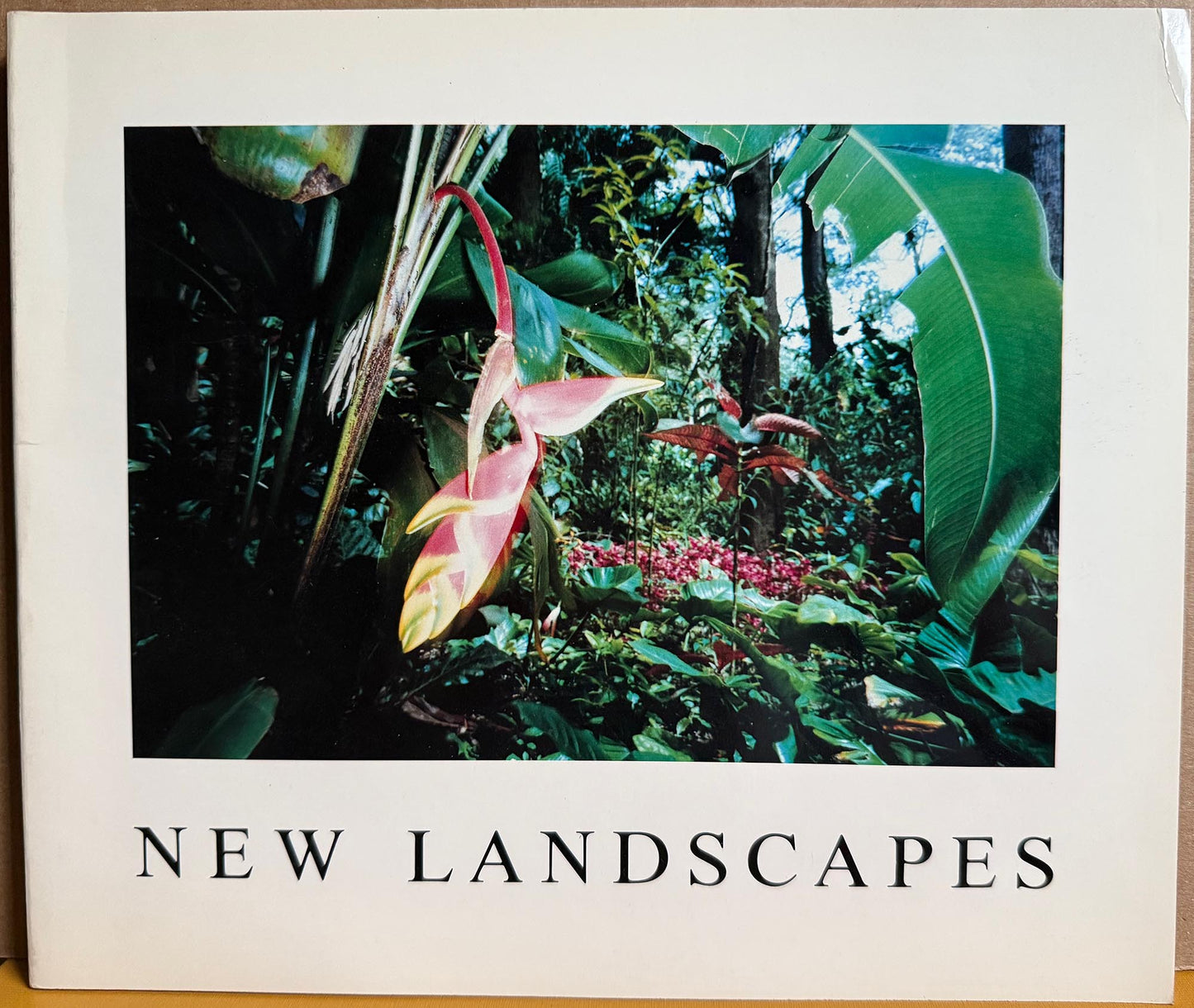
Adams, Robert, et al. New Landscapes. Untitled 24.
Adams, Robert, et al. New Landscapes. Untitled 24.
Couldn't load pickup availability
Friends of Photography, 1981. Wraps, very good with crimp upper right corner of front cover, otherwise fine. Photographers: Gail Skoff; Lynn Lown; Linda Connor; Robert Adams; Wanda Hammerbeck; Jay Dusard; Laura Volkerding; and Eric Johnson. 56 pages with color and black and white illustrations. Summary:
Overview:
New Landscapes is Untitled No. 24 in the Untitled series published by the Friends of Photography in 1981, part of their long-running program of photography monographs and themed volumes. The Untitled series was created to highlight significant trends, exhibitions, and voices in contemporary photography from the 1970s into the 1990s.
Content & Structure:
-
Edited by James G. Alinder with an introduction/brief essay by Mark Johnstone, the book brings together the work of a group of photographers exploring new directions in landscape photography.
-
The book is oblong softcover with about 55–56 pages, featuring color and black-and-white images emphasizing a contemporary approach to the landscape.
-
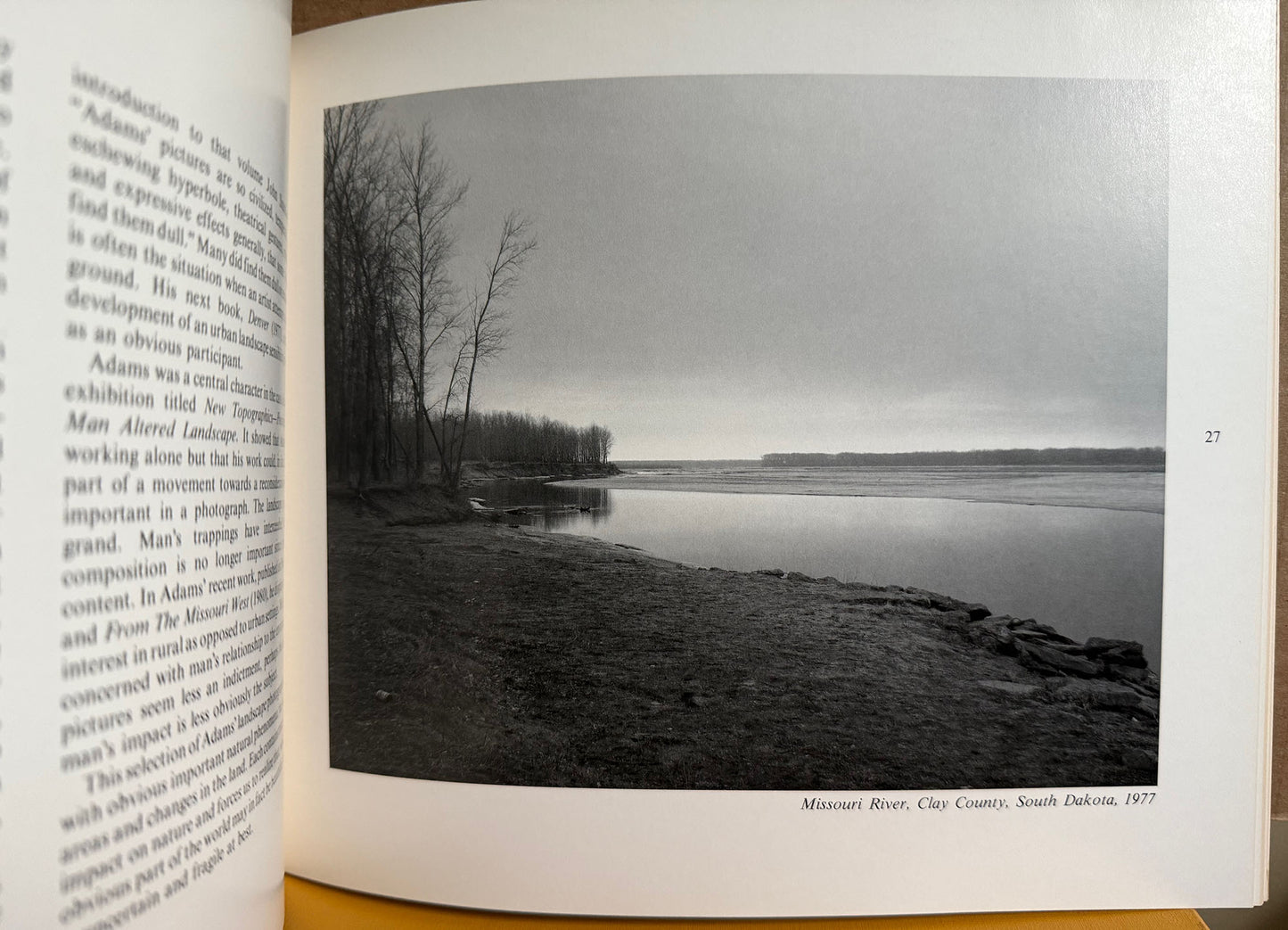
Contributors include photographers such as Gail Skoff, Lynn Lown, Linda Connor, Robert Adams, Wanda Hammerbeck, Jay Dusard, Laura Volkerding, and Eric Johnson — a mix of established and emerging voices engaging with the theme of landscapes in diverse ways.
Thematic Focus:
Rather than traditional “picturesque” landscapes, New Landscapes reflects a more modern, nuanced view of terrain and place, influenced by late-20th-century photographic approaches that consider both natural and human-altered environments. Images range from intimate or abstracted views to broader compositions, revealing how contemporary artists interpret land, environment, and visual experience through photography in this period.
Significance:
As part of the Untitled series, this volume helped document shifts in landscape photography at a time when many artists were questioning and expanding the genre’s boundaries — moving away from purely romantic imagery toward more conceptual, documentary, or critical perspectives.
Robert Adams (born 1937) is an acclaimed American photographer, writer, and educator best known for his understated black-and-white visual studies documenting the changing landscape and rapid suburbanization of the American West.Born in Orange, New Jersey, Adams grew up in Colorado and earned a Ph.D. in English literature from the University of Southern California before teaching at Colorado College, where he began self-teaching photography in the mid-1960s. He first gained international prominence in 1975 through his inclusion in the landmark New Topographics: Photographs of a Man-Altered Landscape exhibition at the George Eastman House and the publication of his influential book The New West(1974). Over a multi-decade career, Adams has produced over fifty photographic books—including Denver (1977), From the Missouri West (1980), and Turning Back (2005)—alongside critical essay collections like Beauty in Photography(1981) and Why People Photograph (1994). Awarded a MacArthur Fellowship, two Guggenheim Fellowships, and the Hasselblad Award, his stark, formalist landscapes are widely held in major permanent museum collections, including the National Gallery of Art, the Museum of Modern Art, and the Yale University Art Gallery.