Gary Saretzky Photo Books
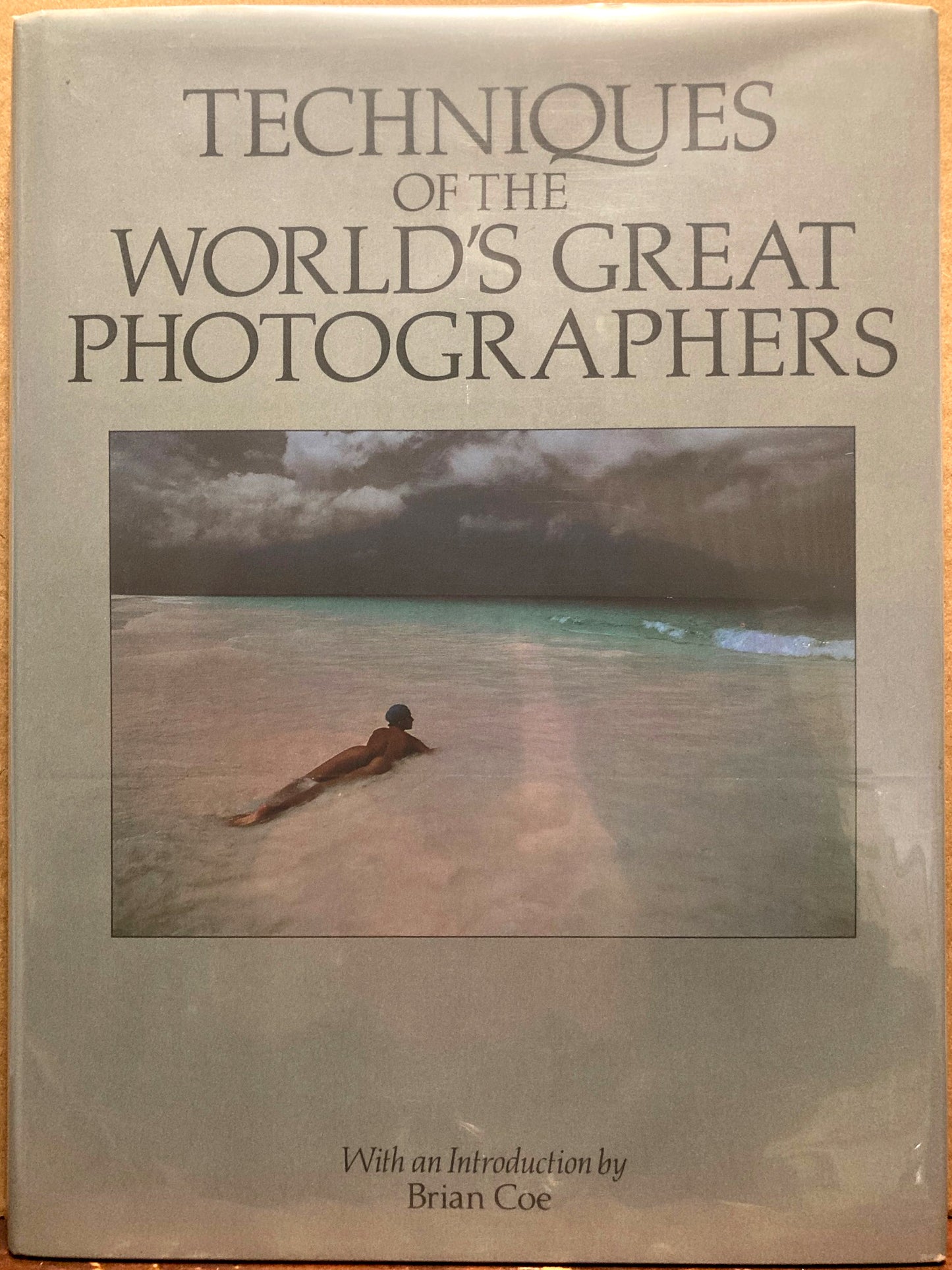
History. Techniques of the World's Greatest Photographers, with introduction by Brian Coe.
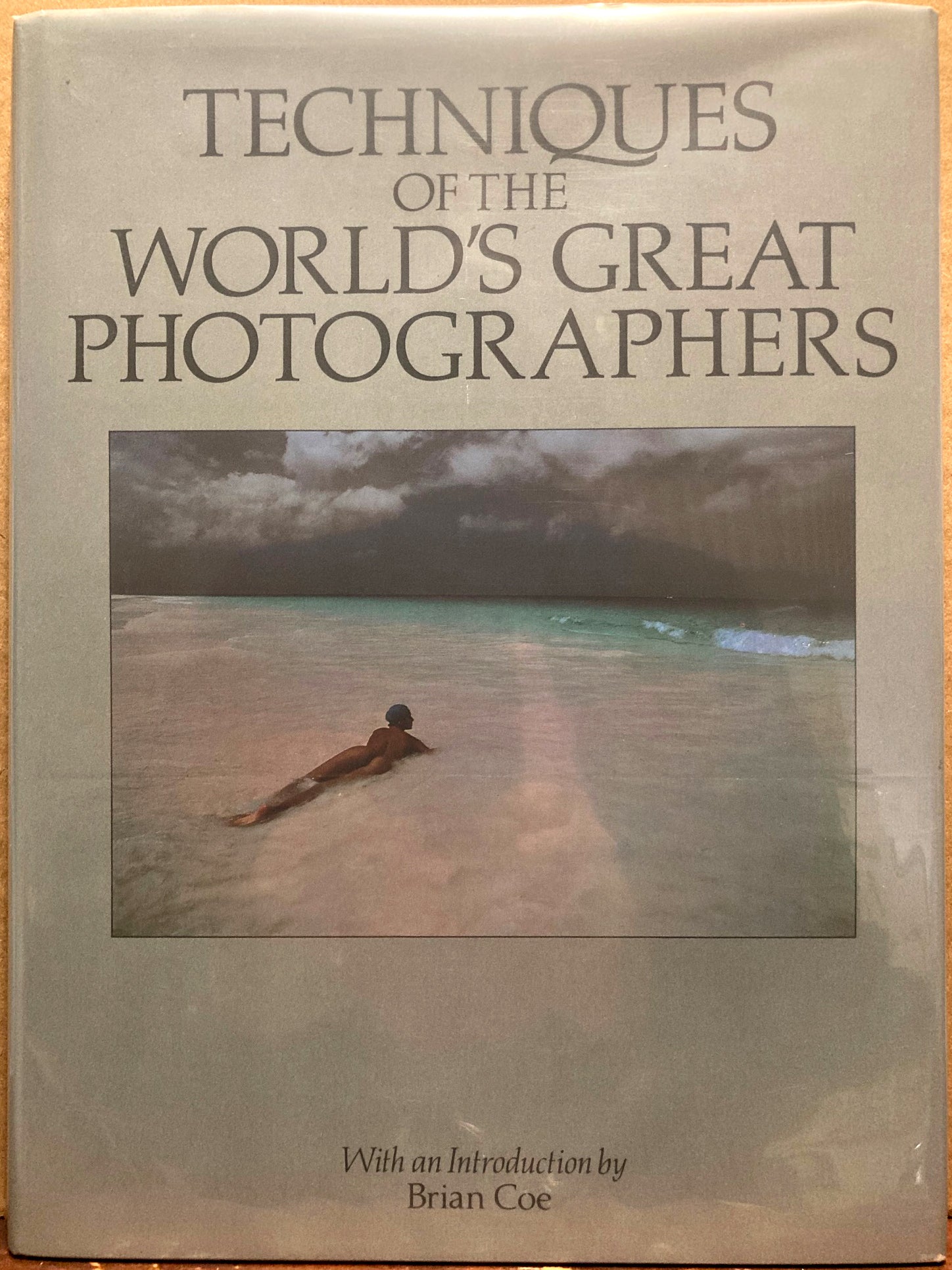
History. Techniques of the World's Greatest Photographers, with introduction by Brian Coe.
Couldn't load pickup availability
Chartwell, 1981. After an introduction which features color illustrations of early cameras, this large book provides, with excellent photographs, chapters on 42 photographers, including Louis J.M. Daguerre; William Henry Fox Talbot; Hill & Adamson; Gustave Le Gray; Felix Nadar; Edouard Baldus; Francis Frith; Roger Fenton; Lewis Carroll; Julia Margaret Cameron; Carleton Watkins; Eadweard Muybridge; Alfred Stieglitz; Peter Henry Emerson; Eugene Atget; Alvin Langdon Coburn; Baron de Meyer; Edward Steichen; August Sander; Jacques-Henri Lartigue; Emil Hoppe; Edward Weston; Paul Strand; Weegee; Moholy-Nagy; Man Ray; Andre Kertesz; Walker Evans; Cecil Beaton; Erwin Blumenfeld; Cartier-Bresson; Brassai; Brandt; Ansel Adams; Avedon; Man Ray; Robert Frank; Norman Parkinson; Helmut Newton; Irving Penn; David Bailey; Joel Meyerowitz; Francis Giacobetti. Fine with fine protected dust jacket. Summary:
Published in 1981 (by QED, Chartwell Books, and New Burlington Books), Techniques of the World's Greatest Photographers, featuring an introduction by esteemed photographic historian Brian Coe, is a practical and historical deep-dive into the working methods of visual masters. Rather than a standard biography collection or a dry gear manual, this book bridges the gap between art and science by explicitly analyzing how specific master photographers achieved their distinct visual styles. The volume profiles over 40 seminal photographers spanning from the dawn of the medium in the 19th century to the late 20th century.
1. Technical Framework by Brian Coe
In the introduction, Brian Coe sets the stage by tracing the evolutionary curve of camera mechanics, optics, and chemistry. He establishes a critical baseline: a photographer's creative output has historically been bound by their contemporary tools. Coe details how shifts from fragile glass wet-plates to flexible film rolls, and from bulky view cameras to responsive 35mm formats, fundamentally altered how artists approached lighting, composition, and spontaneity.
2. Master Profiles and Visual Breakdown
The bulk of the book is organized into monographic entries covering a diverse pantheon of masters, including Louis Daguerre, William Henry Fox Talbot, Julia Margaret Cameron, Eadweard Muybridge, Alfred Stieglitz, Eugène Atget, Edward Weston, Paul Strand, Man Ray, André Kertész, Weegee, Walker Evans, Henri Cartier-Bresson, Brassaï, Ansel Adams, Cecil Beaton, Helmut Newton, and Joel Meyerowitz.
Each profile breaks down the artist's work into three specific pillars:
-
The Vision: The philosophical or journalistic drive behind the photographer's career.
-
The Equipment: The precise cameras, lenses, filters, and light sources they favored.
-
The Methodology: A literal step-by-step diagnostic of their studio setups, darkroom manipulation, timing, and framing choices.
3. Practical Insight & Diagrammatic Deconstruction
What sets this volume apart is its heavy use of visual diagnostics. Instead of simply showcasing a famous image, the book uses detailed captions, exposure breakdowns, and lighting diagrams to demystify iconic imagery. For instance, it details the meticulous Zone System calculations of Ansel Adams, the darkroom solarization techniques of Man Ray, the aggressive flash strategies of Weegee, and the candid, uncropped precision of Henri Cartier-Bresson's "decisive moment."
Techniques of the World's Greatest Photographers functions as a masterclass in visual literacy. By examining the tangible mechanics behind immortal photographs, the book strips away the myth of accidental genius. It proves to aspiring photographers and historians alike that great imagery is born from a deliberate, calculated synthesis of technical mastery and artistic intent.