Gary Saretzky Photo Books
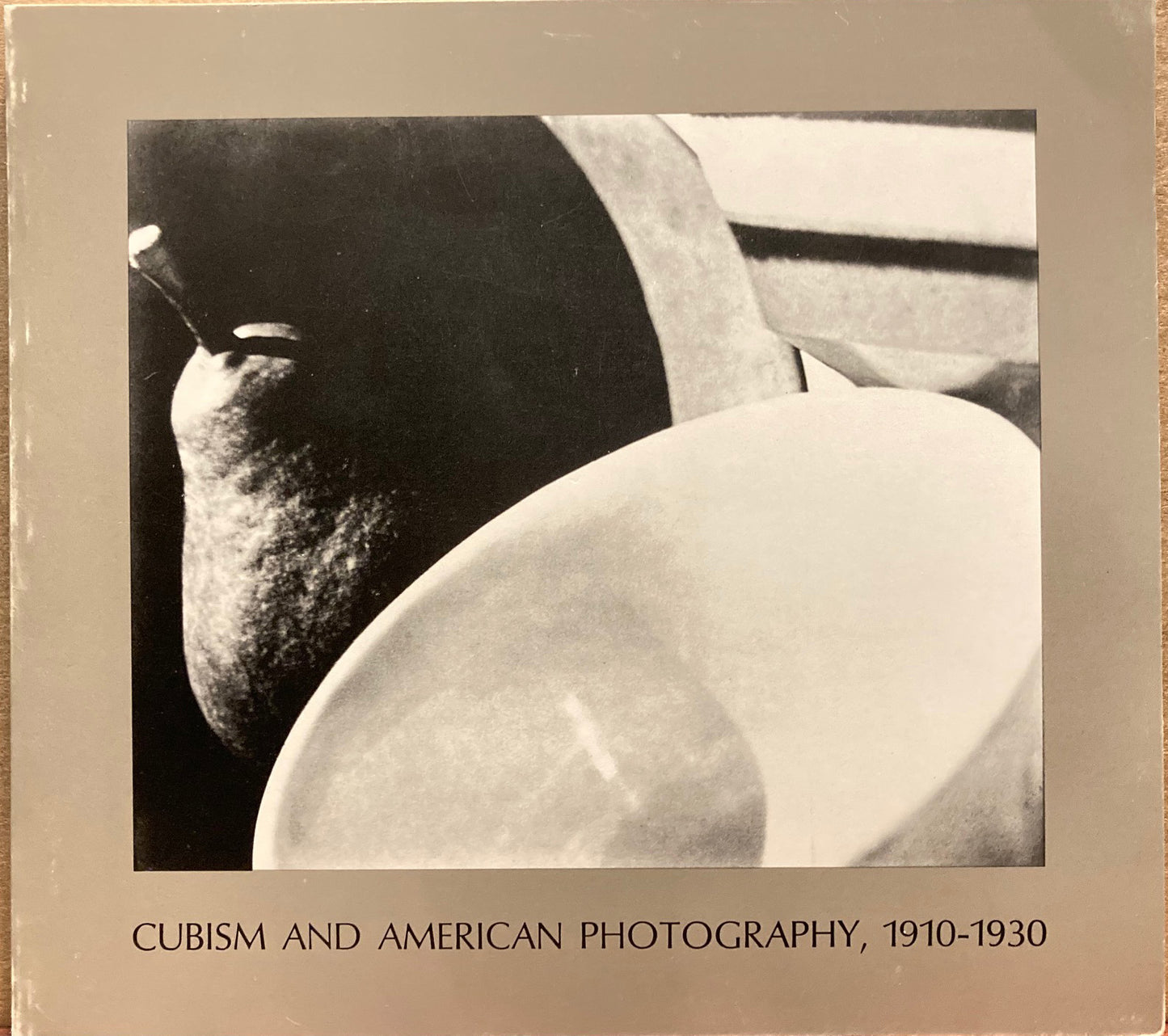
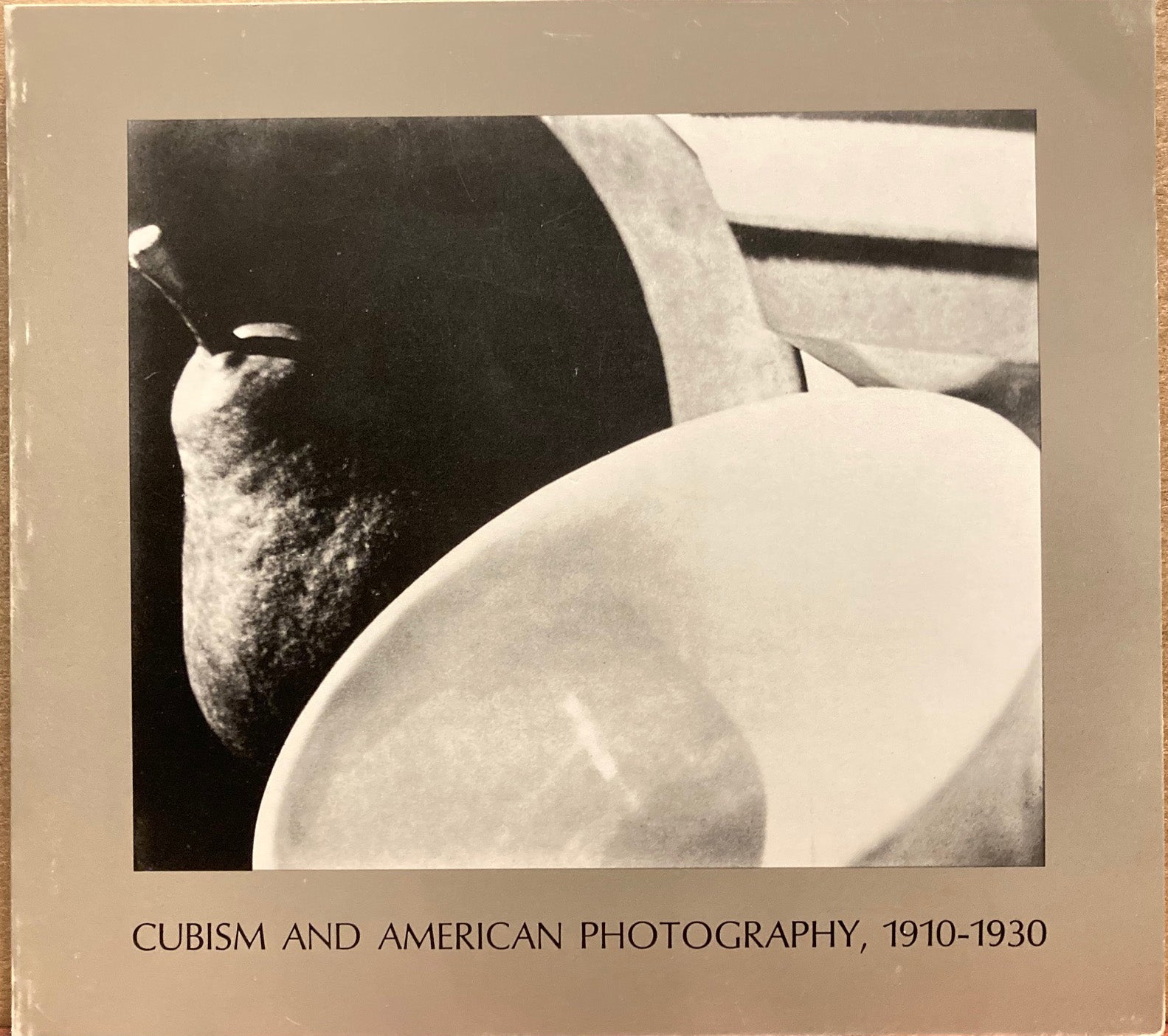
Cubism. Cubism and American Photography, 1910-1930 by John Pultz and Catherine Scallen. B.
Cubism. Cubism and American Photography, 1910-1930 by John Pultz and Catherine Scallen. B.
Couldn't load pickup availability
Sterling and Francine Clark Institute, Williamstown, Massachusetts, 1981. Illustrated stiff wraps, 79 pages, near fine. Issued in conjunction with an exhibition. Well illustrated with informed substantial discourses in six chapters with notes and bibliography. Photographers illustrated include Alfred Stieglitz; John Haviland; Clarence White; Paul Anderson; Alvin Langdon Coburn; Paul Strand; Man Ray; Morton Schamberg; Charles Sheeler; Edward Steichen; Francis Bruguiere; Paul Outerbridge; Ralph Steiner; Edward Weston; Tina Modotti; Margaret Mather; Margaret Bourke-White; Anton Bruehl; Berenice Abbott; Walker Evans. Includes exhibition checklist with 70 photographs listed. Summary:
"Cubism and American Photography, 1910–1930" (1981), written by John Pultz and Catherine Scallen, explores the transformative period when American photographers began to adopt the radical visual language of European Modernism. The book chronicles the shift from Pictorialism—which sought to mimic painting through soft focus—to a structured, geometric aesthetic inspired by Cubist principles.
The Evolution of the "Straight" Aesthetic
The authors argue that Cubism provided American photographers with the tools to break away from traditional representation. By emphasizing the two-dimensional surface of the photograph and utilizing sharp focus, photographers began to treat light, shadow, and mechanical forms as abstract elements rather than mere documentation.
Key Figures and Contributions
The book highlights several pivotal artists who bridged the gap between avant-garde painting and photography:
-
Alfred Stieglitz: Transitioned from soft-focus scenes to "straight" photography, exemplified by The Steerage, which emphasized interlocking shapes and structural lines.
-
Paul Strand: Credited with the most direct application of Cubist abstraction, using extreme close-ups of bowls and shadows to reduce subjects to pure form.
-
Charles Sheeler: Explored the intersection of industrial architecture and Cubist geometry, often blurring the lines between his work as a painter and a photographer.
-
Edward Steichen & Margaret Bourke-White: Showcased how these aesthetic shifts moved into the realms of commercial and industrial photography.
Central Themes
-
Fragmentation and Overlap: The use of unusual camera angles and cropping to "break" the subject, mirroring the fragmented planes found in Picasso or Braque’s canvases.
-
Urbanization and Industry: The authors examine how the rising American cityscape—skyscrapers, steel bridges, and machinery—served as the perfect subject matter for a Cubist-inspired lens.
-
The Medium's Autonomy: The book posits that by embracing Cubist structure, photography finally established itself as an independent modern art form, no longer subservient to the rules of classical painting.