Gary Saretzky Photo Books
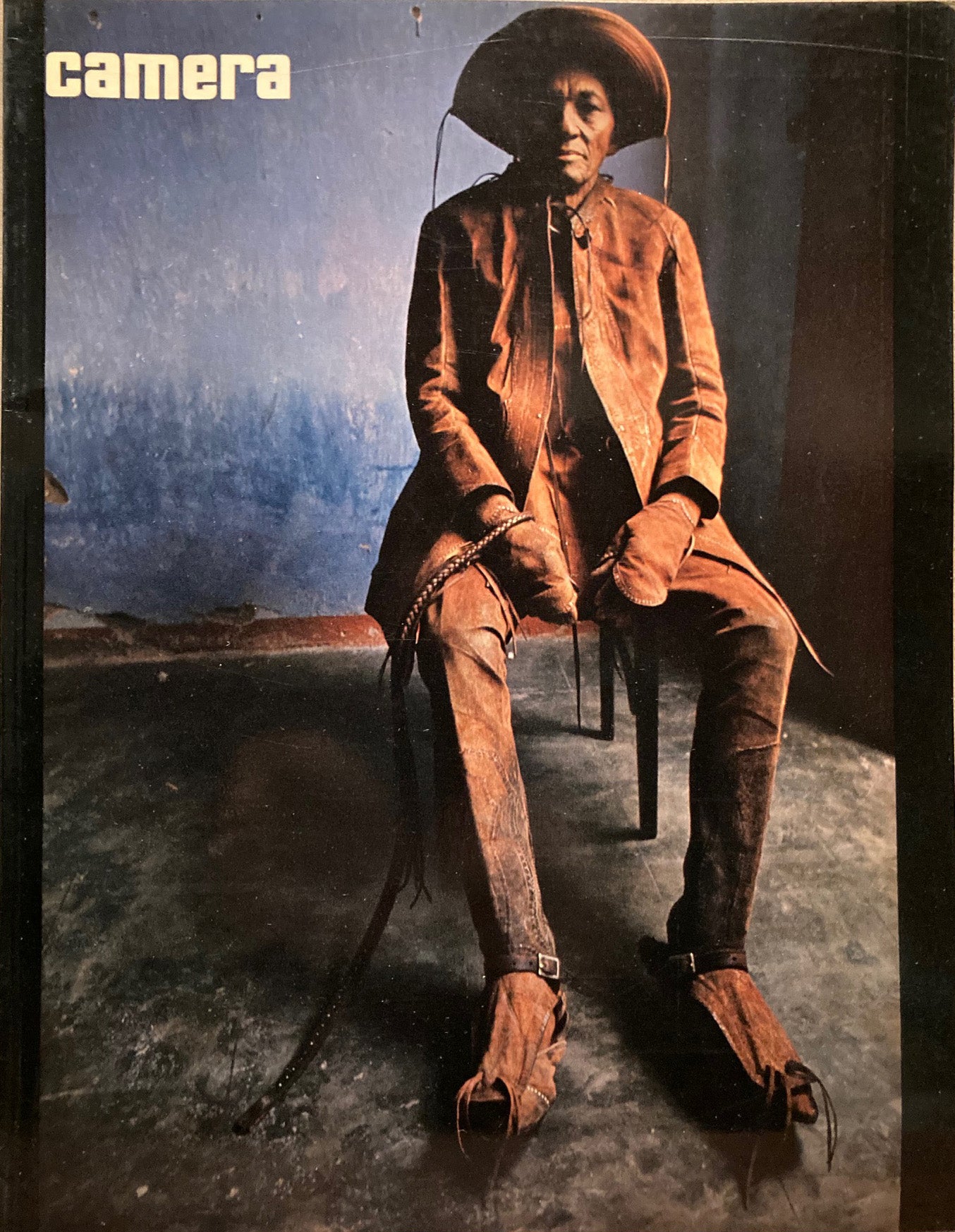
Camera, October 1973. Volume 52, No. 10. Once Upon a Time...
Camera, October 1973. Volume 52, No. 10. Once Upon a Time...
Couldn't load pickup availability
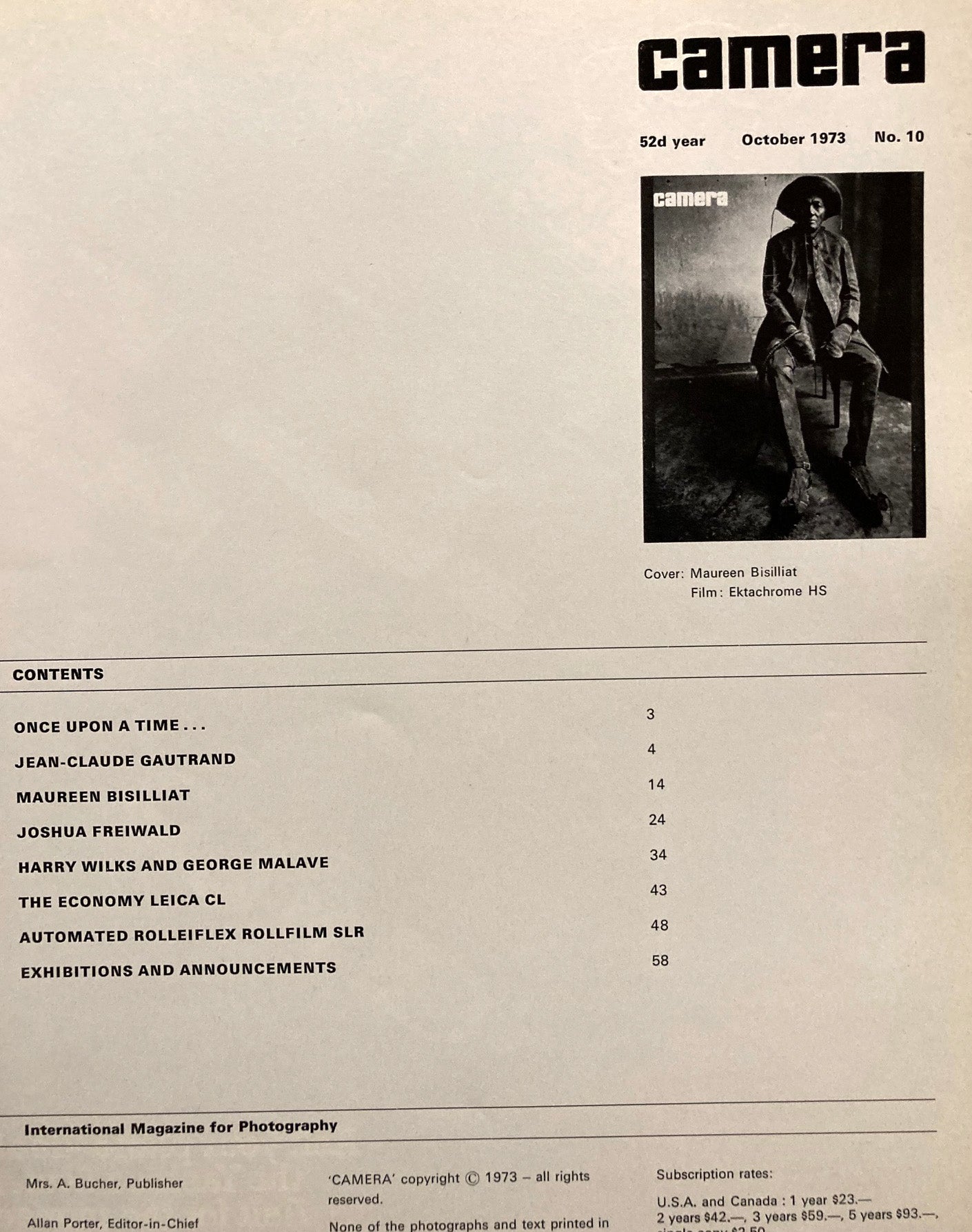
Edited by Allan Porter. Featuring Jean-Claude Gautrand, Mareen Bisilliat, Joshua Freiwald, Harry Wilks, and George Malave. Near fine with thin scratch on cover. Summary:
The October 1973 issue of Camera (Volume 52, No. 10), titled "Once Upon a Time...", explores the intersection of photography and the narrative tradition of the "photo-story." Edited by Allan Porter, the issue examines how a sequence of images can function like a fable or a visual chronicle, capturing the passage of time and the essence of human experience.
Featured Portfolios
-
Jean-Claude Gautrand: Known for his dramatic and often somber architectural studies, Gautrand’s work in this issue explores the "death" of structures, treating ruins and demolition sites as characters in a tragic historical narrative.
-
Maureen Bisilliat: A specialist in documenting the heart of Brazil, Bisilliat contributes powerful, evocative imagery that bridges the gap between photojournalism and visual poetry, often focusing on the rugged lives of people in the Xingu and Sertão regions.
-
Joshua Freiwald: Freiwald’s contributions tend to focus on the social landscape and the interaction between people and their environments, capturing candid moments that suggest a larger, unfolding story.
-
Harry Wilks: Wilks provides a more structured, often graphic perspective, utilizing the frame to highlight the ironies and quiet dramas found within contemporary American life.
-
George Malave: Recognized for his street photography, Malave’s work captures the spirit of New York City, particularly the vibrant, storytelling quality of life in its diverse neighborhoods during the 1970s.
Key Themes
-
The Narrative Sequence: The issue posits that a photograph is rarely a standalone event; rather, it is a single frame within a broader "Once Upon a Time" story arc.
-
Nostalgia and Time: Much of the imagery reflects a 1970s preoccupation with the vanishing past—whether through crumbling buildings or fading traditions.
-
Visual Storytelling: By grouping these specific artists, Porter highlights the transition from objective reportage to subjective, atmospheric storytelling, where the photographer’s personal "insight" dictates the plot of the series.